
Overview
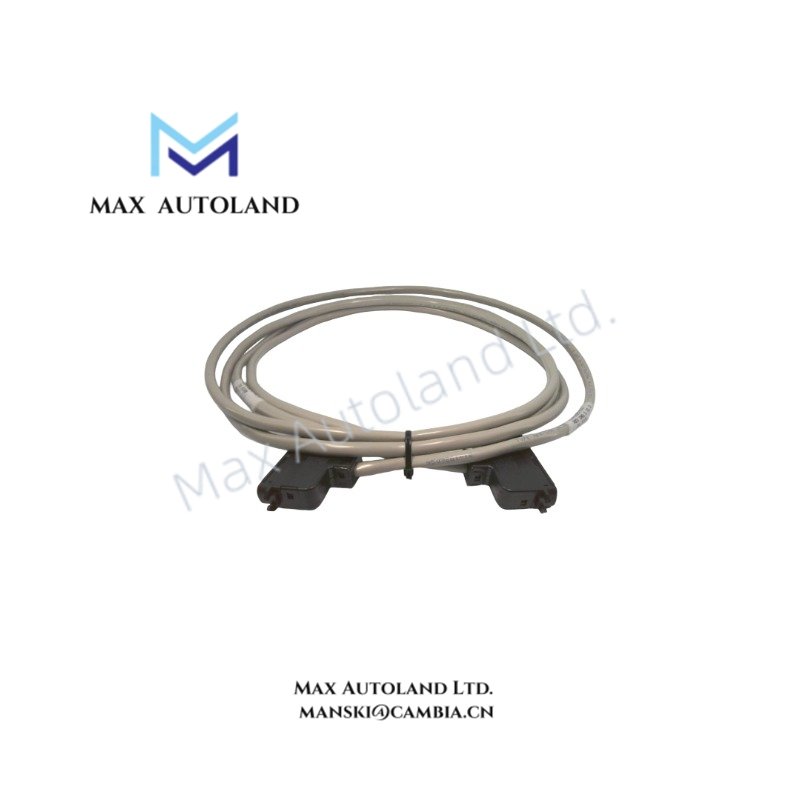
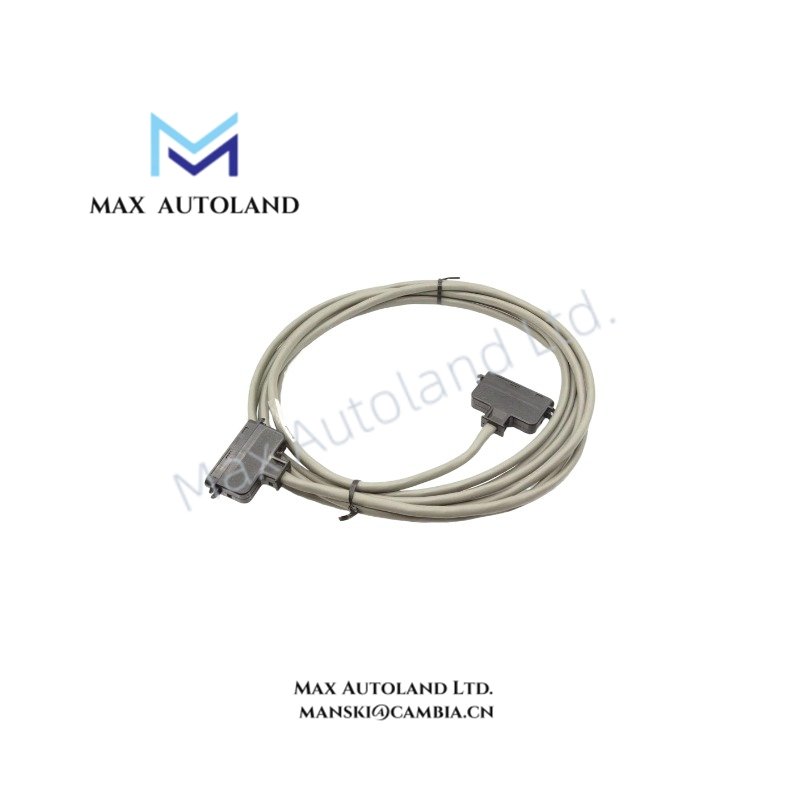
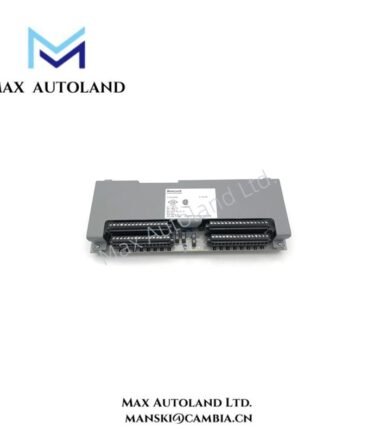
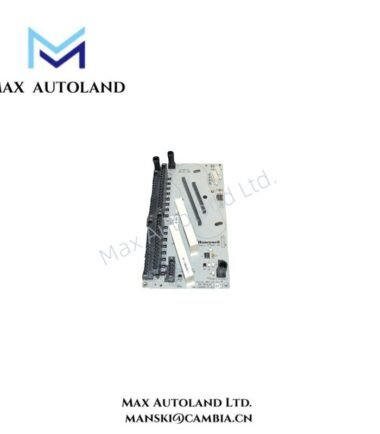
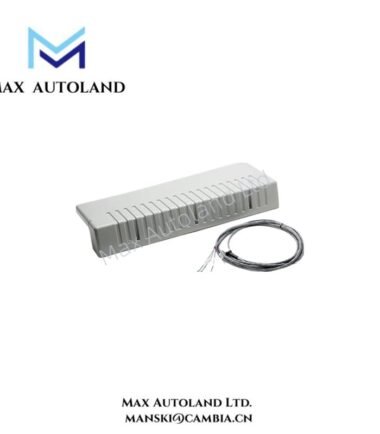
Configured for coaxial signal branching in TDC 3000 and Experion PKS Local Control Network (LCN) infrastructures, the Honeywell 51201420-004 (51201420-004 7-Port Coaxial Tap Assembly / MAU Tap) provides direct physical/electrical execution of multi-drop signal distribution from a main coaxial trunk to up to seven node interfaces without interruption of the primary transmission line.
Hardware Specifications
| Parameter | Specification |
|---|---|
| Model | 51201420-004 |
| Brand | Honeywell |
| Origin | USA |
| Operating Temp | 0 deg C to 60 deg C (system-level design reference) |
| Power Consumption | Passive device, no internal power consumption |
| Connector Type | Coaxial (BNC or TNC depending on LCN implementation) |
| Port Count | 7 drop ports + trunk pass-through interface |
| Impedance | 50 ohm / 75 ohm system dependent |
| Function | Coaxial signal tap / multi-node network branching |
Honeywell Process Network Signal Distribution Characteristics
The device operates within Honeywell LCN and Data Hiway architectures where coaxial media is used for deterministic data propagation. Signal integrity is maintained through impedance-matched branching topology to minimize reflection coefficients at each tap point. The assembly does not perform protocol conversion; it functions strictly as a passive RF and baseband distribution node.
Within Experion PKS and legacy TDC 3000 environments, similar tap assemblies are commonly associated with hybrid integration paths where field signals are indirectly mapped into higher-level control data structures. In such configurations, downstream interface modules may carry 4-20 mA HART loop mapping or Fieldbus gateway conversions, while the coaxial tap remains purely physical-layer infrastructure.
Channel isolation is achieved through passive separation of drop ports, ensuring minimal cross-coupling between connected nodes under defined network termination conditions.
Frequently Asked Questions (FAQ)
Q: Does the 51201420-004 support hot-swap insertion while the LCN network is active?
A: The device is passive and does not support controlled hot-swap logic. Physical insertion or removal can introduce impedance discontinuities and should only be performed under network maintenance conditions.
Q: Does the tap introduce measurable signal latency or protocol delay?
A: No protocol processing occurs. Any delay is limited to passive propagation effects and is negligible within coaxial transmission limits.
Q: Can the 7 drop ports be partially terminated if unused?
A: Unused ports should be properly terminated with system-specified impedance terminators to maintain network reflection control and prevent signal degradation.
Field Installation Guidelines
- Install within grounded metallic control cabinets to maintain RF shielding continuity
- Ensure coaxial shielding braid is terminated 360 degrees at connector entry points
- Maintain consistent impedance matching across all trunk and drop connections
- Avoid sharp cable bends to prevent impedance discontinuities
- Terminate unused ports according to LCN network design rules
- Verify continuity of cabinet earth bonding prior to commissioning







Reviews
There are no reviews yet.