

Overview
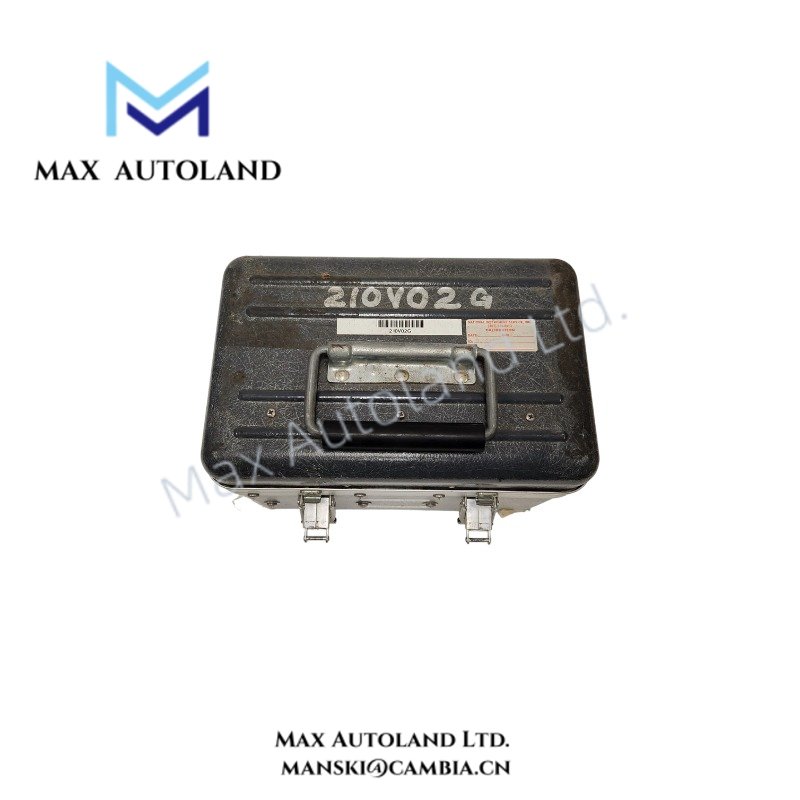
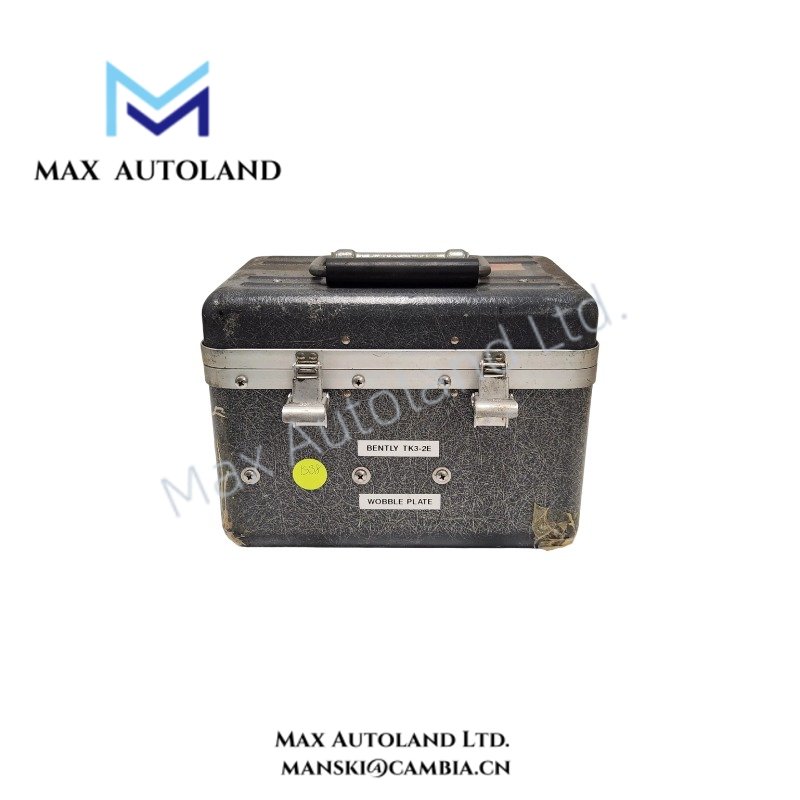
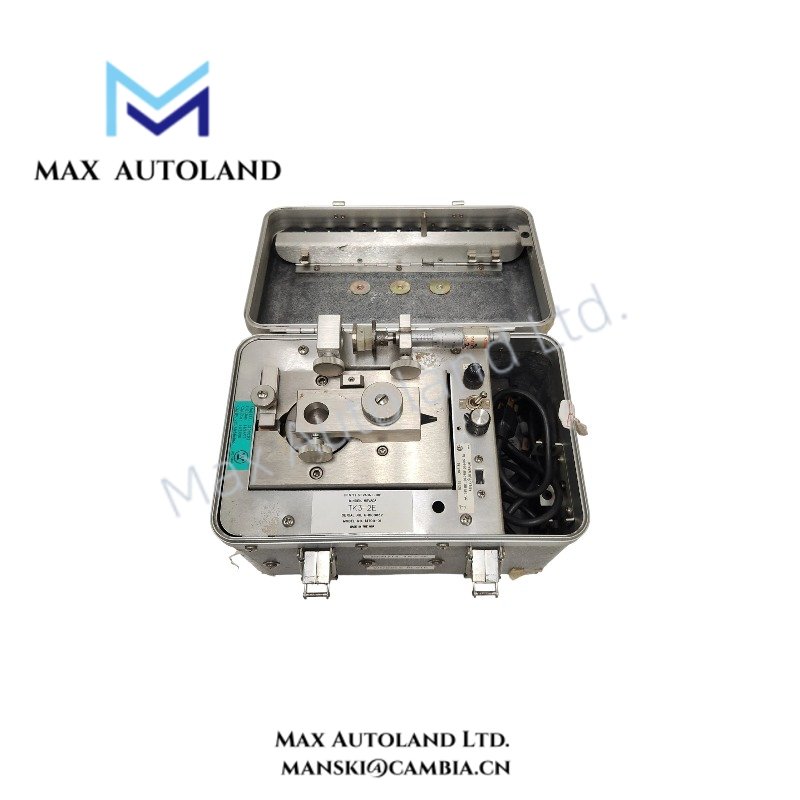
The Bently Nevada TK3-2E, also cataloged as the TK3-2E TK3 Proximity System Test Kit, operates as a dedicated hardware component for proximity transducer calibration and vibration simulation within Bently Nevada mechanical monitoring systems.
Hardware Specifications
| Parameter | Specification |
|---|---|
| Model | TK3-2E |
| Spare Model | 14700-02A |
| Brand | Bently Nevada |
| Product Type | TK3 Proximity System Test Kit |
| Origin | USA |
| Weight | 6.02 kg |
| Dimensions | 28.5 x 20 x 23 cm estimated shipping size |
| Operating Temp | Not specified |
| Power Consumption | 95 – 125 VAC, 50/60 Hz, 1 A minimum / 190 – 250 VAC, 50/60 Hz, 1 A minimum |
| Input Air Pressure | 90 psi (6.2 bar) maximum |
| Vibration Amplitude Range | 50 um to 254 um (2 to 10 mils) peak-to-peak |
| Maximum Speed – Electric Drive | 0 to 10,000 cpm + 2,500 cpm |
| Maximum Speed – Air Drive | 0 to 5,000 cpm + 1,000 cpm |
| Application Function | Proximity probe system calibration, monitor verification, vibration simulation |
Eddy-Current Probe Scaling and Gap Voltage Validation
The TK3-2E supports Bently Nevada eddy-current probe scaling verification by generating controlled mechanical vibration and displacement conditions. The motor-driven wobble plate produces repeatable shaft movement, while the mounted proximity probe converts mechanical displacement into electrical output.
The operator uses the probe scale factor together with a multimeter to adjust the probe position. Therefore, the user can establish the required peak-to-peak DC voltage output without an oscilloscope.
The test procedure validates proximity probe gap settings and supports gap voltage verification procedures commonly based on Bently Nevada probe operating characteristics. The system allows technicians to confirm monitor input behavior before field commissioning or maintenance activities.
Frequently Asked Questions
Q: What function does the TK3-2E perform in a proximity monitoring system?
A: The TK3-2E simulates shaft vibration and position signals to verify proximity probe operation and calibrate Bently Nevada vibration monitors.
Q: Does the TK3-2E require an oscilloscope for calibration?
A: No. The system uses the proximity probe scale factor and multimeter voltage measurement method to adjust vibration output levels.
Q: What type of mechanical input does the TK3-2E generate?
A: The unit generates controlled vibration through a motor-driven wobble plate or air-driven mechanism for proximity probe testing.
Field Installation Guidelines
Install the TK3-2E on a stable work surface before performing calibration activities. Mount the proximity probe securely using the provided probe mounting arrangement to maintain consistent mechanical alignment.
Verify the power supply voltage before connecting the test kit. Use appropriate electrical protection and ensure grounding practices follow site standards.
Keep probe signal wiring separated from high-current power cables to reduce electrical interference. Connect measurement instruments with suitable shielding and confirm all cable connections before applying power.
During calibration, adjust the probe position gradually and monitor the DC voltage output from the proximity system. Record the calibration results for maintenance documentation and future reference.





Reviews
There are no reviews yet.