
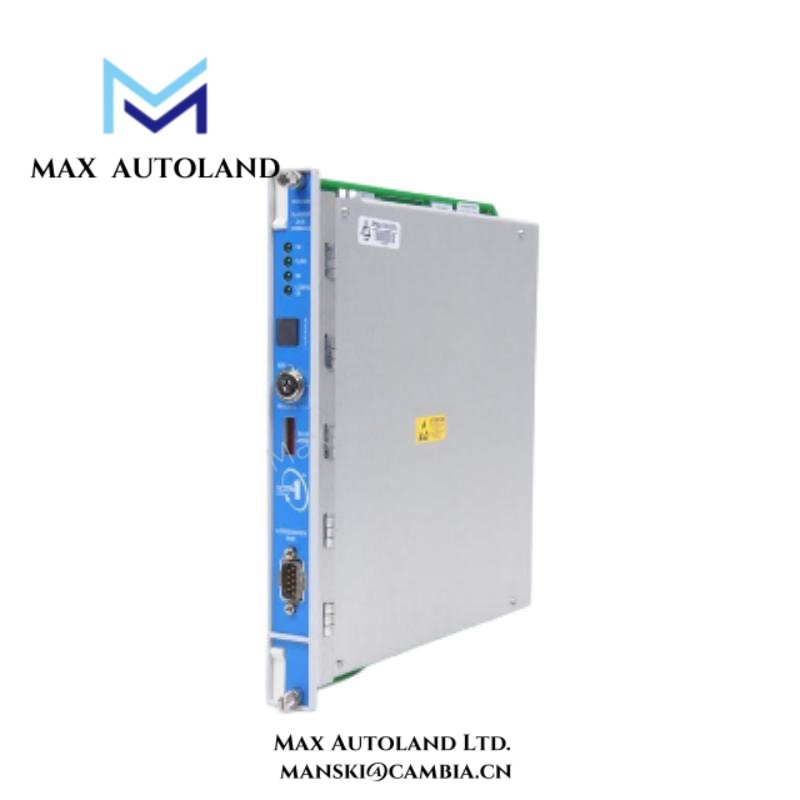
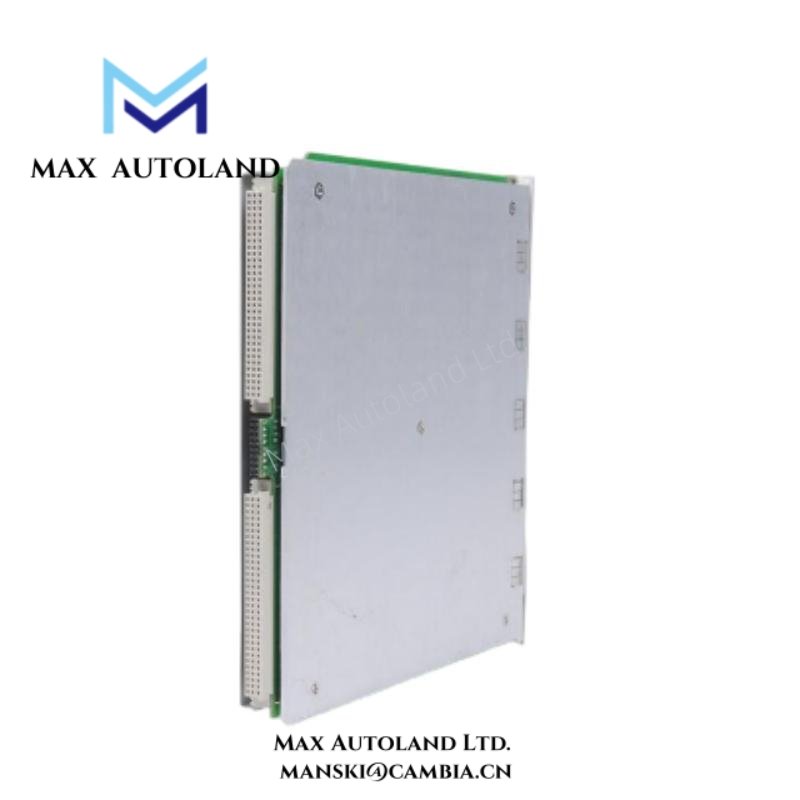
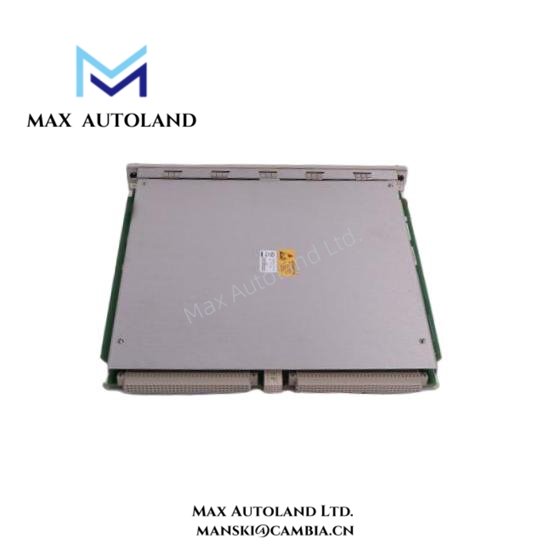

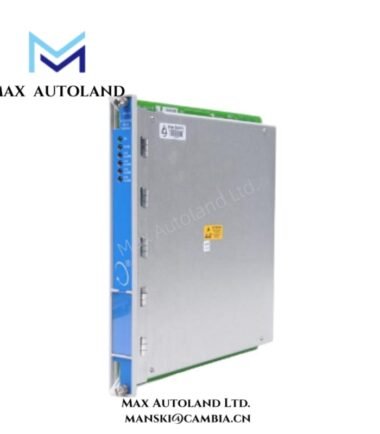
Overview
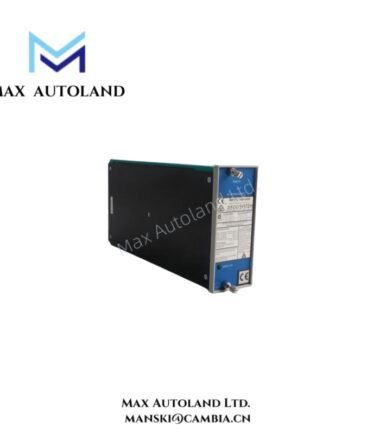
Designed for the 3500 platform, it records transient events that conventional monitoring channels cannot fully resolve.
Moreover, the module supports detailed waveform analysis, therefore improving fault diagnostics during startups, shutdowns, and abnormal events.
Specification
| Parameter | Specification |
|---|---|
| Brand | Bently Nevada (Baker Hughes) |
| Model / Part Number | 138607-01 |
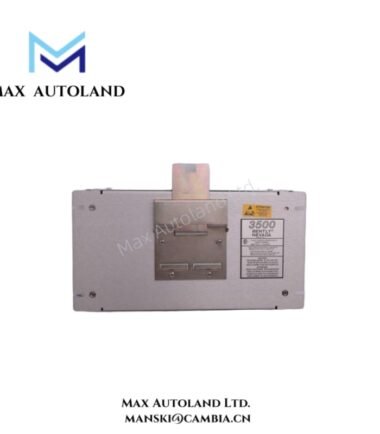
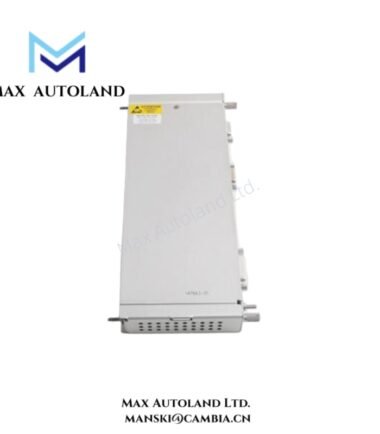
| Module Type | 3500/22M Standard Transient Data Interface |
| System Platform | Bently Nevada 3500 Machinery Protection System |
| Primary Function | High-speed transient data acquisition and transfer |
| Supported Inputs | Data streams from 3500 monitoring modules |
| Data Capture Mode | Event-based and continuous transient recording |
| Trigger Capability | Configurable trigger conditions per application |
| Data Resolution | High-resolution waveform and dynamic signal capture |
| Communication | Backplane interface to 3500 rack and system software |
| Rack Compatibility | Standard 3500 system rack installation |
| Power Supply | Powered directly from the 3500 rack backplane |
| Diagnostics | Continuous self-diagnostics for module health monitoring |
| Operating Temperature | –30 °C to +65 °C |
| Environmental Design | Suitable for continuous industrial machinery environments |
| Compliance | Designed to meet applicable industrial machinery protection standards |
FAQ
A1: It captures and transfers high-speed transient machinery data for detailed diagnostic and analysis purposes.
Q2: How does this module differ from standard monitoring modules?
A2: It focuses on short-duration transient events rather than continuous steady-state vibration measurements.
Q3: Is the 3500/22M compatible with existing 3500 racks?
A3: Yes, it installs directly into standard Bently Nevada 3500 system racks.
Q4: Which software tools use data from this module?
A4: It typically interfaces with Bently Nevada System 1 and related diagnostic platforms.
Q5: Why is transient data important for machinery protection?
A5: Transient data reveals early fault signatures during abnormal events, therefore improving maintenance decision accuracy.





Reviews
There are no reviews yet.