


Overview
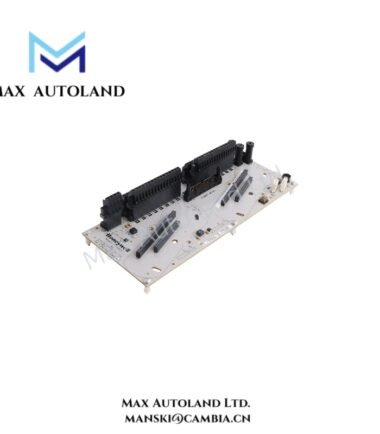
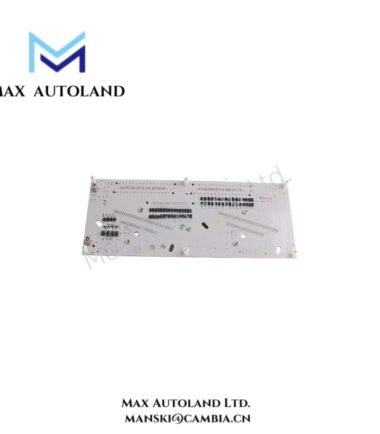
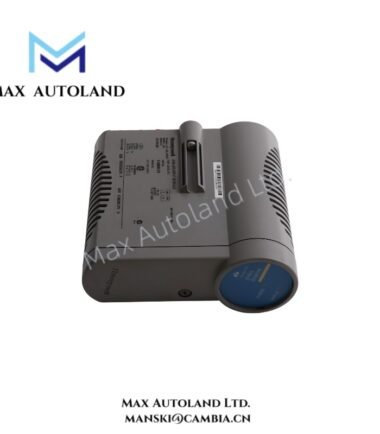
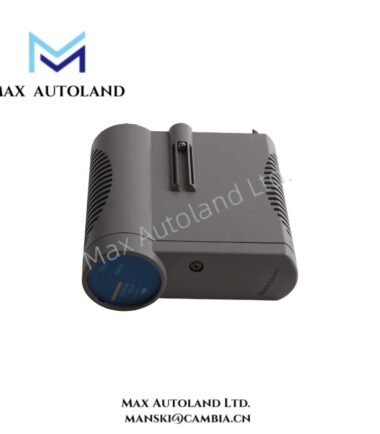
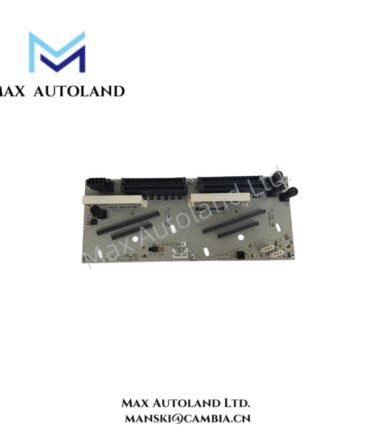
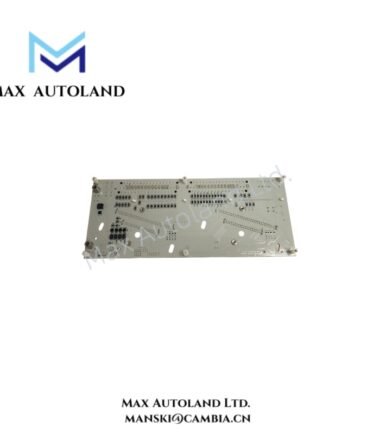
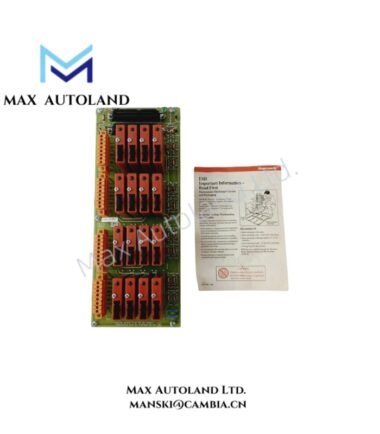
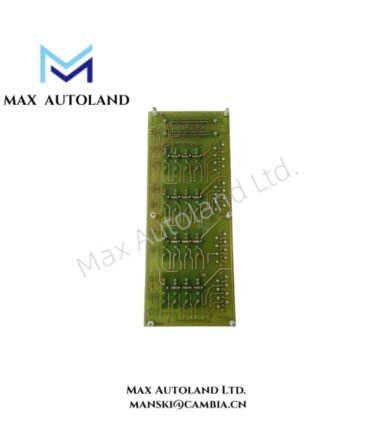
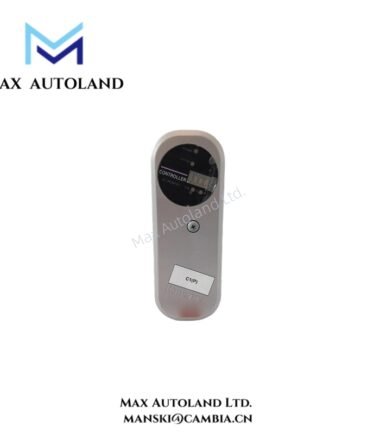
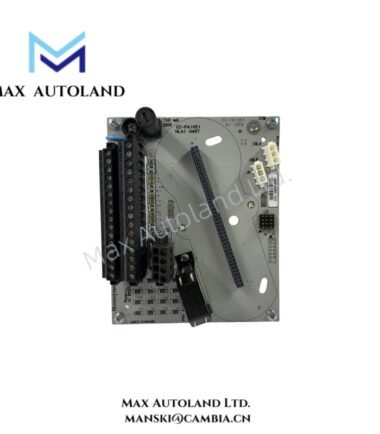
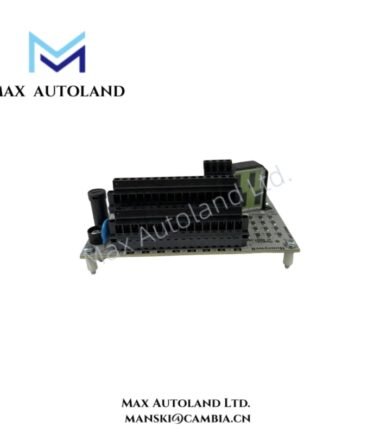
Configured for low-level analog signal acquisition in Honeywell process control systems, the Honeywell MC-TAMR03 51309218-175 (MC-TAMR03 Low Level Analog Mux Module) processes thermocouple, RTD, and linear millivolt inputs through 32 galvanically isolated channels. The module supports configurable 50 Hz or 60 Hz line frequency synchronization and scans inputs at 32 samples per second, with each channel sampled once per second.
Hardware Specifications
| Parameter | Specification |
|---|---|
| Model | MC-TAMR03 51309218-175 |
| Spare Model | 51309218-175 |
| Product Type | Low Level Analog Mux Module |
| Brand | Honeywell |
| Manufacturer | Honeywell |
| Origin | USA |
| Tariff Code | 8537101190 |
| Weight | 0.75 kg |
| Dimensions | 30.8 x 12.1 x 5 cm |
| Maximum Normal Mode Continuous Input | -1 V to 10 V, no damage |
| Input Scan Rate | 32 samples per second; each channel sampled once per second |
| Line Frequency Synchronization | Configurable to 50 Hz or 60 Hz |
| Input Types | Thermocouple, RTD, and linear millivolt |
| Number of Channels | 32 |
| Channel Isolation | Galvanically isolated |
| Isolation Rating | 250 VAC peak or +/-250 VDC |
| Resolution | 14 bits |
| Supported Thermocouple Types | J, K, E, T, B, S, R, RP |
| Thermocouple Resolution | 10 uV per bit |
| 100 ohm and 120 ohm RTD Resolution | 64 mOhm per bit |
| 10 ohm RTD Resolution | 8 mOhm per bit |
| Linear mV Sensor Resolution | 20 uV per bit |
| Software-Only Accuracy | +/-0.1 deg C typical; +/-0.5 deg C maximum at 23.5 +/-2 deg C |
Channel-to-Channel Isolation and Low-Level Signal Acquisition
The Honeywell MC-TAMR03 51309218-175 provides 32 galvanically isolated input channels for low-level process measurement signals. This isolation arrangement separates individual field signal paths and supports the connection of thermocouples, RTDs, and linear millivolt sensors.
The module also provides 14-bit signal resolution. Thermocouple inputs support J, K, E, T, B, S, R, and RP sensor types at 10 uV per bit. RTD measurement supports 100 ohm, 120 ohm, and 10 ohm sensor ranges with the specified resistance resolution.
In addition, configurable 50 Hz or 60 Hz synchronization allows the input acquisition process to align with the applicable line frequency environment. Each channel is scanned once per second while the module operates at a total scan rate of 32 samples per second.
Frequently Asked Questions
Q: What sensor signal types can the Honeywell MC-TAMR03 51309218-175 process?
A: The module accepts thermocouple, RTD, and linear millivolt input signals. Supported thermocouple types are J, K, E, T, B, S, R, and RP.
Q: How many isolated input channels does the MC-TAMR03 51309218-175 provide?
A: The module provides 32 galvanically isolated channels. The specified isolation capability is 250 VAC peak or +/-250 VDC.
Q: What input scan rate does the MC-TAMR03 51309218-175 use?
A: The total input scan rate is 32 samples per second, with each individual channel sampled once per second.
Field Installation Guidelines
Install the Honeywell MC-TAMR03 51309218-175 in the designated Honeywell control system hardware location according to the applicable system documentation. Verify module orientation and connector engagement before applying system power.
Route thermocouple, RTD, and low-level millivolt signal wiring separately from high-current power conductors, relay wiring, and switching circuits. This reduces externally induced electrical noise on low-level measurement circuits.
Use shielded cable where required by the field installation design. Terminate cable shields according to the applicable control-system grounding practice and avoid creating unintended multiple shield grounding paths.
Before connecting field signals, verify the sensor type and wiring configuration. Confirm that the applied continuous input remains within the specified -1 V to 10 V no-damage range where applicable.
Configure the line frequency synchronization setting for the local 50 Hz or 60 Hz electrical environment before commissioning. After wiring, inspect channel connections and confirm correct signal response through the control system configuration and diagnostic procedures.

Reviews
There are no reviews yet.