
Overview
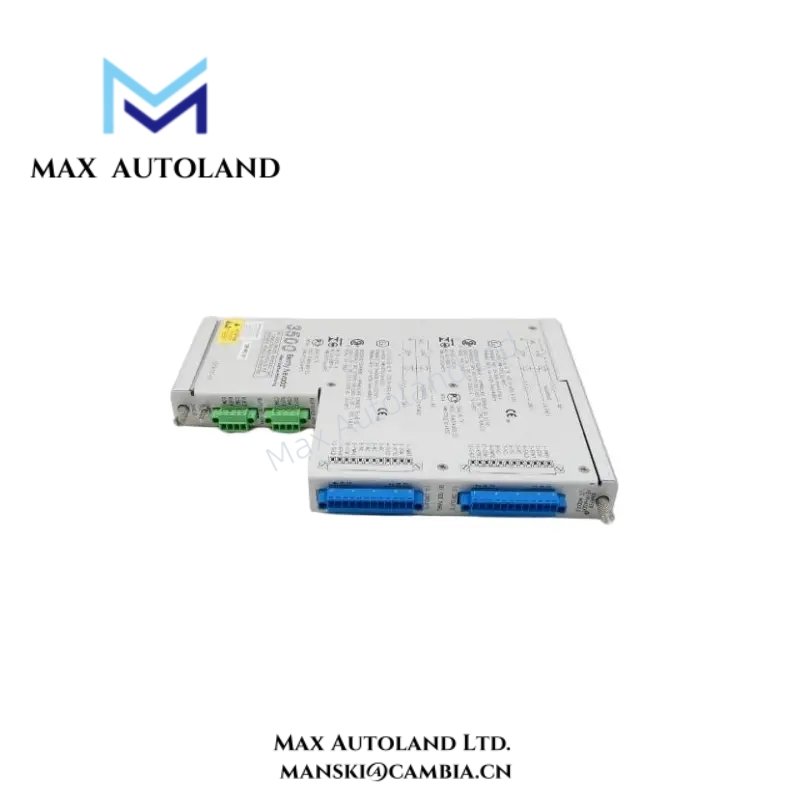
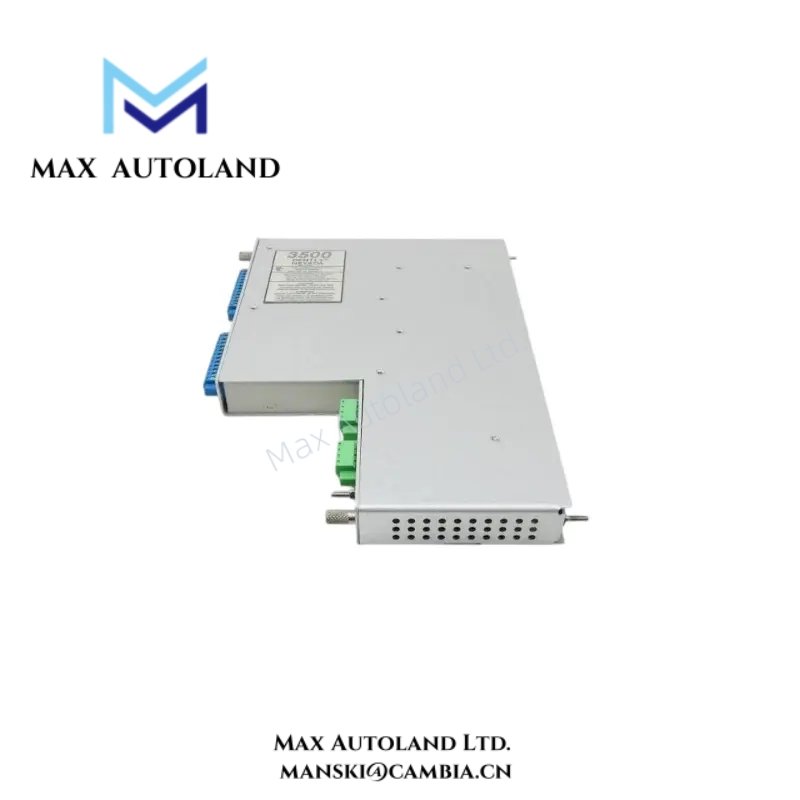
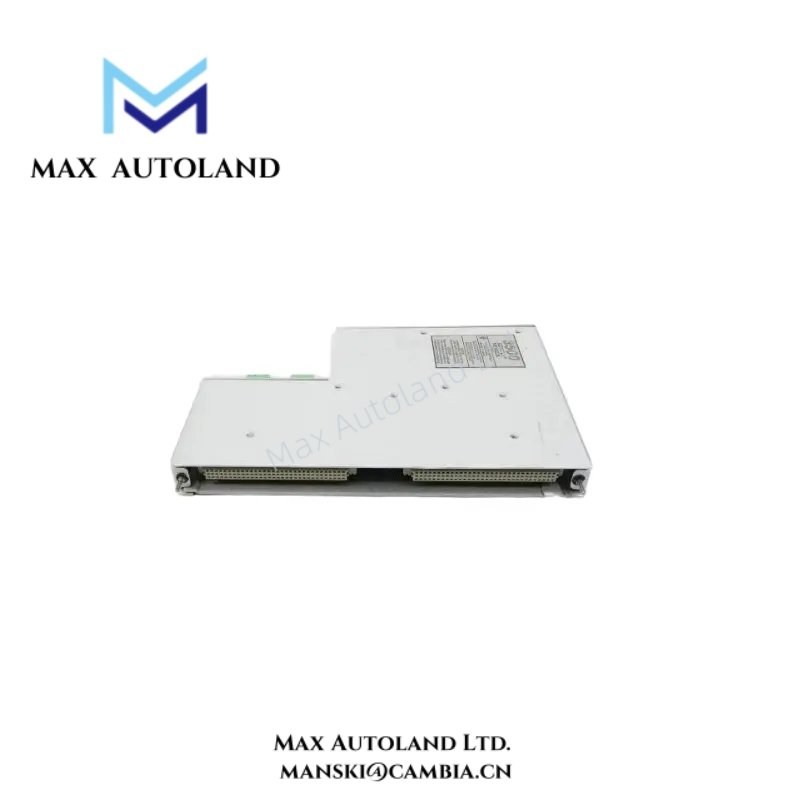
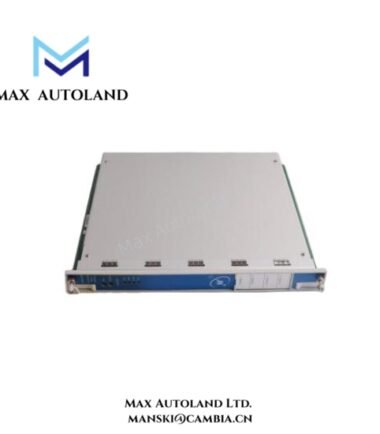
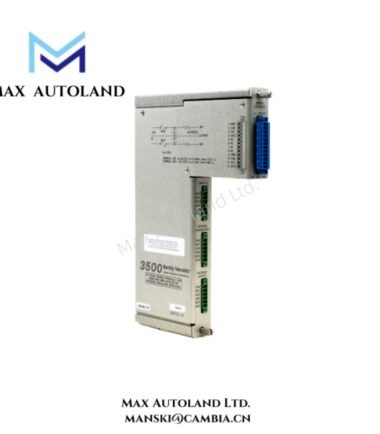
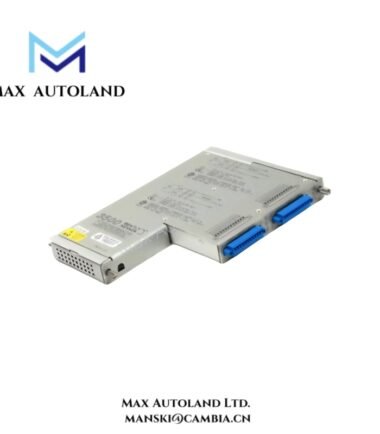
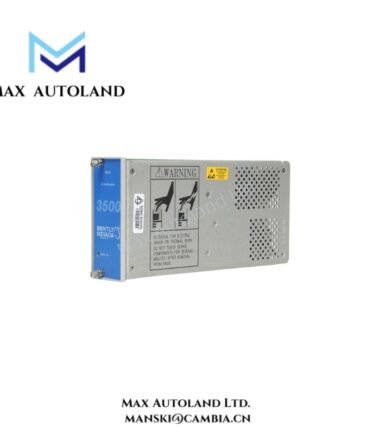
It integrates internal barriers and internal terminations, enabling direct connection of hazardous area sensors without external components.
Moreover, the module simplifies system architecture while maintaining high measurement integrity in critical rotating machinery environments.
Specification
| Parameter | Description |
|---|---|
| Product Type | I/O Module with Internal Barriers and Internal Terminations |
| Brand | Bently Nevada |
| Series | 3500 Machinery Protection System |
| Model | 3500/25 |
| Part Number | 135473-01 |
| Function | Safe signal interfacing between field sensors and monitoring modules |
| Barrier Type | Internal intrinsic safety barriers |
| Termination Method | Internal rack-based terminations |
| Supported Signal Types | Proximity probes, vibration sensors, position transducers |
| Hazardous Area Support | Yes, suitable for intrinsically safe sensor connections |
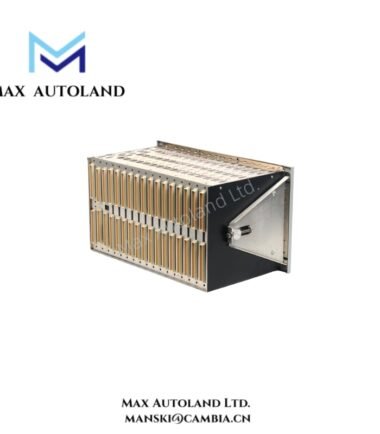
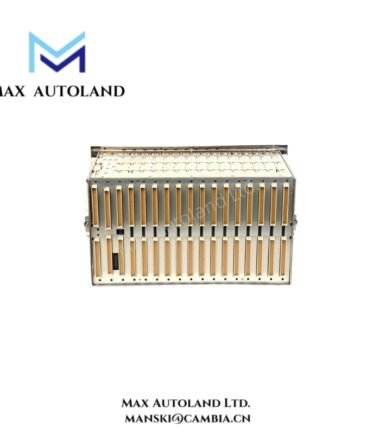
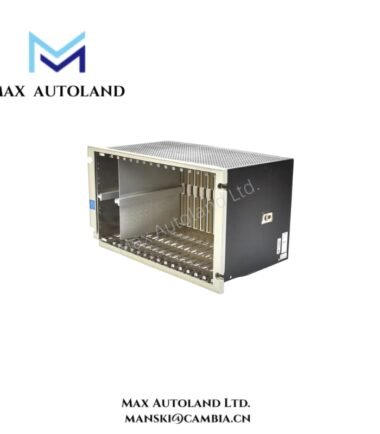
| Installation Location | Dedicated I/O slot within 3500 system rack |
| System Integration | Works with compatible 3500 monitoring modules |
| Typical Application | Turbomachinery and critical rotating equipment protection |
| Design Focus | High signal integrity, reduced wiring complexity, improved reliability |
FAQ
A1: It safely interfaces field sensors with 3500 systems using built-in intrinsic safety barriers and terminations.Q2: Why are internal barriers important in machinery protection systems?
A2: They provide intrinsic safety and eliminate external barrier panels, simplifying design and reducing wiring complexity.
Q3: Is this module compatible with standard 3500 racks?
A3: Yes, it installs directly into compatible 3500 system racks without additional adapters.
Q4: Which sensors typically connect through this I/O module?
A4: Proximity probes, vibration transducers, and related machinery protection sensors commonly connect through this module.
Q5: Does the module help reduce installation time?
A5: Yes, internal terminations significantly shorten wiring and commissioning activities.
Q6: In which industries is this module most frequently applied?
A6: It is commonly applied in oil and gas, power generation, petrochemical, and heavy industrial machinery protection systems.





Reviews
There are no reviews yet.