


Overview
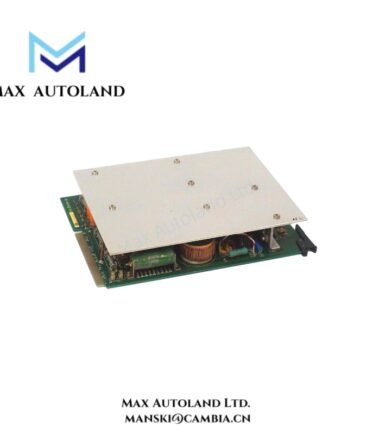
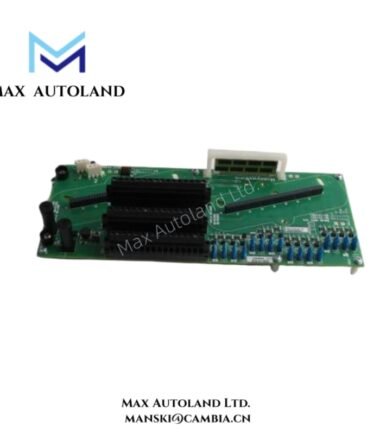
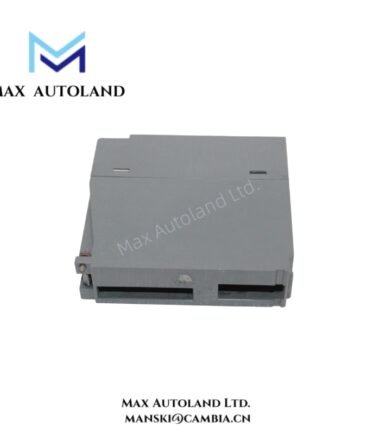
The Honeywell CC-PFB801, also cataloged as the CC-PFB801 Fieldbus Interface Module (FIM), provides FOUNDATION Fieldbus H1 communication within the Honeywell Experion PKS control system. It supports up to 8 H1 networks per module, with up to 16 fieldbus devices per network. The module uses the Series C I/O architecture and supports non-redundant and side-by-side redundant configurations, subject to system configuration requirements.
Hardware Specifications
| Parameter | Specification |
|---|---|
| Model | CC-PFB801 |
| Brand | Honeywell |
| Origin | USA |
| Weight | Approx. 0.8 kg |
| Module Type | Fieldbus Interface Module (FIM) |
| Control System | Experion PKS |
| I/O Platform | Series C |
| Fieldbus Protocol | FOUNDATION Fieldbus H1 |
| H1 Networks | Up to 8 per module |
| Devices per Network | Up to 16 |
| Macrocycle Periods | 250 ms, 500 ms, 1 s, 2 s, 4 s, 8 s, 16 s, and 32 s |
FOUNDATION Fieldbus H1 Communication
The CC-PFB801 manages communication between FOUNDATION Fieldbus H1 field networks and the Experion PKS control environment. Each H1 network connects compatible field instruments through the configured fieldbus segment. The stated capacity is up to 16 devices per network across a maximum of 8 networks per module.
The configured macrocycle determines the scheduled communication cycle for fieldbus operations. Engineers must verify device scheduling, segment loading, and supported timing against the applicable Honeywell engineering documentation. Do not infer segment power capacity, device current limits, or communication performance solely from the maximum device count.
The module’s diagnostic indicators provide local status information. Check the module and FTE indicators alongside the carrier-board H1 link indicators when investigating communication faults.
Frequently Asked Questions
Q: Which fieldbus protocol does the CC-PFB801 support?
A: The supplied product description identifies FOUNDATION Fieldbus H1. Compatibility with other fieldbus protocols should not be assumed.
Q: Can the CC-PFB801 operate in a redundant configuration?
A: The supplied description lists non-redundant and side-by-side redundant configurations. Confirm the supported pairing, carrier arrangement, firmware requirements, and redundancy behavior in the applicable Experion PKS documentation.
Q: What power consumption and operating temperature should be used for cabinet design?
A: The supplied description states a 24 VDC operating supply but does not establish the module’s current draw, power consumption, or operating temperature range. Obtain the manufacturer specifications before calculating power budgets or verifying cabinet thermal limits.
Field Installation Guidelines
- Verify the module model, Series C carrier compatibility, and the required Experion PKS configuration before installation.
- Isolate the relevant power sources and follow the site’s electrical safety and lockout procedures before handling the hardware.
- Install the module in the specified carrier position and secure the assembly according to Honeywell instructions.
- Connect H1 field wiring to the designated carrier terminals. Follow the approved segment wiring diagram, polarity requirements, shielding practice, and grounding arrangement.
- Route fieldbus wiring separately from high-voltage and high-current conductors where practical. Avoid unapproved cable splices and maintain the segment topology specified by the system design.
- For redundant installations, verify the required module pairing, carrier configuration, network connections, and system engineering settings.
- Restore power according to the commissioning procedure. Check module, FTE, and H1 link indicators, then confirm communication with configured field devices through the engineering workstation.
- Record the installed model, firmware information where available, network assignments, and commissioning results.






Reviews
There are no reviews yet.