
Overview
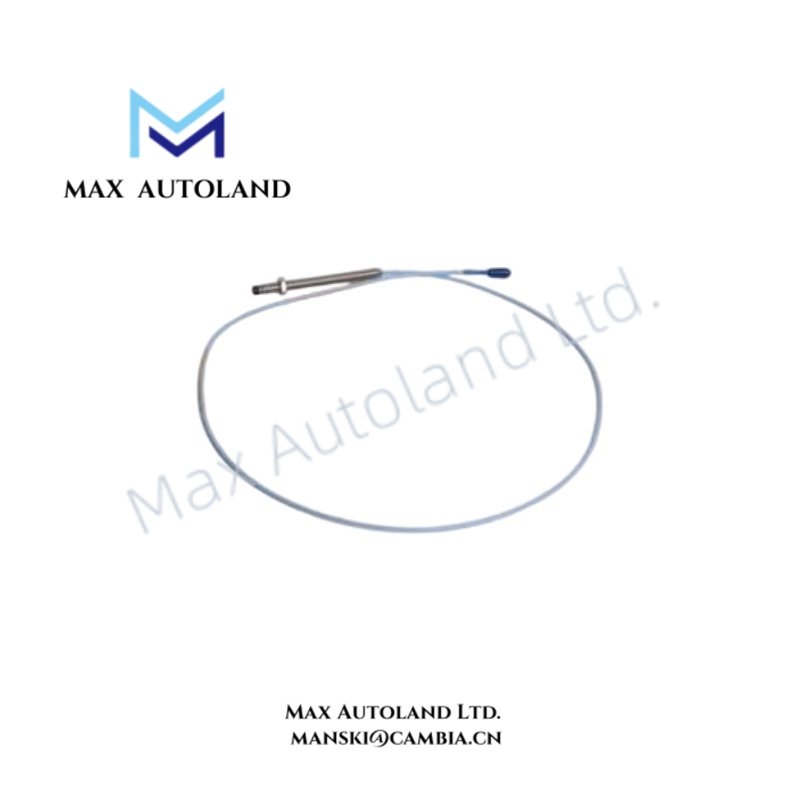
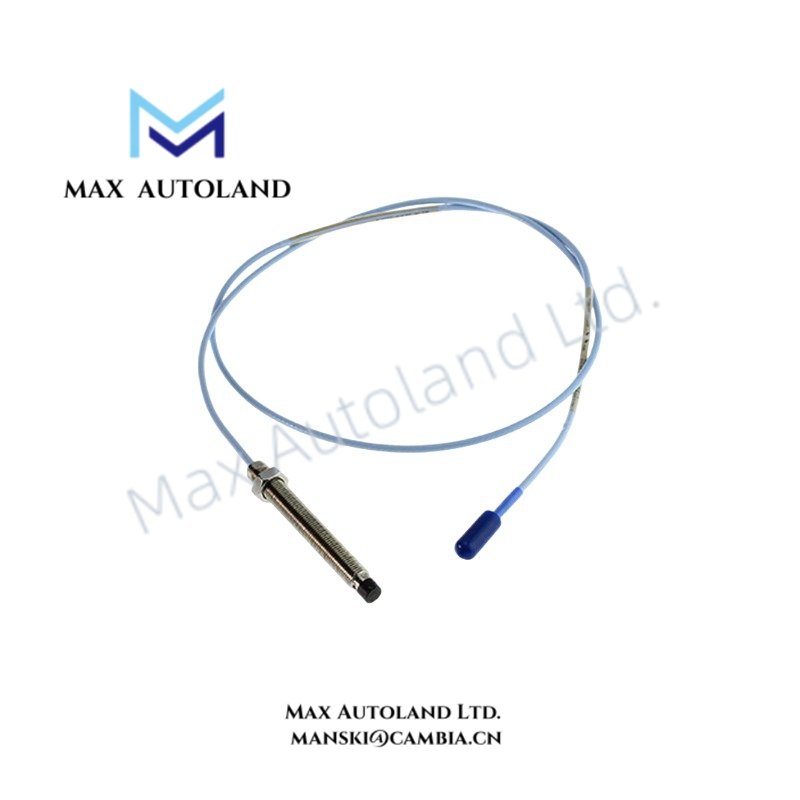
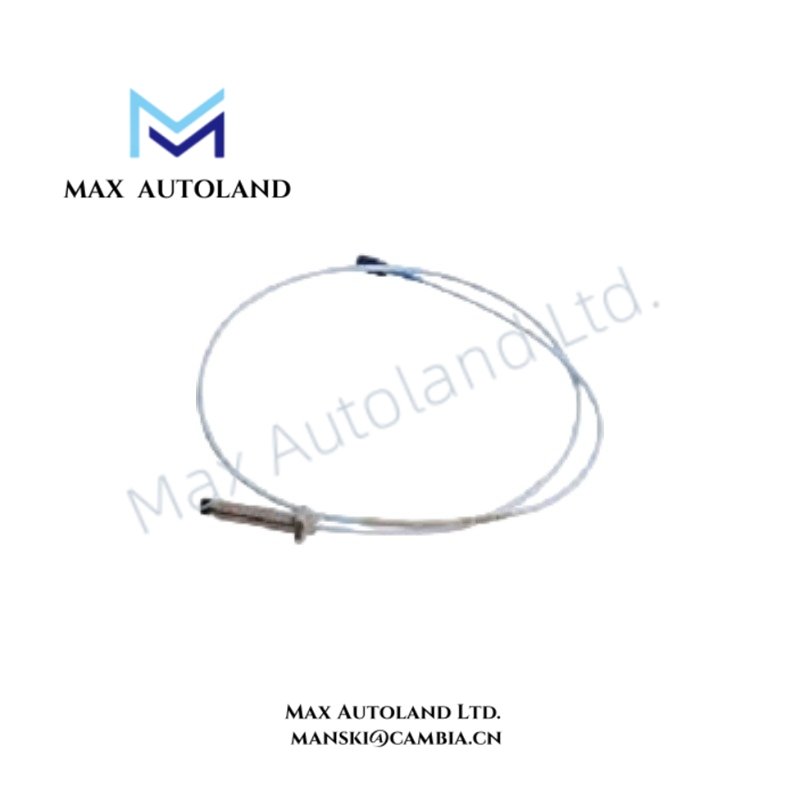
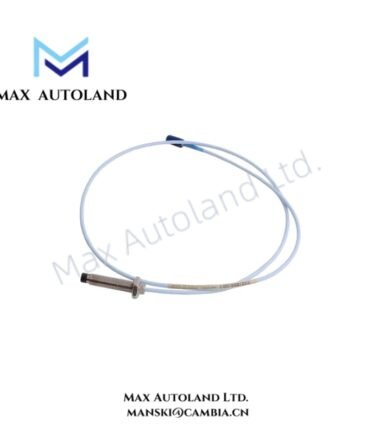
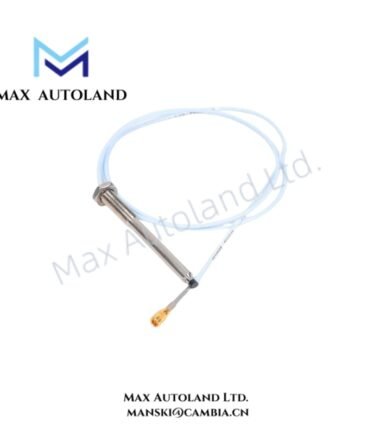
Configured for non-contact shaft displacement measurement in Bently Nevada 3300 monitoring systems, the Bently Nevada 330103-00-10-10-02-CN (330103 3300 XL 8 mm Proximity Probe) provides direct physical signal acquisition through an eddy-current sensing circuit.
Hardware Specifications
| Parameter | Specification |
|---|---|
| Model | 330103-00-10-10-02-CN |
| Brand | Bently Nevada |
| Product Type | 3300 XL 8 mm Proximity Probe |
| Origin | USA |
| Weight | 0.04 kg |
| Dimensions | 110 x 1.5 x 1.2 cm (shipping size) |
| Operating Temp | -52 deg C to +100 deg C |
| Power Consumption | Supplied by compatible proximity transducer system |
| Total Length | 1.0 meter (3.3 feet) |
| Probe Diameter | 8 mm |
| Thread Specification | M10 x 1 thread |
| Armor Option | Without armor |
| Minimum Unthreaded Length | 0 mm |
| Minimum Case Length | 100 mm |
| Connector Type | Miniature coaxial ClickLoc connector standard cable |
| Cable Type | Standard coaxial interconnect cable |
| Tariff Code | 8537101190 |
| Shipment Location | Xiamen, China |
Eddy-Current Probe Scaling and Rotor Dynamics Interface
The 330103-00-10-10-02-CN uses eddy-current probe scaling principles to convert shaft surface displacement into electrical output signals for machinery monitoring applications. The probe operates as part of a complete proximity transducer chain that includes an extension cable and signal conditioning equipment.
Furthermore, the probe design supports rotor dynamics analysis by providing displacement measurements required for vibration orbit, shaft position, and mechanical movement evaluation. The system validates probe operation through gap voltage monitoring, with typical Bently Nevada installations targeting approximately -10 VDC gap voltage during correct probe positioning.
The miniature coaxial ClickLoc connector maintains signal continuity between the probe and extension cable assembly. In addition, the probe construction supports controlled signal transmission in rotating machinery environments where electromagnetic interference and installation spacing require careful cable routing.
Frequently Asked Questions
Q: What measurement principle does the 330103-00-10-10-02-CN use?
A: The probe uses an eddy-current sensing principle to measure shaft displacement without physical contact between the probe tip and the rotating target.
Q: What is the function of the M10 x 1 thread configuration?
A: The M10 x 1 thread provides mechanical mounting compatibility for installations requiring the specified probe housing dimensions and mounting arrangement.
Q: What installation factor affects probe measurement accuracy?
A: Proper probe gap adjustment, cable installation, connector engagement, and shielding practices affect the electrical measurement stability.
Field Installation Guidelines
Install the probe with the sensing tip aligned toward the measured shaft surface according to the machinery manufacturer’s mechanical drawings.
Maintain correct probe gap adjustment before commissioning the monitoring channel. Verify the output gap voltage through the connected proximity system and confirm the expected operating range.
Route the miniature coaxial cable away from high-current power conductors and strong electromagnetic interference sources. Avoid sharp cable bends that may damage the coaxial structure or affect signal transmission.
Connect cable shielding according to the monitoring system grounding requirements. Inspect the ClickLoc connector engagement before operation to prevent intermittent signal conditions.
Confirm the probe mounting thread engagement and mechanical fixation before rotating equipment startup.
Reviews
There are no reviews yet.