
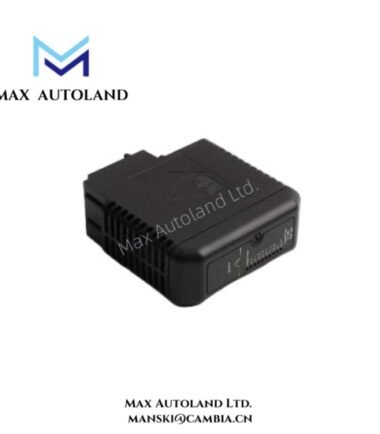
Overview
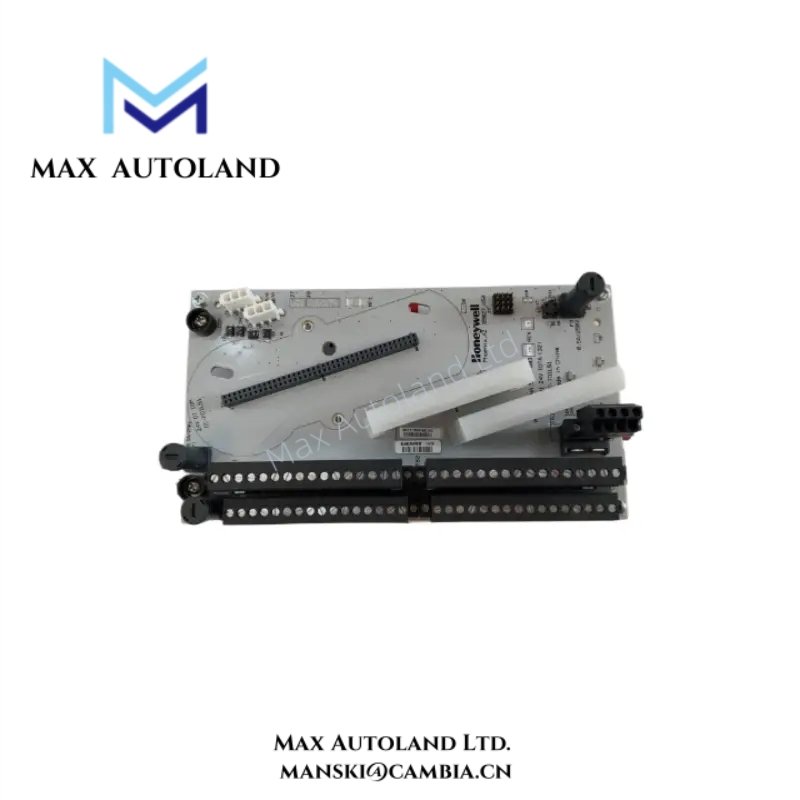
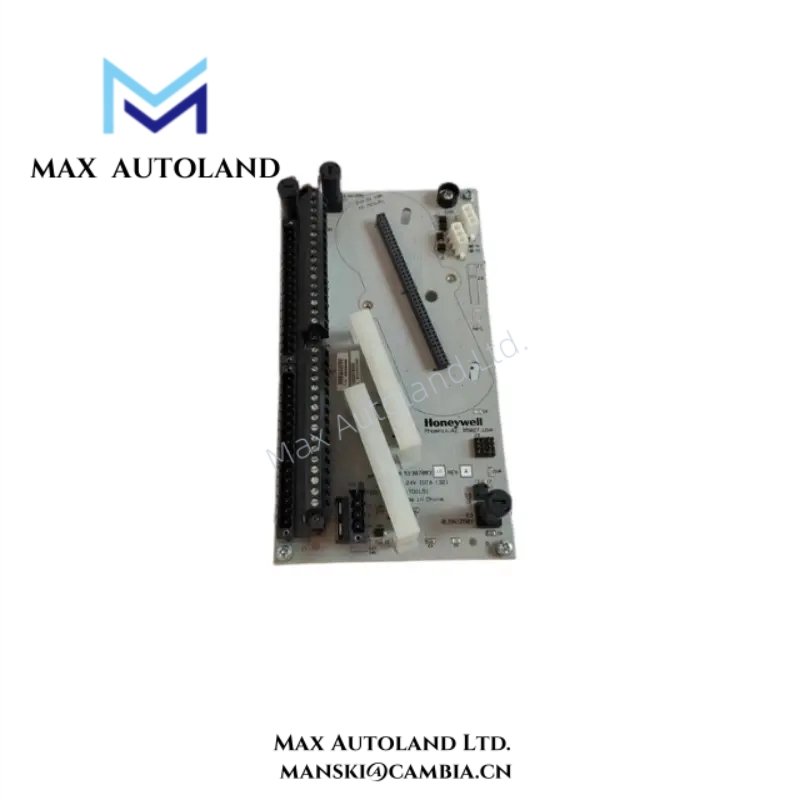
It serves as an interface termination assembly, therefore ensuring stable digital input connections between field devices and controllers.
Moreover, the module supports high-density wiring while maintaining clear signal separation and electrical robustness.
Control engineers choose this IOTA to improve system reliability and simplify digital input infrastructure.
Designed for Series C I/O architectures, the CC-TDIL51 integrates seamlessly into modern Honeywell automation environments.
In addition, Honeywell manufacturing standards ensure consistent performance throughout extended industrial service lifecycles.
Specification
| Parameter | Description |
|---|---|
| Product Type | Digital Input IOTA |
| Manufacturer | Honeywell |
| Model Number | CC-TDIL51 |
| IOTA Category | Series C I/O Interface Termination Assembly |
| Primary Function | Digital input signal termination and routing |
| Supported Signals | Discrete digital input signals |
| System Compatibility | Honeywell Experion PKS Series C I/O |
| Channel Density | Supports multiple digital input points |
| Wiring Method | Field wiring termination to I/O module |
| Electrical Design | Industrial-grade signal integrity and isolation |
| Installation Type | Mounted within Series C I/O chassis |
| Operating Environment | Industrial process control environments |
| Reliability Rating | Continuous-duty industrial operation |
| Compliance | Manufactured to Honeywell Series C I/O standards |
| Maintenance Requirement | No routine maintenance beyond standard inspection |
FAQ
Q1: What is the primary role of the CC-TDIL51 IOTA?
A1: It provides termination and routing for digital input signals in Honeywell Series C I/O systems.
Q2: Which control systems support the CC-TDIL51 module?
A2: It is designed specifically for Honeywell Experion PKS Series C architectures.
Q3: Does this IOTA process signals directly?
A3: No, it terminates field wiring and interfaces signals to the corresponding digital input module.
Q4: Is the CC-TDIL51 suitable for continuous industrial operation?
A4: Yes, it is designed for continuous-duty use in process automation environments.
Q5: Does this module require routine maintenance?
A5: No routine maintenance is required beyond standard inspection during scheduled servicing.

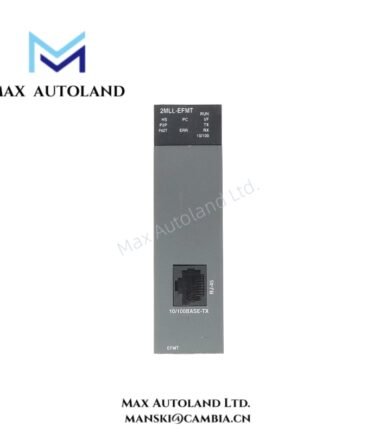
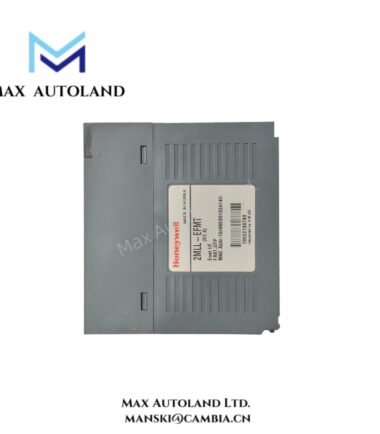


Reviews
There are no reviews yet.