

Overview
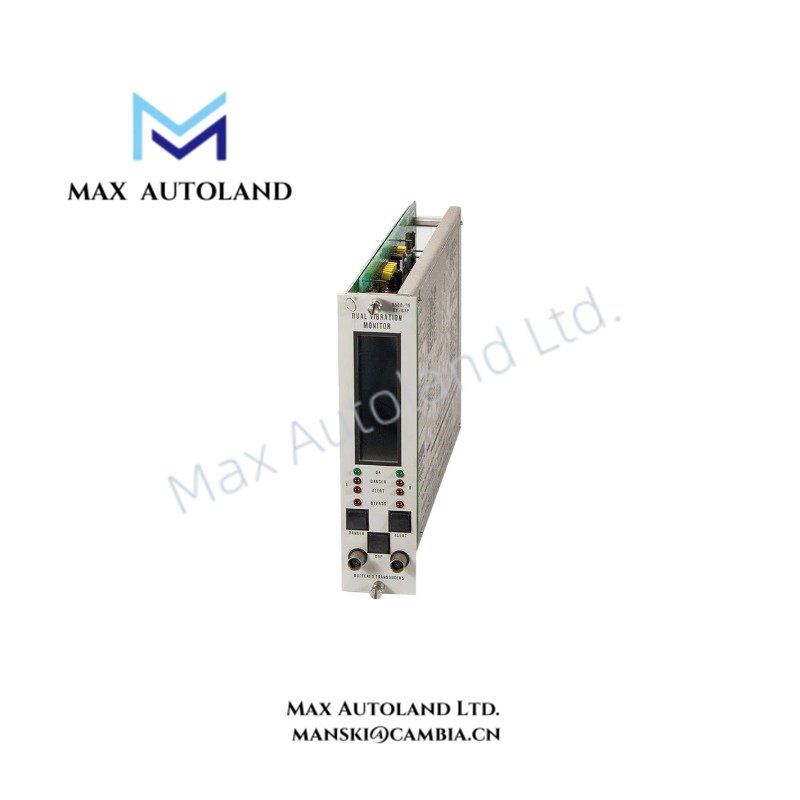
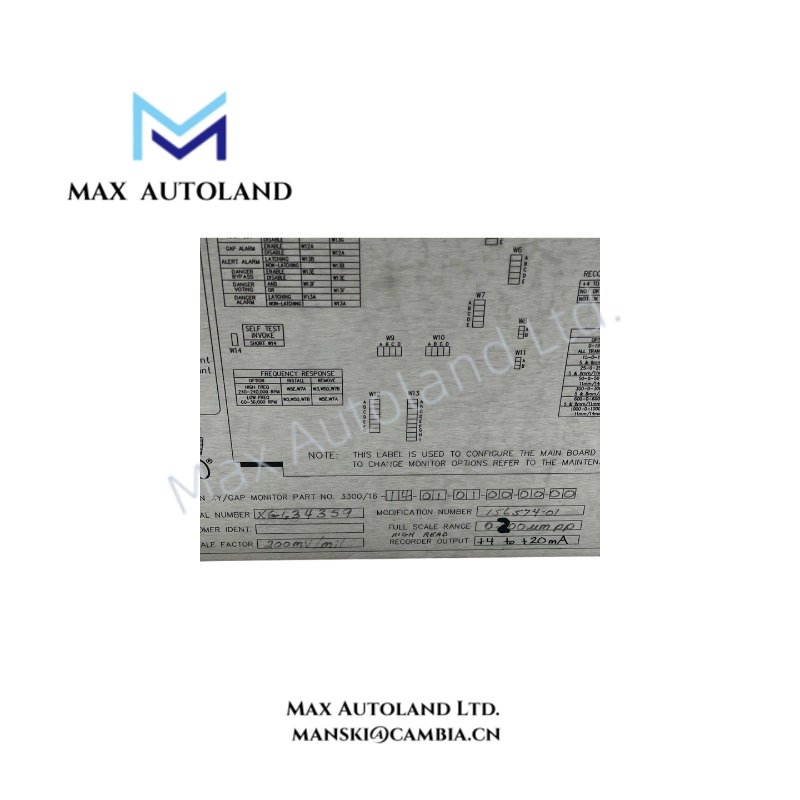
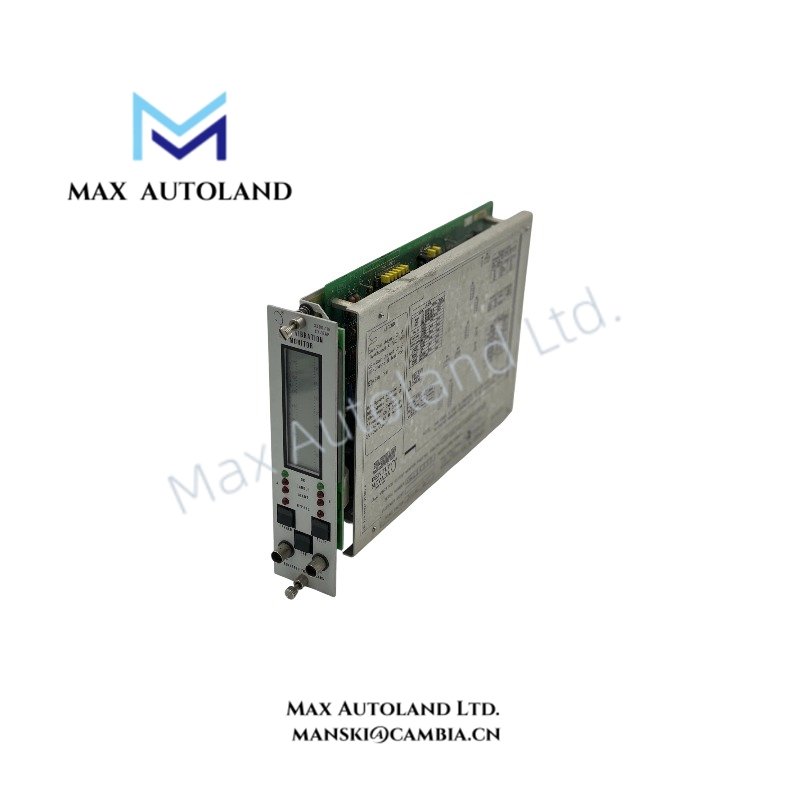
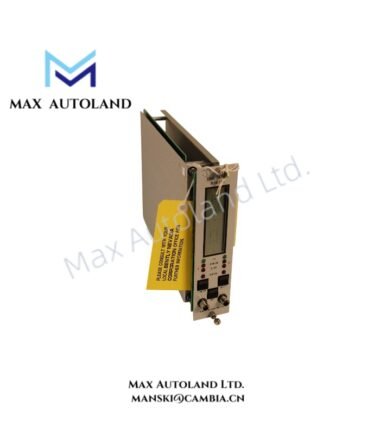
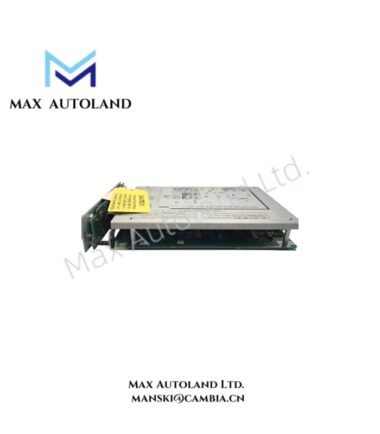
The Bently Nevada 3300/16-14-01-01-00-00-00, also cataloged as the Bently Nevada 3300/16 XY/GAP Dual Vibration Monitor, operates as a dedicated hardware component for radial shaft vibration and average shaft position measurement within the Bently Nevada 3300 Machinery Monitoring System.
Hardware Specifications
| Parameter | Specification |
|---|---|
| Model | 3300/16-14-01-01-00-00-00 |
| Brand | Bently Nevada |
| Origin | USA |
| Product Type | XY/GAP Dual Vibration Monitor |
| System Platform | Bently Nevada 3300 Machinery Monitoring System |
| Measurement Function | Two-channel radial vibration and average shaft position monitoring |
| Input Channels | 2 independent proximity probe channels |
| Input Type | Proximity probe / Proximitor sensor signal |
| Transducer Compatibility | 3300 8 mm, 3300 XL 8 mm, 7200 5 mm and 8 mm systems |
| Transducer Sensitivity | 200 mV/mil (7.87 V/mm) |
| Input Impedance | 10 kOhm |
| Full Scale Range | 0 – 400 um peak-to-peak |
| Signal Conditioning Accuracy | +/- 0.33% typical, +/- 1% maximum at 25 deg C |
| Frequency Response | 4 Hz to 4,000 Hz (-3 dB nominal) |
| Optional Low Frequency Response | 1 Hz to 600 Hz |
| Display Type | Non-multiplexing vertical bargraph LCD |
| Vibration Display | Individual 63-segment LCD per channel |
| Gap Display | Center scale indication for probe gap voltage |
| Alarm Output | Epoxy-sealed relay module |
| Recorder Output | Programmable 4-20 mA, 0 to -10 VDC, or 1 to 5 VDC |
| Voltage Output Impedance | 100 Ohm minimum load resistance 10 kOhm |
| Current Output Compliance | 0 to 12 VDC across 0 to 600 Ohm load |
| Power Consumption | 2 W nominal |
| Operating Temp | 0 deg C to +65 deg C |
| Storage Temp | -40 deg C to +85 deg C |
| Relative Humidity | Up to 95%, non-condensing |
| Weight | Approximately 0.9 kg to 1.0 kg |
| Dimensions | Not specified in available technical data |
Eddy-Current Probe Scaling and Rotor Dynamics Monitoring
The 3300/16 monitor processes eddy-current probe signals through fixed transducer scaling parameters for accurate shaft vibration measurement. Therefore, the module converts dynamic probe signals into vibration amplitude values based on the 200 mV/mil sensitivity standard.
The monitor evaluates X and Y radial vibration channels independently. In addition, it measures DC gap voltage from the proximity probe system to indicate average shaft position. This function supports rotor dynamics analysis by providing vibration movement and shaft centerline position data from the same monitoring module.
The gap measurement circuit validates probe operating conditions through DC bias monitoring. Furthermore, Bently Nevada proximity systems typically use approximately -10 VDC gap voltage targets for correct probe positioning and signal operation.
The module also applies signal conditioning techniques to reduce measurement interference between vibration channels. As a result, the monitor maintains independent channel processing for dual-axis shaft movement analysis.
Frequently Asked Questions
Q: What input sensors does the Bently Nevada 3300/16-14-01-01-00-00-00 support?
A: The monitor supports Bently Nevada 3300 8 mm, 3300 XL 8 mm, and 7200 5 mm or 8 mm proximity probe systems with 200 mV/mil sensitivity.
Q: Does this module measure both vibration and shaft position?
A: Yes. The module measures two independent radial vibration channels and provides average shaft position monitoring through DC probe gap voltage measurement.
Q: Does the monitor support channel bypass or alarm indication?
A: Yes. The front panel provides OK, Alarm, and Bypass LED indicators for operating status, warning conditions, and bypass states.
Field Installation Guidelines
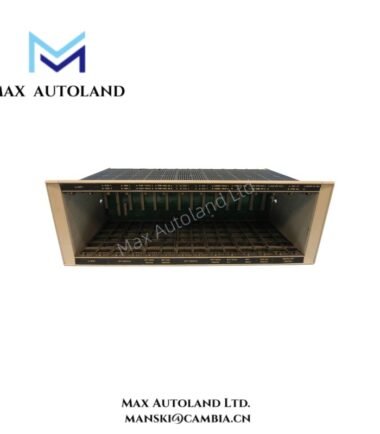
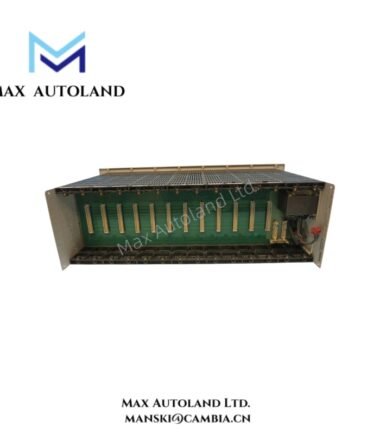
- Install the monitor inside a compatible Bently Nevada 3300 rack position according to the system configuration requirements.
- Connect proximity probe wiring using shielded cables with proper field grounding practices to reduce electrical interference.
- Verify probe polarity and signal wiring before applying system power.
- Adjust probe installation position to achieve the specified operating gap voltage range.
- Confirm the probe gap voltage before performing vibration calibration or alarm setup.
- Separate proximity probe signal cables from high-current power conductors to minimize signal noise coupling.
- Verify channel identification between X and Y vibration inputs before commissioning.
- Check relay wiring and recorder output scaling after installation.






Reviews
There are no reviews yet.