
Overview
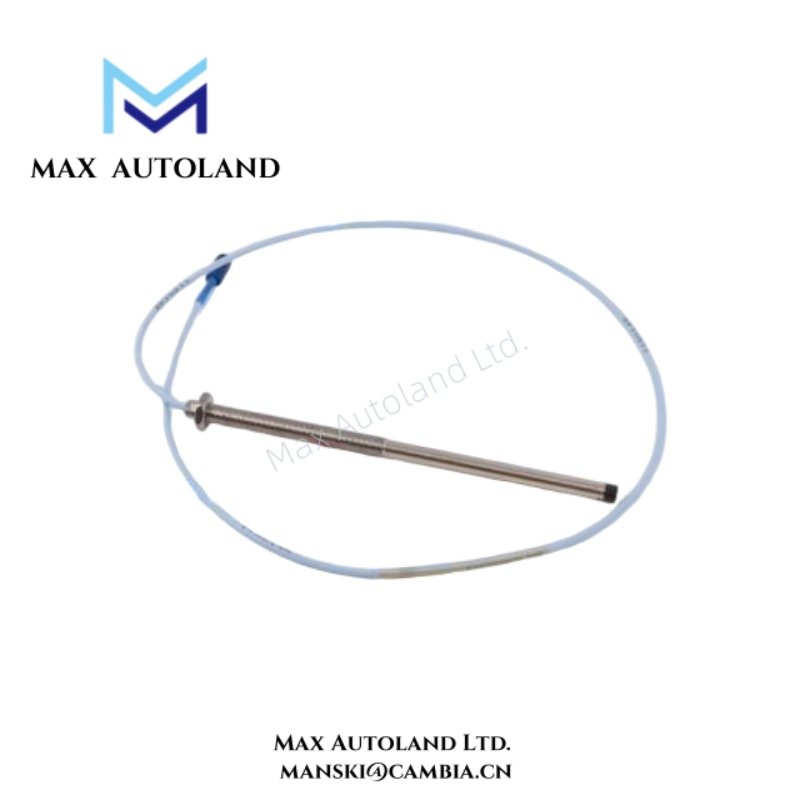
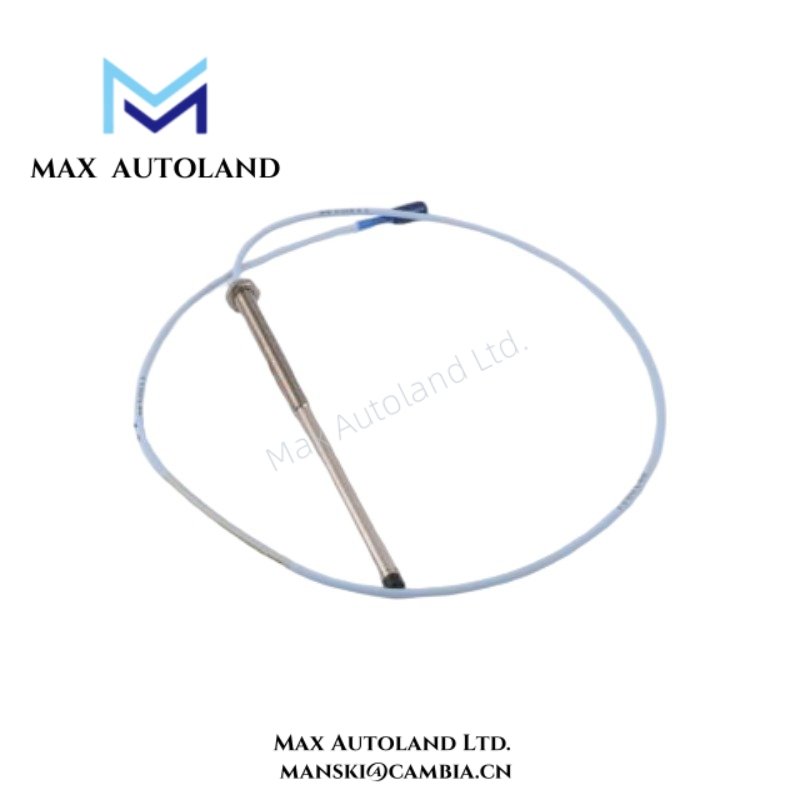
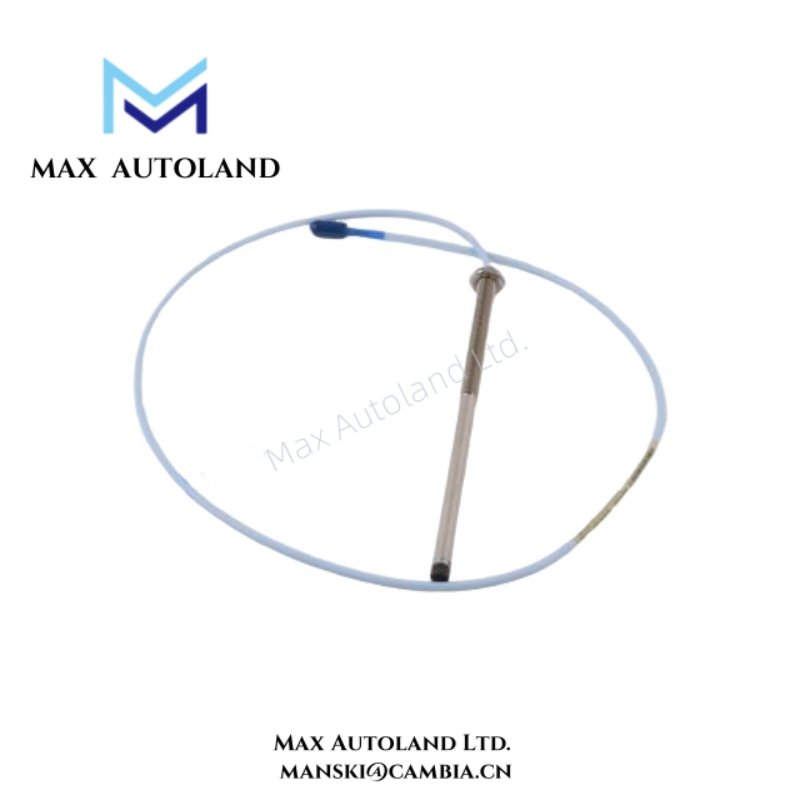
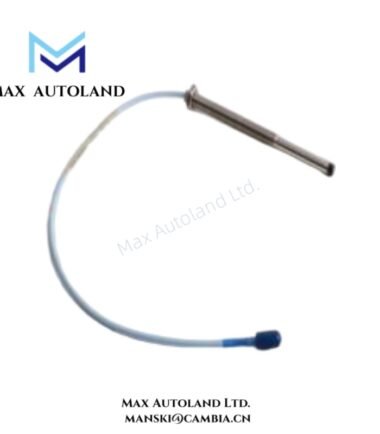
Bently Nevada 3300 XL 8 mm Proximity Transducer 330103-10-20-10-02-00 Probe
The Bently Nevada 330103-10-20-10-02-00 3300 XL 8 mm Proximity Transducer Probe delivers precise shaft vibration monitoring for critical rotating machinery systems. Industrial facilities frequently select this probe for continuous condition monitoring applications requiring dependable measurement accuracy and long-term operational stability.
The 3300 XL series combines advanced eddy current sensing technology with durable industrial-grade mechanical construction for demanding operating environments. Moreover, the probe supports reliable integration with Bently Nevada machinery protection systems used throughout power generation and process industries.
This proximity transducer probe measures shaft displacement and vibration without physical contact during machine operation. Therefore, maintenance teams can identify imbalance, misalignment, bearing degradation, and shaft instability before severe equipment failures occur.
Bently Nevada engineered the 3300 XL platform to maintain stable signal performance under challenging vibration and temperature conditions. In addition, the rugged probe assembly helps reduce maintenance frequency across high-speed rotating equipment applications.
Condition monitoring specialists commonly deploy this probe within predictive maintenance systems supporting long-term asset reliability programs. For instance, steam turbine and compressor protection systems often rely on the 3300 XL series for accurate machinery diagnostics.
Main Features
- Non-contact eddy current proximity sensing technology
- Accurate shaft vibration and displacement monitoring
- Compatible with Bently Nevada 3300 XL systems
- Rugged industrial stainless-steel probe construction
- Stable signal transmission during continuous operation
- Excellent resistance against industrial contamination
- Flexible installation for rotating machinery applications
- Supports predictive maintenance and machinery protection programs
- Reliable performance within harsh industrial environments
Specification
| Parameter | Specification |
|---|---|
| Manufacturer | Bently Nevada |
| Product Model | 330103-10-20-10-02-00 |
| Product Type | 3300 XL 8 mm Proximity Transducer Probe |
| Series | 3300 XL Series |
| Probe Diameter | 8 mm |
| Measurement Technology | Eddy Current Proximity Sensing |
| Probe Thread Type | 3/8-24 UNF |
| Connector Type | Miniature ClickLoc Connector |
| Total System Length | 1.0 Meter System Configuration |
| Probe Cable Length | 20.0 Feet |
| Probe Material | Corrosion-resistant stainless steel |
| Mounting Method | Non-contact threaded installation |
| Monitoring Functions | Shaft vibration and axial position measurement |
| System Compatibility | Bently Nevada 3300 XL Proximitor Sensors |
| Cable Construction | Industrial-grade coaxial cable |
| Environmental Resistance | Resistant to oil, dust, and industrial moisture |
| Operating Environment | Heavy industrial rotating machinery monitoring |
| Typical Equipment | Turbines, compressors, motors, generators, pumps |
| Installation Location | Bearing housings and machine casings |
| Signal Stability | Continuous industrial monitoring performance |
| Maintenance Requirement | Low-maintenance industrial sensor design |
| Application Industries | Power generation, petrochemical, oil and gas |
| System Usage | Predictive maintenance and machinery protection |
FAQ
Q1: What does the 330103-10-20-10-02-00 probe measure?
A1: The probe measures shaft vibration, displacement, and axial position using non-contact eddy current sensing technology.
Q2: Which systems support this Bently Nevada probe?
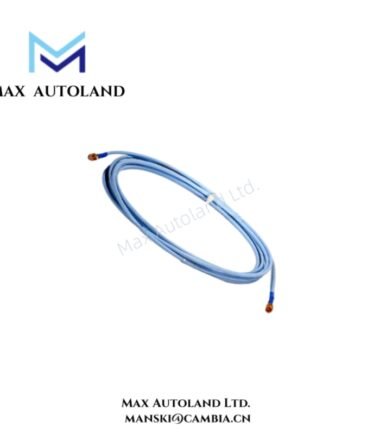
A2: The probe operates with compatible Bently Nevada 3300 XL extension cables and Proximitor sensor systems.
Q3: Where do engineers commonly install this probe?
A3: Engineers typically install the probe in turbines, compressors, motors, generators, and centrifugal pump systems.
Q4: Why is non-contact vibration monitoring important?
A4: Non-contact monitoring improves measurement reliability while preventing sensor wear during continuous machine operation.




Reviews
There are no reviews yet.