
Overview
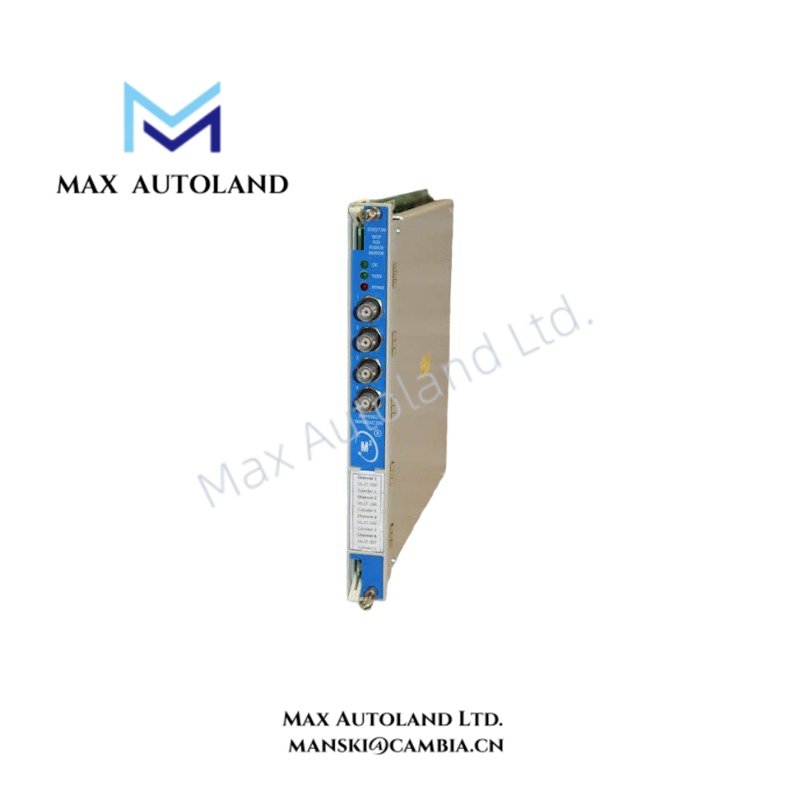
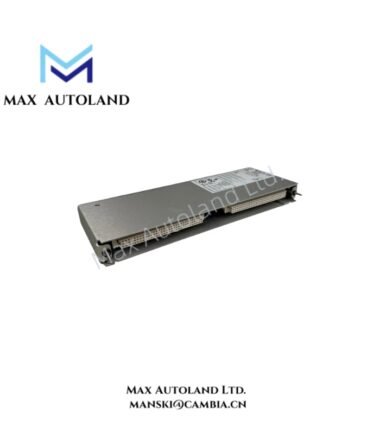
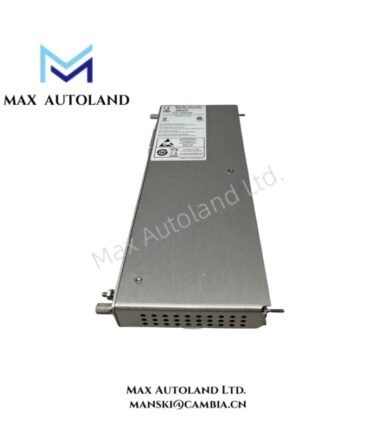
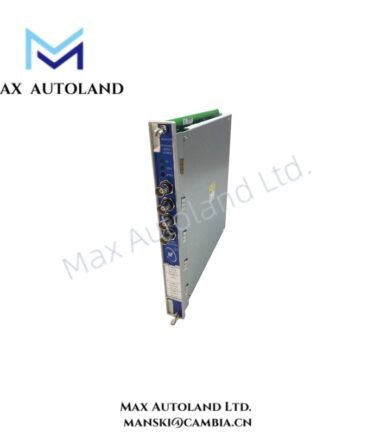
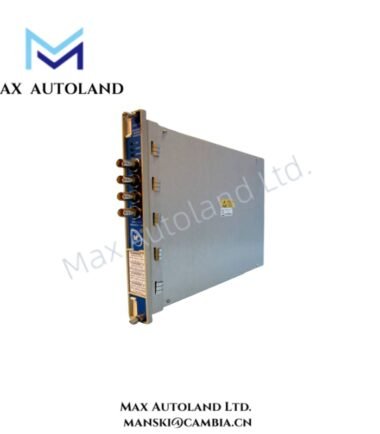
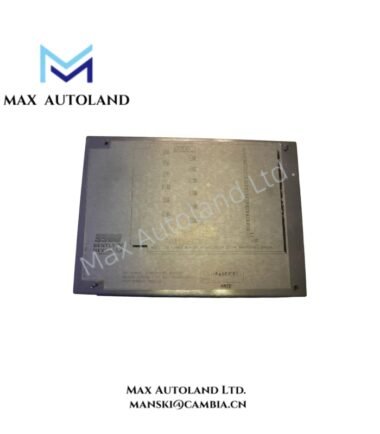
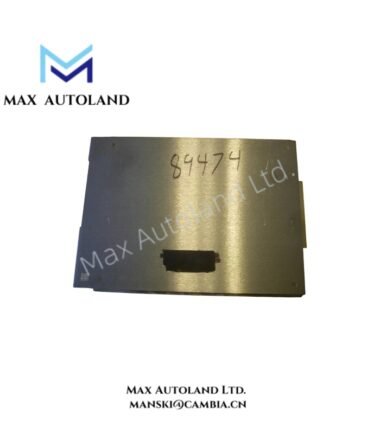
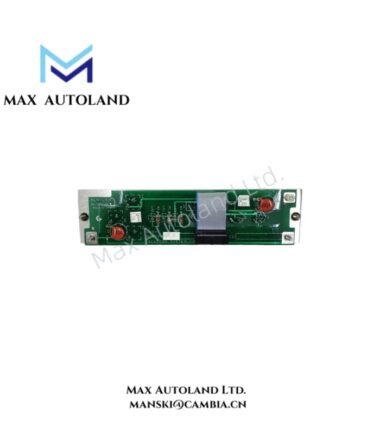
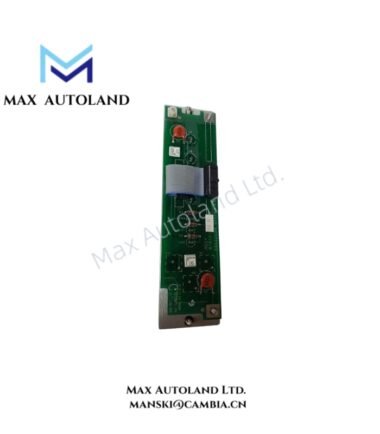
Configured for reciprocating-compressor rod position monitoring in the Bently Nevada 3500/72M system, the Bently Nevada 3500/72M 140734-08 (3500/72M reciprocating rod position monitor) conditions proximity-transducer signals and evaluates dynamic and static rod-position measurements against configured alarms.
Hardware Specifications
| Parameter | Specification |
|---|---|
| Model | 3500/72M 140734-08 |
| Brand | Bently Nevada |
| Monitoring Channels | Four channels, family-level information |
| Transducer Input | Proximity transducers, family-level information |
| Measured Quantities | Dynamic and static rod position |
| Channel Grouping | Channel pairs, up to two functions simultaneously |
| Function Choices | Rod position, rod drop, or hyper-compressor |
| Alert Assignment | Each active measured value |
| Danger Assignment | Any two active measured values |
Reciprocating Machinery Signal Processing
The 3500/72M family conditions proximity-transducer signals for reciprocating-compressor rod monitoring. It evaluates both dynamic and static measurements, then applies configured alarm thresholds.
The channel-pair arrangement determines the selected monitoring function. Therefore, rod position, rod drop, and hyper-compressor configurations should be treated as separate functional assignments rather than interchangeable settings.
For installation, verify the installed transducer type, channel-pair configuration, alarm assignments, and system configuration against the applicable Bently Nevada documentation. The supplied 140734-08 identifier is retained as the listed spare model; the provided reference does not establish it as a distinct board option, assembly, or revision.
Frequently Asked Questions
Q: What transducer type does the 3500/72M family accept?
A: The supplied documentation identifies proximity transducers as the family input type. The specific transducer model and electrical limits require verification before installation.
Q: Can one configuration provide rod position, rod drop, and hyper-compressor functions simultaneously on every channel?
A: No such universal configuration is established by the supplied data. Channel-pair programming determines the selected functions, so the actual configuration must be verified for the installed monitor.
Q: What alarm assignments are documented for the family?
A: The family information assigns an Alert to each active measured value and allows any two active measured values to receive Danger assignments.
Field Installation Guidelines
- Verify the complete identification of the installed 3500/72M 140734-08 before wiring or replacement.
- Confirm the applicable proximity-transducer model, probe wiring, and signal conditioning requirements from controlled documentation.
- Route transducer wiring separately from high-current switching conductors to reduce electromagnetic interference.
- Maintain the intended cable shielding and grounding arrangement specified for the monitoring system.
- Confirm channel-pair programming before commissioning. Do not assume that a rod-position configuration matches a rod-drop or hyper-compressor configuration.
- Verify Alert and Danger assignments against the approved machinery protection logic before placing the monitor into service.
- Validate the static and dynamic rod-position signals after installation and compare the measured behavior with the configured monitoring function.
- Do not infer board-specific temperature, power, dimensions, weight, or electrical limits from family-level information.


Reviews
There are no reviews yet.