
Overview
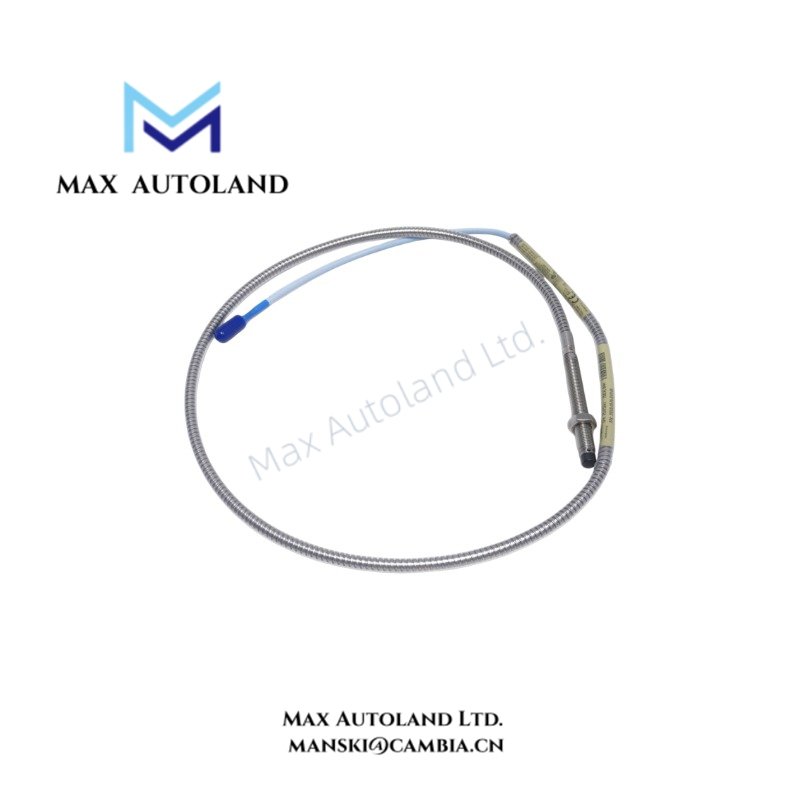
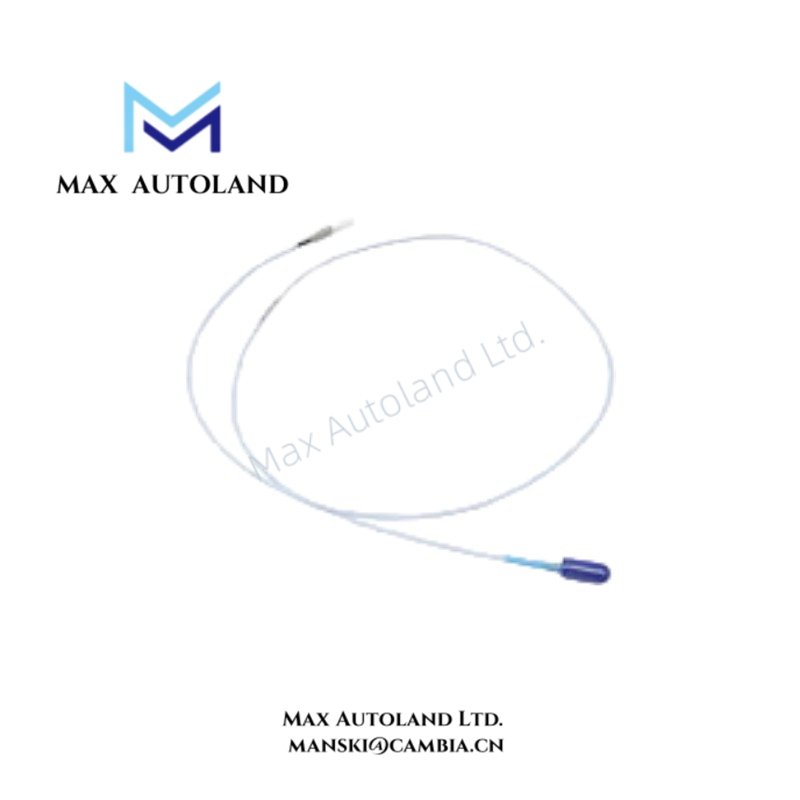
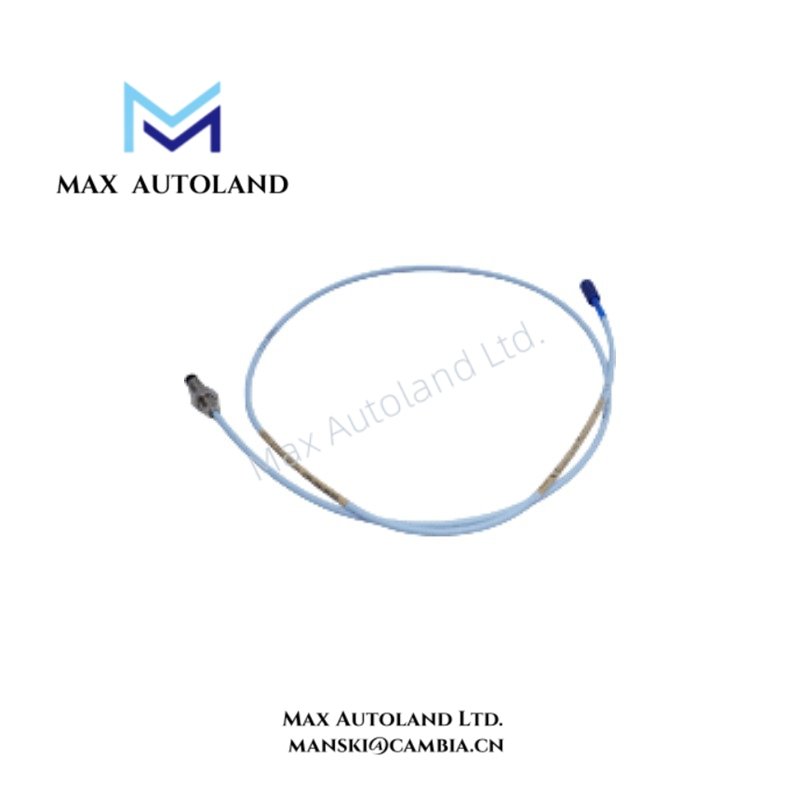
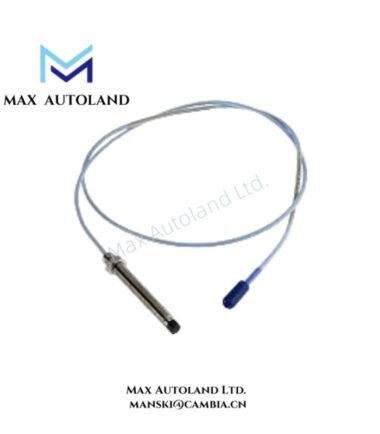
The Bently Nevada 330103-08-13-10-02-CN, also cataloged as the 330103 3300 XL 8 mm Proximity Probe, operates as a non-contact eddy-current sensing component for measuring shaft position and vibration within a Bently Nevada proximity transducer system. The probe uses an 8 mm sensing tip, stainless steel case, and miniature coaxial ClickLoc connector with standard cable.
Hardware Specifications
| Parameter | Specification |
|---|---|
| Model | 330103-08-13-10-02-CN |
| Base Model | 330103 |
| Brand | Bently Nevada |
| Series | 3300 XL 8 mm Proximity Probes |
| Product Type | Proximity Probe |
| Origin | U.S.A. |
| Weight | 0.323 kg |
| Unthreaded Length | 80 mm |
| Overall Case Length | 130 mm |
| Total Cable Length | 1.0 m (3.3 ft) |
| Connector | Miniature coaxial ClickLoc connector |
| Cable Type | Standard cable |
| Probe Tip Material | Polyphenylene sulfide (PPS) |
| Probe Case Material | AISI 303 or 304 stainless steel |
| Probe Sealing Material | Viton O-ring |
| Pressure Design | Seals differential pressure between probe tip and case |
| Agency Approval | CN, country-specific approvals |
| Power Consumption | Passive sensing element; no separate power consumption specified |
| Dimensions | 130 mm overall case length; other dimensions not specified in the supplied data |
Eddy-Current Probe Scaling and Gap Voltage
The 330103-08-13-10-02-CN functions as the sensing element in an eddy-current proximity measurement chain. The probe establishes an electromagnetic field at its PPS sensing tip and responds to changes in the distance between the probe tip and a conductive machine target.
The probe itself does not provide an independent measurement display or power supply. Instead, the associated proximity transducer interface supplies the excitation and converts the probe response into an electrical signal for monitoring.
During commissioning, technicians can validate the probe gap and transducer output against the expected system reference. Bently Nevada proximity systems commonly use a negative DC gap-voltage reference, with -10 VDC used as a recognized target in certain setup and validation procedures. The exact target depends on the applicable transducer system and installation requirements.
The 330103 probe uses a stainless steel case and a Viton O-ring to maintain the specified probe sealing arrangement. The manufacturer states that probes are not pressure tested before shipment. If an application requires pressure-seal testing, the custom design department should evaluate the requirement.
Frequently Asked Questions
Q: What does the 08-13-10-02-CN configuration specify?
A: The supplied configuration data identifies 08 as an 80 mm unthreaded length, 13 as a 130 mm overall case length, 10 as a 1.0 m total length, and 02 as a miniature coaxial ClickLoc connector with standard cable. CN identifies country-specific approval configuration.
Q: Does the probe require an external power supply?
A: The probe operates as the sensing element of an eddy-current transducer system. The supplied data does not specify independent power consumption for the probe.
Q: Can the probe sealing system be pressure tested before installation?
A: The supplied data states that probes are not pressure tested before shipment. Applications requiring pressure-seal testing should be evaluated through the manufacturer’s custom design process.
Field Installation Guidelines
Install the probe according to the applicable 3300 XL installation documentation and the mechanical requirements of the monitored machine.
- Mount the probe so the sensing tip faces the conductive shaft or target surface at the required measurement location.
- Maintain the specified probe-to-target gap required by the associated transducer system.
- Avoid mechanical contact between the probe tip and the rotating target.
- Route the coaxial cable away from high-current power conductors and strong electromagnetic interference sources where practical.
- Protect the cable from excessive bending, abrasion, crushing, and mechanical vibration.
- Connect the miniature coaxial ClickLoc connector fully and verify mechanical engagement before commissioning.
- Keep the probe case and mounting arrangement free from contamination that could affect mechanical seating.
- During commissioning, verify the probe output and gap voltage using the compatible Bently Nevada transducer interface and applicable system documentation.
- Confirm the country-specific CN approval requirements before installation where agency approval applies.
- For applications involving differential pressure across the probe seal, verify that the actual process conditions match the approved installation requirements.


Reviews
There are no reviews yet.