
Overview
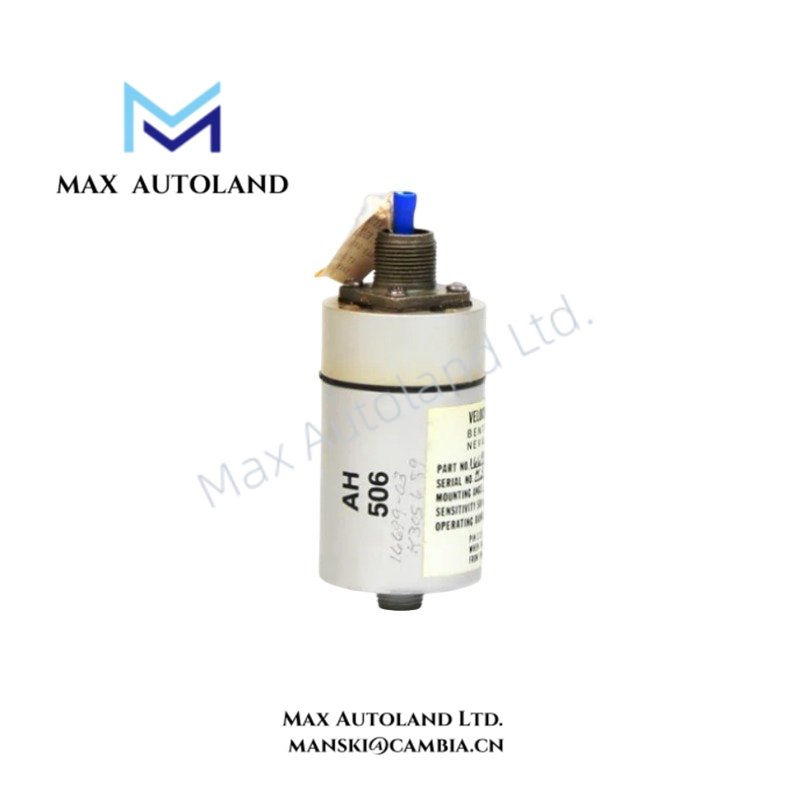
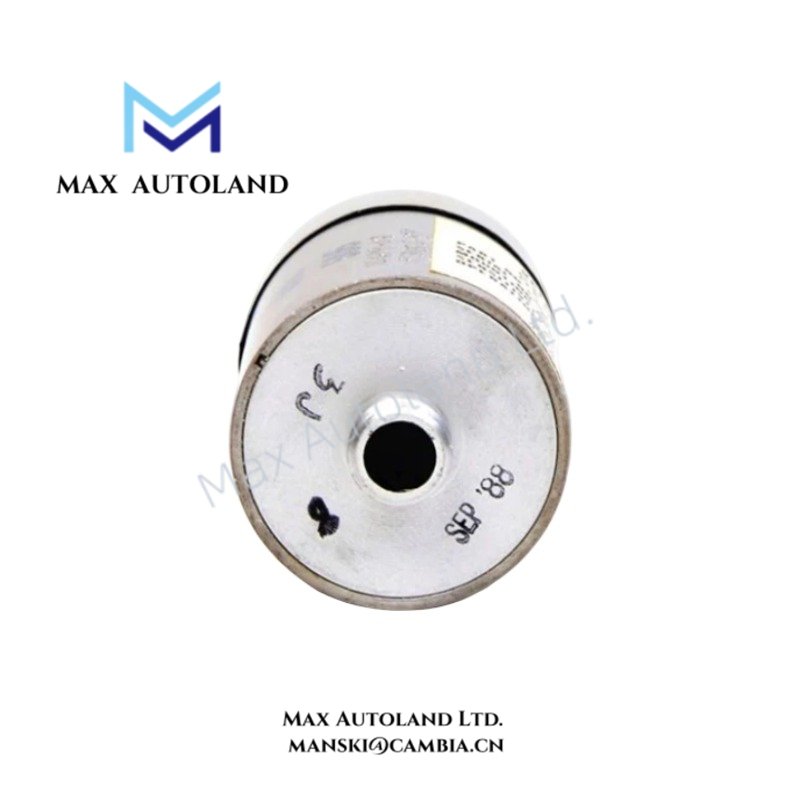
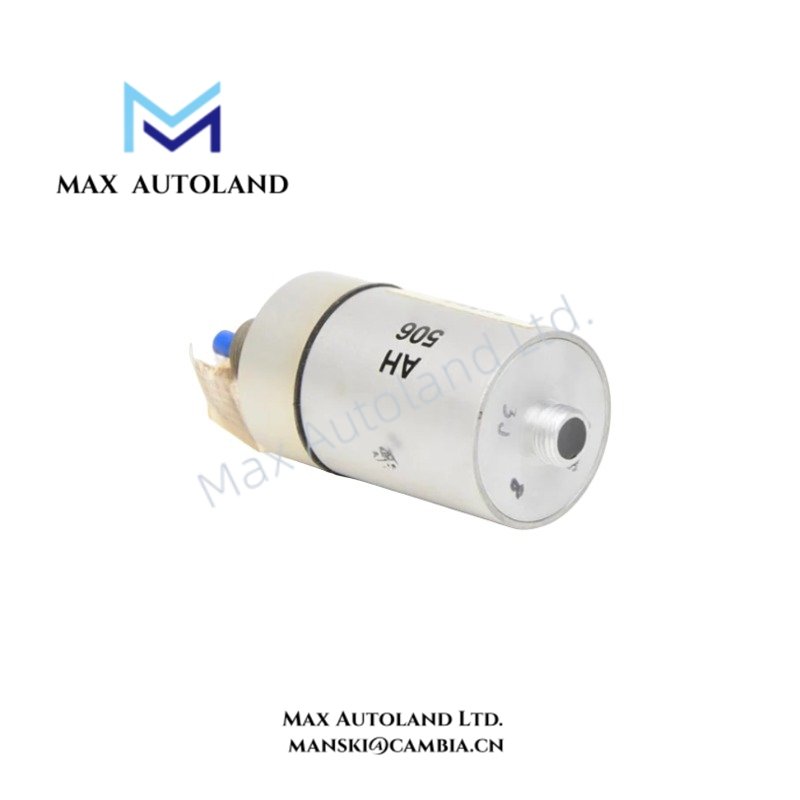
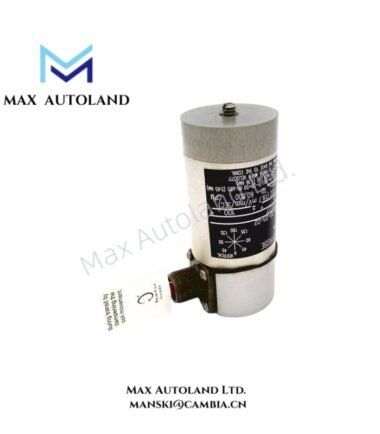
The Bently Nevada 16699-01-02-02, also cataloged as the 16699 Velocity Seismoprobe, converts mechanical casing vibration into an electrical signal proportional to vibration velocity for continuous machinery vibration measurement. The device uses physical casing motion as the measurement input and provides a velocity-based output for machinery monitoring systems.
Hardware Specifications
| Parameter | Specification |
|---|---|
| Model | 16699-01-02-02 |
| Brand | Bently Nevada |
| Product Type | Velocity Seismoprobe / Vibration Transducer |
| Sensitivity | 500 mV/in/sec (19.7 mV/mm/sec) |
| Measurement Principle | Casing vibration velocity measurement |
| Output Signal | Proportional to vibration velocity |
| Minimum Operating Frequency Range | 270 to 900 RPM, depending on configuration and application |
| Mounting Options | Circular or flanged mounting bases |
| Configuration Options | Top, side, or terminal block configurations |
| Housing | Ruggedized industrial metal housing with corrosion-resistant construction |
| Primary Measurement | Absolute casing vibration |
Bently Nevada Mechanical Monitoring Characteristics
The 16699-01-02-02 measures casing motion directly rather than measuring shaft displacement through an eddy-current probe. The resulting velocity signal represents mechanical vibration at the sensor mounting location.
For rotating equipment, the measured velocity provides a direct parameter for evaluating rotor dynamics and structural vibration behavior. Sensor mounting therefore affects the mechanical transmission path between the machine casing and the transducer.
The 500 mV/in/sec sensitivity defines the nominal electrical response to vibration velocity. The specified metric equivalent is 19.7 mV/mm/sec. Monitoring-system input scaling should match the installed sensor sensitivity and the configured engineering units.
The Seismoprobe can be installed with circular or flanged mounting arrangements. Top, side, and terminal block configurations provide different mechanical and electrical connection arrangements. The selected configuration must match the available mounting surface and wiring route.
Frequently Asked Questions
Q: What physical parameter does the 16699-01-02-02 measure?
A: It measures absolute casing vibration as a velocity signal. The electrical output is proportional to the mechanical vibration velocity at the mounting location.
Q: What is the sensitivity of the 16699-01-02-02?
A: The supplied specification lists a sensitivity of 500 mV/in/sec, equivalent to 19.7 mV/mm/sec.
Q: Does the supplied data specify the operating temperature and power consumption?
A: No. The supplied data does not provide specific operating-temperature or power-consumption values. These values should be confirmed from the applicable Bently Nevada documentation before system design or installation.
Field Installation Guidelines
Mount the Seismoprobe on a mechanically rigid surface that represents the casing or bearing-housing vibration being measured. Avoid flexible brackets or mounting arrangements that can introduce mechanical resonance into the measurement path.
Keep the mounting surface clean and free from loose material. Ensure that the selected circular or flanged mounting arrangement sits firmly against the prepared surface.
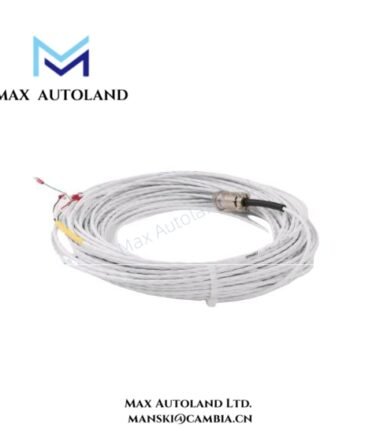
Route the sensor wiring separately from high-current power conductors where practical. Avoid unnecessary cable loops and sharp bends. Protect the cable from mechanical abrasion, excessive movement, and contact with hot surfaces.
Connect the signal wiring according to the applicable Bently Nevada installation documentation and the receiving monitor input requirements. Maintain the required signal polarity and shielding arrangement.
Terminate cable shielding according to the plant instrumentation grounding practice and the applicable system documentation. Avoid creating unintended ground loops through multiple shield termination points unless the system design explicitly requires them.
Before commissioning, verify the sensor mounting condition, cable continuity, signal polarity, monitor scaling, and configured engineering units. Confirm that the measured vibration response corresponds to the physical operating condition of the monitored machine.








Reviews
There are no reviews yet.