
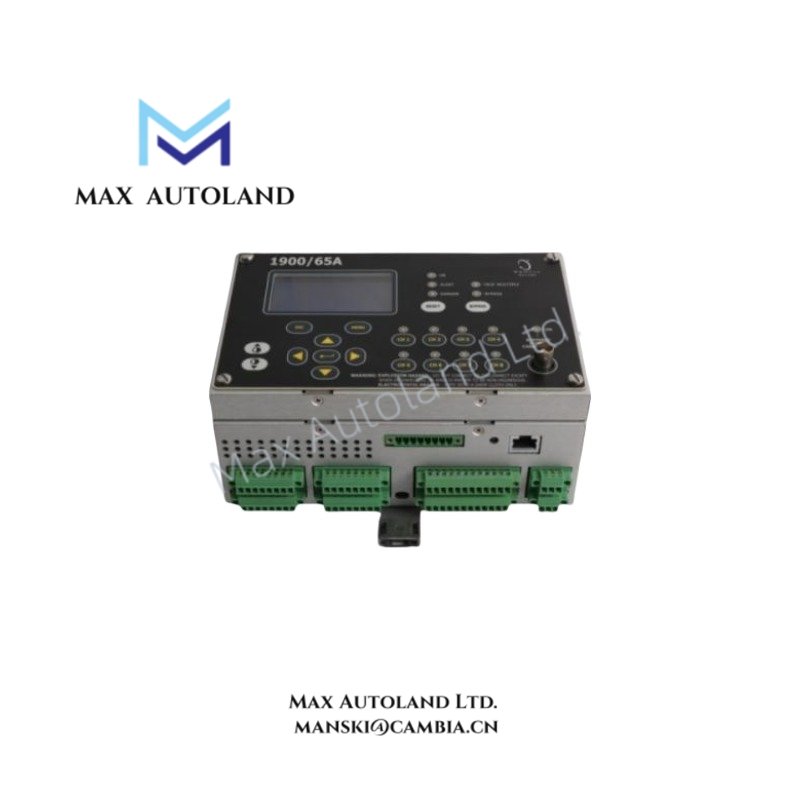
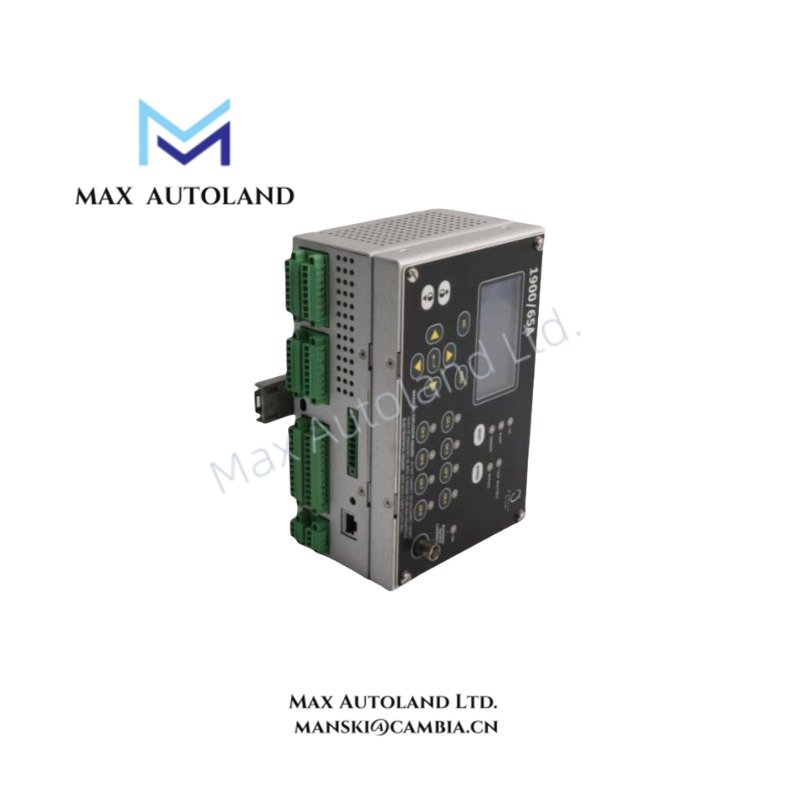
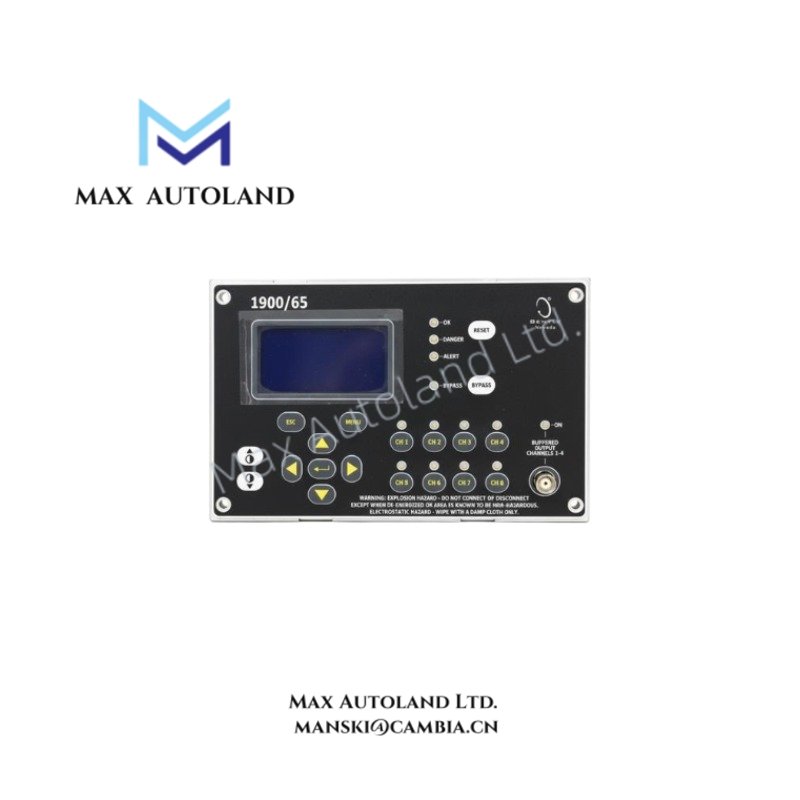

Overview
Hardware Specifications
| Parameter | Specification |
|---|---|
| ModelBrand | Generic 167699-01 |
| Weight | 0.85 lbs |
| Product Type | Operator Interface Terminal (OIT) |
| Interface Type | Touch screen HMI panel (embedded) |
| Category | HMI / MMI / OIT Keypad/Keyboard |
HMI Signal Acquisition and Interface Execution Layer
The 167699-01 HMI module implements a front-end operator interaction layer using touch-based input scanning and display refresh coordination. The interface logic typically relies on matrix-driven touch detection circuitry combined with internal controller polling cycles for screen update synchronization. Communication pathways are generally designed to interface with external PLC or control processors through serial or Ethernet-based protocol stacks depending on system configuration.
Frequently Asked Questions
Q: Does the 167699-01 support hot-swap replacement in live control systems?
A: No validated hot-swap specification is provided. Replacement should be performed under de-energized panel conditions to prevent touch controller bus corruption or display initialization faults.
Q: What type of communication backplane does this module use?
A: The interface architecture is typically dependent on system integration and may involve serial or Ethernet communication layers; exact deterministic protocol support is not specified.
Q: Is firmware upgrade behavior defined for this model?
A: Firmware upgrade capability is not documented in the provided data. Compatibility must be verified at system controller level before any flashing operation.
Field Installation Guidelines
The module shall be installed within a grounded industrial control enclosure with proper shielding continuity between panel frame and cabinet earth reference. Maintain separation between low-voltage signal lines and power conductors to reduce EMI coupling into the touch sensing matrix. Cable routing should avoid sharp bends and high-frequency switching equipment proximity. Ensure connector seating integrity before energizing the system to prevent transient interface faults.







Reviews
There are no reviews yet.