
Overview
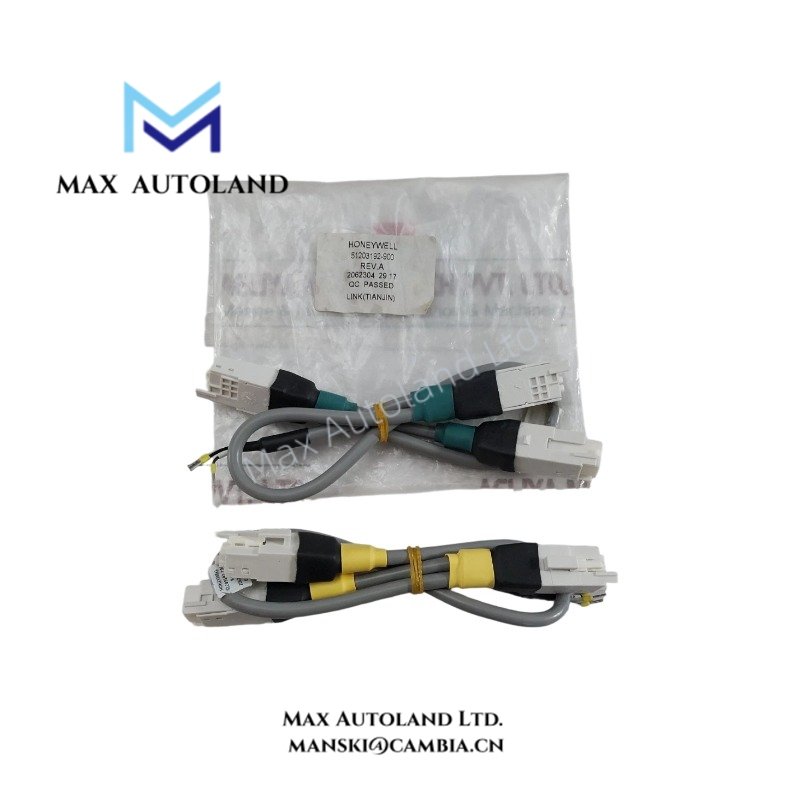
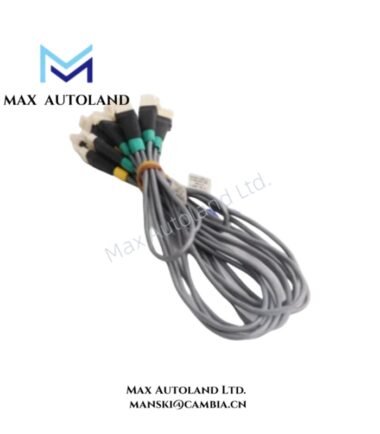
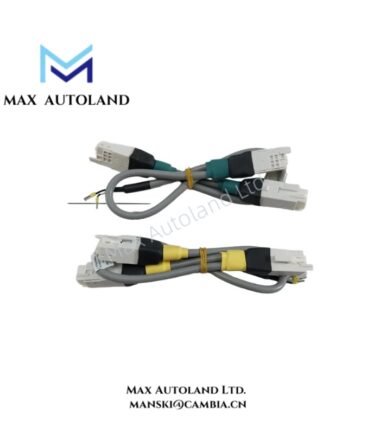
The Honeywell 51203192-200, also cataloged as the 51203192-200 Fiber Optic Extender Cable, operates as a dedicated hardware component for fiber-optic communication and signal extension within Honeywell Series C MTL control systems. Utilizing optical signal transmission rather than conventional copper conductors, the assembly prevents electrical noise coupling across extended distributed control system nodes. By routing data streams through dedicated optical pathways, the interface mitigates ground loop potentials and protects signal integrity against electromagnetic interference present in heavy industrial plant environments.
Suffix Breakdown & Model Matrix
| Suffix Identifier | Structural Configuration | Target System Architecture |
|---|---|---|
| 51203192-200 | Standard Fiber Optic Extender Cable Assembly | Honeywell Series C MTL Control Systems |
Hardware Specifications
| Parameter | Specification |
|---|---|
| Model | 51203192-200 |
| Brand | Honeywell |
| Origin | USA |
| Weight | Approximately 0.2 kg |
| Dimensions | Unverified / Standard factory assembly dimensions |
| Operating Temp | Industrial grade operating limits (verify against system manual) |
| Power Consumption | Passive optical transmission component (0 W active draw) |
| Product Type | Fiber Optic Extender Cable |
| Product Category | Industrial Communication Cable |
| Compatible System | Honeywell Series C MTL |
| Transmission Medium | Optical fiber |
| Signal Type | Optical |
| EMI Susceptibility | Resistant to electromagnetic interference |
| Connector Type | Fiber-optic connector (verify specific mating interface) |
| Condition | Brand New Original Stock |
Channel-to-Channel Isolation and DCS Integration
Operating within Honeywell Series C MTL platforms, the assembly maintains physical signal separation between interconnected processing nodes. Because optical transmission relies on photons instead of electron flow, the interface eliminates conductive pathways, thereby preventing common-mode voltage transfer between remote instrumentation cabinets. Furthermore, channel-to-channel isolation safeguards sensitive controller transceivers against transient voltage surges originating from field-mounted actuators or high-power switching gear.
Frequently Asked Questions
Q: What is the primary function of the Honeywell 51203192-200 in a distributed control system?
A: It provides physical fiber-optic communication extension between compatible Honeywell Series C MTL control system components, utilizing light signals to bypass copper wiring limitations.
Q: Does the cable assembly require external power input during operation?
A: No, the assembly functions as a passive optical transmission link and draws zero active power from the control system backplane.
Q: How does optical transmission protect system communications against electrical noise?
A: By converting electrical data streams into optical pulses, the cable remains immune to electromagnetic interference and high-voltage inductive coupling commonly found in industrial plants.
Field Installation Guidelines
Ensure power to the connected system components is isolated before handling communication cables. Inspect the optical connector ferrules for particulate contamination prior to mating, and clean them using approved optical grade cleaning swabs if necessary. Secure the cable along designated industrial cable trays, adhering to minimum bend radius restrictions to prevent fiber fracture or signal attenuation. Avoid excessive mechanical tension during pulling and fastening procedures.
Reviews
There are no reviews yet.