
Overview
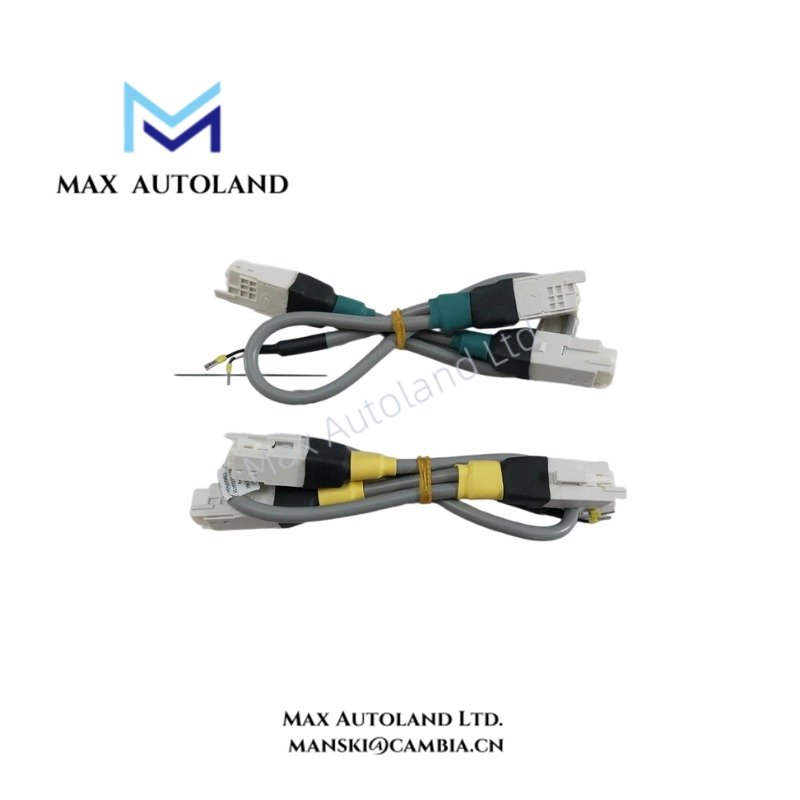
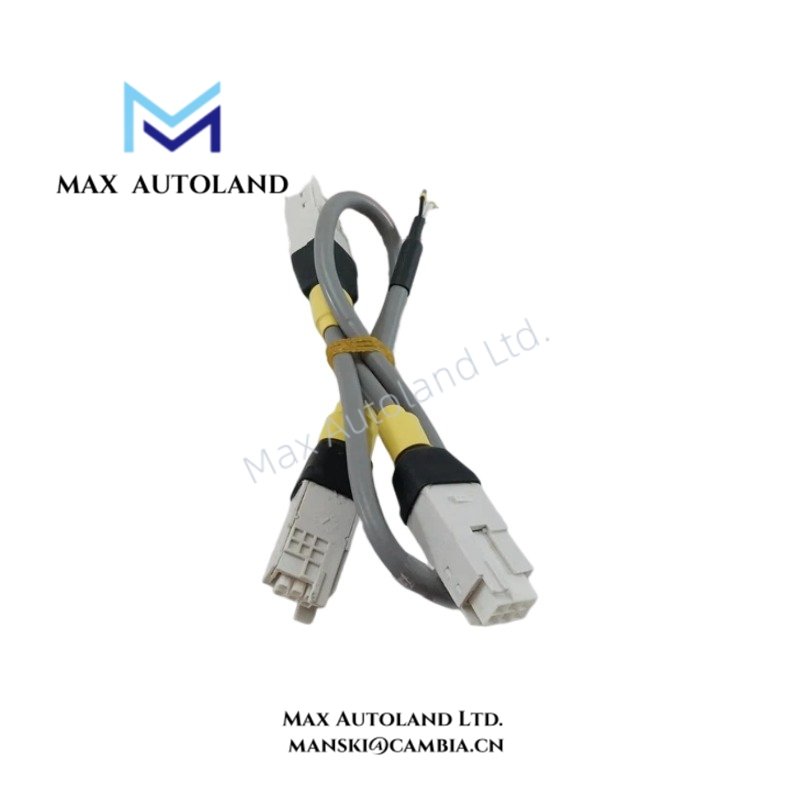
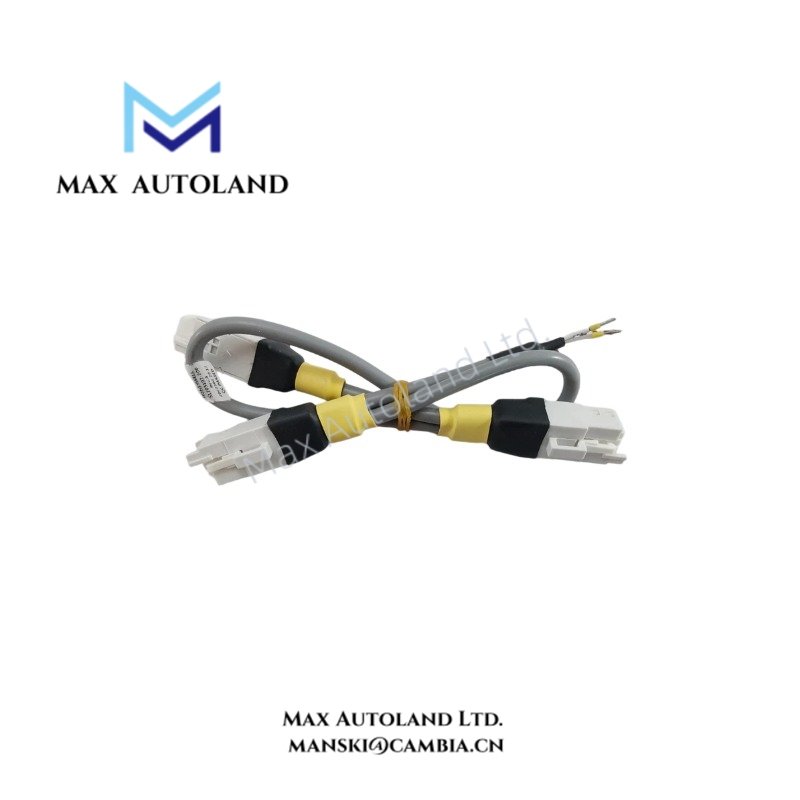
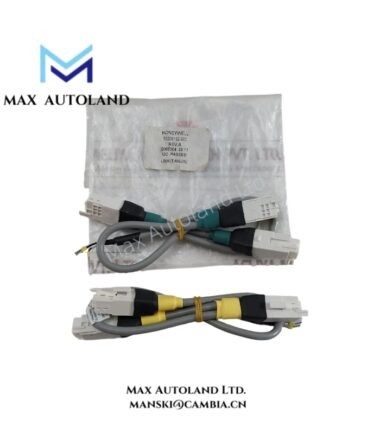
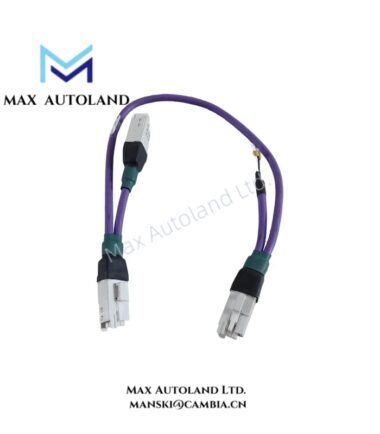
Configured for optical communication extension in Honeywell Series C MTL platforms, the Honeywell 51203192-201 (51203192-201 Fiber Optic Extender Cable) provides direct physical signal transmission.
Hardware Specifications
| Parameter | Specification |
|---|---|
| Model | 51203192-201 |
| Brand | Honeywell |
| Origin | Verify with supplier |
| Power Consumption | Passive optical medium |
| Product Type | Fiber Optic Extender Cable |
| Application | Fiber Optic Communication |
| System Association | Honeywell Series C MTL |
| Signal Transmission | Optical Signals |
| EMI Immunity | Immune to electromagnetic interference |
| Condition | Brand New Original Stock |
Channel-to-Channel Isolation and DCS Signal Integrity
Furthermore, the fiber optic extender cable provides galvanic and optical isolation across distributed control system architectures. By leveraging light-based transmission instead of traditional copper conductors, the assembly eliminates ground loops and prevents electromagnetic interference (EMI) degradation in electrically noisy industrial environments. Moreover, it maintains stable signal integrity across extended transmission distances within Series C MTL configurations.
Frequently Asked Questions
Q: Does this fiber optic extender cable require external power supply connections?
A: No. The cable functions as a passive optical transmission medium and does not draw power from the system backplane or external sources.
Q: How does this assembly prevent data corruption in high-EMI environments?
A: By utilizing optical signal transmission rather than electrical current, the cable completely avoids electromagnetic interference generated by nearby heavy-duty industrial drives and transformers.
Field Installation Guidelines
- Verify optical connector cleanliness and inspect ferrule ends for debris before mating components.
- Route the fiber optic cable away from sharp edges and heavy mechanical stress areas to maintain minimum bend radius tolerances.
- Secure connector retention mechanisms firmly to prevent intermittent optical signal loss during vibration events.
- Confirm that compatible system interface modules match the required optical wavelength and transceiver specifications prior to system startup.

Reviews
There are no reviews yet.