

Overview
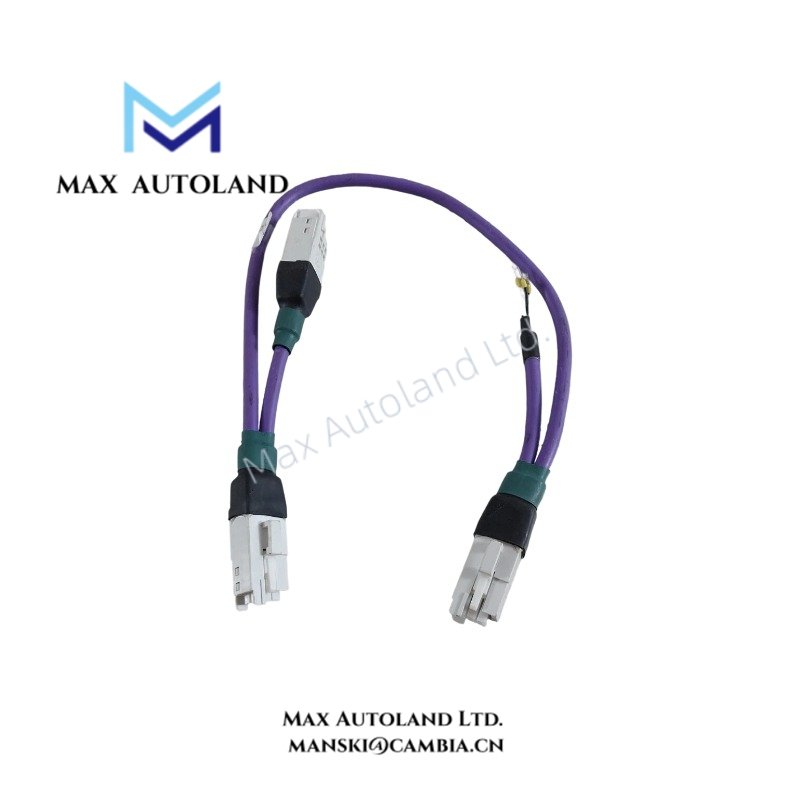
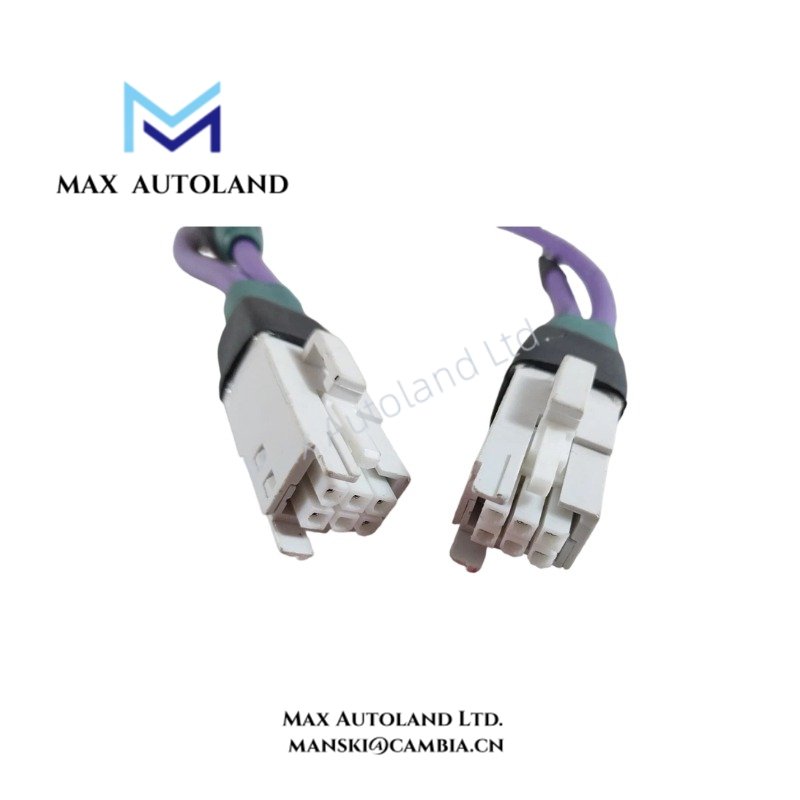
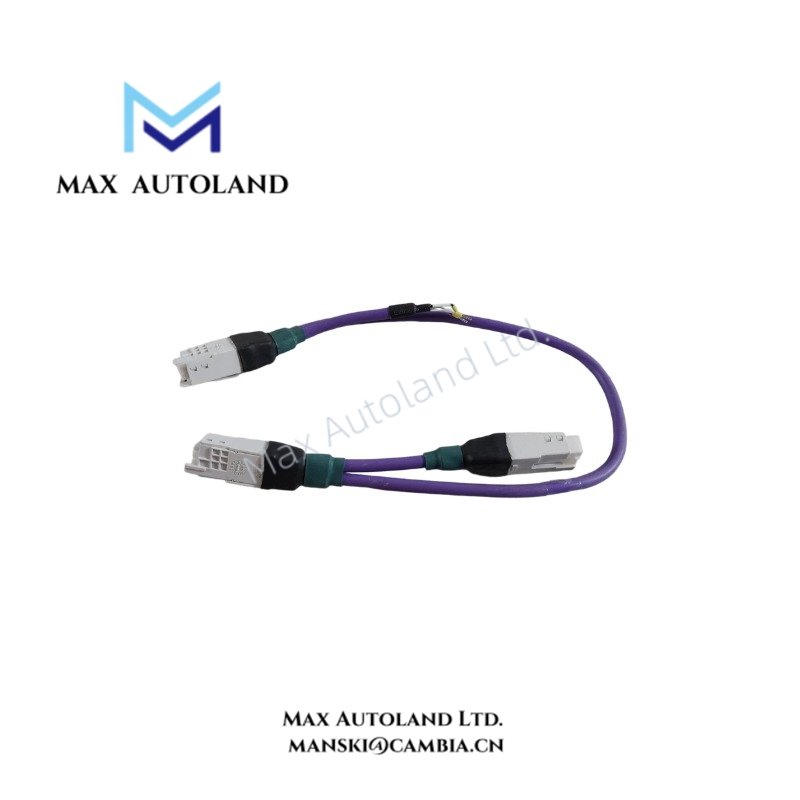
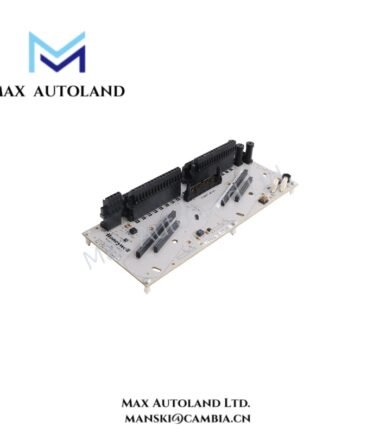
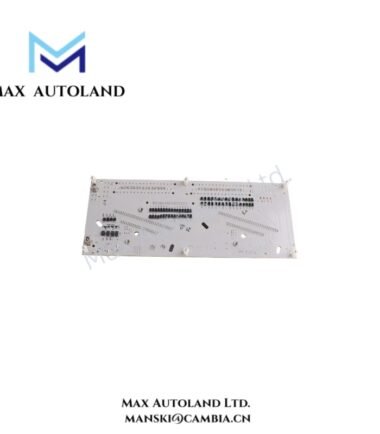
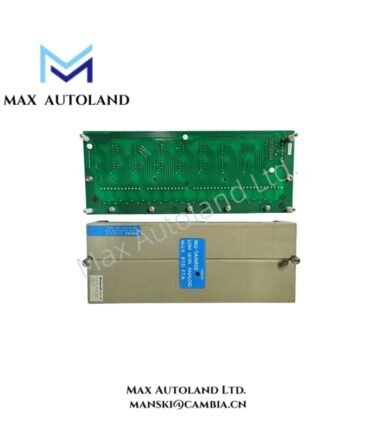
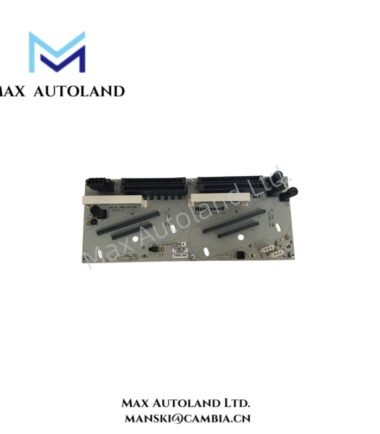
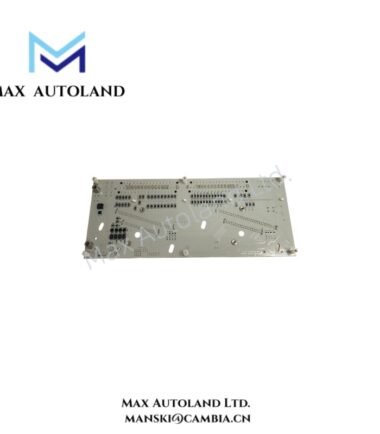
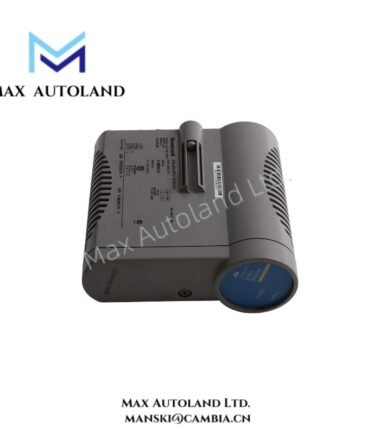
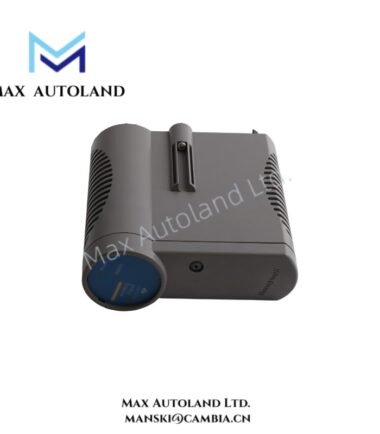
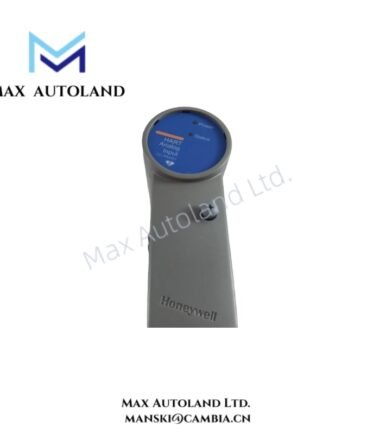
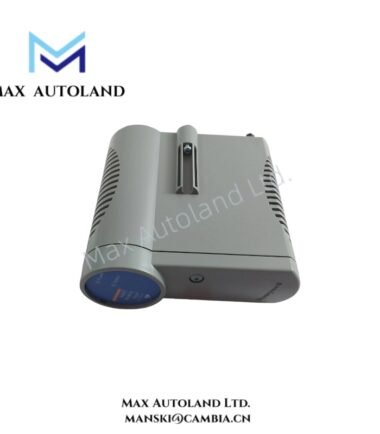
Configured for optical data transmission in Honeywell Automation Systems, the Honeywell 51203192-211 (51203192-211 Fiber Optic Cable) provides direct physical signal execution.
Hardware Specifications
| Parameter | Specification |
|---|---|
| Model | 51203192-211 |
| Brand | Honeywell |
| Origin | USA (supplier-reported) |
| Weight | Approximately 249 g (supplier-reported) |
| Dimensions | Not verified (requires physical inspection) |
| Operating Temp | Not verified (confirm via technical manual) |
| Power Consumption | Passive optical component (0 W active draw) |
| Transmission Medium | Optical Fiber |
| Signal Type | Optical Signal |
| EMI Resistance | Resistant to Electromagnetic Interference |
Channel-to-Channel Isolation & Loop Protocol
Operating entirely through optical transmission principles, the cable prevents electrical signal coupling across network links. By utilizing light signals instead of traditional copper conductors, the architecture inherently rejects electromagnetic interference (EMI) generated by nearby power electronics, switchgear, and heavy industrial machinery. Consequently, this transmission medium maintains signal integrity across distributed control nodes, supporting continuous data exchange within complex process control environments without inducing ground loops or voltage surges.
Frequently Asked Questions
Q: Does the 51203192-211 cable support hot-swapping within active Honeywell automation nodes?
A: Yes, optical cable connections can be uncoupled or recoupled during system operation, provided the connected transceiver modules support hot-plugging capabilities and proper link re-establishment procedures are followed.
Q: What specific considerations apply regarding signal degradation over long runs?
A: Because optical fiber attenuation depends heavily on operating wavelength and connector cleanliness, technicians must inspect optical interfaces for contamination prior to installation to prevent insertion loss.
Field Installation Guidelines
- Verify the part number and existing connector configuration against legacy documentation before initiating replacement.
- Route the fiber optic cable away from sharp edges, mechanical pinch points, and high-vibration machinery to protect the internal glass or plastic core.
- Observe strict minimum bend radius limitations specified for optical cables to prevent micro-bending and excessive optical signal attenuation.
- Secure the cable connectors firmly into compatible Honeywell interface ports, ensuring optical mating surfaces remain free from dust, oil, and particulate contamination.


Reviews
There are no reviews yet.