Overview
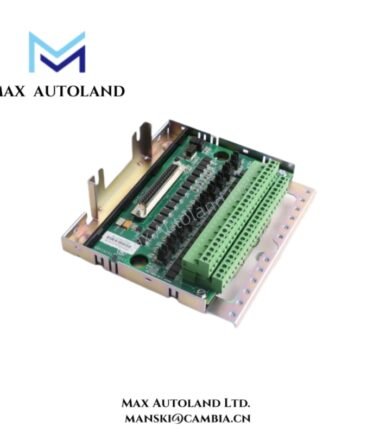
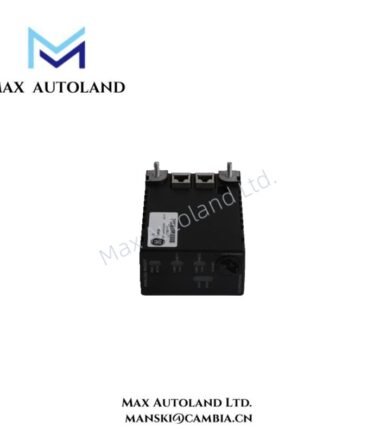
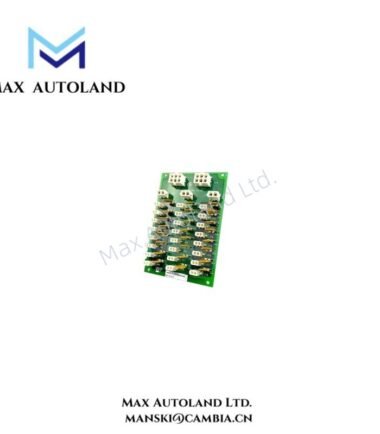
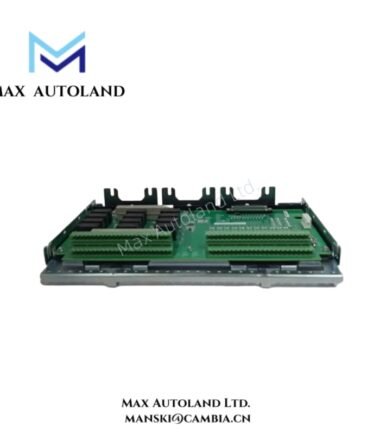
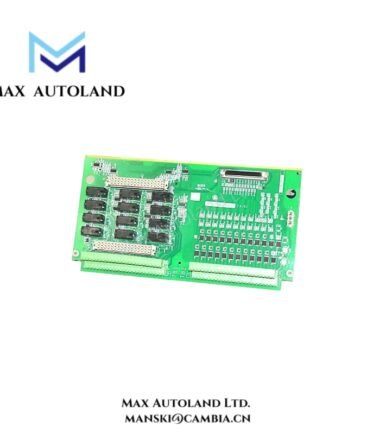
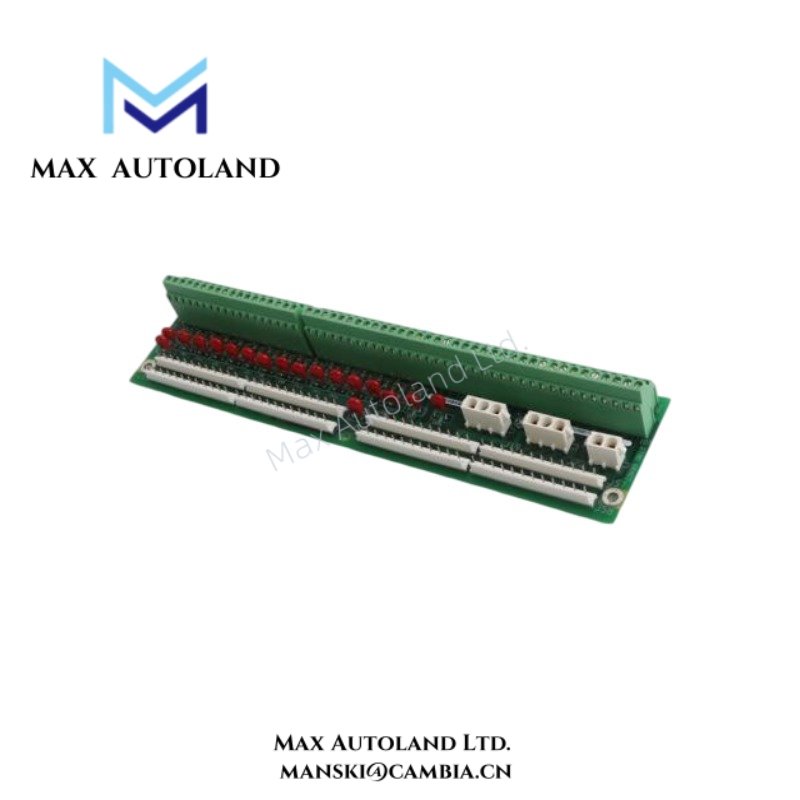
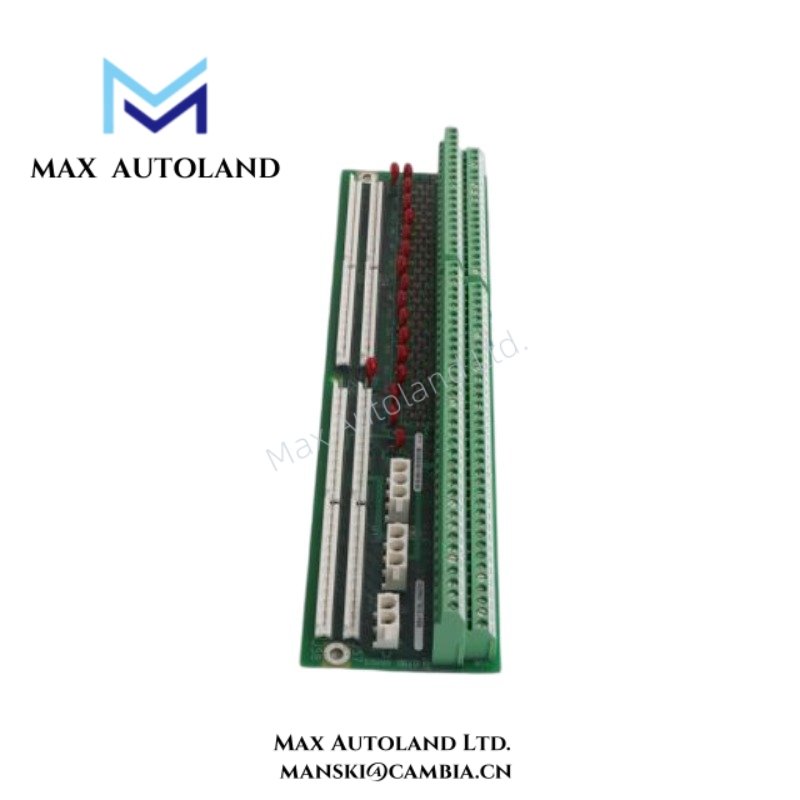
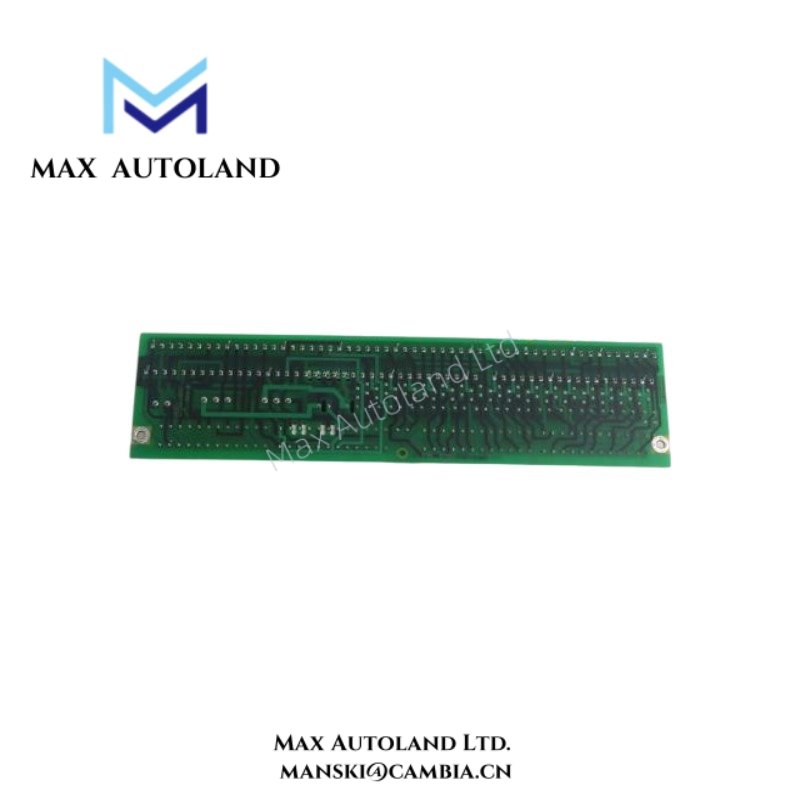
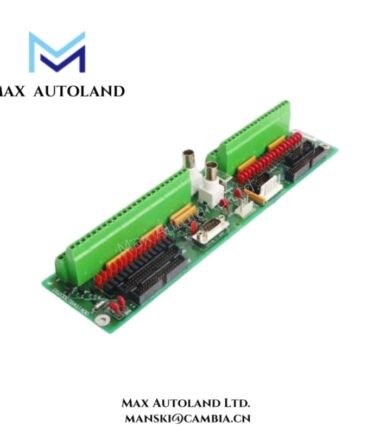
The DS200DTBDG1A contact output expansion termination module provides reliable output signal distribution for GE Mark V turbine control systems. Engineers commonly deploy this module in industrial automation environments requiring stable contact output management and precise actuator control.
This termination board manages multiple contact output signals from turbine control processors and distributes them to field devices and external control circuits. Moreover, it ensures consistent switching performance by maintaining stable signal routing under continuous industrial operating conditions.
GE designed the DS200DTBDG1A for harsh industrial environments where vibration, temperature fluctuation, and electrical noise can affect output reliability. Therefore, it is widely used in power generation systems and turbine control applications requiring long-term operational stability.
The board integrates efficiently within GE Mark V architectures and supports structured contact output expansion across multiple control channels. In addition, its organized terminal layout simplifies wiring installation and reduces maintenance effort during system servicing.
Industrial operators rely on this module because accurate contact output control directly affects turbine sequencing and system execution reliability. For instance, stable output signals help ensure correct actuator response and safe operational transitions during load changes.
Functional Highlights
- Supports contact output expansion and termination functions
- Designed for GE Mark V turbine control systems
- Ensures stable switching and output signal distribution
- Improves coordination between control logic and field devices
- Supports continuous industrial turbine operation
- Reduces wiring complexity and improves cabinet organization
- Enhances system response accuracy and reliability
- Suitable for harsh industrial environments
Specification
| Parameter | Specification |
|---|---|
| Product Model | DS200DTBDG1A |
| Manufacturer | GE Boards & Turbine Control |
| Product Type | Contact Output Expansion Termination Module |
| Series Compatibility | GE Mark V Turbine Control System |
| Primary Function | Contact output signal expansion and routing |
| Application Type | Industrial turbine control and automation systems |
| Signal Type | Digital contact output signals |
| System Integration | Compatible with GE Mark V control architecture |
| Installation Method | Control cabinet terminal board assembly |
| Wiring Configuration | Structured multi-channel output layout |
| Operating Design | Continuous-duty industrial operation |
| Board Construction | Industrial-grade terminal and PCB assembly |
| Switching Performance | Stable contact output control and response |
| Reliability Features | Consistent signal routing and connection integrity |
| Environmental Suitability | Resistant to vibration and electrical interference |
| Maintenance Access | Accessible terminals for servicing |
| Cooling Method | Standard cabinet airflow ventilation |
| Typical Industries | Power generation, oil and gas, manufacturing |
| Lifecycle Application | Maintenance, retrofit, modernization projects |
| Operational Benefit | Improved output control and system reliability |
FAQ
Q1: What is the main function of the DS200DTBDG1A module?
A1: The module manages contact output expansion and signal routing within GE Mark V turbine control systems.
Q2: Which systems commonly use this contact output module?
A2: Industrial turbine control systems and GE Mark V platforms frequently use this module.
Q3: Why is contact output reliability important in turbine systems?
A3: Reliable outputs ensure correct actuator control, safe sequencing, and stable system operation.
Q4: Is the DS200DTBDG1A compatible with legacy GE Mark V systems?
A4: Yes, it is widely used in maintenance and modernization of GE Mark V turbine control systems.
Q5: Which industries typically use this module?
A5A: Power generation, oil and gas, petrochemical, and manufacturing industries commonly use this board.
Q6: Can technicians replace this module during scheduled shutdowns?
A6A: Yes, maintenance teams frequently replace it during planned outages to ensure system reliability.