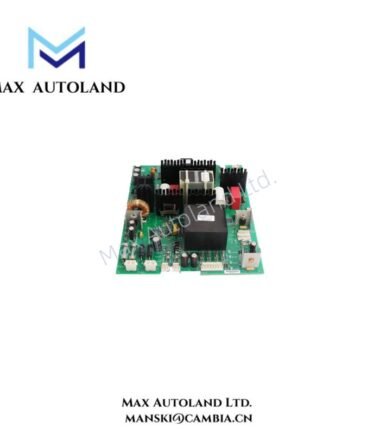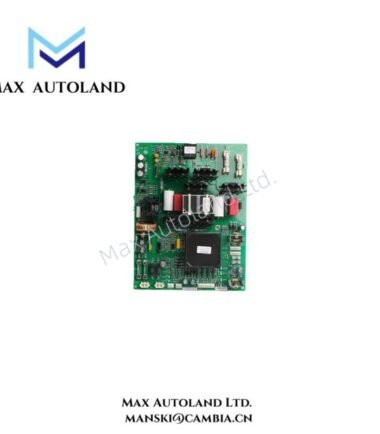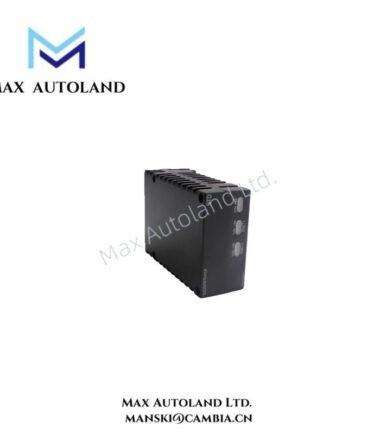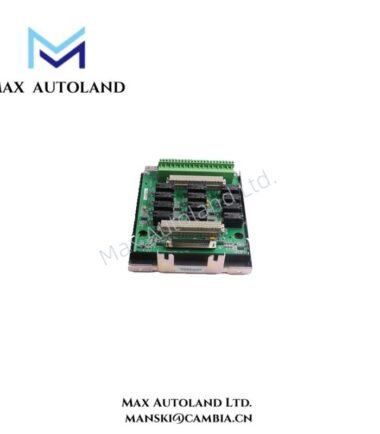
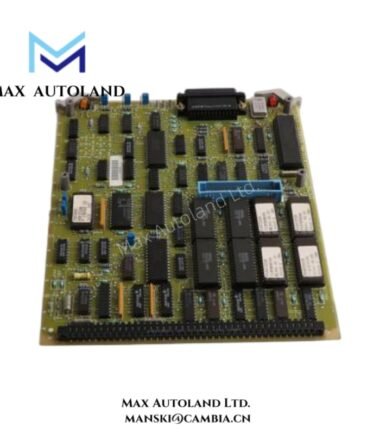
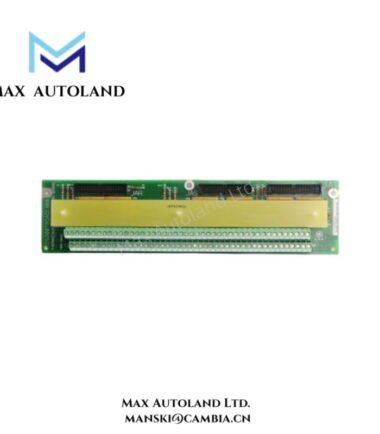
Overview
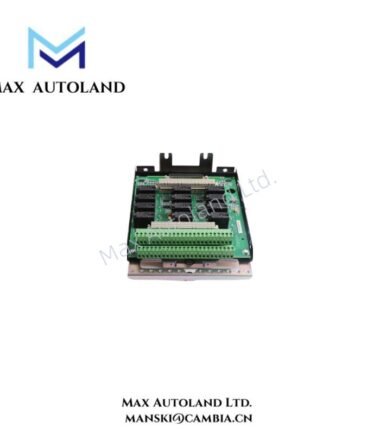
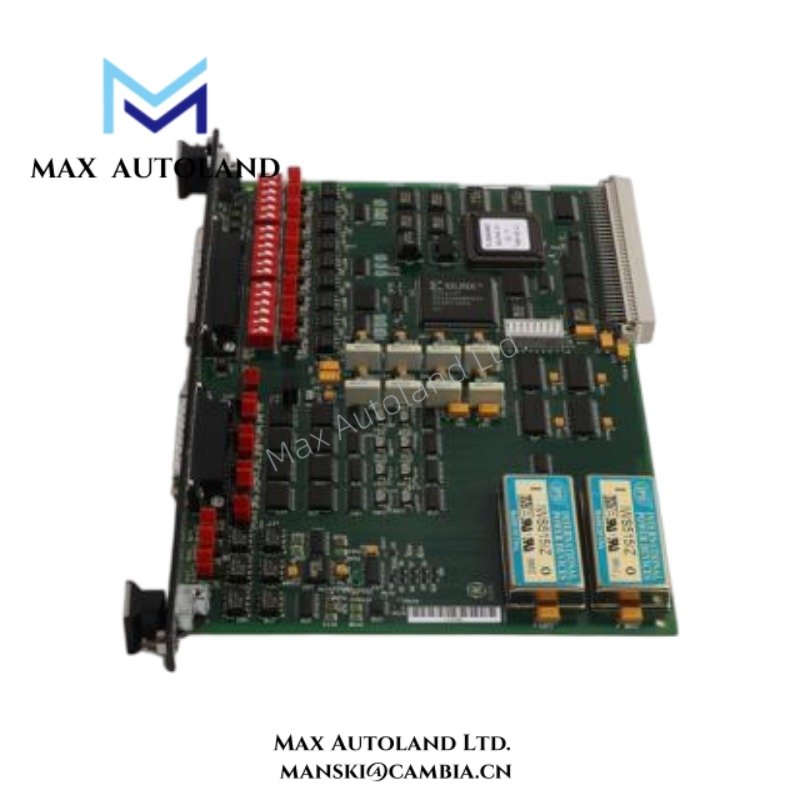
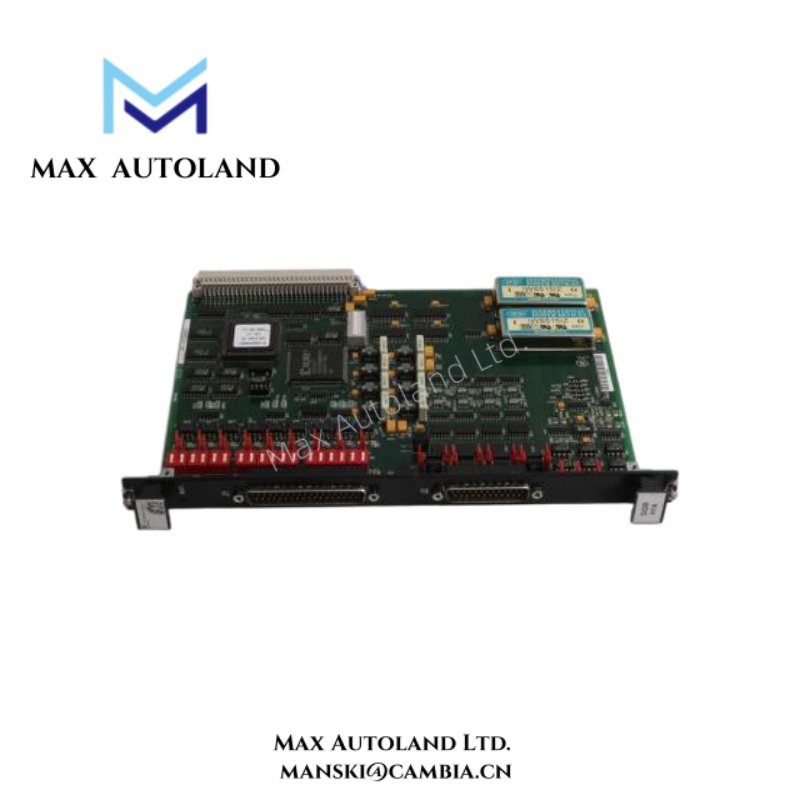
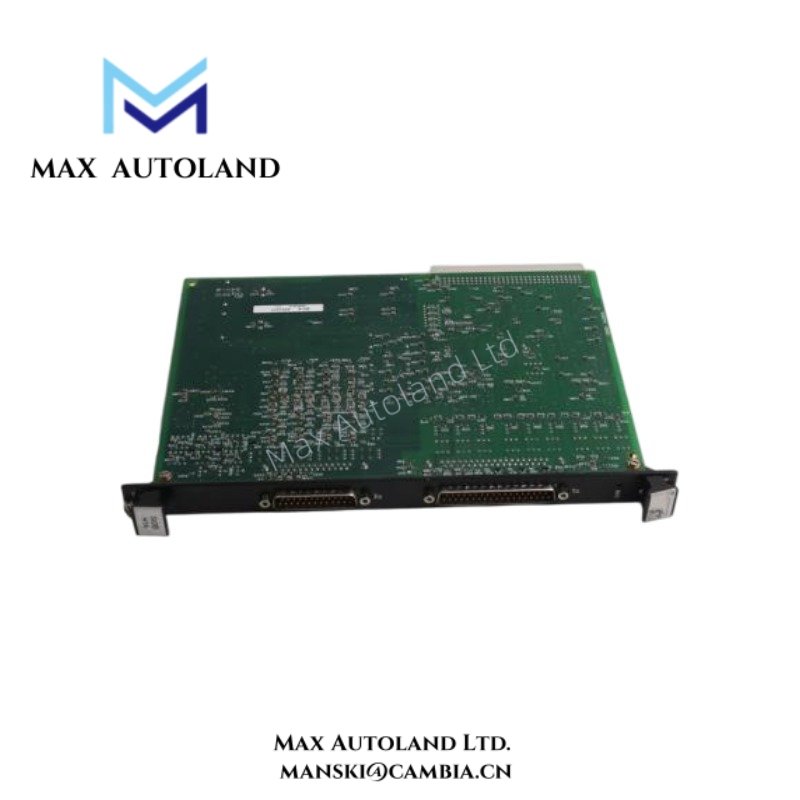
The DS200SIOBH1ABA VME stand I/O card provides reliable input and output communication for GE Mark V turbine control systems. Engineers commonly install this module in industrial automation environments requiring stable data exchange between control processors and field devices.
This VME-based I/O card manages critical signal processing tasks while ensuring consistent communication across connected turbine control modules. Moreover, it supports synchronized data transfer that improves overall system responsiveness during continuous industrial operation.
GE designed the DS200SIOBH1ABA for demanding environments where vibration, electrical interference, and temperature variation can impact control reliability. Therefore, many facilities use this module in turbine control cabinets requiring long-term operational stability and maintenance support.
The board integrates efficiently within GE Mark V VME architectures and supports dependable interaction between system processors and peripheral control devices. In addition, its structured design simplifies installation and improves serviceability during maintenance procedures.
Industrial operators value this I/O card because stable communication directly influences turbine performance and system protection accuracy. For instance, reliable signal exchange helps maintain consistent process control and reduces operational disruptions during load variations.
Functional Highlights
- Provides VME-based input and output communication support
- Ensures stable data exchange within GE Mark V systems
- Improves synchronization between control modules
- Supports continuous industrial turbine operation
- Designed for harsh industrial environments
- Simplifies installation and maintenance procedures
- Enhances system reliability and control accuracy
- Supports long-term turbine automation performance
Specification
| Parameter | Specification |
|---|---|
| Product Model | DS200SIOBH1ABA |
| Manufacturer | GE Boards & Turbine Control |
| Product Type | VME Stand I/O Card |
| Series Compatibility | GE Mark V Turbine Control System |
| Primary Function | Input/output signal communication and processing |
| Architecture | VME-based industrial control interface |
| Application Type | Turbine control and industrial automation systems |
| System Integration | Compatible with GE Mark V VME rack systems |
| Communication | High-speed internal system data exchange |
| Installation Method | VME rack-mounted module |
| Operating Design | Continuous-duty industrial operation |
| Board Construction | Industrial-grade electronic assembly |
| Reliability Features | Stable communication and signal integrity |
| Environmental Suitability | Resistant to vibration and electrical noise |
| Cooling Method | Standard control cabinet airflow ventilation |
| Maintenance Access | Modular and service-friendly design |
| Typical Industries | Power generation, oil and gas, manufacturing |
| Lifecycle Application | Maintenance, retrofit, and modernization support |
| Operational Benefit | Improved system coordination and signal reliability |
FAQ
Q1: What is the primary function of the DS200SIOBH1ABA module?
A1: The module manages VME-based input and output communication within GE Mark V turbine control systems.
Q2: Which systems commonly use this VME I/O card?
A2: Industrial turbine control systems and GE Mark V VME-based automation platforms frequently use this module.
Q3: Why is stable communication important in turbine control systems?
A3: Stable communication ensures accurate coordination, reliable control execution, and improved system protection.
Q4: Is the DS200SIOBH1ABA used in modernization projects?
A4: Yes, it is widely used in maintenance and modernization of legacy GE turbine control systems.
Q5: Which industries typically deploy this module?
A5A: Power generation, oil and gas, petrochemical, and heavy industrial facilities commonly use this card.
Q6: Can technicians replace the module during scheduled shutdowns?
A6: Yes, maintenance teams frequently replace it during planned outages to ensure continued system reliability.