
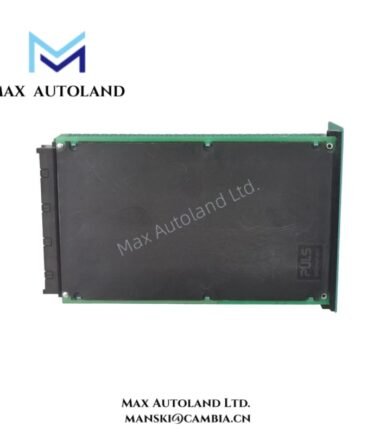
Overview
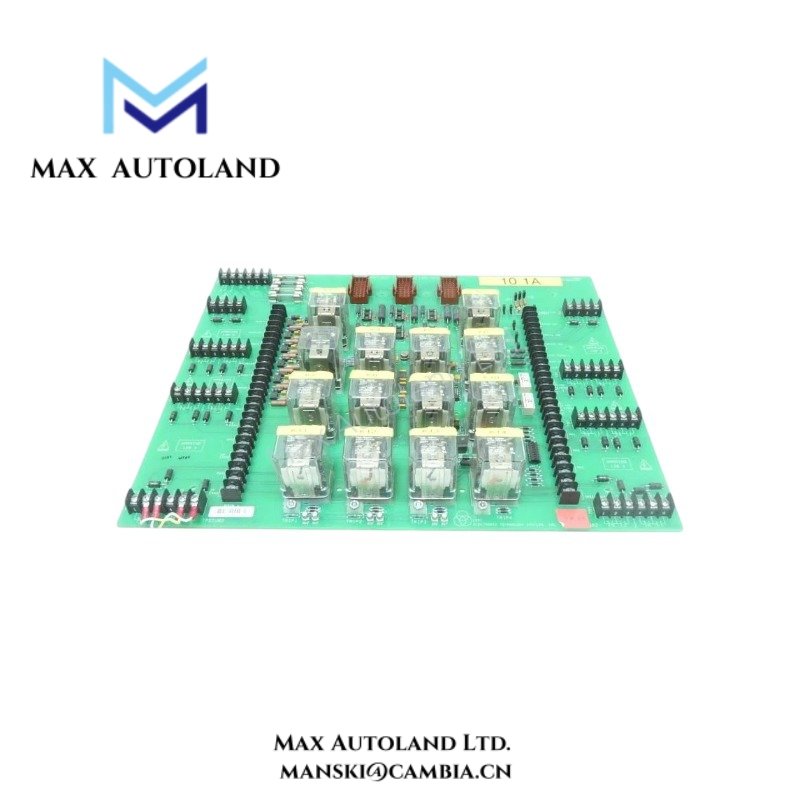
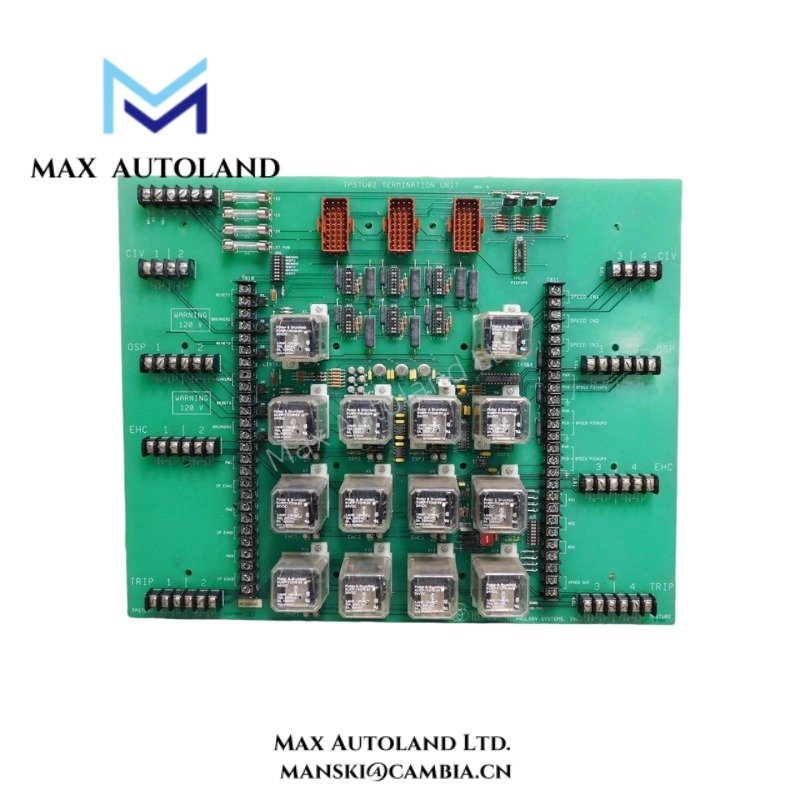
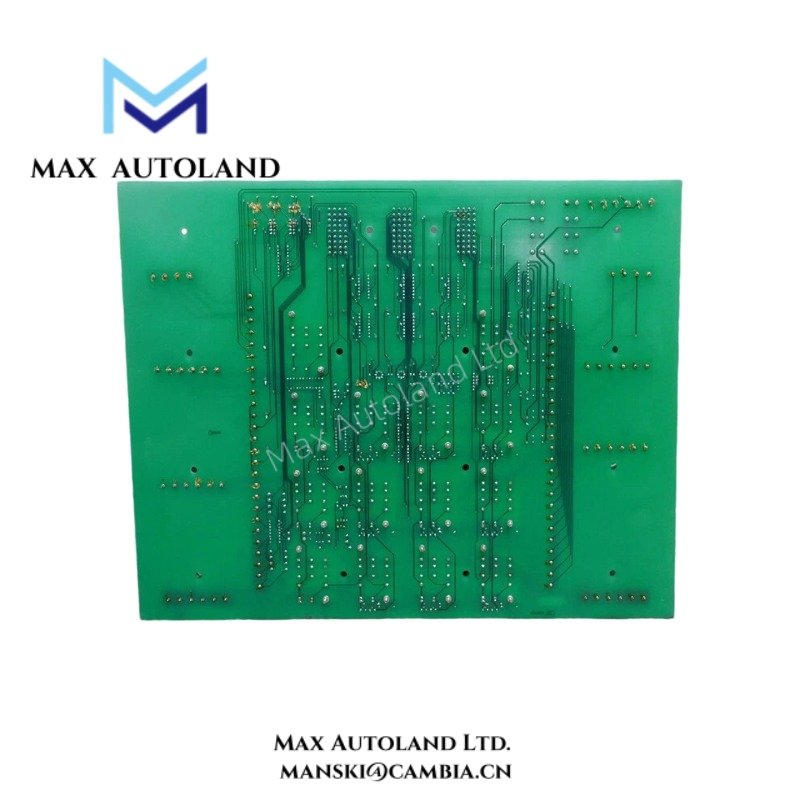
The ABB YTPSTU02, also cataloged as the YTPSTU02 interface module, serves as a primary field termination and signal interface component utilized to execute structured signal routing and electrical termination across ABB distributed control system hardware platforms.
Configured for field signal termination and backplane-aligned electrical routing in ABB automation architectures, the ABB YTPSTU02 (YTPSTU02 module) provides direct physical/electrical execution of terminal-to-system connectivity between field wiring and controller-side processing layers.
Suffix Breakdown & Model Matrix
No structured suffix segmentation is defined for this model based on available manufacturer data. The designation YTPSTU02 is treated as a single fixed ordering and identification code.
Hardware Specifications
| Parameter | Specification |
|---|---|
| Model | YTPSTU02 |
| Brand | ABB |
| Origin | Not specified |
| Weight | Not specified |
| Dimensions | Not specified |
| Operating Temp | Not specified |
| Power Consumption | Not specified |
| Function | Field termination / signal interface module |
| Connection Type | Backplane / terminal interface (system dependent) |
| Signal Handling | Electrical field signal routing |
ABB Control Platform Integration Characteristics
The YTPSTU02 operates within ABB modular control and I/O architectures, and therefore backplane bus communication governs system-level data exchange between termination hardware and processing modules. Moreover, backplane bus velocity scheduling defines deterministic signal transfer timing across distributed I/O racks, which ensures stable synchronization between field termination points and controller execution cycles.
In addition, the module design aligns with ABB I/O density scaling principles. As a result, the system enables structured expansion of termination points without requiring modification to the primary controller hardware. Furthermore, firmware flash compatibility across connected modules supports consistent signal mapping behavior during lifecycle updates, especially when system-level configuration changes occur.
At higher integration layers, deterministic industrial network structures such as Profinet or EtherNet/IP may operate depending on controller configuration. However, the termination layer itself remains electrically passive or semi-passive, depending on cabinet implementation and backplane architecture decisions.
Frequently Asked Questions (FAQ)
Q: Does the YTPSTU02 support hot-swap operation in ABB rack systems?
A: Hot-swap capability depends on the host chassis design. Therefore, the module itself does not define hot-swap behavior independently.
Q: What is the backplane current consumption of the YTPSTU02?
A: ABB does not explicitly define electrical consumption in standalone form. Instead, system architecture determines current draw based on rack configuration and installed modules.
Q: Is firmware required for the YTPSTU02 module?
A: The module does not require dedicated firmware. Instead, the host controller and I/O system firmware layer manage compatibility and operational mapping.
Field Installation Guidelines
Install the module in a de-energized rack environment, unless the host system explicitly supports live insertion. First, verify correct seating in the backplane connector to ensure stable electrical continuity across the I/O bus.
In addition, apply shielded field wiring with single-point cabinet earth grounding. This approach reduces signal noise coupling and improves overall signal integrity across termination channels.
Moreover, route cables away from high-voltage conductors to minimize electromagnetic interference. Finally, follow ABB cabinet-level torque and wiring standards, and ensure all unused channels remain properly terminated or isolated to prevent floating signal conditions.
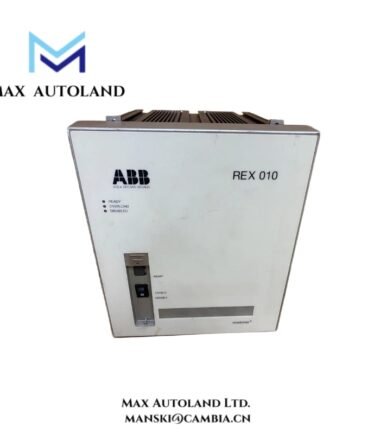
ABB Top Products
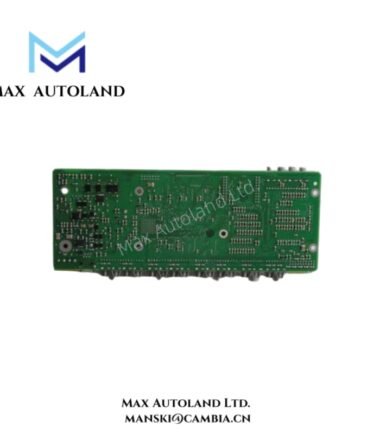
Customers Also Viewed
Contact: Manski Wong +86 18030205725 manski@cambia.cn





Reviews
There are no reviews yet.