Backplane Bus Integration and Signal Termination Characteristics
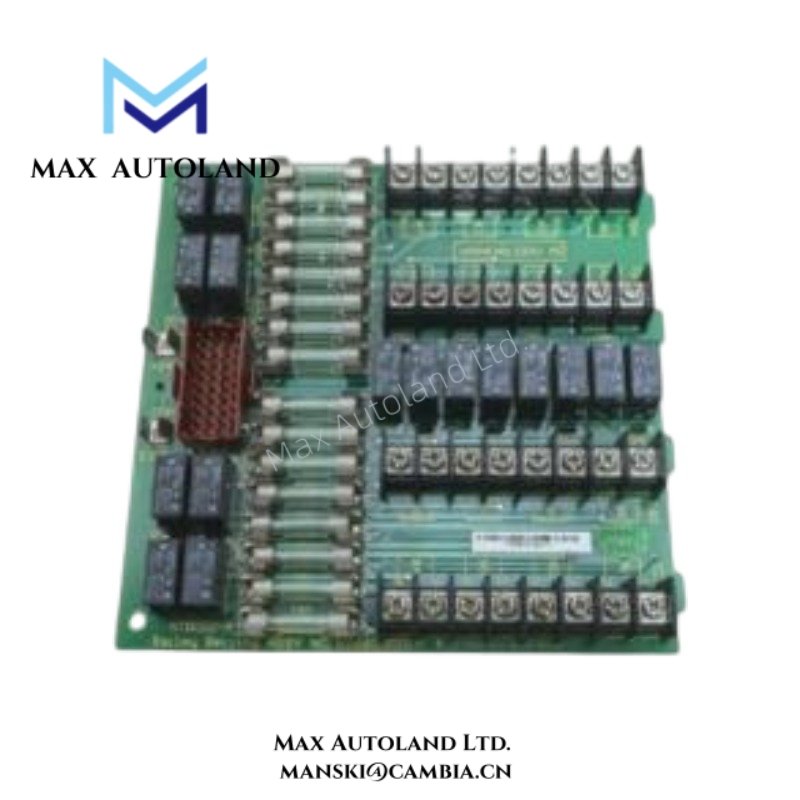
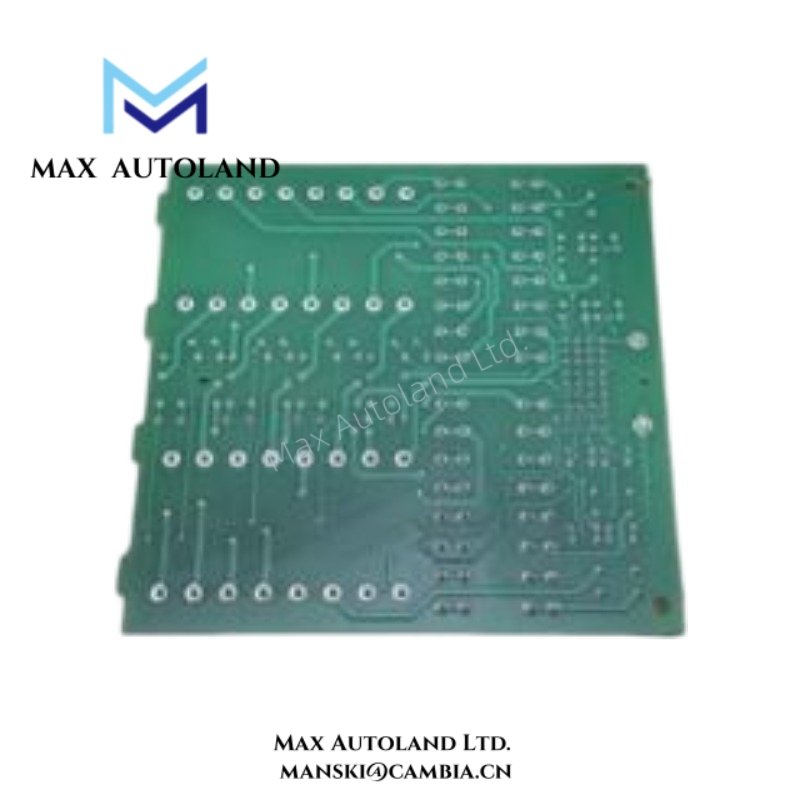
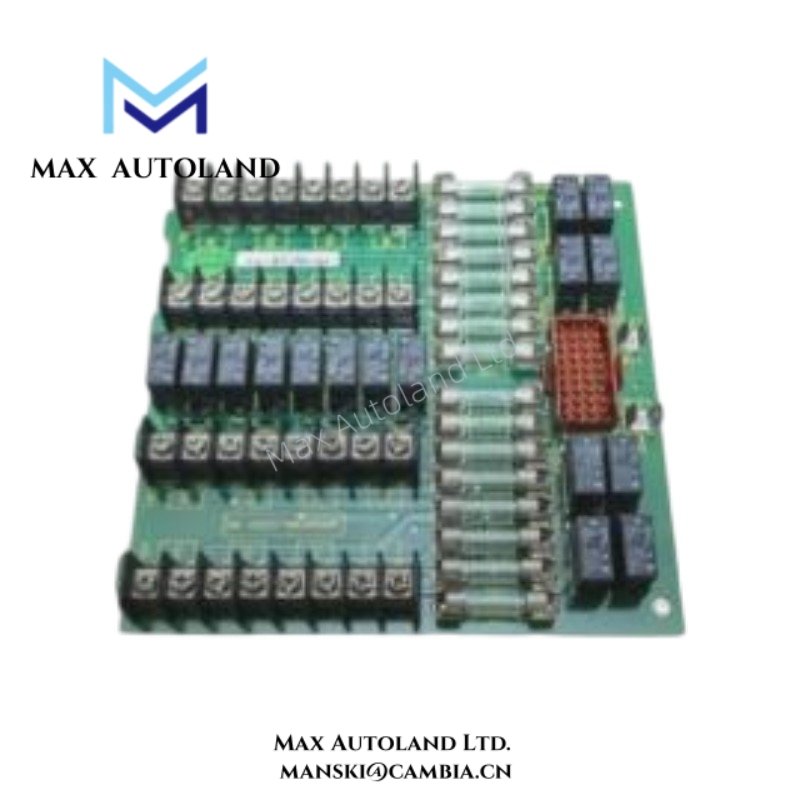
The NTRO02-A operates as a passive termination interface within ABB control system cabinet assemblies. It provides structured electrical routing between field wiring terminals and corresponding I/O modules installed in the system backplane environment. Therefore, signal continuity depends on correct alignment with associated module addressing and cabinet wiring design.
In ABB distributed I/O architectures, the host controller and I/O module configuration determine backplane bus communication behavior rather than the termination unit itself. Moreover, the NTRO02-A maintains stable conductor landing points for multi-channel digital signal grouping, and this reduces wiring ambiguity during system integration and maintenance activities.
In addition, channel grouping integrity depends on correct termination mapping across the cabinet wiring structure. The system integrator must verify each channel assignment during installation to prevent signal misalignment. Furthermore, shield handling and grounding continuity must follow the cabinet-level grounding strategy to maintain a consistent signal reference potential across the I/O chain.
Frequently Asked Questions (FAQ)
Q: Does the NTRO02-A perform signal conditioning or isolation?
A: No. The unit functions as a passive termination interface and does not provide signal conditioning or galvanic isolation.
Q: Can the NTRO02-A be replaced without modifying controller firmware?
A: Yes. Since it has no firmware, technicians can replace the unit without affecting controller software or application logic.
Q: Does removal of the unit interrupt backplane communication?
A: It does not affect backplane electronics directly. However, it can interrupt field signal continuity if wiring is not safely isolated before maintenance.
Field Installation Guidelines
Install the NTRO02-A inside a grounded control cabinet and ensure proper mechanical alignment with the designated termination base.
In addition, maintain separation between low-level signal wiring and high-voltage conductors to reduce electromagnetic coupling effects.
Ensure all shielded cables are terminated according to ABB cabinet grounding standards, and verify continuity to avoid ground loop formation.
Before energizing connected I/O modules, verify all field wiring continuity and channel mapping.
Moreover, apply torque-controlled tightening on all terminal points to maintain stable long-term electrical contact.
Finally, perform point-to-point verification between field devices and controller I/O mapping during commissioning to confirm correct signal routing.







Reviews
There are no reviews yet.