
Overview
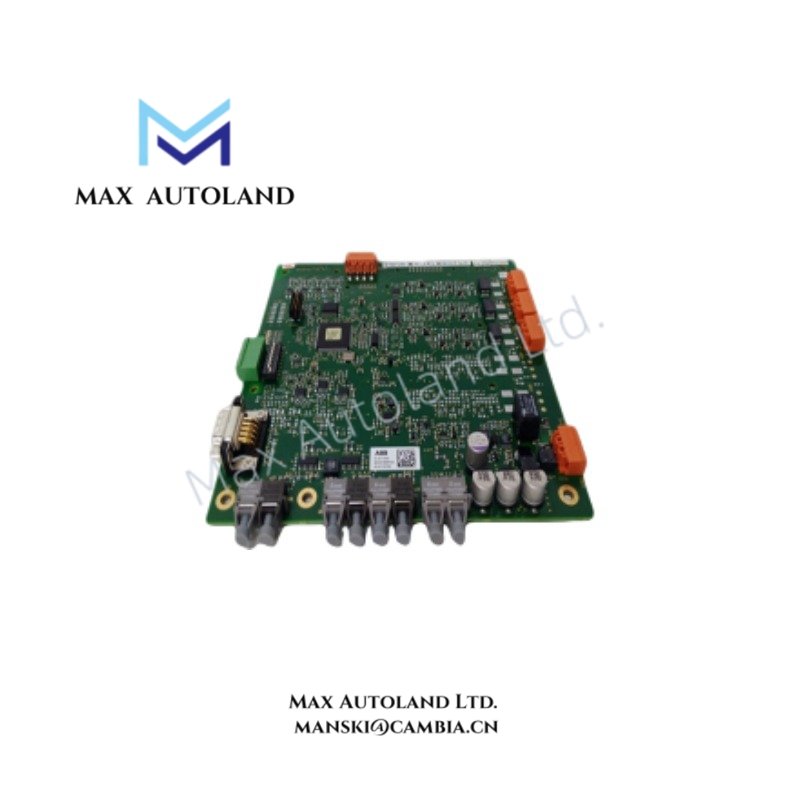
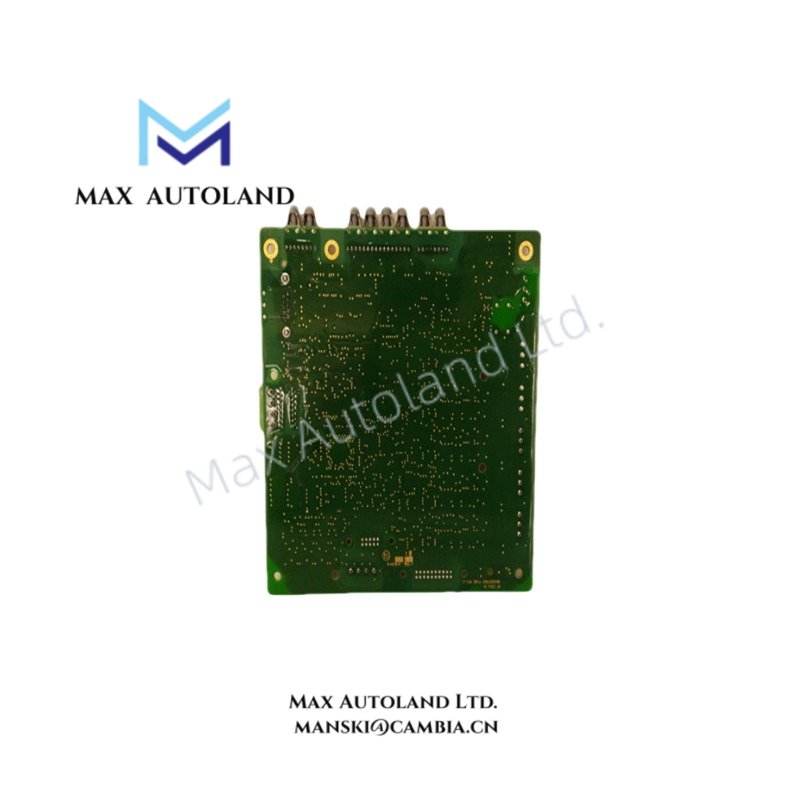
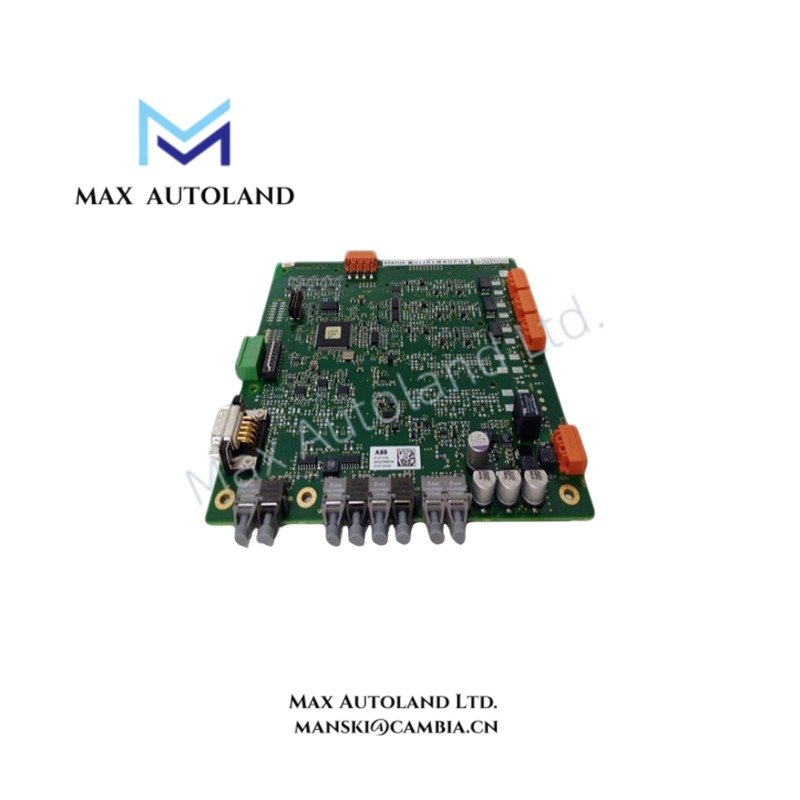
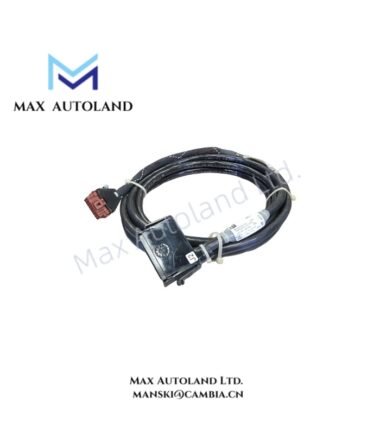
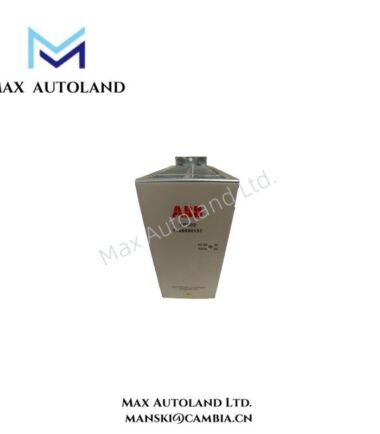
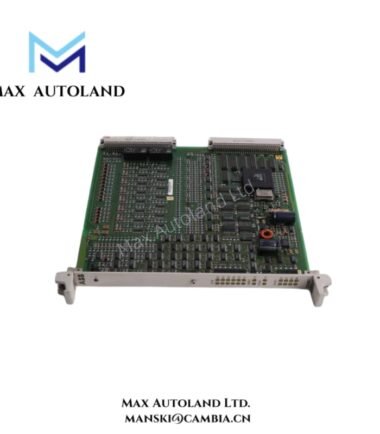
Configured for precise signal interfacing in ABB automation and drive control networks, the ABB HZC075A (HUAD100001R0001) (HZC075A control module / interface unit / connection board) provides direct physical/electrical execution for signal routing, conditioning, and backplane-based data exchange between controller layers and field-level I/O assemblies within ABB industrial architectures.
Hardware Specifications
| Parameter | Specification |
|---|---|
| ModelBrand | ABB HZC075A (HUAD100001R0001) |
| Origin | Sweden / Germany / Switzerland (batch dependent) |
| Weight | Approx. 0.5 kg |
| Dimensions | Approx. 120 mm x 80 mm x 60 mm |
| OperatingTemp | -20 degC to +70 degC |
| PowerConsumption | 24 VDC system dependent (module load not explicitly specified) |
| Product Type | Control Module / Interface Unit / Connection Board |
| Electrical Interface | Backplane + cabinet wired I/O coupling |
| Protection Class | IP20 (cabinet installation) |
| Signal Function | Digital/analog signal conditioning and routing |
Backplane Communication and Firmware Compatibility Behavior (ABB Control Platforms)
The module operates as a backplane-integrated interface element within ABB control and drive ecosystems, supporting deterministic internal data exchange across controller racks. Signal transfer is executed through synchronized bus cycles where timing consistency is dependent on rack configuration and controller firmware level.
In mixed architecture deployments, compatibility is governed by firmware alignment across ABB control nodes, with structured update paths required to maintain deterministic behavior. The interface layer is typically aligned with industrial communication stacks such as Profinet or EtherNet/IP when used in hybrid PLC/DCS environments. Backplane throughput is constrained by rack topology, slot assignment, and system scan cycle configuration rather than standalone module processing capability.
Frequently Asked Questions
Q: Can the ABB HZC075A be hot-swapped during system operation?
A: Hot-swap capability is not defined at module level. Removal under energized backplane conditions depends on rack controller design and system interlock configuration.
Q: What is the expected backplane electrical load contribution?
A: The module draws backplane-dependent logic power. Total load is determined by rack power supply sizing and adjacent slot population rather than a fixed module rating.
Q: Is firmware synchronization required after replacement?
A: Yes. Replacement units must match controller firmware revision constraints to maintain deterministic communication timing and register mapping consistency.
Field Installation Guidelines
The module shall be installed in a grounded ABB-compatible control cabinet using standard DIN rail or rack mounting structure. Shielded cabling must be terminated with 360-degree grounding at the cabinet entry point to minimize electromagnetic coupling into signal lines.
Backplane connectors must be fully seated without mechanical stress on adjacent modules. Wiring separation between low-level signal lines and power conductors shall be maintained according to industrial control cabinet layout standards.
System power shall remain isolated during insertion or removal unless rack architecture explicitly supports energized module exchange. Post-installation verification should include continuity checks, bus synchronization validation, and controller recognition polling.
ABB Top Products
Customers Also Viewed
Contact: Manski Wong +86 18030205725 manski@cambia.cn




Reviews
There are no reviews yet.