

Overview
Specification
| Parameter | Specification |
|---|---|
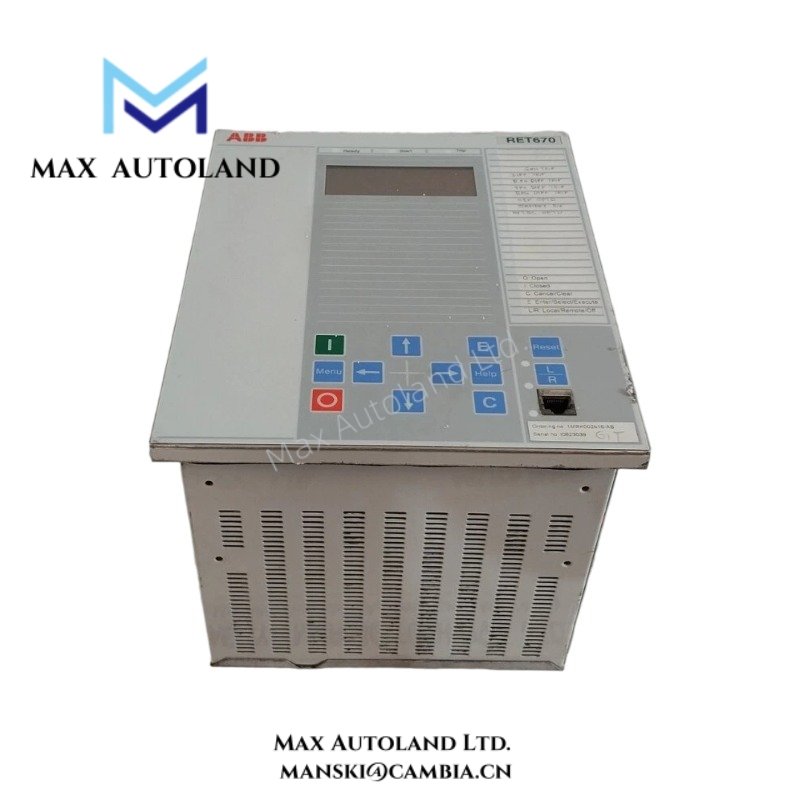
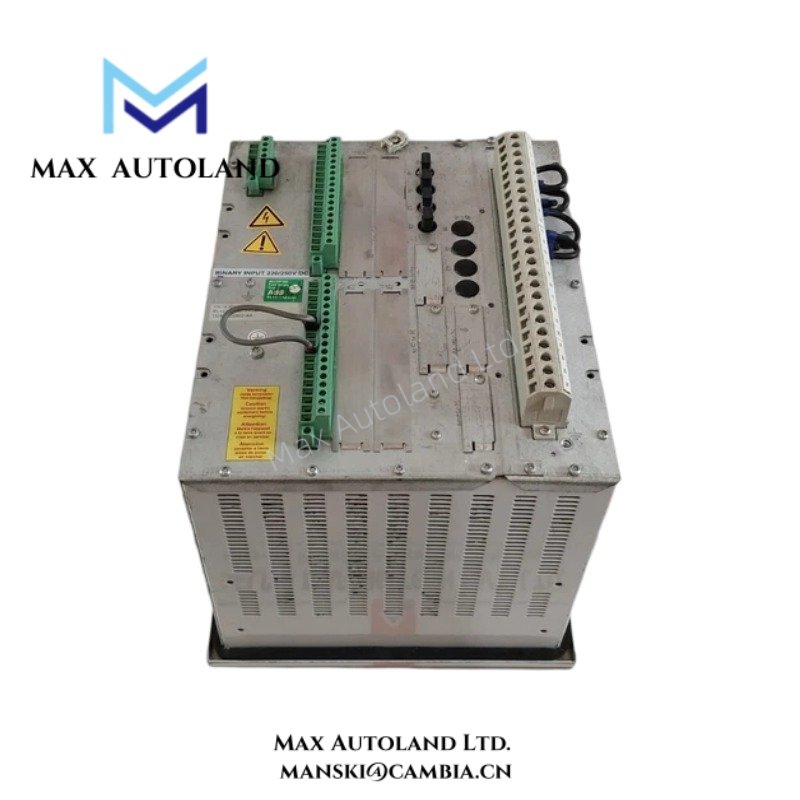
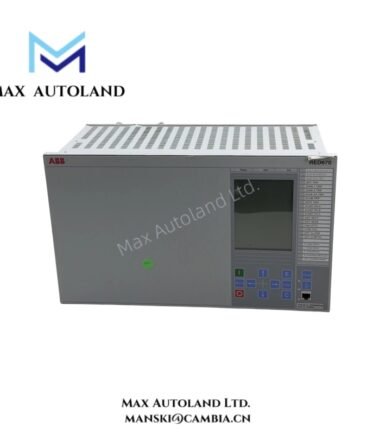
| Model | RET670 1MRK002816-AB |
| Brand | ABB |
| Origin | ABB manufacturing source |
| Product Type | Protection and Control Systems |
| Series | ABB Relion 670 Series |
| Primary Function | Transformer protection and control |
| Protection Functions | Differential protection, backup protection, monitoring, control |
| Communication Environment | Substation automation communication integration |
| Configuration Method | Engineering software parameterization |
| Operating Temp | Refer to manufacturer technical documentation |
| Power Consumption | Refer to manufacturer technical documentation |
| Weight | Not explicitly specified in supplied data |
| Dimensions | Not explicitly specified in supplied data |
Firmware Flash Compatibility and Deterministic Network Operation
Within ABB Relion architectures, protection execution depends on deterministic communication between protection IEDs, process interfaces, and station-level control systems. Consequently, RET670 deployment requires alignment among firmware revisions, engineering configurations, and communication definitions. Firmware flash compatibility directly influences parameter mapping, logic execution behavior, and interoperability across connected automation assets. In addition, deterministic communication services, synchronization handling, and event transport mechanisms must remain consistent with the approved substation protection scheme.
Frequently Asked Questions
Q: Does the RET670 support unrestricted hot-swap replacement during energized operation?
A: Hot-swap behavior depends on the installed panel arrangement, energized protection condition, and maintenance procedure. Engineers should follow ABB service documentation and site commissioning practices before removing or inserting hardware assemblies.
Q: Does firmware revision affect configuration transfer between RET670 devices?
A: Yes. Firmware revision influences configuration portability, logic interpretation, communication object handling, and supported parameter structures. Therefore, engineers should verify software and firmware alignment before importing configuration files.
Q: Can communication wiring and CT secondary circuits share the same routing path?
A: Engineers should route communication conductors separately from CT secondary wiring, auxiliary supply cables, and switching circuits. This installation practice reduces coupled interference, signal distortion, and unwanted interaction between measurement and communication paths.
Field Installation Guidelines
Verify terminal mapping, CT polarity assignment, VT connections, and protection wiring correspondence before energizing the protection system.
Next, route measurement wiring, communication cables, and auxiliary power conductors through separated cable paths. Avoid parallel installation near switching devices, high-current conductors, and inductive load circuits where practicable.
Furthermore, apply shield grounding according to the approved substation grounding methodology. Maintain controlled shield termination practices and avoid uncontrolled multiple grounding points across interconnected protection panels.
Finally, perform logic verification, communication diagnostics, binary I/O checks, and signal injection testing to confirm measurement acquisition, event handling, and trip path continuity.
ABB Top Products
Customers Also Viewed
Contact: Manski Wong +86 18030205725 manski@cambia.cn




Reviews
There are no reviews yet.