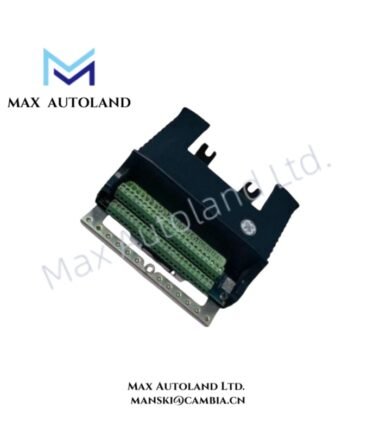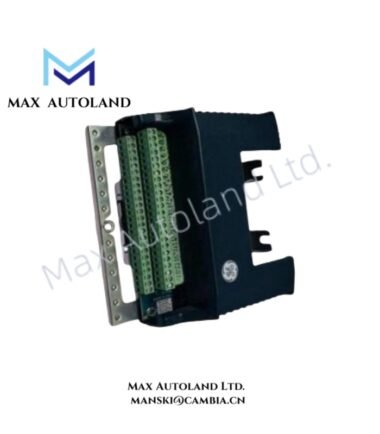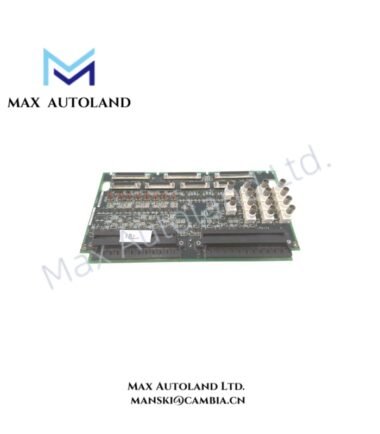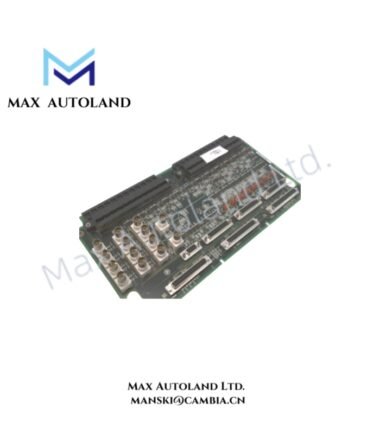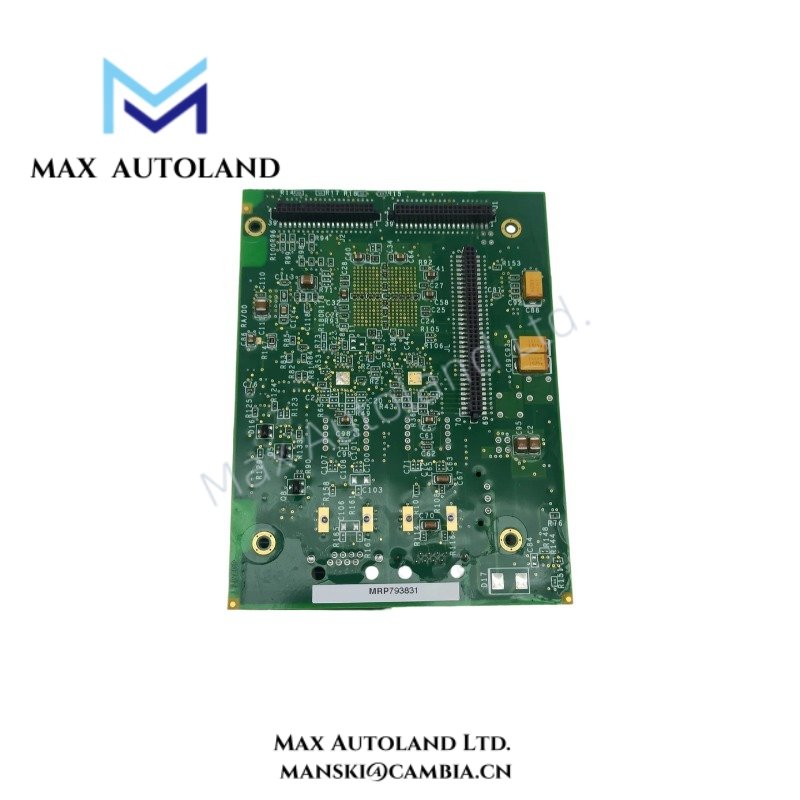
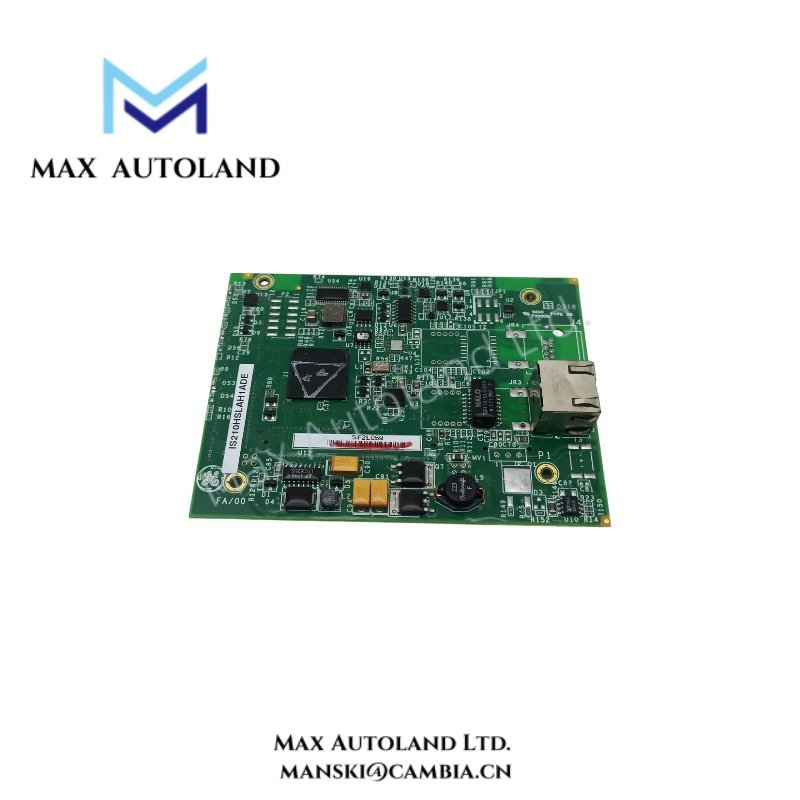
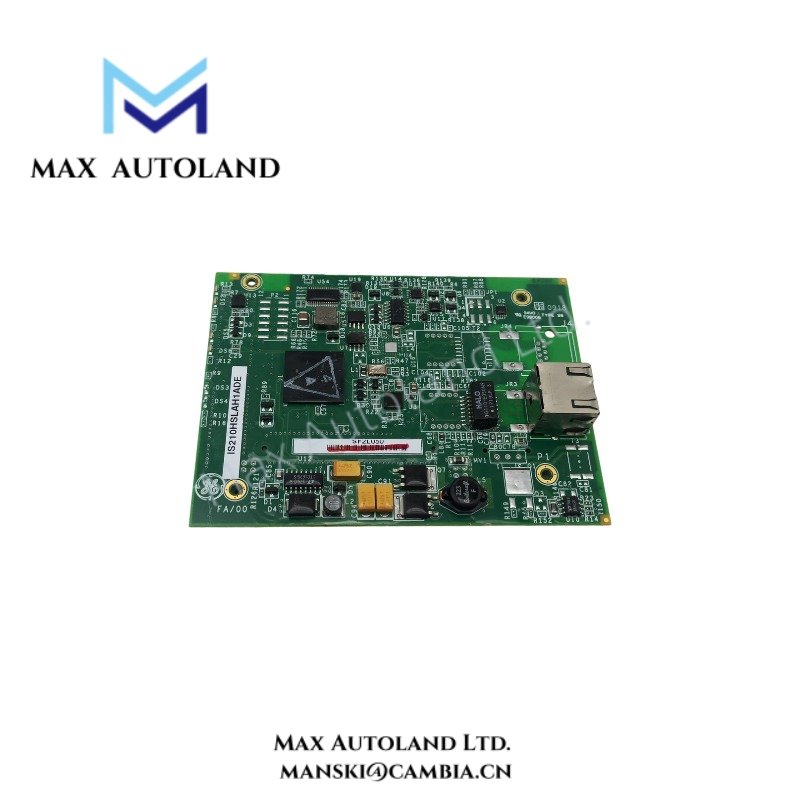
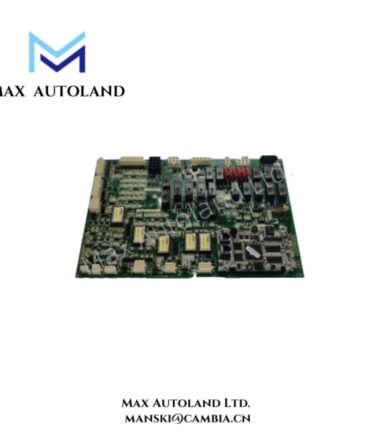
Overview
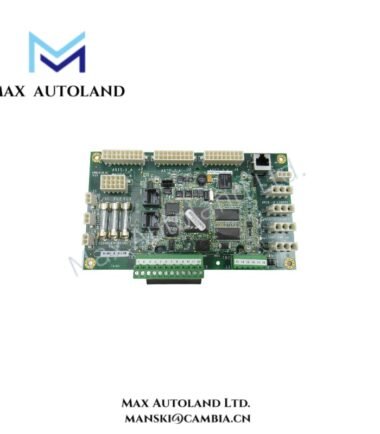
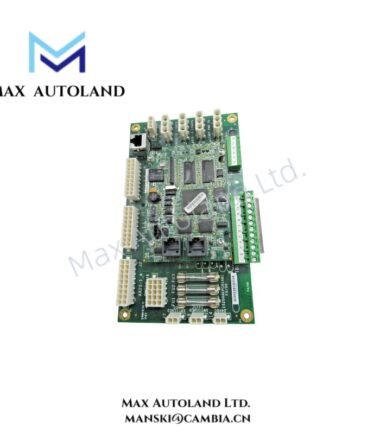
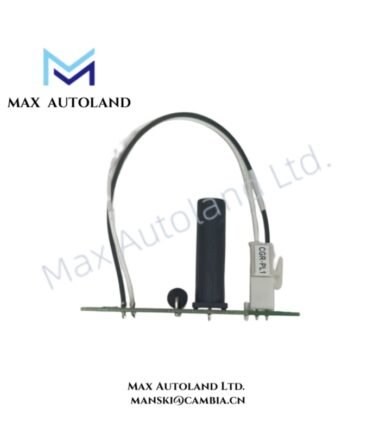
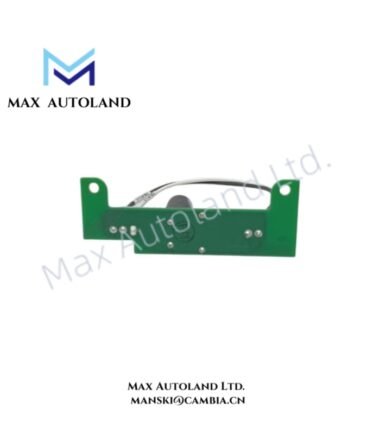
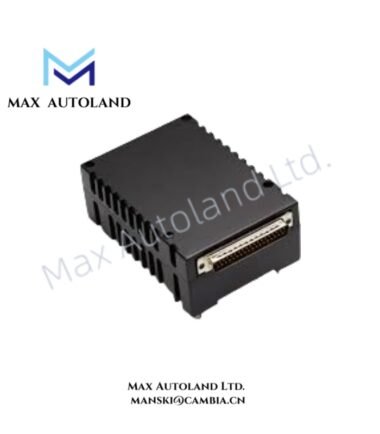
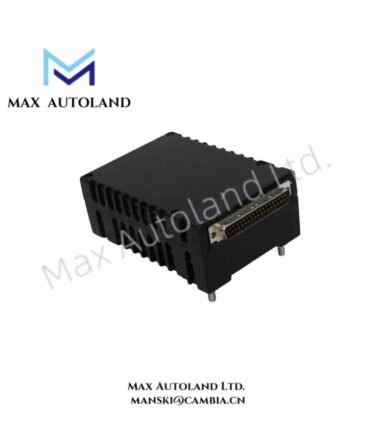
The General Electric IS210HSLAH1ADE, also cataloged as the IS210HSLAH1ADE Controller Card, operates as a dedicated hardware component for processor execution and control data management within GE Mark VIe turbine control platforms. The module integrates an Intel Pentium M 1.6 GHz processor, 256 MB memory, and QNX Neutrino operating system for embedded control operations.
Hardware Specifications
| Parameter | Specification |
|---|---|
| Model | IS210HSLAH1ADE |
| Brand | General Electric |
| Series | Mark VIe |
| Product Type | Controller Card |
| Origin | United States |
| Weight | 0.62 kg |
| Dimensions | 2 cm x 21 cm x 26.5 cm |
| Processor | Intel Pentium M Processor 1.6 GHz |
| Memory | 256 MB |
| Operating System | QNX Neutrino |
| Estimated Shipping Size | 2 cm x 21 cm x 26.5 cm |
Backplane Communication and Firmware Compatibility
The IS210HSLAH1ADE controller card operates as part of the GE Mark VIe control architecture. It executes embedded control tasks through processor-based firmware and exchanges system data through the controller backplane interface.
Additionally, the module follows GE industrial control hardware practices for deterministic communication and firmware flash compatibility. Therefore, system configuration requires matching controller firmware versions with the installed Mark VIe hardware environment.
Frequently Asked Questions
Q: What processor architecture does the IS210HSLAH1ADE use?
A: The IS210HSLAH1ADE uses an Intel Pentium M Processor operating at 1.6 GHz for embedded controller execution.
Q: Which operating system is installed on this controller card?
A: The module runs the QNX Neutrino operating system for embedded real-time control functions.
Q: Is the IS210HSLAH1ADE designed for standalone operation?
A: No. The controller card operates as a component within the GE Mark VIe control platform and requires compatible system hardware integration.
Field Installation Guidelines
- Install the controller card only in compatible GE Mark VIe rack assemblies.
- Verify backplane connector alignment before insertion to prevent mechanical damage.
- Confirm firmware compatibility before replacing an existing controller module.
- Maintain proper grounding practices for rack assemblies and connected control equipment.
- Keep signal and power wiring separated according to industrial control cabinet installation standards.
- Inspect connectors for contamination or mechanical wear before installation.