

Overview
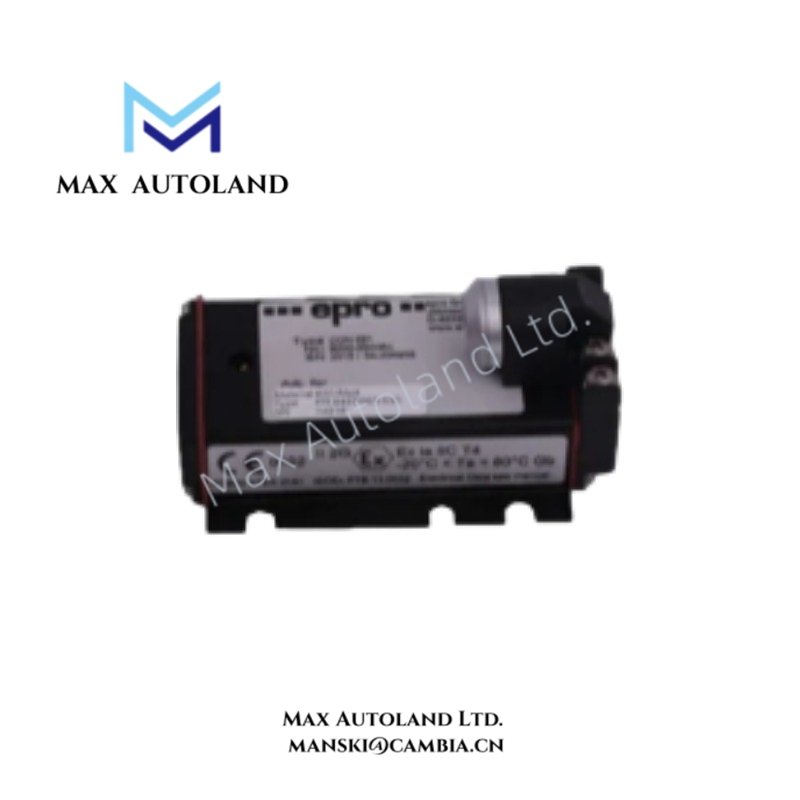
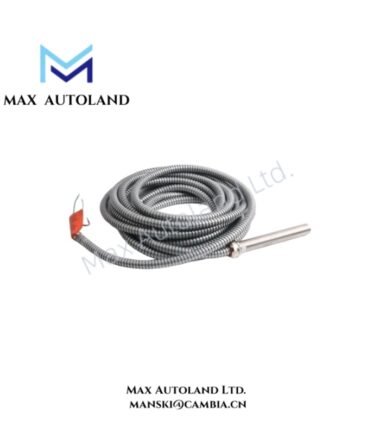
Configured for non-contact shaft displacement and position measurement in EPRO machinery monitoring systems, the Emerson EPRO PR9670/113-100 (PR9670 Eddy Current Proximity Sensor) provides direct physical measurement of conductive targets. The sensor operates as the field sensing element, while compatible signal-conditioning hardware processes the measurement for monitoring or protection functions.
Hardware Specifications
| Parameter | Specification |
|---|---|
| Model | PR9670/113-100 |
| Brand | Emerson EPRO |
| Product Type | Eddy Current Proximity Sensor |
| Origin | Germany |
| Measurement Principle | Eddy current, non-contact measurement |
| Primary Measurement | Shaft displacement, position, or vibration-related movement |
| Application | Machinery monitoring and protection |
| System Compatibility | EPRO machinery monitoring architecture |
EPRO Eddy Current Measurement Characteristics
The PR9670/113-100 uses non-contact eddy-current measurement to detect changes in the position of a conductive machine target. Therefore, the sensing element does not require mechanical contact with the monitored shaft or surface.
The sensor output must be evaluated through the applicable EPRO signal-conditioning and monitoring hardware. Consequently, the complete measurement chain consists of the probe, associated signal conditioning, wiring, and monitoring input.
For machinery protection applications, correct probe positioning directly affects the measured displacement signal. The installation should therefore establish the specified mechanical gap before the monitoring channel is commissioned.
Frequently Asked Questions
Q: Does the PR9670/113-100 use contact measurement?
A: No. It uses eddy-current sensing and measures the conductive target without mechanical contact.
Q: Can the sensor be connected directly to a PLC analog input?
A: The supplied data does not specify a direct PLC-compatible output. The sensor should be used with the applicable EPRO signal-conditioning hardware unless the system documentation explicitly defines another interface.
Q: What operating temperature should be used for this exact configuration?
A: The supplied product data does not specify a confirmed operating-temperature range for the complete PR9670/113-100 configuration. Do not substitute a temperature rating from another probe or cable variant.
Field Installation Guidelines
- Mount the probe so that its sensing axis faces the intended conductive target.
- Establish the mechanical probe-to-target gap according to the applicable EPRO installation documentation.
- Keep sensor wiring separated from high-current power conductors and switching circuits where practical.
- Maintain the cable shielding and termination arrangement specified by the associated signal-conditioning equipment.
- Secure the probe mechanically after setting the required measurement gap.
- Verify the complete signal chain before placing the machinery protection channel into service.
- Check the measured output for a stable response while the shaft remains stationary, then verify the signal during controlled machine operation.
- Do not modify the sensor construction, cable termination, or electrical interface unless the applicable EPRO documentation permits the modification.


Reviews
There are no reviews yet.