
Overview
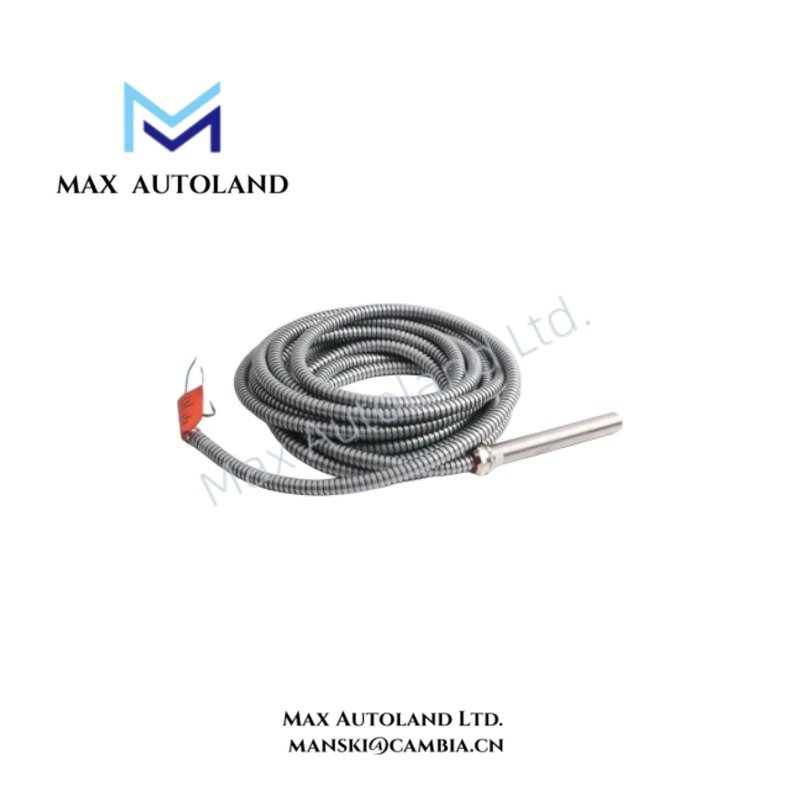
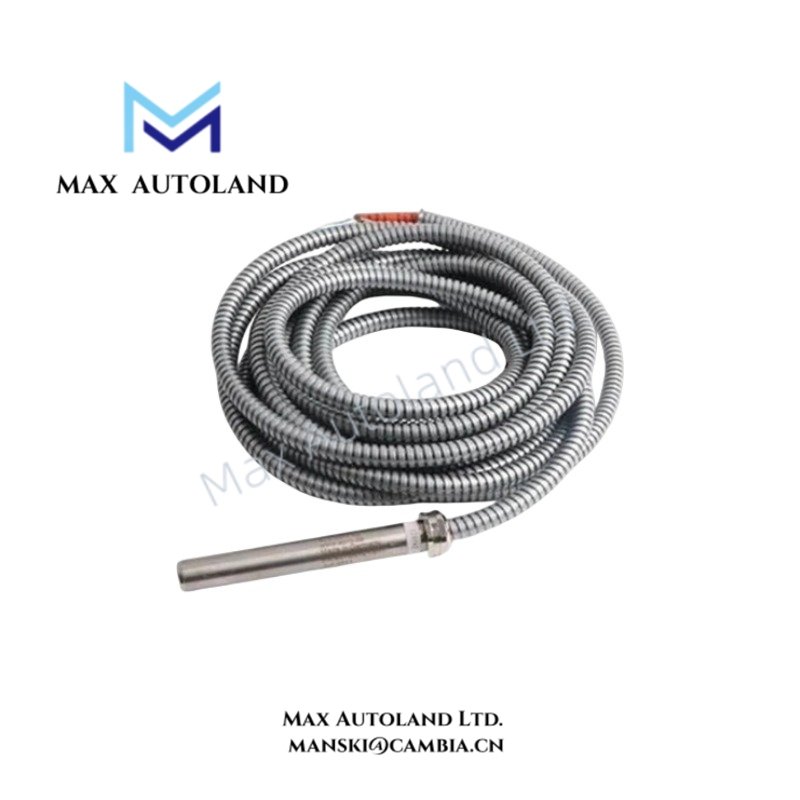
Configured for non-contact rotational speed, frequency, and proximity detection, the Emerson EPRO PR9376/20 (PR9376 Hall Effect Speed Sensor Probe) provides direct pulse detection from ferromagnetic machine targets. Its permanent magnet and Hall-effect electronics generate a switching signal as toothed wheels or other ferromagnetic components pass the sensing face.
Hardware Specifications
| Parameter | Specification |
|---|---|
| Model | PR9376/20 |
| Brand | Emerson / EPRO |
| Origin | Germany |
| Product Type | Hall Effect Speed / Proximity Sensor Probe |
| Measurement Principle | Hall effect with permanent magnet |
| Target Material | Ferromagnetic machine components |
| Recommended Gear Module | > 1 |
| Frequency Range | 0 Hz to 12 kHz |
| Supply Voltage | +10 to +30 VDC |
| Signal Output | Short-circuit proof switching output |
| Output Voltage Behavior | Output voltage closely tracks supply voltage |
| Rise / Fall Time | Approx. 1 us |
| Operating Temp | -30 deg C to +100 deg C |
| Short-Term Temperature Limit | Up to +120 deg C |
| Protection Class | IP66, DIN 40050 |
| Mounting | Threaded body or compatible fixing brackets |
| Power Consumption | Not specified |
Process Signal and Switching Characteristics
The PR9376/20 detects changes in magnetic conditions at its sensing element when a ferromagnetic target passes the probe. Consequently, a toothed wheel can produce a pulse train proportional to rotational movement.
The sensor operates from +10 to +30 VDC and provides a short-circuit proof switching output. The output voltage closely follows the applied supply voltage. Therefore, the connected monitoring or control input must accept the specified supply-referenced switching level.
The stated frequency range extends from 0 Hz to 12 kHz. The approximately 1 us rise and fall time supports fast pulse transitions at the sensor output.
The permanent magnet establishes the magnetic sensing field without requiring an external excitation field. Meanwhile, the non-contact construction avoids mechanical contact between the probe and the rotating target.
Frequently Asked Questions
Q: What type of target does the PR9376/20 detect?
A: The sensor detects ferromagnetic machine components. The supplied specification recommends a gear module greater than 1 for toothed-wheel applications.
Q: What electrical supply does the PR9376/20 require?
A: The specified supply range is +10 to +30 VDC.
Q: Can the PR9376/20 provide a high-speed pulse signal?
A: Yes. The specified frequency range is 0 Hz to 12 kHz, with an approximate 1 us rise and fall time.
Field Installation Guidelines
Mount the probe so the sensing face has a controlled relationship with the ferromagnetic target. Use the applicable threaded mounting arrangement or a compatible fixing bracket.
Route the sensor cable separately from high-current power conductors and switching circuits where practical. This reduces the possibility of electrical interference on the pulse signal.
Maintain secure mechanical fixation because vibration can change the probe-to-target relationship and affect pulse detection. Confirm the target material and gear geometry before commissioning.
Use a DC supply within the specified +10 to +30 VDC range. Check the connected input circuit before energization because the sensor output voltage closely tracks the supply voltage.
For shielded cabling, terminate the shield according to the plant grounding and instrumentation standard. Avoid creating unintended ground loops through multiple shield termination points.
After installation, verify the supply voltage, output switching, target passage, and pulse frequency at the connected monitoring or control input. Check the signal across the intended operating speed range before placing the measurement channel into service.


Reviews
There are no reviews yet.