ADMARES Industrializes Sustainable Housing Design and Manufacturing With Siemens Xcelerator
Digital Manufacturing Brings Industrial Automation to Housing Construction
Siemens and ADMARES are redefining residential construction through digital twin technology, industrial automation, and advanced manufacturing.
ADMARES, founded in 2016, applies manufacturing principles to housing production. Instead of relying on traditional construction methods, the company treats homes as standardized, digitalized products.
This strategy addresses two major global challenges: affordable housing shortages and skilled labor constraints.
As a result, the construction sector increasingly resembles modern factory automation environments.
Siemens Xcelerator Enables a Product-Based Housing Model
ADMARES uses the Siemens Xcelerator open business platform to design, manufacture, and operate sustainable homes.
The platform combines software, automation technologies, and digital engineering tools into a unified development ecosystem.
According to ADMARES CEO Mikael Hedberg, Siemens technology helps shift housing from labor-intensive construction toward industrialized production.
This transformation matters because many regions face severe shortages of qualified construction workers.
Moreover, productized housing models can improve scalability, cost control, and production consistency.
Digital Twin Technology Optimizes Housing Design and Manufacturing
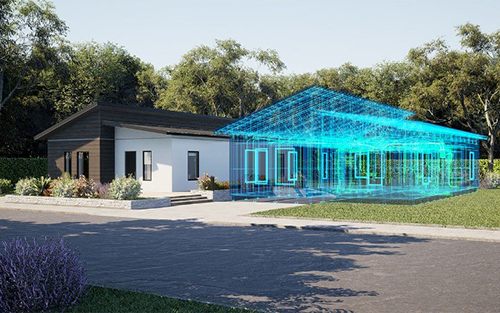
At the center of the project lies Siemens’ comprehensive digital twin framework.
ADMARES deploys Siemens Designcenter, Teamcenter, and Simcenter software to create, validate, and optimize modular housing designs.
The digital twin does more than represent the final building.
It also captures manufacturing data, process behavior, and production workflows.
For engineers familiar with PLC, DCS, and industrial control systems, this approach mirrors digital engineering practices used across automotive, aerospace, and industrial automation sectors.
Therefore, digital twins continue expanding far beyond traditional manufacturing applications.
Advanced Factory Automation Accelerates Home Production
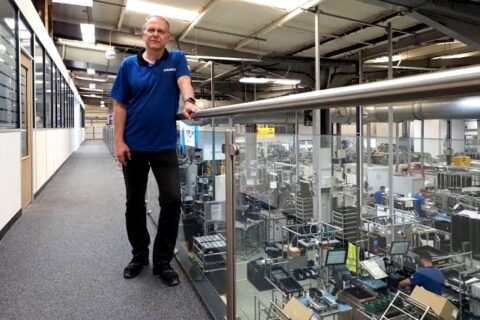
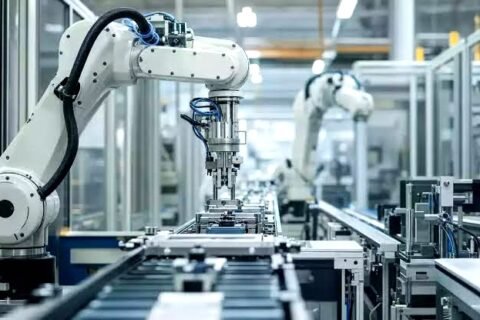
ADMARES supports its housing model with a digital-first, automated greenfield smart factory.
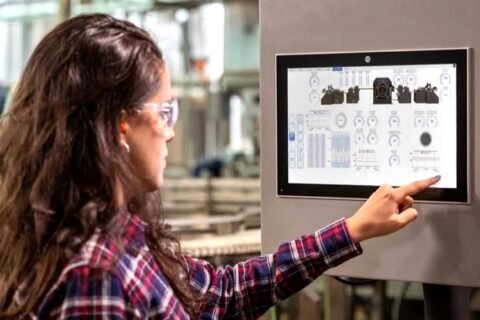
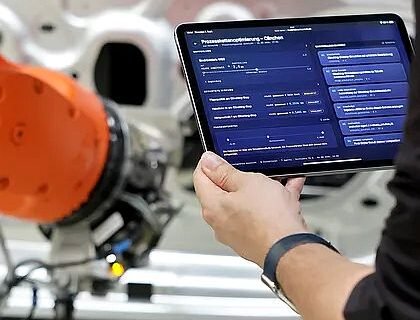
The production environment integrates Siemens Opcenter Manufacturing Execution System (MES) software with industrial automation hardware.
This architecture supports a takt time of 22.5 minutes per building unit.
The company reports that it can produce a fully completed 1,400-square-foot home in roughly 45 minutes.
Such production rates highlight how factory automation principles can reshape conservative industries like construction.
In practical terms, automated workflows reduce manual variability and improve operational repeatability.
Sustainable Construction Benefits from Automation and Process Optimization
Sustainability remains a core element of the ADMARES strategy.
The company aims to cut residential construction carbon emissions by up to 75%.
In addition, it targets approximately 80% less material waste compared with traditional building methods.
These targets align with wider industrial trends toward resource efficiency and low-carbon manufacturing.
Industrial automation often plays a critical role in achieving these outcomes.
By improving process precision, manufacturers can reduce scrap rates, optimize material usage, and lower energy consumption.
The same principles increasingly apply to modular housing production.
Smart Homes Combine Connectivity with Real-Time Monitoring
The homes produced through the ADMARES platform include integrated building software for continuous monitoring.
Users can access real-time data related to:
- Energy consumption
- Water usage
- Indoor air quality
- Smart building performance
This functionality transforms each unit into a connected smart home environment.
From a control systems perspective, these capabilities resemble Industrial IoT monitoring architectures used in intelligent factories and process plants.
As digitalization expands, the boundary between industrial systems and smart infrastructure continues to narrow.
Siemens Demonstrates the Business Value of Open Industrial Platforms
Siemens views the ADMARES collaboration as an example of technology-driven business model innovation.
According to Siemens Digital Industries sustainability leadership, the project shows how digitalization, automation, and advanced manufacturing can reinvent established industries.
This point deserves attention.
Construction historically adopted automation more slowly than automotive or electronics manufacturing.
However, growing pressure around affordability, labor shortages, and sustainability may accelerate change.
Open platforms such as Siemens Xcelerator could help lower integration barriers and speed industry adoption.
Industrialized Housing Reflects a Broader Automation Trend
The ADMARES project reflects a broader evolution across industrial sectors.
Companies increasingly combine industrial automation, MES software, digital twins, PLC integration, and smart factory technologies to improve productivity and sustainability.
Housing now joins a growing list of industries adopting manufacturing-style operating models.
This shift may influence how engineers, system integrators, and automation vendors approach future building projects.
For B2B readers, the case illustrates how automation expertise can create value beyond traditional factory environments.
Application Scenario: Digital Twin and Automation in Modular Housing Production
Consider a modular housing manufacturer planning rapid production expansion.
Traditional workflows may involve fragmented design tools, manual planning, and limited production visibility.
A Siemens-style digital ecosystem can connect engineering, simulation, manufacturing execution, and automation control into a single workflow.
Potential operational advantages include:
- Faster design validation
- Improved production planning
- Reduced material waste
- Higher manufacturing consistency
- Better lifecycle traceability
- Scalable smart factory operations
These capabilities mirror proven best practices across industrial automation and advanced manufacturing industries.
Industry Perspective: Why Construction May Become the Next Automation Frontier
Construction stands at a turning point.
Rising demand, environmental regulations, and labor shortages increasingly challenge traditional delivery models.
Industrialized housing offers a practical alternative.
By combining digital twins, control systems, factory automation, and software-defined manufacturing, companies can create faster, cleaner, and more scalable production models.
The Siemens–ADMARES collaboration demonstrates how automation technology can move beyond factories and begin reshaping the future of housing.