Schneider Electric and City of Conroe Transform Water Infrastructure with Open, Software-Defined Automation
Industrial Automation Modernizes Conroe’s Water Infrastructure
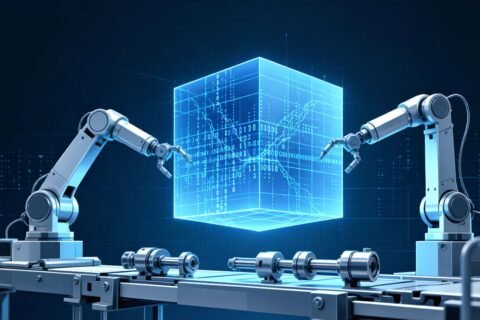
Schneider Electric has partnered with the City of Conroe, Texas, to modernize municipal water infrastructure through EcoStruxure Automation Expert (EAE), its open and software-defined automation platform.
As one of America’s rapidly expanding cities, Conroe faces rising water demand and increasing infrastructure pressure. Therefore, the city continues investing in scalable systems that improve operational resilience and long-term sustainability.
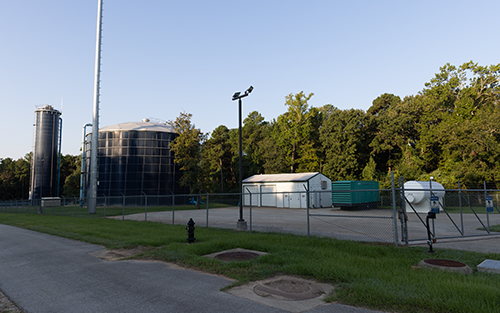
The latest deployment already spans 19 water and wastewater facilities, marking a major digital transformation initiative in municipal utility operations.
EcoStruxure Automation Expert Expands Open Control Systems
The project centers on EcoStruxure Automation Expert, Schneider Electric’s software-defined automation architecture.
Unlike traditional automation models tied to proprietary hardware, EAE promotes a vendor-agnostic and hardware-independent approach. This flexibility helps utilities simplify engineering workflows and accelerate project delivery.
For engineers familiar with PLC, DCS, and industrial control systems, this shift resembles the broader move toward software abstraction in factory automation and process industries.
As industrial automation evolves, open architectures increasingly influence infrastructure design decisions.
Faster Deployment Supports Water Capacity Expansion
Conroe selected a modular automation framework to shorten commissioning cycles and reduce engineering complexity.
The software-defined design enables quicker startup of new facilities and infrastructure projects. This capability supports the city’s expanding water network, including strategic developments such as the Silver Springs Bypass waterline.
In water utility environments, deployment speed often affects service continuity, capital planning, and operational readiness.
Therefore, modular automation platforms can deliver measurable value beyond standard process control.
Smart Water Management Improves Efficiency and Operational Performance
Conroe’s modernization strategy also targets operational efficiency.
By using advanced automation and intelligent monitoring, the city aims to reduce water losses, optimize plant performance, and improve service reliability.
These outcomes align closely with current trends in industrial automation and digital utility management.
In many water treatment facilities, engineers use integrated control systems, analytics, and remote diagnostics to improve asset utilization and lower lifecycle costs.
From an operational perspective, smarter automation often produces both technical and economic benefits.
Cybersecurity and Disaster Recovery Strengthen Infrastructure Resilience
Security remains a critical requirement for modern utility operations.
EcoStruxure Automation Expert incorporates cybersecurity functions, secure remote access, and disaster recovery capabilities.
These features matter significantly in regions vulnerable to severe weather disruptions. Texas utilities still recognize the long-term operational lessons linked to Hurricane Harvey.
In addition, secure automation frameworks support continuity planning for critical infrastructure.
For operators managing distributed assets, cyber resilience now stands alongside safety, uptime, and regulatory compliance.
Software-Defined Automation Reshapes Municipal Control Systems
The Conroe initiative highlights a wider industry movement toward software-defined operations.
Traditional automation environments often rely on tightly coupled hardware and custom programming. However, open automation models encourage portability, interoperability, and simplified lifecycle management.
This trend affects not only municipal water systems but also factory automation, energy infrastructure, and process industries.
Many automation professionals increasingly compare software-defined platforms with next-generation DCS architectures, where flexibility and modular engineering play larger roles.
The industry may see stronger adoption as infrastructure operators seek future-ready automation strategies.
Schneider Electric Expands Digital Water Innovation Worldwide
Schneider Electric continues growing its footprint within digital water management.
Beyond Conroe, organizations such as Singapore utilities, Royal HaskoningDHV, and Intidaya have adopted EcoStruxure Automation Expert for water-sector applications.
These projects use open automation principles to improve energy efficiency, streamline diagnostics, and reduce operational downtime.
This broader adoption suggests that software-defined automation has moved beyond experimental deployment into practical industrial use cases.
Sustainability and Intelligent Infrastructure Drive Long-Term Investment
Schneider Electric positions sustainability and operational efficiency at the center of its technology strategy.
The company combines expertise in electrification, industrial automation, digitalization, Industrial IoT, and lifecycle software solutions.
For municipalities, this integrated approach offers tools that support intelligent infrastructure planning, data-driven operations, and scalable system expansion.
As cities grow, water utilities increasingly require platforms that balance resilience, environmental performance, and engineering flexibility.
Application Scenario: Open Automation in Municipal Water Facilities
Consider a municipal water authority planning multiple treatment plant upgrades.
Traditional automation may require separate PLC programming environments, hardware-specific engineering tools, and lengthy commissioning processes.
An open, software-defined automation framework can simplify integration across sites.
Operators may gain benefits such as:
- Faster plant commissioning
- Simplified control system engineering
- Improved remote operations
- Stronger cybersecurity readiness
- Easier scalability for future expansion
- Reduced maintenance complexity
This approach reflects how industrial automation increasingly supports smart city infrastructure and critical public utilities.
Industry Perspective: Why Open Automation Matters for Future Water Systems
The water sector faces growing challenges from aging assets, climate uncertainty, cybersecurity threats, and population growth.
Consequently, utilities need automation systems that offer flexibility without sacrificing reliability.
The collaboration between Schneider Electric and Conroe demonstrates how open automation can support long-term infrastructure modernization.
For B2B readers in PLC, DCS, control systems, and factory automation, the project also signals a broader technology shift. Future infrastructure projects will likely demand automation platforms that combine interoperability, cybersecurity, and software-driven scalability.