Mimosa Mine Advances Mining Digital Transformation Through Industrial Automation
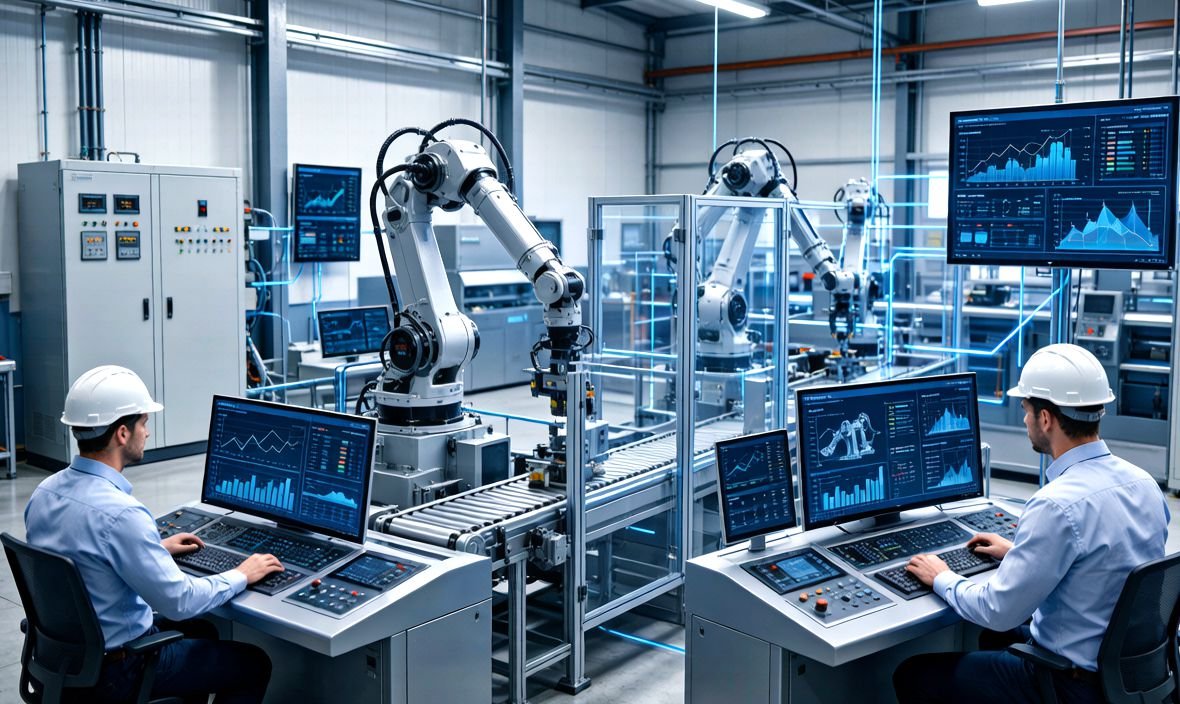
Rockwell Automation has expanded its collaboration with Mimosa Mine and Mine Elect to support a major digital transformation program in Zimbabwe’s mining industry. The initiative focuses on improving operational technology (OT) infrastructure, strengthening cybersecurity, and creating a sustainable digital foundation for future mining operations.Mimosa Mine operates a platinum-group metals (PGM) and base metals facility in Zimbabwe’s Midlands Province. The mine continues to modernize its production environment through investments in industrial automation, control systems, and secure digital technologies.As mining companies adopt more connected solutions, the integration of PLC, DCS, industrial networks, and data platforms becomes increasingly important. Therefore, Mimosa’s modernization strategy reflects a wider industry movement toward smarter and more resilient mining operations.
Modern OT Networks Improve Mining Control Systems
The digital migration project included upgrading Mimosa Mine’s operational technology network and transitioning legacy infrastructure toward Ethernet/IP-based industrial communication. This upgrade provides a stronger foundation for automation systems, process control, and future digital applications.Modern mining operations depend on stable communication between PLC systems, distributed control systems (DCS), remote I/O platforms, and industrial devices. Moreover, a structured network architecture allows engineers to improve system visibility while reducing operational risks.Rockwell Automation supported the project by applying industrial automation expertise, cybersecurity practices, and network design experience. The solution helped Mimosa Mine improve access management, data communication, monitoring capability, and recovery processes.
Cybersecurity has become a major priority for industries that operate critical infrastructure. Mining sites now connect more automation assets, production systems, and enterprise platforms, which increases potential cyber exposure.However, mining environments present unique challenges. Many facilities operate legacy equipment alongside modern automation platforms. In addition, harsh operating conditions and limited maintenance windows require careful technology deployment.The collaboration addressed these challenges through improved network segmentation, secure system access methods, and stronger protection strategies for industrial control environments.From an industrial automation perspective, cybersecurity cannot exist separately from production reliability. Engineers must design security measures that protect PLC, DCS, and factory automation systems without affecting process availability.
Rockwell Automation and Mine Elect Deliver Local Industrial Expertise
A key part of the project involved cooperation between Rockwell Automation and Mine Elect, a Zimbabwe-based Rockwell Automation specialty distributor with extensive industrial experience.Mine Elect provided local engineering support, implementation services, and onsite technical assistance. This partnership combined international automation knowledge with regional mining expertise.According to industry experience, successful automation projects require more than hardware installation. They need strong engineering coordination, lifecycle planning, and practical understanding of plant operations.By combining global technology resources with local execution capabilities, the project supported Mimosa Mine’s long-term digital sustainability goals.
Ethernet/IP Migration Supports Future Factory Automation Development
The migration from traditional OT networks to Ethernet/IP represents an important step in Mimosa Mine’s automation evolution. Ethernet/IP technology enables faster communication between industrial controllers, intelligent devices, and automation systems.For mining companies, this architecture supports applications such as production monitoring, asset management, predictive maintenance, and operational analytics.Moreover, standardized industrial communication networks simplify future system expansion. Engineers can integrate additional PLC platforms, control systems, and digital tools while maintaining a consistent infrastructure.In my experience working with industrial automation projects, network modernization often becomes the foundation for future improvements. A well-designed industrial network allows companies to introduce advanced automation technologies without replacing entire control architectures.
Mining Industry Moves Toward Connected and Secure Operations
The mining sector is experiencing rapid digital transformation. Companies increasingly use industrial automation, remote monitoring, artificial intelligence, and data analytics to improve productivity and safety.However, digital transformation requires balanced planning. Automation improvements must consider operational continuity, cybersecurity requirements, and existing equipment conditions.Mimosa Mine’s modernization program demonstrates how mining companies can gradually upgrade their infrastructure while protecting existing investments.The combination of PLC systems, DCS platforms, industrial networks, and cybersecurity frameworks will continue shaping the future of intelligent mining operations.
Application Case: Secure Automation Infrastructure for Mining Operations
The Mimosa Mine project represents a practical example of how industrial automation solutions support modern mining environments.Typical applications include:
PLC and control system modernization: Improving communication between controllers, field devices, and production systems.
Industrial network upgrades: Migrating legacy communication infrastructure to Ethernet/IP-based architectures.
OT cybersecurity enhancement: Applying network segmentation and secure access controls.
Remote monitoring improvement: Increasing operational visibility across mining assets.
Digital lifecycle management: Preparing automation infrastructure for future expansion.
These solutions are applicable to mining operations, mineral processing plants, power facilities, and other industrial environments that require secure and scalable automation systems.
Industry Perspective: Digital Resilience Becomes a Core Automation Requirement
The mining industry is no longer focused only on production capacity. Companies now evaluate how effectively their automation infrastructure supports safety, efficiency, and long-term competitiveness.Industrial automation providers such as Rockwell Automation continue to develop solutions that combine PLC, DCS, industrial cybersecurity, and digital transformation technologies.As operational technology and information technology continue to converge, companies must build automation strategies that address both productivity and security. Therefore, future industrial facilities will increasingly depend on integrated control systems and resilient digital infrastructure.
Industrial Automation Moves From Innovation Concepts to Factory Reality
Industrial automation is entering a new phase where artificial intelligence, digital twins, cyber security, and advanced control systems are becoming practical tools for manufacturers.For decades, PLC, DCS, SCADA, and industrial control systems have supported production operations. However, modern factories now require deeper integration between automation platforms, data analytics, and intelligent decision-making systems.At Siemens Transform in Manchester, industry leaders highlighted a clear trend: manufacturers no longer ask whether digital technologies matter. Instead, they ask how to deploy them effectively across real production environments.From my experience working with industrial automation systems, successful transformation depends less on adopting the newest technology and more on integrating solutions that improve measurable operational results.
Industrial AI and Automation Adoption Becomes a Business Priority
Industrial AI has moved beyond research projects and entered daily manufacturing discussions. Companies are exploring AI applications in predictive maintenance, quality inspection, production planning, and energy management.However, industrial environments differ significantly from consumer technology applications. Factory automation requires strict control, high availability, and predictable performance.For example, an AI system supporting a DCS platform must work alongside existing process control strategies. It must also respect operational limits defined by engineers and safety procedures.Therefore, manufacturers increasingly focus on practical AI deployment rather than experimental technology demonstrations.The key question is no longer “Can AI work?” but “Where can AI create reliable operational value?”
PLC and DCS Systems Become the Foundation of Digital Manufacturing
Modern manufacturing transformation still depends heavily on proven automation architectures. PLC systems continue to control machines, production lines, and discrete manufacturing processes.Meanwhile, DCS platforms remain central in industries such as oil and gas, chemical processing, power generation, and pharmaceutical manufacturing.Leading automation suppliers, including Siemens, Emerson, Schneider Electric, ABB, Honeywell, and Yokogawa, continue improving their control platforms by adding industrial networking, edge computing, and advanced analytics capabilities.Moreover, modern control systems increasingly support communication standards such as PROFINET, EtherNet/IP, FOUNDATION Fieldbus, and industrial Ethernet protocols.These developments allow factories to connect field devices, controllers, and enterprise systems while maintaining operational security.
Digital Twins Improve Factory Automation Performance
Digital twin technology has become an important component of industrial automation strategies. A digital twin creates a virtual representation of equipment, production lines, or complete facilities.Manufacturers use digital twins to simulate production changes before implementing them on the factory floor. As a result, companies can reduce commissioning time, improve maintenance planning, and optimize production performance.For example, engineers can test PLC logic changes or DCS configuration updates inside a virtual environment before applying modifications to live systems.However, digital twins deliver value only when companies maintain accurate equipment data and strong integration between engineering systems and operational technology.
Cyber Security Becomes Essential for Connected Control Systems
As factories become more connected, industrial cyber security has become a major concern.Traditional isolated automation networks are gradually evolving into connected industrial environments. This change improves visibility and efficiency, but it also introduces additional security challenges.Manufacturers must protect PLC networks, DCS servers, engineering workstations, and industrial communication systems from cyber threats.Therefore, modern automation projects increasingly follow security frameworks such as IEC 62443 industrial cyber security standards.In practical projects, I have observed that cyber security works best when engineers include protection measures during system design instead of adding them after installation.
Industrial Electrification Supports Energy Efficiency Goals
Electrification is another important factor influencing industrial automation development.Manufacturers are investing in energy monitoring systems, intelligent motor control, variable frequency drives, and automated power management solutions.Advanced automation platforms now help companies analyze energy consumption at equipment and production-line levels.Moreover, integrating electrical systems with PLC and SCADA platforms allows operators to identify energy losses and improve operational efficiency.This approach supports both productivity improvement and long-term sustainability objectives.
UK Manufacturing Faces Real Implementation Challenges
Although industrial automation technologies continue advancing, adoption remains challenging for many UK manufacturers.Legacy equipment remains common across factories. Many companies still operate machines designed decades ago, making integration with modern systems complex.In addition, skilled automation engineers remain in high demand. Companies need professionals who understand both traditional control systems and emerging digital technologies.The challenge is not simply installing new hardware or software. Successful transformation requires engineering knowledge, operational experience, and long-term planning.Therefore, manufacturers should prioritize realistic automation roadmaps instead of pursuing technology adoption without clear business objectives.
Industry Experience: Moving From Pilot Projects to Production Deployment
Many industrial companies have already completed small automation trials. However, moving from pilot projects to full-scale deployment remains difficult.A successful industrial AI or automation project must solve a specific operational problem.For example:
A power plant may use predictive analytics to identify turbine vibration issues before equipment failure.
A chemical facility may optimize process parameters through DCS data analysis.
A manufacturing plant may improve production quality using machine vision and PLC-based control integration.
These examples demonstrate that automation value comes from practical application rather than technology itself.In my view, the next generation of industrial automation will belong to companies that combine engineering fundamentals with digital capabilities.
Advanced Engineering Events Highlight the Future of Industrial Automation
Industry events such as Advanced Engineering at NEC Birmingham provide an important platform for manufacturers, technology providers, and engineering specialists to exchange practical knowledge.The discussion around Siemens Transform reflects a broader industrial movement. Companies are shifting from exploring digital possibilities toward implementing measurable solutions.Moreover, collaboration between automation suppliers, manufacturers, research organizations, and engineering communities will determine how quickly industrial transformation progresses.
Practical Solutions for Future Smart Factories
Manufacturers preparing for future automation projects should consider several key areas:Factory automation modernization:
Upgrade existing PLC, DCS, and SCADA systems while maintaining production continuity.Industrial data integration:
Connect field devices, control systems, and enterprise platforms to create usable operational data.Predictive maintenance:
Combine condition monitoring, vibration analysis, and AI models to reduce unexpected downtime.Cyber security improvement:
Protect industrial networks through structured security policies and IEC 62443 practices.Workforce development:
Train engineers in both traditional automation technologies and digital manufacturing tools.The future factory will not rely on automation alone. Instead, it will combine intelligent systems, skilled engineers, secure networks, and proven industrial practices.
Conclusion: Industrial Transformation Requires Action, Not Only Innovation
Industrial AI, digital twins, electrification, and advanced automation are changing manufacturing strategies worldwide.However, technology adoption alone does not guarantee success. Manufacturers must connect innovation with practical engineering requirements.The companies that achieve the greatest benefits will be those that understand their operational challenges and apply automation solutions with clear objectives.Industrial transformation is no longer a future concept. It is becoming a measurable engineering process happening across factories today.
Rockwell Singapore Site Earns WEF Lighthouse Recognition
Rockwell Singapore Receives Global Lighthouse Recognition
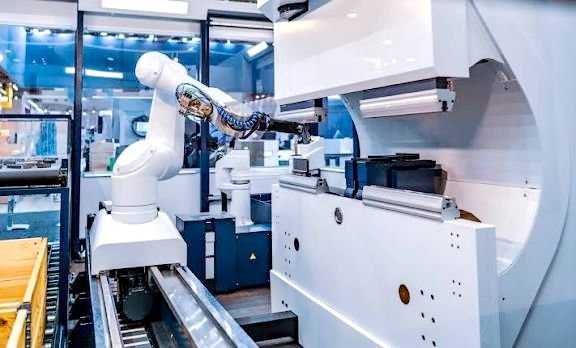
Rockwell Automation's Singapore manufacturing facility has joined the World Economic Forum's Global Lighthouse Network. The recognition highlights its large-scale use of digital technologies and artificial intelligence.The facility earned distinction in the productivity category. It demonstrates how industrial automation can improve manufacturing performance beyond individual production processes.Rockwell deployed more than 50 digital and AI-enabled solutions across the site. These solutions include intelligent automation, AI-based quality inspection, and predictive maintenance.
Industrial Automation Drives Factory Productivity
The Singapore facility uses automation and production data to improve operational decisions. Therefore, the site can respond faster to changing production requirements.Its transformation also focuses on flexible manufacturing. This approach allows production teams to adjust processes while maintaining consistent quality and output.In industrial automation projects, engineers increasingly connect PLC systems, control systems, sensors, and production software. As a result, manufacturers can analyze process data across multiple operational layers.This architecture supports faster troubleshooting and better production visibility. Moreover, it creates a stronger foundation for continuous process optimization.
AI Supports Quality Control and Predictive Maintenance
Rockwell's Singapore operation uses AI-enabled technologies for several manufacturing activities. AI-driven quality control helps identify defects and improve inspection processes.Predictive maintenance provides another important application. Maintenance teams can analyze equipment data and identify abnormal operating patterns before failures affect production.However, AI does not replace conventional automation architecture. PLCs, industrial networks, control systems, and field devices still provide the operational foundation.AI instead adds another analytical layer above established automation infrastructure. This combination can help plants turn equipment data into actionable maintenance and production decisions.
Data Connects PLC and Control System Operations
Modern factories generate large volumes of operational data from automation equipment. PLCs collect process information, while supervisory and control systems organize production data.Manufacturers can then connect this information with analytics and AI platforms. Therefore, engineers can evaluate production conditions using broader operational context.This approach also supports factory automation strategies across multiple production lines. In addition, standardized data structures can simplify the deployment of digital solutions across different facilities.From an engineering perspective, data quality remains important. Poor sensor signals, inconsistent tags, or incomplete historical data can reduce the value of AI applications.
Workforce Enablement Becomes a Major Automation Goal
Rockwell also reported faster workforce onboarding at the Singapore facility. Digital tools can help operators access process information and understand production procedures more quickly.This capability matters as manufacturers face changing workforce requirements. Experienced engineers often need to transfer process knowledge to newer personnel.Digital work instructions, production dashboards, and intelligent assistance can support this transition. Consequently, automation can improve both machine performance and workforce productivity.In my experience with industrial automation projects, successful digital transformation requires more than installing new software. Plants must also improve documentation, data structures, alarm management, and operator workflows.
Global Lighthouse Network Highlights Scaled Transformation
The World Economic Forum's Global Lighthouse Network focuses on manufacturers that apply advanced technologies at production scale. The program therefore provides a useful reference for industrial companies evaluating digital transformation.Rockwell's recognition also reflects a wider movement in manufacturing. Companies increasingly want measurable results from AI and automation investments.Many factories have already tested digital technologies through pilot projects. However, scaling those technologies across production environments presents a much greater engineering challenge.Manufacturers must address cybersecurity, system integration, data governance, equipment compatibility, and workforce training. Therefore, successful transformation requires coordinated engineering and operational planning.
Rockwell Connects Automation With AI
Rockwell Automation continues to position industrial automation, data, and AI as interconnected elements of modern manufacturing. Its Singapore facility provides a practical example of this strategy.The company stated that it wants to apply lessons from the site across its global operations and customer projects. This approach could help manufacturers move from isolated digital projects toward standardized automation architectures.For PLC and control system engineers, the trend has practical implications. Future factory architectures will likely combine traditional automation with analytics, machine learning, and cloud or edge computing.Nevertheless, manufacturers should evaluate each technology according to measurable operational requirements. AI adoption should support production goals rather than become a technology objective by itself.
A typical implementation can combine PLC control, industrial networking, condition monitoring, and AI analytics.For example, a production line can collect motor temperature, vibration, current, and process-cycle data. The control system manages real-time operation, while an analytics platform evaluates longer-term equipment behavior.Maintenance teams can then receive condition-based alerts. Meanwhile, production managers can monitor quality trends and equipment availability.This architecture creates a practical relationship between control systems and digital technologies. It also allows manufacturers to expand individual applications without replacing the underlying automation infrastructure.
Industry Outlook for AI and Control Systems
The Rockwell Singapore recognition reflects a broader shift toward data-driven manufacturing. Industrial companies increasingly expect automation investments to deliver measurable productivity and quality improvements.Moreover, AI will likely become more closely integrated with PLC, DCS, SCADA, MES, and industrial networking environments.However, the strongest implementations will maintain a clear separation between real-time control and higher-level analytics. Engineers should protect deterministic control functions while using AI where it provides practical value.In my view, the next stage of factory automation will focus less on isolated AI demonstrations. Instead, manufacturers will prioritize scalable architectures, standardized data, workforce enablement, and measurable operational results.The Singapore Lighthouse recognition therefore represents more than a technology milestone. It demonstrates how manufacturers can combine automation, data, and AI within a broader industrial transformation strategy.
Industrial Automation Demands More Durable Machine Vision Solutions
Modern industrial automation systems require accurate vision technologies that can operate under harsh production conditions. Manufacturing facilities often expose cameras to dust, water cleaning processes, vibration, and extreme temperatures. Therefore, traditional imaging devices may not meet the requirements of demanding factory environments.IDS Imaging Development Systems GmbH has expanded its uEye FA series with new rugged GigE Vision cameras. These cameras combine industrial-grade protection with high-resolution imaging capabilities. They target applications such as factory automation, quality inspection, and automated production monitoring.From practical industrial deployments, machine vision reliability directly affects production efficiency. A camera failure in an automated inspection line can interrupt the entire control process, including PLC sequences and manufacturing execution systems. Therefore, selecting suitable industrial cameras remains an important engineering decision.
GigE Vision Cameras Support Modern Factory Automation Systems
The latest uEye FA camera models use Sony STARVIS 2 image sensors with resolutions ranging from 2 MP to 12.5 MP. These sensors include IMX662, IMX664, IMX675, IMX678, and IMX676 variants.Moreover, all new models comply with the GigE Vision standard. This allows engineers to integrate the cameras into existing industrial networks without major system changes. GigE Vision technology provides high-speed image transmission through standard Ethernet infrastructure.In factory automation projects, Ethernet-based communication has become increasingly common. Many control systems now combine PLC platforms, industrial PCs, and vision systems through unified network architectures. As a result, GigE Vision cameras provide flexible options for automated inspection applications.
Sony STARVIS 2 Sensors Improve Industrial Image Quality
The Sony STARVIS 2 sensor technology enhances image performance in challenging lighting environments. These sensors provide high sensitivity, reduced image noise, and improved near-infrared (NIR) response.In addition, the Clear HDR function expands the camera’s dynamic range. This feature helps capture clear images when production areas contain strong contrast between bright and dark regions.For example, automated inspection systems in automotive, electronics, and semiconductor manufacturing often face inconsistent lighting conditions. Therefore, cameras with stronger HDR performance can improve defect detection accuracy and reduce false inspection results.
IP69K Protection Enables Operation in Harsh Environments
The uEye FA series features an IP69K-rated housing designed for industrial environments. The camera body, lens tube, and cable connections support operation in areas exposed to high-pressure cleaning and heavy contamination.Furthermore, the cameras can operate at temperatures down to -20 deg C. This makes them suitable for outdoor equipment monitoring, food processing lines, and industrial facilities with demanding environmental conditions.In industrial automation applications, environmental protection is not only a hardware requirement. Engineers must also consider cable routing, mounting methods, maintenance access, and long-term system stability. A complete machine vision solution requires coordination between mechanical design, electrical systems, and control software.
Asynchronous Triggering Supports Precise Machine Vision Control
The new uEye FA cameras include asynchronous exposure triggering for industrial inspection tasks. This function allows external devices to control image capture timing.For example, a PLC can send trigger signals to the camera when a product reaches a specific inspection position. The camera then captures images at the correct moment, improving synchronization between vision systems and production equipment.Moreover, accurate triggering helps manufacturers maintain consistent inspection results during high-speed production. This capability is especially valuable in applications requiring precise timing, such as packaging inspection, robotic guidance, and component verification.
Industrial Applications Across Manufacturing and Control Systems
The expanded IDS uEye FA series supports various industrial automation applications, including:
Automated quality inspection systems
Robotic vision guidance
Electronic component inspection
Automotive part verification
Packaging and labeling inspection
Machine condition monitoring
In many modern factories, vision systems work together with PLC, DCS, and industrial control systems. Cameras collect production data, while control platforms process signals and execute automation tasks.As industrial facilities move toward smart manufacturing, machine vision continues to become an important data source for digital production management. Therefore, rugged cameras with reliable communication and strong image performance will play a larger role in future automation architectures.
Industry Perspective: Rugged Vision Technology Supports Smart Manufacturing
The expansion of IDS rugged GigE Vision cameras reflects a broader trend in industrial automation. Manufacturers increasingly require intelligent sensors that can operate closer to production processes.From an engineering perspective, industrial cameras are no longer simple image capture devices. They have become important components within complete automation ecosystems involving PLC controllers, industrial networks, and data analysis platforms.However, successful machine vision deployment requires more than selecting a high-resolution camera. Engineers should evaluate environmental conditions, communication protocols, lighting design, inspection speed, and integration requirements before implementation.The combination of rugged hardware, advanced sensors, and standardized communication interfaces provides manufacturers with more flexible solutions for future factory automation projects.
Application Scenario: Automated Inspection System for Production Lines
A typical application involves an automotive component production line using PLC-controlled inspection equipment. The PLC manages conveyor movement and sends trigger signals to the IDS uEye FA camera.The camera captures high-resolution images of each component and transfers inspection data through the GigE Vision interface. The industrial PC analyzes image results and sends quality information back to the control system.This architecture helps manufacturers identify defects earlier, reduce manual inspection workloads, and improve production consistency. Moreover, the rugged camera design allows continuous operation in demanding factory environments.
The industrial automation industry continues to adopt wireless IoT technologies as manufacturers seek better visibility, asset management, and operational efficiency. According to industry research from Berg Insight, global shipments of wireless devices for industrial automation applications reached approximately 5.8 million units in 2025.These wireless devices represented around 6% of newly connected industrial nodes worldwide. Moreover, market analysts expect annual shipments to grow at a compound annual growth rate (CAGR) of 8.1%, reaching about 8.5 million units by 2030.From an industrial engineering perspective, this growth reflects a major shift in how companies design control systems. Wireless technologies are no longer limited to temporary monitoring tasks. Instead, they now support long-term industrial data acquisition, predictive maintenance, and digital transformation strategies.
Wireless IoT Supports Continuous Monitoring in Process Industries
Process industries such as oil and gas, chemical production, power generation, and water treatment require continuous monitoring of critical variables. Therefore, industrial wireless instrumentation has become an important extension of traditional wired control architectures.Field devices collect data related to pressure, temperature, vibration, flow, and equipment status. These measurements help operators improve process stability and reduce unexpected downtime.In modern DCS and PLC environments, wireless sensors increasingly complement conventional field networks. They provide additional measurement points without requiring extensive cable installation or complex infrastructure modifications.Based on practical industrial projects, wireless monitoring solutions often provide the greatest value in locations where cable installation creates safety risks or high maintenance costs.
Wireless technology is also expanding beyond process industries into factory automation applications. Manufacturers increasingly deploy wireless sensors for machine condition monitoring, production equipment diagnostics, and maintenance optimization.For example, vibration sensors installed on rotating equipment can transmit real-time machine health data to industrial gateways. Maintenance teams can then analyze this information through industrial software platforms and schedule repairs before failures occur.However, wireless solutions do not completely replace traditional industrial communication networks. Ethernet-based systems, fieldbus networks, and industrial backplanes remain essential for high-speed control applications.Instead, wireless technologies create additional monitoring layers that improve visibility across manufacturing facilities.
Industrial Wireless Technologies Improve Connectivity in Difficult Areas
Many industrial facilities still rely on wired communication between sensors, controllers, and supervisory systems. However, wiring becomes challenging in hazardous zones, remote locations, mobile equipment, and temporary installations.Wireless networks provide an effective alternative in these environments. They reduce installation complexity and allow engineers to connect equipment that was previously difficult to monitor.Leading industrial wireless technologies include Wi-Fi, IEEE 802.15.4, Bluetooth, cellular communication, IO-Link Wireless, and proprietary radio solutions operating in ISM frequency bands.Moreover, industrial wireless networks often support gateway-based architectures. These gateways collect field data and transfer information to PLC, DCS, SCADA, or cloud-based platforms.
Major Industrial Automation Suppliers Expand Wireless Product Portfolios
Major automation manufacturers continue to strengthen their wireless industrial solutions. Companies such as ABB, Emerson, Honeywell, Omron, Rockwell Automation, Schneider Electric, Siemens, and Yokogawa now provide wireless field devices and communication products.These suppliers integrate wireless capabilities into broader industrial automation ecosystems. Their solutions support applications ranging from process control and factory automation to remote asset monitoring.In addition, specialized sensing companies such as Balluff, Banner Engineering, Endress+Hauser, ifm electronic, Pepperl+Fuchs, SICK, Turck, and Vega provide industrial wireless sensing products for different manufacturing environments.The increasing involvement of established automation suppliers shows that wireless communication has become an important component of future control system architectures.
Industrial Wireless Gateways Connect Remote Assets and Control Systems
Industrial networking companies are also expanding wireless product offerings. Siemens, Cisco, Belden, Moxa, and Phoenix Contact provide industrial routers, gateways, and access points that support both wired and wireless infrastructure.These products allow factories to connect isolated equipment areas while maintaining communication with existing PLC and DCS platforms.Cellular IoT gateways are especially useful for distributed automation systems. They support remote monitoring of pipelines, substations, renewable energy installations, and geographically separated industrial assets.Major suppliers in this segment include Teltonika Networks, Cisco, Moxa, Siemens, HMS Networks, Phoenix Contact, Advantech, Robustel, Digi International, and InHand Networks.
Cyber Security Becomes a Core Requirement for Industrial IoT Systems
As industrial networks become more connected, cyber security has become one of the highest priorities for automation engineers and system integrators.The integration of operational technology (OT) and information technology (IT) increases the number of communication points inside industrial environments. Therefore, manufacturers must protect wireless devices, gateways, controllers, and control software from potential security threats.Modern industrial wireless solutions increasingly include security functions such as encrypted communication, device authentication, network segmentation, and secure remote access.From field experience, cyber security should be considered during the initial system design stage rather than added after installation. A secure industrial automation architecture requires cooperation between control engineers, IT specialists, and equipment suppliers.
Wireless IoT Drives the Future Development of PLC and DCS Systems
Wireless connectivity will continue to influence the evolution of industrial automation systems. PLC, DCS, SCADA, and industrial edge platforms will increasingly combine wired control with wireless data collection.However, engineers must select communication technologies according to application requirements. High-speed closed-loop control still depends on deterministic wired networks, while wireless solutions provide flexibility for monitoring and diagnostics.Moreover, the growth of industrial AI and digital twin technologies will increase demand for more connected field data sources.The future industrial plant will likely use a hybrid communication model that combines Ethernet, fieldbus, wireless sensors, and edge computing platforms.
Industrial Wireless IoT Application Scenarios
Remote Equipment Monitoring in Energy Facilities
Power plants and renewable energy sites often contain equipment distributed across large areas. Wireless vibration and temperature sensors can monitor transformers, motors, pumps, and rotating machinery.These systems reduce manual inspection requirements and improve maintenance planning.
Hazardous Area Monitoring in Process Plants
Chemical and petrochemical facilities require continuous monitoring in areas where cable installation is expensive or difficult.Wireless instruments can provide additional process measurements while reducing installation complexity.
Smart Factory Machine Health Management
Manufacturing plants use wireless sensors to collect machine condition data. Production teams analyze this information to improve equipment availability and reduce production interruptions.
Industry Outlook: Wireless Connectivity Becomes a Key Layer of Automation Architecture
The rapid growth of industrial wireless IoT devices indicates a broader transformation within the automation industry. Wireless communication is becoming a practical tool for improving asset visibility, operational efficiency, and maintenance strategies.Although traditional PLC and DCS communication networks remain fundamental, wireless technologies add valuable flexibility for modern industrial applications.In the coming years, successful industrial automation projects will depend on balancing connectivity, reliability, cybersecurity, and application requirements. Companies that adopt suitable wireless solutions will gain better control over complex industrial operations.
Industrial Automation Market Outlook: Honeywell and Rockwell Compete for Future Growth
The global industrial automation market continues to expand as manufacturers invest in smarter factories, digital transformation, and energy-efficient operations. Companies increasingly adopt PLC, DCS, industrial software, and advanced control systems to improve productivity and reduce operating costs.Honeywell Technologies and Rockwell Automation remain two major players in this market. Both companies provide automation solutions for process industries, manufacturing plants, infrastructure projects, and energy applications. However, their growth paths differ because they focus on different industrial segments.From an industrial automation perspective, Honeywell has stronger exposure to process automation and building technologies. Meanwhile, Rockwell Automation maintains a stronger position in discrete manufacturing, factory automation, and smart production systems.For investors evaluating industrial technology stocks in 2026, comparing their fundamentals, market demand, and automation strategies provides valuable insight.
Honeywell Industrial Automation Business: Strengths and Market Opportunities
Honeywell continues to benefit from increasing demand for automation solutions across commercial buildings, industrial facilities, and energy projects. The company supports customers with control systems, industrial measurement technologies, safety solutions, and process automation platforms.The Building Automation segment shows strong momentum. Growing construction activity in North America, India, and the Middle East creates new opportunities for smart building control systems. In addition, rising investment in data centers and healthcare facilities supports demand for automation equipment.During the second quarter, Honeywell’s Building Automation business achieved 9% organic revenue growth compared with the previous year. The result reflects stronger project activity and increased adoption of intelligent building technologies.The Industrial Automation segment also performed positively. Higher demand for sensing products and industrial measurement solutions helped drive organic revenue growth of approximately 4% year over year.From an engineering perspective, Honeywell benefits from decades of experience in process control environments. Its automation technologies support industries such as oil and gas, chemicals, refining, and power generation, where DCS platforms and safety systems remain essential components.
Honeywell Process Automation Challenges: Pressure on Growth and Margins
Although Honeywell maintains a strong industrial position, its Process Automation and Technology segment faces short-term challenges.The segment reported a 1% organic revenue decline in the second quarter of 2026 after a 6% decline in the first quarter. Lower aftermarket activity, especially reduced refining catalyst shipments, affected overall performance.However, new LNG projects and industrial automation investments provide future growth opportunities. Energy companies continue to modernize facilities with advanced control systems, remote monitoring platforms, and digital optimization tools.Honeywell also faces cost pressure. Rising production expenses and operating costs reduced profitability during the period. The company’s total cost of sales increased year over year, while operating margins declined.In my experience working with industrial automation systems, process industries usually recover slowly after investment cycles weaken. Customers often delay large DCS upgrades but continue investing in maintenance, cybersecurity, and operational improvements.Therefore, Honeywell’s near-term performance depends heavily on the recovery of process industries and large automation projects.
Honeywell Portfolio Restructuring: Impact of Aerospace Separation
Honeywell recently completed a major corporate restructuring strategy. The company separated its Aerospace Technologies business and created independent public companies.The restructuring aims to simplify operations and allow each business unit to focus on its core market opportunities.In addition, Honeywell completed the sale of its warehouse and workflow solutions business. These actions may improve strategic focus, but they could also affect short-term financial comparisons.For industrial automation customers, the key question remains whether Honeywell can accelerate investment in its automation portfolio. Areas such as industrial software, connected control systems, and digital process optimization will determine future competitiveness.
Rockwell Automation Growth Strategy: Strong Position in Factory Automation
Rockwell Automation continues to benefit from strong demand in manufacturing automation. The company specializes in PLC systems, industrial networks, motion control, factory software, and smart manufacturing solutions.Unlike Honeywell’s stronger process industry exposure, Rockwell focuses heavily on discrete and hybrid manufacturing markets. These include automotive, semiconductor, food and beverage, life sciences, and warehouse automation.The company reported strong demand across multiple industrial sectors. Automotive customers continue upgrading production lines, while semiconductor manufacturers increase investment due to artificial intelligence and data center expansion.Rockwell’s e-Commerce and Warehouse Automation business also remains a major growth driver. Many companies prefer upgrading existing warehouses instead of building completely new facilities.This trend creates demand for PLC-based control systems, industrial Ethernet networks, robotics integration, and manufacturing execution systems.
Rockwell Automation Technology Advantages in Smart Manufacturing
Rockwell has built a strong reputation in factory automation through its Allen-Bradley PLC platforms, industrial control systems, and digital manufacturing solutions.Modern factories increasingly require integrated automation architectures. These systems combine PLC controllers, industrial communication networks, robotics, sensors, and cloud-based analytics.Rockwell’s ecosystem supports manufacturers moving toward Industry 4.0 strategies. Customers can improve production visibility, predictive maintenance, and operational efficiency through connected automation platforms.Moreover, Rockwell continues expanding its automation solutions for life sciences and food production industries. These sectors require strict process control, traceability, and regulatory compliance.Based on industrial project experience, manufacturers often select Rockwell solutions when they need flexible factory automation platforms with strong local support networks.
Rockwell Automation Financial Outlook: Pricing Strategy and Market Risks
Rockwell continues improving profitability through productivity programs and pricing strategies. The company expects pricing adjustments to offset tariff impacts during fiscal 2026.Management raised its fiscal 2026 sales growth outlook, supported by stronger demand across key industries. The company also increased its adjusted earnings forecast.However, challenges remain. The Lifecycle Services segment continues experiencing weaker demand because some customers delay large capital projects.Many manufacturers currently prioritize smaller modernization projects rather than complete factory expansions. Therefore, automation suppliers must provide scalable solutions that deliver measurable returns.Rockwell’s ability to combine hardware, software, and lifecycle services will determine its long-term competitiveness.
Honeywell vs Rockwell Automation: Industrial Automation Investment Comparison
From an industrial technology perspective, both companies have attractive long-term opportunities. However, their strengths come from different automation markets.
Category
Honeywell Technologies
Rockwell Automation
Main Market
Process automation, building automation, industrial measurement
Factory automation, PLC, manufacturing systems
Key Industries
Oil and gas, chemicals, energy, infrastructure
Automotive, semiconductor, food, life sciences
Automation Strength
DCS, safety systems, process control
PLC, motion control, smart manufacturing
Growth Driver
LNG projects, building technology, industrial measurement
Factory upgrades, digital manufacturing, AI-related investment
Main Challenge
Process automation slowdown and margin pressure
Weak lifecycle service demand
Honeywell provides strong industrial diversification, but current earnings pressure creates uncertainty. Rockwell benefits from stronger factory automation demand and clearer manufacturing growth trends.Therefore, from a growth perspective, Rockwell Automation appears better positioned for industrial automation expansion in 2026.
Industrial Automation Industry Trend: PLC, DCS, and Digital Transformation
The competition between Honeywell and Rockwell reflects a larger industry transformation.Industrial customers are moving beyond traditional automation upgrades. They now require integrated solutions combining PLC controllers, DCS platforms, industrial cybersecurity, cloud analytics, and artificial intelligence.Process industries continue improving DCS systems for safety, efficiency, and regulatory compliance. Meanwhile, manufacturers invest heavily in flexible factory automation and robotics.The future industrial automation market will favor companies that successfully combine hardware expertise with software capabilities.Both Honeywell and Rockwell understand this trend. However, Rockwell currently has stronger momentum in smart factory applications, while Honeywell remains highly competitive in process industries.
Energy companies use Honeywell automation platforms for refinery control, LNG processing, and safety instrumented systems. These applications require stable DCS operation, advanced monitoring, and reliable process optimization.
Automotive Smart Factory Automation
Automotive manufacturers use Rockwell PLC systems, industrial networks, and motion control technologies to improve production flexibility. These solutions support robotic assembly, quality inspection, and production scheduling.
Semiconductor Manufacturing Automation
Semiconductor plants require precise environmental control, high equipment availability, and advanced factory automation. Both companies support this market through industrial control technologies and digital solutions.
Final Analysis: Rockwell Automation Shows Stronger Near-Term Upside
Honeywell remains a respected industrial automation company with extensive process control experience and a broad technology portfolio. However, challenges in process automation demand and recent restructuring create short-term uncertainty.Rockwell Automation benefits from stronger manufacturing investment trends, especially in automotive, semiconductor, warehouse automation, and smart factories.For investors seeking exposure to industrial automation growth, Rockwell currently presents a more favorable outlook due to stronger demand visibility and better alignment with factory digitalization trends.However, industrial automation markets remain cyclical. Long-term success will depend on innovation, customer adoption, and the ability to deliver integrated PLC, DCS, and digital control solutions.
Rockwell Automation’s Role in the New Era of Industrial Automation
Rockwell Automation remains one of the most influential companies in the global industrial automation market. The company focuses on helping manufacturers build smarter, connected, and more efficient production environments through PLC, control systems, industrial software, and digital transformation solutions.As factories face rising labor costs, supply chain uncertainty, and increasing demand for production flexibility, industrial automation has become a strategic priority. Rockwell Automation combines hardware platforms, software ecosystems, and industrial services to support manufacturers moving toward smart manufacturing.From a technical perspective, the next industrial revolution is not only about replacing manual operations with machines. Instead, it focuses on connecting production equipment, collecting industrial data, and applying analytics and artificial intelligence to improve decision-making.
Industrial Automation Market Growth Creates New Opportunities
The global industrial automation market continues to expand as manufacturers invest in factory modernization. Technologies such as PLC systems, DCS platforms, industrial IoT, and advanced control systems are becoming important components of modern production facilities.Rockwell Automation benefits from this long-term industry trend because its solutions cover multiple layers of industrial architecture. These layers include field devices, controllers, supervisory software, manufacturing execution systems, and enterprise-level analytics.Moreover, many industries are upgrading aging automation infrastructure. Manufacturers in automotive, pharmaceutical, energy, and logistics sectors increasingly require flexible control systems that can improve productivity while reducing operational risks.Based on years of industrial automation experience, successful digital transformation depends on practical integration between existing equipment and new technologies. Companies cannot achieve smart manufacturing simply by installing software. They need reliable PLC control, industrial networking, data management, and skilled engineering support.
AI and Industrial Software Are Changing Factory Operations
Rockwell Automation has increased its focus on software-driven industrial solutions. The company is expanding beyond traditional automation hardware by integrating artificial intelligence, cloud platforms, and industrial analytics into its product ecosystem.Solutions such as FactoryTalk software platforms help manufacturers monitor production data, analyze equipment performance, and optimize factory processes. With AI assistance, engineers can improve programming efficiency, identify abnormal operating conditions, and reduce troubleshooting time.In addition, digital twin technology has become an important development direction. Digital twins allow engineers to create virtual models of machines or production lines before physical implementation.This approach helps manufacturers test control logic, simulate production processes, and reduce commissioning time. For large industrial projects, digital simulation can significantly improve project efficiency and reduce engineering costs.However, AI adoption in industrial environments requires careful implementation. Unlike consumer applications, industrial systems must meet strict requirements for safety, availability, and cybersecurity.
PLC, DCS, and Control Systems Remain the Foundation of Smart Manufacturing
Although artificial intelligence attracts significant attention, traditional automation technologies remain the foundation of industrial operations.PLC systems continue to control manufacturing equipment, packaging lines, robotic systems, and process machinery. Rockwell’s Allen-Bradley PLC platforms are widely used in discrete manufacturing applications where fast control response and flexible programming are required.Meanwhile, DCS solutions remain important in continuous process industries such as oil and gas, chemical processing, and power generation. These industries require stable process control, advanced monitoring, and high system availability.Therefore, the future industrial automation architecture will not replace PLC or DCS systems. Instead, it will combine automation controllers with industrial software, edge computing, and AI technologies.This integrated approach allows factories to move from traditional automation toward intelligent operational management.
Several industries are accelerating investments in automation technology. These sectors provide long-term opportunities for Rockwell Automation and other global automation suppliers.The logistics and warehouse automation sector continues to grow rapidly because companies need faster and more accurate material handling systems. Automated storage, robotics, and industrial control systems help companies improve distribution efficiency.The pharmaceutical and life sciences industries are also increasing automation investment. Manufacturers require precise process control, electronic documentation, and regulatory compliance. Industrial automation systems help improve production consistency and quality management.Energy infrastructure represents another important growth area. As power demand increases from data centers and industrial facilities, companies require advanced monitoring and control solutions. Automation technologies support energy management, equipment monitoring, and operational optimization.
Software-Based Revenue Model Improves Long-Term Value
Rockwell Automation is gradually shifting from a hardware-focused business model toward software and recurring service solutions.Traditional automation suppliers mainly generated revenue from controllers, hardware modules, and engineering projects. However, modern industrial customers increasingly require continuous software updates, analytics services, cybersecurity solutions, and lifecycle support.This transformation creates more stable revenue opportunities. Software platforms also allow automation suppliers to maintain long-term relationships with industrial customers.From an industry viewpoint, this strategy reflects a broader change among automation companies. Siemens, ABB, Schneider Electric, Emerson, and Honeywell are also investing heavily in industrial software and AI capabilities.Competition will continue increasing because automation companies are competing not only on hardware performance but also on digital ecosystems.
Competitive Pressure in the Industrial Automation Industry
Rockwell Automation operates in a highly competitive global market. Major competitors include Siemens, ABB, Schneider Electric, Emerson, and Honeywell.These companies are developing similar strategies by combining automation hardware with industrial software platforms.Siemens focuses on industrial digitalization through its automation portfolio and Industrial Edge technologies. ABB continues expanding robotics, process automation, and digital energy solutions. Schneider Electric emphasizes industrial energy management and automation integration.Therefore, Rockwell must continuously improve software capabilities, cybersecurity solutions, and global customer support.The industrial automation market rewards companies that can combine engineering expertise with digital innovation. Strong hardware alone is no longer enough.
Challenges and Risks Facing Rockwell Automation
Despite strong industry demand, Rockwell Automation faces several challenges.First, industrial automation investment depends heavily on economic conditions. When manufacturers reduce capital spending, automation projects may experience delays.Second, competition from global automation leaders creates pricing pressure. Companies must continue investing in research and development to maintain technological advantages.Third, industrial cybersecurity has become a major concern. As factories connect more devices through industrial networks, protecting PLC systems, SCADA platforms, and production data becomes increasingly important.Manufacturers now expect automation suppliers to provide not only control solutions but also secure digital infrastructure.
Future Outlook: Building Intelligent and Connected Factories
The next stage of industrial development will focus on intelligent factories that combine automation, data, and artificial intelligence.Rockwell Automation is positioned to benefit from this transformation because it provides solutions across factory automation, PLC control, industrial software, and digital services.However, success will depend on practical execution. Industrial customers need solutions that deliver measurable improvements in productivity, quality, safety, and operational efficiency.Based on real-world automation projects, the most successful smart factories usually adopt a gradual transformation approach. They first improve control systems, then connect industrial data, and finally introduce advanced analytics and AI applications.This approach reduces implementation risks and creates sustainable improvements.
Industrial Automation Application Examples
Automotive ManufacturingAutomotive factories use Rockwell PLC systems, industrial networks, robotics integration, and manufacturing software to improve assembly efficiency. Digital simulation helps engineers optimize production lines before installation.Pharmaceutical ProductionPharmaceutical manufacturers require precise temperature control, process monitoring, and electronic records. Industrial automation systems support compliance requirements while improving production consistency.Energy and InfrastructurePower facilities use automation control systems for equipment monitoring, energy management, and operational optimization. Industrial software helps operators analyze performance data and improve efficiency.Warehouse AutomationModern logistics centers combine robotics, PLC control, sensors, and software platforms to manage high-speed material handling operations.
Conclusion: Rockwell Automation’s Position in the Industrial Revolution
Rockwell Automation represents the transition from traditional automation toward intelligent industrial ecosystems. The company’s future growth depends on combining PLC technology, control systems, industrial software, AI, and digital twin capabilities.The industrial revolution ahead will not be defined by a single technology. Instead, it will come from the integration of automation engineering, industrial data, and intelligent decision-making.For manufacturers worldwide, the goal is clear: build factories that operate with higher efficiency, greater flexibility, and improved resilience.Rockwell Automation remains an important participant in this transformation, but long-term success will depend on its ability to deliver practical, secure, and scalable industrial automation solutions.
Durst and TUM Venture Labs Build a New Industrial Automation Ecosystem
Durst Group has started a multi-year cooperation with TUM Venture Labs to accelerate innovation in robotics, artificial intelligence, and industrial automation. The partnership connects industrial experience with deep-tech research capabilities from the Technical University of Munich and UnternehmerTUM.As a Platinum Partner of TUM Venture Labs, Durst becomes the first Italian company to join this innovation network. The cooperation focuses on the Robotics/AI Lab in Munich, which supports developments in robotics, embedded systems, AI technologies, and factory automation.For modern manufacturers, this collaboration reflects a major shift. Traditional production systems based on isolated machines are gradually evolving into connected control systems that integrate data, software, automation hardware, and intelligent algorithms.
Industrial Automation Moves Toward Intelligent Production Platforms
Durst is developing its intelligent production platform Kyveris™, which combines machines, software, operational data, and artificial intelligence. The platform aims to create a more connected manufacturing environment with improved production visibility and process control.Moreover, the AuRo-Layer technology extends automation capabilities from digital systems into the physical production area. It integrates robotics, automated material handling, and autonomous workflows directly into factory operations.From an industrial automation perspective, this approach follows the development direction of Industry 4.0. Modern factories increasingly combine PLC systems, DCS architectures, industrial networks, and AI-based optimization tools to improve efficiency and flexibility.
Robotics and AI Improve Factory Automation Capabilities
The cooperation between Durst and TUM Venture Labs focuses on practical industrial challenges. These challenges include intelligent robotics, autonomous systems, human-machine interaction, simulation technology, embedded AI, and digital twin applications.In real production environments, robotics and AI must work together with existing control systems. Engineers need to consider PLC communication, industrial safety requirements, motion control accuracy, and real-time data processing.Therefore, successful automation projects require more than advanced algorithms. They also require deep knowledge of mechanical engineering, electrical control, production processes, and system integration.
Smart Control Systems Connect Machines, Data and Artificial Intelligence
Durst’s Kyveris™ concept represents a broader industry trend toward learning production systems. These systems collect operational data, analyze production conditions, and support continuous process improvement.In traditional factory automation, PLC controllers execute predefined logic based on programmed instructions. However, intelligent production systems add another layer by using AI models and data analytics to optimize processes.For example, manufacturers can combine machine condition data, production parameters, and digital simulation results to improve maintenance planning and reduce unexpected downtime.This development creates new opportunities for industrial automation suppliers, including PLC manufacturers, DCS providers, robotics companies, and industrial software developers.
Industry Collaboration Accelerates Automation Innovation
According to Christoph Gamper, CEO and Co-Owner of Durst Group, future production environments will become more connected, adaptive, and autonomous. He emphasizes that collaboration between industry, research organizations, startups, and engineering teams will drive the next generation of manufacturing technology.Dr. Philipp Gerbert, CEO of TUM Venture Labs, highlights that robotics and AI achieve practical value when they solve real industrial problems.The cooperation creates a platform where researchers, engineers, entrepreneurs, and manufacturers can exchange ideas. As a result, new automation solutions can move from laboratory concepts into industrial applications faster.
Based on industrial automation development experience, successful smart factory projects require strong integration between hardware and software. Robotics systems must communicate effectively with PLC controllers, safety systems, industrial networks, and manufacturing execution platforms.Moreover, companies must evaluate factors such as system reliability, cybersecurity, lifecycle management, and operator requirements before implementing autonomous production technologies.Durst’s cooperation model provides a practical example of how manufacturers can combine mechanical engineering knowledge with modern automation technologies. This approach can support applications beyond the printing industry, including packaging, manufacturing, logistics, and process industries.
Future Trends: From Automated Machines to Learning Production Systems
The industrial automation market is moving from simple machine automation toward intelligent and adaptive manufacturing systems. Technologies such as AI-based control, digital twins, industrial IoT, and autonomous robotics will continue influencing factory design.However, companies should adopt these technologies based on actual production requirements rather than following technology trends alone. A successful transformation requires clear objectives, skilled engineers, and a well-planned automation architecture.The cooperation between Durst and TUM Venture Labs demonstrates an important industry direction: the future factory will not only execute programmed tasks but also analyze data, optimize operations, and continuously improve production performance.
These solutions demonstrate how industrial automation technologies can transform traditional factories into connected, data-driven production environments.
Mouser Adds Nine New Suppliers to Accelerate Next‑Gen Factory AutomationMouser Electronics expands its industrial automation lineup by adding nine strategic suppliers in early 2026.This move gives engineers faster access to advanced technologies for next‑generation industrial systems.Moreover, it supports growing demand for smarter, safer, and more connected manufacturing environments worldwide.Industrial Automation Demand Drives Broader Technology AccessModern factories now rely heavily on AI, connectivity, power, control, and sensing technologies.Therefore, engineers must integrate diverse components into unified, high‑performance automation systems.In addition, industrial networks and robotics require reliable parts from trusted global suppliers.New Supplier Partnerships Enhance Control Systems and InfrastructureMouser’s new partners strengthen capabilities across PLC, DCS, and industrial networking applications.For example, ELKO EP delivers electronic controls for building and industrial automation systems.Evezor offers modular platforms that simplify motion control and flexible machine design.Connectivity and Power Solutions Support Factory Automation GrowthLAPP and METZ CONNECT provide robust cabling and industrial Ethernet connectivity solutions.Meanwhile, LITEON Power supplies efficient power conversion technologies for demanding environments.These additions help engineers improve uptime and performance in complex automation projects.Sensing and Safety Technologies Advance Industrial System PerformanceNOSHOK and Sensor Solutions deliver precise measurement instruments for critical process variables.As a result, operators gain better monitoring, safety, and compliance across industrial facilities.StarTech and icotek further enhance system reliability through cable management and IT integration.Technical Resources Empower Engineers Across Industrial ApplicationsMouser supports design teams with technical articles, blogs, and video learning resources.Consequently, engineers can shorten development cycles and reduce integration risks effectively.This approach aligns with industry needs for scalable, future‑ready automation architectures.Conclusion: A Stronger Supply Chain for Modern Industrial AutomationMouser’s expanded portfolio ensures faster access to essential industrial automation technologies.Ultimately, these partnerships help manufacturers build smarter, safer, and more efficient factories.Engineers now have a stronger foundation for deploying advanced PLC and DCS solutions globally.
ABB Named a Leader in the 2025 Gartner Magic Quadrant for Global Industrial IoT Platforms
ABB Strengthens Industrial Automation Leadership in Gartner IoT Evaluation
ABB has been named a Leader in the 2025 Gartner Magic Quadrant for global Industrial IoT platforms.
The recognition highlights ABB’s strong position in industrial automation and digital transformation.
Moreover, it confirms the company’s consistent performance in industrial AI and connected systems.
Therefore, ABB continues to strengthen its role in data-driven factory automation and process industries.
Gartner Magic Quadrant Context for Industrial IoT and Control Systems
The Gartner Magic Quadrant evaluates technology vendors across high-growth industrial software markets.
It classifies providers into Leaders, Visionaries, Challengers, and Niche Players.
Moreover, Leaders demonstrate strong execution and a clear long-term strategy.
In addition, the framework helps industrial buyers assess industrial automation and control systems platforms objectively.
As a result, ABB’s position signals strong credibility in global industrial IoT ecosystems.
ABB Genix Platform for Industrial IoT and Data Integration
ABB’s recognition is strongly linked to its ABB Genix Industrial IoT and AI Suite platform.
The Genix platform integrates operational technology, information technology, and engineering systems.
Moreover, it enables real-time data contextualization across industrial automation environments.
Therefore, it supports predictive analytics, performance optimization, and AI-driven decision-making.
In factory automation environments, this improves operational visibility and system responsiveness.
AI-Driven Industrial Automation and Predictive Maintenance Capabilities
Genix supports advanced use cases such as predictive maintenance and digital twins.
Moreover, it helps industries improve asset reliability and reduce unplanned downtime.
Engineers can apply AI models to process and discrete manufacturing systems.
Therefore, control systems become more adaptive and data-driven over time.
In addition, industrial operators gain better decision support across PLC and DCS environments.
Modular Architecture Supporting Cloud, Edge, and Hybrid Deployment
The Genix platform uses a modular architecture designed for scalable industrial deployment.
It supports cloud, edge, and hybrid computing models.
Moreover, this flexibility allows integration with existing industrial automation infrastructure.
Therefore, companies can modernize systems without replacing core control systems.
In addition, APIs and Industrial DataOps layers enable seamless data exchange between platforms.
Ecosystem Strategy and Enterprise Integration in Factory Automation
ABB expands Genix through partnerships with major technology providers such as Microsoft and Red Hat.
These collaborations enhance cloud integration and industrial cybersecurity capabilities.
Moreover, they support large-scale deployment across energy, maritime, and manufacturing industries.
Therefore, ABB strengthens its ecosystem approach in global factory automation markets.
In addition, enterprise integration improves scalability for multi-site industrial operations.
Author Insight on Industrial AI and Automation Market Direction
Industrial automation is moving toward autonomous operations driven by AI and real-time data.
However, many legacy PLC and DCS systems still lack full contextual integration.
ABB’s Genix platform addresses this gap by combining industrial AI with operational data.
Moreover, the focus on modularity reflects a broader industry shift toward software-defined control systems.
In my view, vendors that unify AI, data, and control will dominate future factory automation landscapes.
ABB Company Position in Global Industrial Automation Market
ABB is a global leader in electrification and industrial automation technologies.
The company focuses on improving efficiency, sustainability, and operational performance.
Moreover, its Process Automation division supports energy, water, and manufacturing industries.
Therefore, ABB continues to influence next-generation industrial control system architectures.
In addition, its long-term digital strategy aligns with autonomous and connected industrial operations.
Application Cases and Industrial Automation Solution Scenarios
ABB Genix enables predictive maintenance in energy production facilities and process plants.
It also supports digital twin modeling in large-scale manufacturing environments.
Moreover, maritime operators use it to optimize equipment performance and fuel efficiency.
Therefore, industrial operators can integrate AI insights directly into PLC and DCS workflows.
As a result, factories achieve higher uptime, improved safety, and optimized production efficiency.


 Rockwell Singapore Site Earns WEF Lighthouse Recognition