Rockwell Automation’s Role in the New Era of Industrial Automation
Rockwell Automation remains one of the most influential companies in the global industrial automation market. The company focuses on helping manufacturers build smarter, connected, and more efficient production environments through PLC, control systems, industrial software, and digital transformation solutions.
As factories face rising labor costs, supply chain uncertainty, and increasing demand for production flexibility, industrial automation has become a strategic priority. Rockwell Automation combines hardware platforms, software ecosystems, and industrial services to support manufacturers moving toward smart manufacturing.
From a technical perspective, the next industrial revolution is not only about replacing manual operations with machines. Instead, it focuses on connecting production equipment, collecting industrial data, and applying analytics and artificial intelligence to improve decision-making.
Industrial Automation Market Growth Creates New Opportunities
The global industrial automation market continues to expand as manufacturers invest in factory modernization. Technologies such as PLC systems, DCS platforms, industrial IoT, and advanced control systems are becoming important components of modern production facilities.
Rockwell Automation benefits from this long-term industry trend because its solutions cover multiple layers of industrial architecture. These layers include field devices, controllers, supervisory software, manufacturing execution systems, and enterprise-level analytics.
Moreover, many industries are upgrading aging automation infrastructure. Manufacturers in automotive, pharmaceutical, energy, and logistics sectors increasingly require flexible control systems that can improve productivity while reducing operational risks.
Based on years of industrial automation experience, successful digital transformation depends on practical integration between existing equipment and new technologies. Companies cannot achieve smart manufacturing simply by installing software. They need reliable PLC control, industrial networking, data management, and skilled engineering support.
AI and Industrial Software Are Changing Factory Operations
Rockwell Automation has increased its focus on software-driven industrial solutions. The company is expanding beyond traditional automation hardware by integrating artificial intelligence, cloud platforms, and industrial analytics into its product ecosystem.
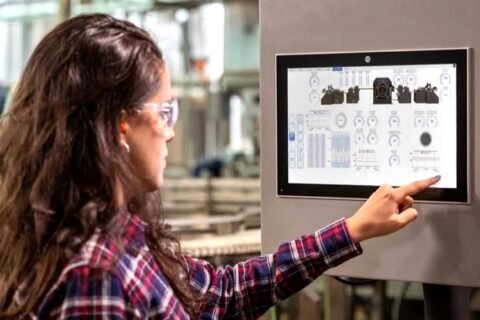
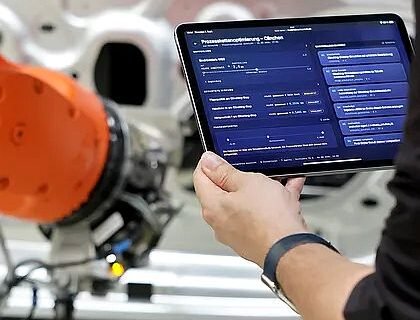
Solutions such as FactoryTalk software platforms help manufacturers monitor production data, analyze equipment performance, and optimize factory processes. With AI assistance, engineers can improve programming efficiency, identify abnormal operating conditions, and reduce troubleshooting time.
In addition, digital twin technology has become an important development direction. Digital twins allow engineers to create virtual models of machines or production lines before physical implementation.
This approach helps manufacturers test control logic, simulate production processes, and reduce commissioning time. For large industrial projects, digital simulation can significantly improve project efficiency and reduce engineering costs.
However, AI adoption in industrial environments requires careful implementation. Unlike consumer applications, industrial systems must meet strict requirements for safety, availability, and cybersecurity.
PLC, DCS, and Control Systems Remain the Foundation of Smart Manufacturing
Although artificial intelligence attracts significant attention, traditional automation technologies remain the foundation of industrial operations.
PLC systems continue to control manufacturing equipment, packaging lines, robotic systems, and process machinery. Rockwell’s Allen-Bradley PLC platforms are widely used in discrete manufacturing applications where fast control response and flexible programming are required.
Meanwhile, DCS solutions remain important in continuous process industries such as oil and gas, chemical processing, and power generation. These industries require stable process control, advanced monitoring, and high system availability.
Therefore, the future industrial automation architecture will not replace PLC or DCS systems. Instead, it will combine automation controllers with industrial software, edge computing, and AI technologies.
This integrated approach allows factories to move from traditional automation toward intelligent operational management.
Key Industrial Sectors Driving Rockwell Automation Growth
Several industries are accelerating investments in automation technology. These sectors provide long-term opportunities for Rockwell Automation and other global automation suppliers.
The logistics and warehouse automation sector continues to grow rapidly because companies need faster and more accurate material handling systems. Automated storage, robotics, and industrial control systems help companies improve distribution efficiency.
The pharmaceutical and life sciences industries are also increasing automation investment. Manufacturers require precise process control, electronic documentation, and regulatory compliance. Industrial automation systems help improve production consistency and quality management.
Energy infrastructure represents another important growth area. As power demand increases from data centers and industrial facilities, companies require advanced monitoring and control solutions. Automation technologies support energy management, equipment monitoring, and operational optimization.
Software-Based Revenue Model Improves Long-Term Value
Rockwell Automation is gradually shifting from a hardware-focused business model toward software and recurring service solutions.
Traditional automation suppliers mainly generated revenue from controllers, hardware modules, and engineering projects. However, modern industrial customers increasingly require continuous software updates, analytics services, cybersecurity solutions, and lifecycle support.
This transformation creates more stable revenue opportunities. Software platforms also allow automation suppliers to maintain long-term relationships with industrial customers.
From an industry viewpoint, this strategy reflects a broader change among automation companies. Siemens, ABB, Schneider Electric, Emerson, and Honeywell are also investing heavily in industrial software and AI capabilities.
Competition will continue increasing because automation companies are competing not only on hardware performance but also on digital ecosystems.
Competitive Pressure in the Industrial Automation Industry
Rockwell Automation operates in a highly competitive global market. Major competitors include Siemens, ABB, Schneider Electric, Emerson, and Honeywell.
These companies are developing similar strategies by combining automation hardware with industrial software platforms.
Siemens focuses on industrial digitalization through its automation portfolio and Industrial Edge technologies. ABB continues expanding robotics, process automation, and digital energy solutions. Schneider Electric emphasizes industrial energy management and automation integration.
Therefore, Rockwell must continuously improve software capabilities, cybersecurity solutions, and global customer support.
The industrial automation market rewards companies that can combine engineering expertise with digital innovation. Strong hardware alone is no longer enough.
Challenges and Risks Facing Rockwell Automation
Despite strong industry demand, Rockwell Automation faces several challenges.
First, industrial automation investment depends heavily on economic conditions. When manufacturers reduce capital spending, automation projects may experience delays.
Second, competition from global automation leaders creates pricing pressure. Companies must continue investing in research and development to maintain technological advantages.
Third, industrial cybersecurity has become a major concern. As factories connect more devices through industrial networks, protecting PLC systems, SCADA platforms, and production data becomes increasingly important.
Manufacturers now expect automation suppliers to provide not only control solutions but also secure digital infrastructure.
Future Outlook: Building Intelligent and Connected Factories
The next stage of industrial development will focus on intelligent factories that combine automation, data, and artificial intelligence.
Rockwell Automation is positioned to benefit from this transformation because it provides solutions across factory automation, PLC control, industrial software, and digital services.
However, success will depend on practical execution. Industrial customers need solutions that deliver measurable improvements in productivity, quality, safety, and operational efficiency.
Based on real-world automation projects, the most successful smart factories usually adopt a gradual transformation approach. They first improve control systems, then connect industrial data, and finally introduce advanced analytics and AI applications.
This approach reduces implementation risks and creates sustainable improvements.
Industrial Automation Application Examples
Automotive Manufacturing
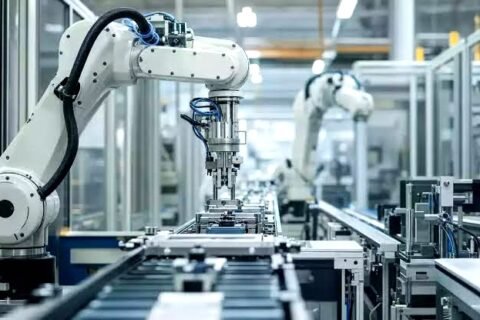
Automotive factories use Rockwell PLC systems, industrial networks, robotics integration, and manufacturing software to improve assembly efficiency. Digital simulation helps engineers optimize production lines before installation.
Pharmaceutical Production
Pharmaceutical manufacturers require precise temperature control, process monitoring, and electronic records. Industrial automation systems support compliance requirements while improving production consistency.
Energy and Infrastructure
Power facilities use automation control systems for equipment monitoring, energy management, and operational optimization. Industrial software helps operators analyze performance data and improve efficiency.
Warehouse Automation
Modern logistics centers combine robotics, PLC control, sensors, and software platforms to manage high-speed material handling operations.
Conclusion: Rockwell Automation’s Position in the Industrial Revolution
Rockwell Automation represents the transition from traditional automation toward intelligent industrial ecosystems. The company’s future growth depends on combining PLC technology, control systems, industrial software, AI, and digital twin capabilities.
The industrial revolution ahead will not be defined by a single technology. Instead, it will come from the integration of automation engineering, industrial data, and intelligent decision-making.
For manufacturers worldwide, the goal is clear: build factories that operate with higher efficiency, greater flexibility, and improved resilience.
Rockwell Automation remains an important participant in this transformation, but long-term success will depend on its ability to deliver practical, secure, and scalable industrial automation solutions.