Durst and TUM Venture Labs Build a New Industrial Automation Ecosystem
Durst Group has started a multi-year cooperation with TUM Venture Labs to accelerate innovation in robotics, artificial intelligence, and industrial automation. The partnership connects industrial experience with deep-tech research capabilities from the Technical University of Munich and UnternehmerTUM.
As a Platinum Partner of TUM Venture Labs, Durst becomes the first Italian company to join this innovation network. The cooperation focuses on the Robotics/AI Lab in Munich, which supports developments in robotics, embedded systems, AI technologies, and factory automation.
For modern manufacturers, this collaboration reflects a major shift. Traditional production systems based on isolated machines are gradually evolving into connected control systems that integrate data, software, automation hardware, and intelligent algorithms.
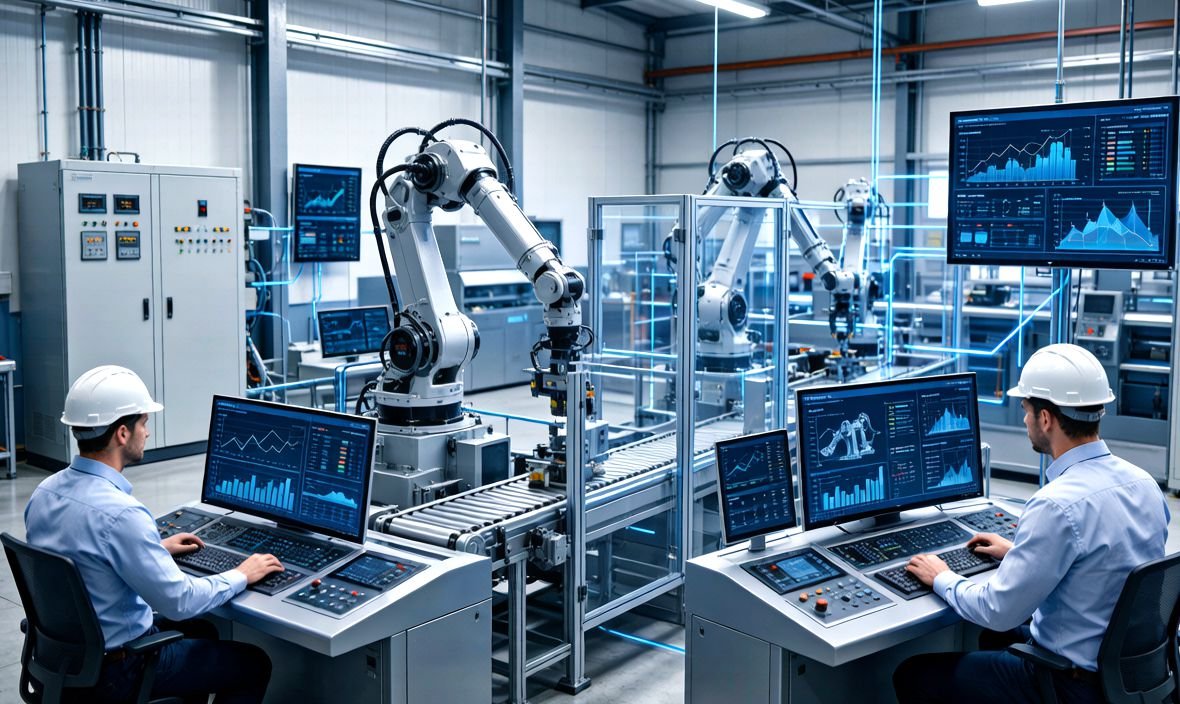
Industrial Automation Moves Toward Intelligent Production Platforms
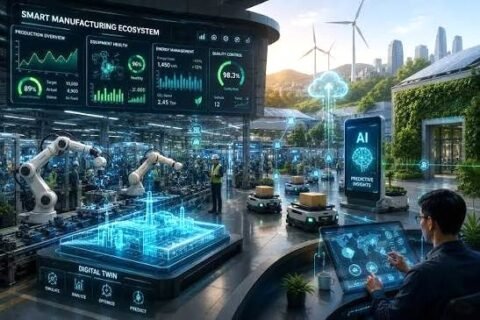
Durst is developing its intelligent production platform Kyveris™, which combines machines, software, operational data, and artificial intelligence. The platform aims to create a more connected manufacturing environment with improved production visibility and process control.
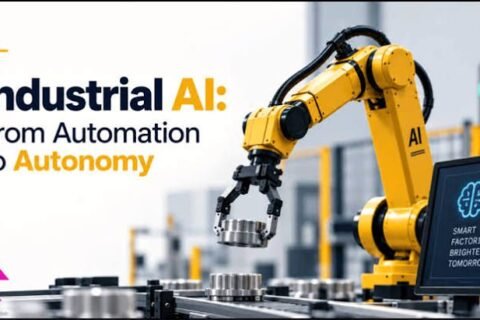
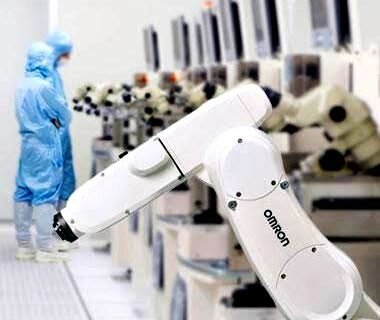
Moreover, the AuRo-Layer technology extends automation capabilities from digital systems into the physical production area. It integrates robotics, automated material handling, and autonomous workflows directly into factory operations.
From an industrial automation perspective, this approach follows the development direction of Industry 4.0. Modern factories increasingly combine PLC systems, DCS architectures, industrial networks, and AI-based optimization tools to improve efficiency and flexibility.
Robotics and AI Improve Factory Automation Capabilities
The cooperation between Durst and TUM Venture Labs focuses on practical industrial challenges. These challenges include intelligent robotics, autonomous systems, human-machine interaction, simulation technology, embedded AI, and digital twin applications.
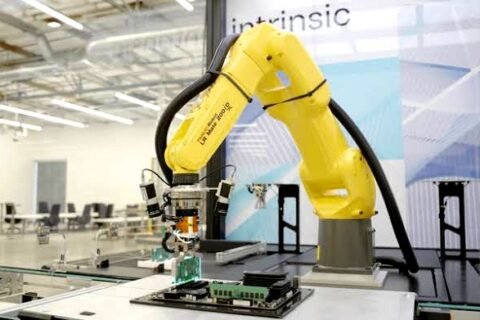
In real production environments, robotics and AI must work together with existing control systems. Engineers need to consider PLC communication, industrial safety requirements, motion control accuracy, and real-time data processing.
Therefore, successful automation projects require more than advanced algorithms. They also require deep knowledge of mechanical engineering, electrical control, production processes, and system integration.
Smart Control Systems Connect Machines, Data and Artificial Intelligence
Durst’s Kyveris™ concept represents a broader industry trend toward learning production systems. These systems collect operational data, analyze production conditions, and support continuous process improvement.
In traditional factory automation, PLC controllers execute predefined logic based on programmed instructions. However, intelligent production systems add another layer by using AI models and data analytics to optimize processes.
For example, manufacturers can combine machine condition data, production parameters, and digital simulation results to improve maintenance planning and reduce unexpected downtime.
This development creates new opportunities for industrial automation suppliers, including PLC manufacturers, DCS providers, robotics companies, and industrial software developers.
Industry Collaboration Accelerates Automation Innovation
According to Christoph Gamper, CEO and Co-Owner of Durst Group, future production environments will become more connected, adaptive, and autonomous. He emphasizes that collaboration between industry, research organizations, startups, and engineering teams will drive the next generation of manufacturing technology.
Dr. Philipp Gerbert, CEO of TUM Venture Labs, highlights that robotics and AI achieve practical value when they solve real industrial problems.
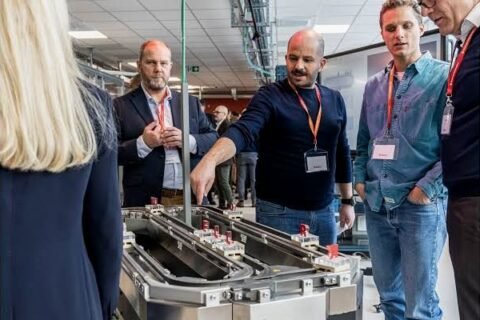
The cooperation creates a platform where researchers, engineers, entrepreneurs, and manufacturers can exchange ideas. As a result, new automation solutions can move from laboratory concepts into industrial applications faster.
Industrial Automation Experience Supports Real-World Applications
Based on industrial automation development experience, successful smart factory projects require strong integration between hardware and software. Robotics systems must communicate effectively with PLC controllers, safety systems, industrial networks, and manufacturing execution platforms.
Moreover, companies must evaluate factors such as system reliability, cybersecurity, lifecycle management, and operator requirements before implementing autonomous production technologies.
Durst’s cooperation model provides a practical example of how manufacturers can combine mechanical engineering knowledge with modern automation technologies. This approach can support applications beyond the printing industry, including packaging, manufacturing, logistics, and process industries.
Future Trends: From Automated Machines to Learning Production Systems
The industrial automation market is moving from simple machine automation toward intelligent and adaptive manufacturing systems. Technologies such as AI-based control, digital twins, industrial IoT, and autonomous robotics will continue influencing factory design.
However, companies should adopt these technologies based on actual production requirements rather than following technology trends alone. A successful transformation requires clear objectives, skilled engineers, and a well-planned automation architecture.
The cooperation between Durst and TUM Venture Labs demonstrates an important industry direction: the future factory will not only execute programmed tasks but also analyze data, optimize operations, and continuously improve production performance.
Application Scenarios: Intelligent Factory Automation Solutions
Potential applications of this collaboration include:
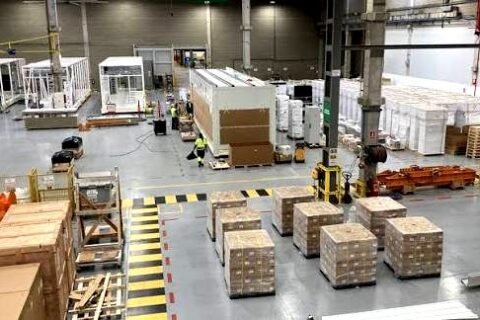
- Automated material handling: Robotics systems can transport components and products while communicating with factory control systems.
- AI-based process optimization: Production data can support automatic parameter adjustment and quality improvement.
- Digital twin integration: Virtual factory models can simulate production changes before physical implementation.
- Predictive maintenance: Machine data analysis can help identify equipment issues before failures occur.
- Flexible manufacturing lines: Intelligent automation enables faster product changes and customized production.
These solutions demonstrate how industrial automation technologies can transform traditional factories into connected, data-driven production environments.