
Schneider Electric and City of Conroe Transform Water Infrastructure with Open, Software-Defined Automation
Schneider Electric and City of Conroe Transform Water Infrastructure with Open, Software-Defined Automation
Industrial Automation Modernizes Conroe’s Water Infrastructure
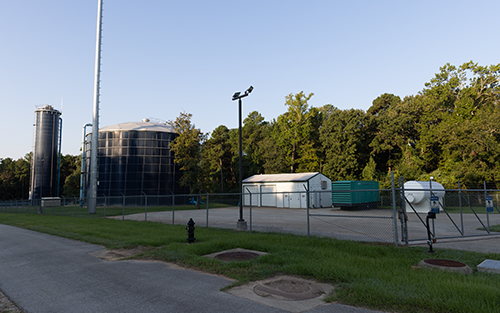
Schneider Electric has partnered with the City of Conroe, Texas, to modernize municipal water infrastructure through EcoStruxure Automation Expert (EAE), its open and software-defined automation platform.As one of America’s rapidly expanding cities, Conroe faces rising water demand and increasing infrastructure pressure. Therefore, the city continues investing in scalable systems that improve operational resilience and long-term sustainability.The latest deployment already spans 19 water and wastewater facilities, marking a major digital transformation initiative in municipal utility operations.EcoStruxure Automation Expert Expands Open Control Systems
The project centers on EcoStruxure Automation Expert, Schneider Electric’s software-defined automation architecture.Unlike traditional automation models tied to proprietary hardware, EAE promotes a vendor-agnostic and hardware-independent approach. This flexibility helps utilities simplify engineering workflows and accelerate project delivery.For engineers familiar with PLC, DCS, and industrial control systems, this shift resembles the broader move toward software abstraction in factory automation and process industries.As industrial automation evolves, open architectures increasingly influence infrastructure design decisions.Faster Deployment Supports Water Capacity Expansion
Conroe selected a modular automation framework to shorten commissioning cycles and reduce engineering complexity.The software-defined design enables quicker startup of new facilities and infrastructure projects. This capability supports the city’s expanding water network, including strategic developments such as the Silver Springs Bypass waterline.In water utility environments, deployment speed often affects service continuity, capital planning, and operational readiness.Therefore, modular automation platforms can deliver measurable value beyond standard process control.Smart Water Management Improves Efficiency and Operational Performance
Conroe’s modernization strategy also targets operational efficiency.By using advanced automation and intelligent monitoring, the city aims to reduce water losses, optimize plant performance, and improve service reliability.These outcomes align closely with current trends in industrial automation and digital utility management.In many water treatment facilities, engineers use integrated control systems, analytics, and remote diagnostics to improve asset utilization and lower lifecycle costs.From an operational perspective, smarter automation often produces both technical and economic benefits.Cybersecurity and Disaster Recovery Strengthen Infrastructure Resilience
Security remains a critical requirement for modern utility operations.EcoStruxure Automation Expert incorporates cybersecurity functions, secure remote access, and disaster recovery capabilities.These features matter significantly in regions vulnerable to severe weather disruptions. Texas utilities still recognize the long-term operational lessons linked to Hurricane Harvey.In addition, secure automation frameworks support continuity planning for critical infrastructure.For operators managing distributed assets, cyber resilience now stands alongside safety, uptime, and regulatory compliance.Software-Defined Automation Reshapes Municipal Control Systems
The Conroe initiative highlights a wider industry movement toward software-defined operations.Traditional automation environments often rely on tightly coupled hardware and custom programming. However, open automation models encourage portability, interoperability, and simplified lifecycle management.This trend affects not only municipal water systems but also factory automation, energy infrastructure, and process industries.Many automation professionals increasingly compare software-defined platforms with next-generation DCS architectures, where flexibility and modular engineering play larger roles.The industry may see stronger adoption as infrastructure operators seek future-ready automation strategies.Schneider Electric Expands Digital Water Innovation Worldwide
Schneider Electric continues growing its footprint within digital water management.Beyond Conroe, organizations such as Singapore utilities, Royal HaskoningDHV, and Intidaya have adopted EcoStruxure Automation Expert for water-sector applications.These projects use open automation principles to improve energy efficiency, streamline diagnostics, and reduce operational downtime.This broader adoption suggests that software-defined automation has moved beyond experimental deployment into practical industrial use cases.Sustainability and Intelligent Infrastructure Drive Long-Term Investment
Schneider Electric positions sustainability and operational efficiency at the center of its technology strategy.The company combines expertise in electrification, industrial automation, digitalization, Industrial IoT, and lifecycle software solutions.For municipalities, this integrated approach offers tools that support intelligent infrastructure planning, data-driven operations, and scalable system expansion.As cities grow, water utilities increasingly require platforms that balance resilience, environmental performance, and engineering flexibility.Application Scenario: Open Automation in Municipal Water Facilities
Consider a municipal water authority planning multiple treatment plant upgrades.Traditional automation may require separate PLC programming environments, hardware-specific engineering tools, and lengthy commissioning processes.An open, software-defined automation framework can simplify integration across sites.Operators may gain benefits such as:- Faster plant commissioning
- Simplified control system engineering
- Improved remote operations
- Stronger cybersecurity readiness
- Easier scalability for future expansion
- Reduced maintenance complexity
Industry Perspective: Why Open Automation Matters for Future Water Systems
The water sector faces growing challenges from aging assets, climate uncertainty, cybersecurity threats, and population growth.Consequently, utilities need automation systems that offer flexibility without sacrificing reliability.The collaboration between Schneider Electric and Conroe demonstrates how open automation can support long-term infrastructure modernization.For B2B readers in PLC, DCS, control systems, and factory automation, the project also signals a broader technology shift. Future infrastructure projects will likely demand automation platforms that combine interoperability, cybersecurity, and software-driven scalability.
Accelerating Industrial Automation: dhp Technology Boosts Solar Roof Systems with Schneider Electric’s EcoStruxure Automation Expert
Faster Time to Market for dhp After Implementing Schneider Electric’s EcoStruxure Automation Expert
Transforming Solar Roof Automation in Industrial Applications
Schneider Electric, in partnership with system integrator Baffy AG, has enabled dhp Technology AG to revolutionize its HORIZON solar roof solutions. By integrating EcoStruxure Automation Expert (EAE), dhp has cut commissioning times by 50%, enhancing its competitiveness in the retractable roof and skylight market, which analysts expect to reach $1.3 billion by 2033. This achievement demonstrates the tangible benefits of software-defined industrial automation for renewable energy infrastructure.Modular Solar Roofs Deliver Scalable and Reliable Energy
dhp Technology’s solar roofs provide lightweight, modular designs that adapt to growing energy demands. These systems automatically retract during extreme weather, such as hail or snow, protecting equipment and ensuring long-term reliability. In addition, these flexible solutions support water treatment plants, logistics hubs, and parking facilities, highlighting how industrial automation can optimize energy efficiency while enhancing operational resilience.Open Automation Increases Flexibility and Reduces Complexity
Schneider Electric’s open, software-defined approach allows dhp to select the technology that best suits its business goals, regardless of hardware vendor. EAE decouples software from hardware, enabling seamless integration across industrial control systems, including PLCs and DCS. As a result, dhp minimizes engineering complexity, accelerates time to market, and maintains the freedom to scale operations as needed—key factors for companies pursuing modern factory automation strategies.Streamlined Operations with Reduced Commissioning Effort
Gian Andri Diem, CEO of dhp Technology, emphasizes that EAE allows on-site technicians to manage automated solar roof systems independently. “We’ve halved commissioning times and reduced system complexity,” Diem notes. “This agility helps us respond to dynamic operational challenges while delivering higher value to our clients.” This hands-on approach showcases the real-world advantages of combining industrial automation expertise with renewable energy technologies.Plug-and-Play Adaptability for Long-Term Reliability
Martin Baffy of Baffy AG highlights EAE’s adaptability compared to traditional control systems. “When a controller memory issue arose, plug-and-play technology enabled an effortless replacement,” he explains. Such flexibility ensures dhp retains vendor independence, a crucial consideration for companies deploying scalable industrial automation solutions across multiple facilities.Software-Defined Automation: The Future of Industrial Control
As the first open, software-defined automation platform, EAE offers unmatched agility and end-to-end visibility. It empowers engineers to innovate faster, ensures operational resilience, and supports seamless integration with advanced devices like Harmony P6 industrial PCs and Modicon M262 dPAC. This approach illustrates a growing industry trend: decoupling software from hardware enables faster innovation while reducing operational risk in factory automation.Practical Implications and Industry Insights
The dhp case underscores the strategic importance of software-defined industrial automation. By integrating open control systems, companies can accelerate deployment, reduce operational complexity, and maintain vendor flexibility. From an industrial perspective, adopting solutions like EAE is particularly valuable in energy-intensive environments, where uptime and adaptability directly affect ROI.Application Scenarios
- Solar-powered water treatment plants requiring automated roof retraction during storms.
- Logistics hubs optimizing energy generation without disrupting facility operations.
- Parking structures with modular solar panels that adapt to fluctuating sunlight and weather conditions.
- Integration of PLCs, DCS, and advanced industrial PCs for smart energy management.