Mimosa Mine Advances Mining Digital Transformation Through Industrial Automation
Rockwell Automation has expanded its collaboration with Mimosa Mine and Mine Elect to support a major digital transformation program in Zimbabwe’s mining industry. The initiative focuses on improving operational technology (OT) infrastructure, strengthening cybersecurity, and creating a sustainable digital foundation for future mining operations.Mimosa Mine operates a platinum-group metals (PGM) and base metals facility in Zimbabwe’s Midlands Province. The mine continues to modernize its production environment through investments in industrial automation, control systems, and secure digital technologies.As mining companies adopt more connected solutions, the integration of PLC, DCS, industrial networks, and data platforms becomes increasingly important. Therefore, Mimosa’s modernization strategy reflects a wider industry movement toward smarter and more resilient mining operations.
Modern OT Networks Improve Mining Control Systems
The digital migration project included upgrading Mimosa Mine’s operational technology network and transitioning legacy infrastructure toward Ethernet/IP-based industrial communication. This upgrade provides a stronger foundation for automation systems, process control, and future digital applications.Modern mining operations depend on stable communication between PLC systems, distributed control systems (DCS), remote I/O platforms, and industrial devices. Moreover, a structured network architecture allows engineers to improve system visibility while reducing operational risks.Rockwell Automation supported the project by applying industrial automation expertise, cybersecurity practices, and network design experience. The solution helped Mimosa Mine improve access management, data communication, monitoring capability, and recovery processes.
Cybersecurity has become a major priority for industries that operate critical infrastructure. Mining sites now connect more automation assets, production systems, and enterprise platforms, which increases potential cyber exposure.However, mining environments present unique challenges. Many facilities operate legacy equipment alongside modern automation platforms. In addition, harsh operating conditions and limited maintenance windows require careful technology deployment.The collaboration addressed these challenges through improved network segmentation, secure system access methods, and stronger protection strategies for industrial control environments.From an industrial automation perspective, cybersecurity cannot exist separately from production reliability. Engineers must design security measures that protect PLC, DCS, and factory automation systems without affecting process availability.
Rockwell Automation and Mine Elect Deliver Local Industrial Expertise
A key part of the project involved cooperation between Rockwell Automation and Mine Elect, a Zimbabwe-based Rockwell Automation specialty distributor with extensive industrial experience.Mine Elect provided local engineering support, implementation services, and onsite technical assistance. This partnership combined international automation knowledge with regional mining expertise.According to industry experience, successful automation projects require more than hardware installation. They need strong engineering coordination, lifecycle planning, and practical understanding of plant operations.By combining global technology resources with local execution capabilities, the project supported Mimosa Mine’s long-term digital sustainability goals.
Ethernet/IP Migration Supports Future Factory Automation Development
The migration from traditional OT networks to Ethernet/IP represents an important step in Mimosa Mine’s automation evolution. Ethernet/IP technology enables faster communication between industrial controllers, intelligent devices, and automation systems.For mining companies, this architecture supports applications such as production monitoring, asset management, predictive maintenance, and operational analytics.Moreover, standardized industrial communication networks simplify future system expansion. Engineers can integrate additional PLC platforms, control systems, and digital tools while maintaining a consistent infrastructure.In my experience working with industrial automation projects, network modernization often becomes the foundation for future improvements. A well-designed industrial network allows companies to introduce advanced automation technologies without replacing entire control architectures.
Mining Industry Moves Toward Connected and Secure Operations
The mining sector is experiencing rapid digital transformation. Companies increasingly use industrial automation, remote monitoring, artificial intelligence, and data analytics to improve productivity and safety.However, digital transformation requires balanced planning. Automation improvements must consider operational continuity, cybersecurity requirements, and existing equipment conditions.Mimosa Mine’s modernization program demonstrates how mining companies can gradually upgrade their infrastructure while protecting existing investments.The combination of PLC systems, DCS platforms, industrial networks, and cybersecurity frameworks will continue shaping the future of intelligent mining operations.
Application Case: Secure Automation Infrastructure for Mining Operations
The Mimosa Mine project represents a practical example of how industrial automation solutions support modern mining environments.Typical applications include:
PLC and control system modernization: Improving communication between controllers, field devices, and production systems.
Industrial network upgrades: Migrating legacy communication infrastructure to Ethernet/IP-based architectures.
OT cybersecurity enhancement: Applying network segmentation and secure access controls.
Remote monitoring improvement: Increasing operational visibility across mining assets.
Digital lifecycle management: Preparing automation infrastructure for future expansion.
These solutions are applicable to mining operations, mineral processing plants, power facilities, and other industrial environments that require secure and scalable automation systems.
Industry Perspective: Digital Resilience Becomes a Core Automation Requirement
The mining industry is no longer focused only on production capacity. Companies now evaluate how effectively their automation infrastructure supports safety, efficiency, and long-term competitiveness.Industrial automation providers such as Rockwell Automation continue to develop solutions that combine PLC, DCS, industrial cybersecurity, and digital transformation technologies.As operational technology and information technology continue to converge, companies must build automation strategies that address both productivity and security. Therefore, future industrial facilities will increasingly depend on integrated control systems and resilient digital infrastructure.
Industrial Automation Safety for Modern Food Processing
Rockwell Automation has partnered with Beypiliç to strengthen industrial safety at a new poultry processing facility in Türkiye. The project combines factory automation, safety controls, and access monitoring across the production site.Beypiliç ranks among Türkiye's major poultry processing companies. Its new facility required a standardized safety strategy from the earliest engineering stages.The project focuses on personnel protection, machine safety, and electrical panel access. Moreover, the approach supports maintenance activities while addressing changing regulatory expectations.
Safety Engineering Integrated Into Facility Design
Beypiliç incorporated safety requirements during the facility design phase. Therefore, engineers could establish consistent protection methods before production equipment entered operation.The strategy covers electrical control panels throughout the processing facility. It helps restrict unauthorized access to areas containing energized or moving equipment.This design philosophy reflects an important industrial automation trend. Safety functions increasingly form part of the control architecture rather than remaining separate engineering additions.From an engineering perspective, early safety integration can simplify commissioning and maintenance. It can also reduce inconsistent safety practices between production areas.
Rockwell Automation supplied its industrial safety technology for the Beypiliç installation. The solution forms part of the company's Allen-Bradley safety product portfolio.The implementation uses non-contact safety interlocks to monitor electrical panel access points. These devices can detect whether protected doors remain in their intended safe position.The architecture supports machine protection while complementing broader PLC and control system strategies. Engineers can therefore integrate safety monitoring with wider factory automation functions.However, safety devices should always match the machine risk assessment and required safety performance level. Product selection alone does not establish a complete machine safety system.
The Beypiliç facility uses Allen-Bradley 440N Ferrogard GD2 non-contact interlock switches. These devices provide contactless monitoring for protected access points.The 440N Ferrogard GD2 uses a stainless steel construction suitable for demanding industrial environments. Its IP68 rating supports applications involving water exposure and regular cleaning.This characteristic matters in poultry processing environments. Production areas often experience frequent washdown cycles and strict hygiene requirements.The non-contact design also reduces mechanical interaction between the sensing components. Consequently, engineers can apply these devices to doors and guards where conventional mechanical switches may create additional maintenance considerations.
Approximately 2,000 Safety Devices Installed
The completed installation includes approximately 2,000 safety devices across the facility. This scale makes the project significant for large food processing applications.A large safety device population creates additional engineering requirements. Teams must manage device identification, wiring, validation, commissioning, and maintenance systematically.Therefore, documentation becomes as important as hardware selection. Accurate electrical drawings and device records can simplify troubleshooting during plant operation.For large installations, standardized components can also reduce spare-parts complexity. Maintenance teams can apply consistent inspection procedures across multiple production zones.
Local Automation Support From AB Market Elektrik Otomasyon
AB Market Elektrik Otomasyon supported the project as a local Rockwell Automation PartnerNetwork ecosystem member. The company contributed to system design, execution, and project coordination.Local engineering support can provide practical advantages for large industrial automation projects. Teams can respond more efficiently to installation requirements and site-specific engineering conditions.The collaboration also connected Rockwell Automation's technology expertise with local implementation capabilities. As a result, Beypiliç received coordinated support from design through deployment.
PLC and Control Systems in Safety Applications
Modern industrial facilities often combine standard PLC control with dedicated safety functions. These architectures separate ordinary machine control from safety-related operations where required.A PLC can manage production sequences, process logic, and equipment coordination. A safety controller or safety-rated architecture handles defined protective functions according to the application design.DCS platforms also support safety-related integration in suitable process industries. However, food processing facilities commonly rely heavily on PLC-based machine automation.Engineers should therefore evaluate the complete control architecture before selecting safety components. The assessment should consider machine hazards, access points, stopping performance, diagnostics, and required safety integrity.
Food Processing Creates Special Safety Requirements
Poultry processing plants operate under demanding environmental and operational conditions. Equipment often encounters moisture, cleaning chemicals, temperature variations, and continuous production cycles.Safety equipment must therefore tolerate the site's physical environment. In addition, engineers must consider hygiene practices and access requirements during routine sanitation.The IP68-rated stainless steel design addresses important environmental considerations for this application. However, installers must still verify compatibility with actual cleaning agents and installation conditions.
Regulatory Compliance and Machine Safety
Beypiliç designed the safety solution to support evolving regulatory requirements in Türkiye. The project also reflects broader international expectations for machinery and workplace safety.Industrial safety engineering should begin with hazard identification and risk reduction. Engineers then select protective measures based on the identified risks.Standards such as ISO 12100 provide a recognized framework for machinery risk assessment. Related safety standards can address control-system performance and functional safety requirements.Compliance should not rely on individual devices alone. Instead, the complete safety system requires engineering validation, verification, documentation, and periodic inspection.
Author's Industrial Automation Perspective
Large food processing projects demonstrate why safety engineering needs a systems approach. Installing thousands of safety devices creates more than a hardware procurement challenge.In my experience, commissioning efficiency depends heavily on consistent device naming and documentation. Engineers should define these conventions before installation begins.I also recommend separating safety validation from ordinary production commissioning. This approach makes functional testing more structured and helps identify unresolved safety issues earlier.Furthermore, maintenance teams should receive clear procedures for testing interlocks and restoring equipment. A safety function provides value only when operators maintain it correctly throughout the machine lifecycle.
Practical Application Scenario
A typical application involves an electrical control cabinet located near automated processing equipment. The cabinet may contain motor starters, drives, PLC hardware, or other energized components.A non-contact interlock monitors the cabinet door. When the defined safety condition changes, the safety system can initiate the appropriate protective response.Engineers must determine the required response through the machine risk assessment. The resulting function may involve stopping motion, removing hazardous energy, or preventing machine restart.This architecture can support safer maintenance access while preserving controlled production operation. However, the final safety function depends on the complete system design.
What This Project Means for Factory Automation
The Beypiliç project illustrates a broader shift toward integrated industrial safety. Manufacturers increasingly treat safety as part of facility architecture rather than an isolated equipment feature.The approximately 2,000-device installation also highlights the importance of scalable engineering practices. Large plants need repeatable methods for design, commissioning, diagnostics, and maintenance.Moreover, environmental durability becomes increasingly important in food and beverage automation. Safety components must operate within both production and sanitation requirements.For automation engineers, this project provides a useful reference for large-scale safety implementation. It demonstrates how global technology providers and local engineering partners can combine their capabilities.
Rockwell Singapore Site Earns WEF Lighthouse Recognition
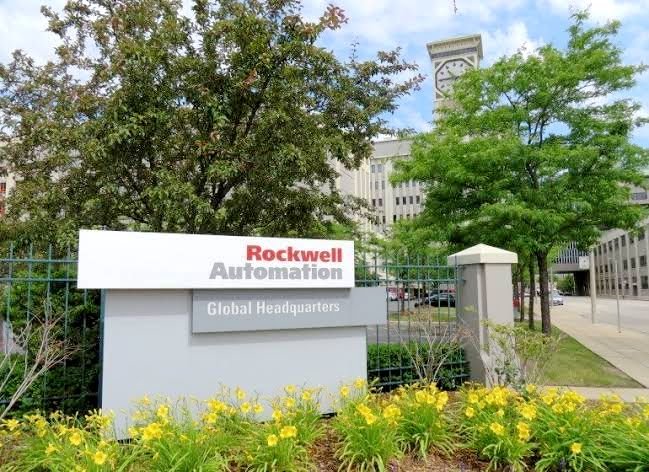
Rockwell Singapore Receives Global Lighthouse Recognition
Rockwell Automation's Singapore manufacturing facility has joined the World Economic Forum's Global Lighthouse Network. The recognition highlights its large-scale use of digital technologies and artificial intelligence.The facility earned distinction in the productivity category. It demonstrates how industrial automation can improve manufacturing performance beyond individual production processes.Rockwell deployed more than 50 digital and AI-enabled solutions across the site. These solutions include intelligent automation, AI-based quality inspection, and predictive maintenance.
Industrial Automation Drives Factory Productivity
The Singapore facility uses automation and production data to improve operational decisions. Therefore, the site can respond faster to changing production requirements.Its transformation also focuses on flexible manufacturing. This approach allows production teams to adjust processes while maintaining consistent quality and output.In industrial automation projects, engineers increasingly connect PLC systems, control systems, sensors, and production software. As a result, manufacturers can analyze process data across multiple operational layers.This architecture supports faster troubleshooting and better production visibility. Moreover, it creates a stronger foundation for continuous process optimization.
AI Supports Quality Control and Predictive Maintenance
Rockwell's Singapore operation uses AI-enabled technologies for several manufacturing activities. AI-driven quality control helps identify defects and improve inspection processes.Predictive maintenance provides another important application. Maintenance teams can analyze equipment data and identify abnormal operating patterns before failures affect production.However, AI does not replace conventional automation architecture. PLCs, industrial networks, control systems, and field devices still provide the operational foundation.AI instead adds another analytical layer above established automation infrastructure. This combination can help plants turn equipment data into actionable maintenance and production decisions.
Data Connects PLC and Control System Operations
Modern factories generate large volumes of operational data from automation equipment. PLCs collect process information, while supervisory and control systems organize production data.Manufacturers can then connect this information with analytics and AI platforms. Therefore, engineers can evaluate production conditions using broader operational context.This approach also supports factory automation strategies across multiple production lines. In addition, standardized data structures can simplify the deployment of digital solutions across different facilities.From an engineering perspective, data quality remains important. Poor sensor signals, inconsistent tags, or incomplete historical data can reduce the value of AI applications.
Workforce Enablement Becomes a Major Automation Goal
Rockwell also reported faster workforce onboarding at the Singapore facility. Digital tools can help operators access process information and understand production procedures more quickly.This capability matters as manufacturers face changing workforce requirements. Experienced engineers often need to transfer process knowledge to newer personnel.Digital work instructions, production dashboards, and intelligent assistance can support this transition. Consequently, automation can improve both machine performance and workforce productivity.In my experience with industrial automation projects, successful digital transformation requires more than installing new software. Plants must also improve documentation, data structures, alarm management, and operator workflows.
Global Lighthouse Network Highlights Scaled Transformation
The World Economic Forum's Global Lighthouse Network focuses on manufacturers that apply advanced technologies at production scale. The program therefore provides a useful reference for industrial companies evaluating digital transformation.Rockwell's recognition also reflects a wider movement in manufacturing. Companies increasingly want measurable results from AI and automation investments.Many factories have already tested digital technologies through pilot projects. However, scaling those technologies across production environments presents a much greater engineering challenge.Manufacturers must address cybersecurity, system integration, data governance, equipment compatibility, and workforce training. Therefore, successful transformation requires coordinated engineering and operational planning.
Rockwell Connects Automation With AI
Rockwell Automation continues to position industrial automation, data, and AI as interconnected elements of modern manufacturing. Its Singapore facility provides a practical example of this strategy.The company stated that it wants to apply lessons from the site across its global operations and customer projects. This approach could help manufacturers move from isolated digital projects toward standardized automation architectures.For PLC and control system engineers, the trend has practical implications. Future factory architectures will likely combine traditional automation with analytics, machine learning, and cloud or edge computing.Nevertheless, manufacturers should evaluate each technology according to measurable operational requirements. AI adoption should support production goals rather than become a technology objective by itself.
A typical implementation can combine PLC control, industrial networking, condition monitoring, and AI analytics.For example, a production line can collect motor temperature, vibration, current, and process-cycle data. The control system manages real-time operation, while an analytics platform evaluates longer-term equipment behavior.Maintenance teams can then receive condition-based alerts. Meanwhile, production managers can monitor quality trends and equipment availability.This architecture creates a practical relationship between control systems and digital technologies. It also allows manufacturers to expand individual applications without replacing the underlying automation infrastructure.
Industry Outlook for AI and Control Systems
The Rockwell Singapore recognition reflects a broader shift toward data-driven manufacturing. Industrial companies increasingly expect automation investments to deliver measurable productivity and quality improvements.Moreover, AI will likely become more closely integrated with PLC, DCS, SCADA, MES, and industrial networking environments.However, the strongest implementations will maintain a clear separation between real-time control and higher-level analytics. Engineers should protect deterministic control functions while using AI where it provides practical value.In my view, the next stage of factory automation will focus less on isolated AI demonstrations. Instead, manufacturers will prioritize scalable architectures, standardized data, workforce enablement, and measurable operational results.The Singapore Lighthouse recognition therefore represents more than a technology milestone. It demonstrates how manufacturers can combine automation, data, and AI within a broader industrial transformation strategy.
Industrial Automation Market Outlook: Honeywell and Rockwell Compete for Future Growth
The global industrial automation market continues to expand as manufacturers invest in smarter factories, digital transformation, and energy-efficient operations. Companies increasingly adopt PLC, DCS, industrial software, and advanced control systems to improve productivity and reduce operating costs.Honeywell Technologies and Rockwell Automation remain two major players in this market. Both companies provide automation solutions for process industries, manufacturing plants, infrastructure projects, and energy applications. However, their growth paths differ because they focus on different industrial segments.From an industrial automation perspective, Honeywell has stronger exposure to process automation and building technologies. Meanwhile, Rockwell Automation maintains a stronger position in discrete manufacturing, factory automation, and smart production systems.For investors evaluating industrial technology stocks in 2026, comparing their fundamentals, market demand, and automation strategies provides valuable insight.
Honeywell Industrial Automation Business: Strengths and Market Opportunities
Honeywell continues to benefit from increasing demand for automation solutions across commercial buildings, industrial facilities, and energy projects. The company supports customers with control systems, industrial measurement technologies, safety solutions, and process automation platforms.The Building Automation segment shows strong momentum. Growing construction activity in North America, India, and the Middle East creates new opportunities for smart building control systems. In addition, rising investment in data centers and healthcare facilities supports demand for automation equipment.During the second quarter, Honeywell’s Building Automation business achieved 9% organic revenue growth compared with the previous year. The result reflects stronger project activity and increased adoption of intelligent building technologies.The Industrial Automation segment also performed positively. Higher demand for sensing products and industrial measurement solutions helped drive organic revenue growth of approximately 4% year over year.From an engineering perspective, Honeywell benefits from decades of experience in process control environments. Its automation technologies support industries such as oil and gas, chemicals, refining, and power generation, where DCS platforms and safety systems remain essential components.
Honeywell Process Automation Challenges: Pressure on Growth and Margins
Although Honeywell maintains a strong industrial position, its Process Automation and Technology segment faces short-term challenges.The segment reported a 1% organic revenue decline in the second quarter of 2026 after a 6% decline in the first quarter. Lower aftermarket activity, especially reduced refining catalyst shipments, affected overall performance.However, new LNG projects and industrial automation investments provide future growth opportunities. Energy companies continue to modernize facilities with advanced control systems, remote monitoring platforms, and digital optimization tools.Honeywell also faces cost pressure. Rising production expenses and operating costs reduced profitability during the period. The company’s total cost of sales increased year over year, while operating margins declined.In my experience working with industrial automation systems, process industries usually recover slowly after investment cycles weaken. Customers often delay large DCS upgrades but continue investing in maintenance, cybersecurity, and operational improvements.Therefore, Honeywell’s near-term performance depends heavily on the recovery of process industries and large automation projects.
Honeywell Portfolio Restructuring: Impact of Aerospace Separation
Honeywell recently completed a major corporate restructuring strategy. The company separated its Aerospace Technologies business and created independent public companies.The restructuring aims to simplify operations and allow each business unit to focus on its core market opportunities.In addition, Honeywell completed the sale of its warehouse and workflow solutions business. These actions may improve strategic focus, but they could also affect short-term financial comparisons.For industrial automation customers, the key question remains whether Honeywell can accelerate investment in its automation portfolio. Areas such as industrial software, connected control systems, and digital process optimization will determine future competitiveness.
Rockwell Automation Growth Strategy: Strong Position in Factory Automation
Rockwell Automation continues to benefit from strong demand in manufacturing automation. The company specializes in PLC systems, industrial networks, motion control, factory software, and smart manufacturing solutions.Unlike Honeywell’s stronger process industry exposure, Rockwell focuses heavily on discrete and hybrid manufacturing markets. These include automotive, semiconductor, food and beverage, life sciences, and warehouse automation.The company reported strong demand across multiple industrial sectors. Automotive customers continue upgrading production lines, while semiconductor manufacturers increase investment due to artificial intelligence and data center expansion.Rockwell’s e-Commerce and Warehouse Automation business also remains a major growth driver. Many companies prefer upgrading existing warehouses instead of building completely new facilities.This trend creates demand for PLC-based control systems, industrial Ethernet networks, robotics integration, and manufacturing execution systems.
Rockwell Automation Technology Advantages in Smart Manufacturing
Rockwell has built a strong reputation in factory automation through its Allen-Bradley PLC platforms, industrial control systems, and digital manufacturing solutions.Modern factories increasingly require integrated automation architectures. These systems combine PLC controllers, industrial communication networks, robotics, sensors, and cloud-based analytics.Rockwell’s ecosystem supports manufacturers moving toward Industry 4.0 strategies. Customers can improve production visibility, predictive maintenance, and operational efficiency through connected automation platforms.Moreover, Rockwell continues expanding its automation solutions for life sciences and food production industries. These sectors require strict process control, traceability, and regulatory compliance.Based on industrial project experience, manufacturers often select Rockwell solutions when they need flexible factory automation platforms with strong local support networks.
Rockwell Automation Financial Outlook: Pricing Strategy and Market Risks
Rockwell continues improving profitability through productivity programs and pricing strategies. The company expects pricing adjustments to offset tariff impacts during fiscal 2026.Management raised its fiscal 2026 sales growth outlook, supported by stronger demand across key industries. The company also increased its adjusted earnings forecast.However, challenges remain. The Lifecycle Services segment continues experiencing weaker demand because some customers delay large capital projects.Many manufacturers currently prioritize smaller modernization projects rather than complete factory expansions. Therefore, automation suppliers must provide scalable solutions that deliver measurable returns.Rockwell’s ability to combine hardware, software, and lifecycle services will determine its long-term competitiveness.
Honeywell vs Rockwell Automation: Industrial Automation Investment Comparison
From an industrial technology perspective, both companies have attractive long-term opportunities. However, their strengths come from different automation markets.
Category
Honeywell Technologies
Rockwell Automation
Main Market
Process automation, building automation, industrial measurement
Factory automation, PLC, manufacturing systems
Key Industries
Oil and gas, chemicals, energy, infrastructure
Automotive, semiconductor, food, life sciences
Automation Strength
DCS, safety systems, process control
PLC, motion control, smart manufacturing
Growth Driver
LNG projects, building technology, industrial measurement
Factory upgrades, digital manufacturing, AI-related investment
Main Challenge
Process automation slowdown and margin pressure
Weak lifecycle service demand
Honeywell provides strong industrial diversification, but current earnings pressure creates uncertainty. Rockwell benefits from stronger factory automation demand and clearer manufacturing growth trends.Therefore, from a growth perspective, Rockwell Automation appears better positioned for industrial automation expansion in 2026.
Industrial Automation Industry Trend: PLC, DCS, and Digital Transformation
The competition between Honeywell and Rockwell reflects a larger industry transformation.Industrial customers are moving beyond traditional automation upgrades. They now require integrated solutions combining PLC controllers, DCS platforms, industrial cybersecurity, cloud analytics, and artificial intelligence.Process industries continue improving DCS systems for safety, efficiency, and regulatory compliance. Meanwhile, manufacturers invest heavily in flexible factory automation and robotics.The future industrial automation market will favor companies that successfully combine hardware expertise with software capabilities.Both Honeywell and Rockwell understand this trend. However, Rockwell currently has stronger momentum in smart factory applications, while Honeywell remains highly competitive in process industries.
Energy companies use Honeywell automation platforms for refinery control, LNG processing, and safety instrumented systems. These applications require stable DCS operation, advanced monitoring, and reliable process optimization.
Automotive Smart Factory Automation
Automotive manufacturers use Rockwell PLC systems, industrial networks, and motion control technologies to improve production flexibility. These solutions support robotic assembly, quality inspection, and production scheduling.
Semiconductor Manufacturing Automation
Semiconductor plants require precise environmental control, high equipment availability, and advanced factory automation. Both companies support this market through industrial control technologies and digital solutions.
Final Analysis: Rockwell Automation Shows Stronger Near-Term Upside
Honeywell remains a respected industrial automation company with extensive process control experience and a broad technology portfolio. However, challenges in process automation demand and recent restructuring create short-term uncertainty.Rockwell Automation benefits from stronger manufacturing investment trends, especially in automotive, semiconductor, warehouse automation, and smart factories.For investors seeking exposure to industrial automation growth, Rockwell currently presents a more favorable outlook due to stronger demand visibility and better alignment with factory digitalization trends.However, industrial automation markets remain cyclical. Long-term success will depend on innovation, customer adoption, and the ability to deliver integrated PLC, DCS, and digital control solutions.
Rockwell Automation’s Role in the New Era of Industrial Automation
Rockwell Automation remains one of the most influential companies in the global industrial automation market. The company focuses on helping manufacturers build smarter, connected, and more efficient production environments through PLC, control systems, industrial software, and digital transformation solutions.As factories face rising labor costs, supply chain uncertainty, and increasing demand for production flexibility, industrial automation has become a strategic priority. Rockwell Automation combines hardware platforms, software ecosystems, and industrial services to support manufacturers moving toward smart manufacturing.From a technical perspective, the next industrial revolution is not only about replacing manual operations with machines. Instead, it focuses on connecting production equipment, collecting industrial data, and applying analytics and artificial intelligence to improve decision-making.
Industrial Automation Market Growth Creates New Opportunities
The global industrial automation market continues to expand as manufacturers invest in factory modernization. Technologies such as PLC systems, DCS platforms, industrial IoT, and advanced control systems are becoming important components of modern production facilities.Rockwell Automation benefits from this long-term industry trend because its solutions cover multiple layers of industrial architecture. These layers include field devices, controllers, supervisory software, manufacturing execution systems, and enterprise-level analytics.Moreover, many industries are upgrading aging automation infrastructure. Manufacturers in automotive, pharmaceutical, energy, and logistics sectors increasingly require flexible control systems that can improve productivity while reducing operational risks.Based on years of industrial automation experience, successful digital transformation depends on practical integration between existing equipment and new technologies. Companies cannot achieve smart manufacturing simply by installing software. They need reliable PLC control, industrial networking, data management, and skilled engineering support.
AI and Industrial Software Are Changing Factory Operations
Rockwell Automation has increased its focus on software-driven industrial solutions. The company is expanding beyond traditional automation hardware by integrating artificial intelligence, cloud platforms, and industrial analytics into its product ecosystem.Solutions such as FactoryTalk software platforms help manufacturers monitor production data, analyze equipment performance, and optimize factory processes. With AI assistance, engineers can improve programming efficiency, identify abnormal operating conditions, and reduce troubleshooting time.In addition, digital twin technology has become an important development direction. Digital twins allow engineers to create virtual models of machines or production lines before physical implementation.This approach helps manufacturers test control logic, simulate production processes, and reduce commissioning time. For large industrial projects, digital simulation can significantly improve project efficiency and reduce engineering costs.However, AI adoption in industrial environments requires careful implementation. Unlike consumer applications, industrial systems must meet strict requirements for safety, availability, and cybersecurity.
PLC, DCS, and Control Systems Remain the Foundation of Smart Manufacturing
Although artificial intelligence attracts significant attention, traditional automation technologies remain the foundation of industrial operations.PLC systems continue to control manufacturing equipment, packaging lines, robotic systems, and process machinery. Rockwell’s Allen-Bradley PLC platforms are widely used in discrete manufacturing applications where fast control response and flexible programming are required.Meanwhile, DCS solutions remain important in continuous process industries such as oil and gas, chemical processing, and power generation. These industries require stable process control, advanced monitoring, and high system availability.Therefore, the future industrial automation architecture will not replace PLC or DCS systems. Instead, it will combine automation controllers with industrial software, edge computing, and AI technologies.This integrated approach allows factories to move from traditional automation toward intelligent operational management.
Several industries are accelerating investments in automation technology. These sectors provide long-term opportunities for Rockwell Automation and other global automation suppliers.The logistics and warehouse automation sector continues to grow rapidly because companies need faster and more accurate material handling systems. Automated storage, robotics, and industrial control systems help companies improve distribution efficiency.The pharmaceutical and life sciences industries are also increasing automation investment. Manufacturers require precise process control, electronic documentation, and regulatory compliance. Industrial automation systems help improve production consistency and quality management.Energy infrastructure represents another important growth area. As power demand increases from data centers and industrial facilities, companies require advanced monitoring and control solutions. Automation technologies support energy management, equipment monitoring, and operational optimization.
Software-Based Revenue Model Improves Long-Term Value
Rockwell Automation is gradually shifting from a hardware-focused business model toward software and recurring service solutions.Traditional automation suppliers mainly generated revenue from controllers, hardware modules, and engineering projects. However, modern industrial customers increasingly require continuous software updates, analytics services, cybersecurity solutions, and lifecycle support.This transformation creates more stable revenue opportunities. Software platforms also allow automation suppliers to maintain long-term relationships with industrial customers.From an industry viewpoint, this strategy reflects a broader change among automation companies. Siemens, ABB, Schneider Electric, Emerson, and Honeywell are also investing heavily in industrial software and AI capabilities.Competition will continue increasing because automation companies are competing not only on hardware performance but also on digital ecosystems.
Competitive Pressure in the Industrial Automation Industry
Rockwell Automation operates in a highly competitive global market. Major competitors include Siemens, ABB, Schneider Electric, Emerson, and Honeywell.These companies are developing similar strategies by combining automation hardware with industrial software platforms.Siemens focuses on industrial digitalization through its automation portfolio and Industrial Edge technologies. ABB continues expanding robotics, process automation, and digital energy solutions. Schneider Electric emphasizes industrial energy management and automation integration.Therefore, Rockwell must continuously improve software capabilities, cybersecurity solutions, and global customer support.The industrial automation market rewards companies that can combine engineering expertise with digital innovation. Strong hardware alone is no longer enough.
Challenges and Risks Facing Rockwell Automation
Despite strong industry demand, Rockwell Automation faces several challenges.First, industrial automation investment depends heavily on economic conditions. When manufacturers reduce capital spending, automation projects may experience delays.Second, competition from global automation leaders creates pricing pressure. Companies must continue investing in research and development to maintain technological advantages.Third, industrial cybersecurity has become a major concern. As factories connect more devices through industrial networks, protecting PLC systems, SCADA platforms, and production data becomes increasingly important.Manufacturers now expect automation suppliers to provide not only control solutions but also secure digital infrastructure.
Future Outlook: Building Intelligent and Connected Factories
The next stage of industrial development will focus on intelligent factories that combine automation, data, and artificial intelligence.Rockwell Automation is positioned to benefit from this transformation because it provides solutions across factory automation, PLC control, industrial software, and digital services.However, success will depend on practical execution. Industrial customers need solutions that deliver measurable improvements in productivity, quality, safety, and operational efficiency.Based on real-world automation projects, the most successful smart factories usually adopt a gradual transformation approach. They first improve control systems, then connect industrial data, and finally introduce advanced analytics and AI applications.This approach reduces implementation risks and creates sustainable improvements.
Industrial Automation Application Examples
Automotive ManufacturingAutomotive factories use Rockwell PLC systems, industrial networks, robotics integration, and manufacturing software to improve assembly efficiency. Digital simulation helps engineers optimize production lines before installation.Pharmaceutical ProductionPharmaceutical manufacturers require precise temperature control, process monitoring, and electronic records. Industrial automation systems support compliance requirements while improving production consistency.Energy and InfrastructurePower facilities use automation control systems for equipment monitoring, energy management, and operational optimization. Industrial software helps operators analyze performance data and improve efficiency.Warehouse AutomationModern logistics centers combine robotics, PLC control, sensors, and software platforms to manage high-speed material handling operations.
Conclusion: Rockwell Automation’s Position in the Industrial Revolution
Rockwell Automation represents the transition from traditional automation toward intelligent industrial ecosystems. The company’s future growth depends on combining PLC technology, control systems, industrial software, AI, and digital twin capabilities.The industrial revolution ahead will not be defined by a single technology. Instead, it will come from the integration of automation engineering, industrial data, and intelligent decision-making.For manufacturers worldwide, the goal is clear: build factories that operate with higher efficiency, greater flexibility, and improved resilience.Rockwell Automation remains an important participant in this transformation, but long-term success will depend on its ability to deliver practical, secure, and scalable industrial automation solutions.
Driving Global Industrial Automation and Smart Manufacturing Innovation
Singapore Becomes a Global Engine for Industrial Automation Innovation
The global industrial automation market is entering a new growth phase. Analysts expect the sector to approach US$440 billion by 2030, driven by smart manufacturing, digital transformation, and connected factory technologies.Rockwell Automation continues to play a major role in this transformation. The company develops industrial automation solutions that help manufacturers improve production efficiency, operational visibility, and process control.From PLC systems and industrial networks to software platforms and lifecycle services, Rockwell Automation supports manufacturers across multiple industries. Its technologies operate behind many everyday products, including medicines, vehicles, electronics, and packaged foods.Manufacturing companies increasingly require flexible control systems that can adapt to changing production demands. Therefore, industrial automation providers must combine hardware expertise with software intelligence and data-driven solutions.Rockwell’s Singapore operation demonstrates how a regional manufacturing center can become a global innovation platform.
Rockwell Automation Builds a Strategic Industrial Automation Presence in Singapore
Rockwell Automation established its Singapore operations in 1991 with a regional sales office. Over three decades later, the location has developed into a major hub for research, manufacturing, and regional business activities.The Singapore facility supports Rockwell’s three core business areas:
Intelligent Devices
Software & Control
Lifecycle Services
This integrated structure allows engineering teams, manufacturing specialists, and customer support professionals to collaborate more effectively.In my experience working with industrial automation systems, successful factories rarely depend on a single technology. Instead, they combine PLC control, DCS architecture, industrial communication networks, and intelligent manufacturing software.Rockwell’s Singapore model follows this approach by connecting product development with real factory requirements.Moreover, Singapore provides access to advanced infrastructure, skilled engineers, and strong industrial partnerships. As a result, Rockwell can quickly respond to customer requirements across Southeast Asia, China, and India.
Smart Manufacturing Technologies Developed in Singapore Reach Global Markets
Rockwell Automation uses Singapore as a testing environment for next-generation factory automation solutions.The company combines research and development with manufacturing operations at the same location. Therefore, engineers can test prototypes directly in production environments, analyze performance data, and improve designs faster.This approach reduces development cycles and improves product validation.For industrial automation manufacturers, this method creates an important advantage. Traditional product development often separates engineering teams from factory operations. However, direct interaction between developers and production environments helps identify practical challenges earlier.Singapore-developed technologies have contributed to Rockwell’s global product portfolio. The company has applied operational methods from its Singapore facility across its worldwide manufacturing network.These practices include:
Digital production monitoring
Automated quality inspection
Predictive maintenance
Industrial data analytics
Autonomous material handling systems
Such applications represent the transition from traditional factory automation toward intelligent manufacturing ecosystems.
How Rockwell Uses PLC, Control Systems, and Digital Transformation Technologies
Modern manufacturing requires more than conventional automation equipment. Factories now need connected control systems that integrate production data, machine intelligence, and business decision-making.Rockwell Automation addresses these requirements through its industrial automation ecosystem.PLC technology remains a fundamental component of factory automation. Programmable logic controllers manage machine sequences, process operations, safety functions, and real-time control tasks.However, modern plants increasingly combine PLC systems with advanced software platforms. These platforms collect operational data and provide insights for production optimization.DCS technology also remains important in industries such as:
Pharmaceuticals
Energy
Chemicals
Food processing
These industries require continuous process monitoring, precise control loops, and high availability.Rockwell’s solutions support manufacturers by connecting field-level devices with supervisory systems and enterprise platforms.In practical industrial projects, the biggest challenge is not installing automation hardware. The real challenge involves integrating equipment, software, cybersecurity, and workforce capabilities into one coordinated system.Therefore, successful digital transformation requires both technology investment and operational expertise.
Industry 4.0 Applications Improve Factory Performance and Productivity
Rockwell Automation has implemented more than 50 Industry 4.0 applications at its Singapore facility.These applications include artificial intelligence-based inspection, autonomous mobile robots, and predictive maintenance technologies.The factory has achieved measurable improvements:
Defects reduced by 35 percent
Worker training time reduced by 67 percent
Labor productivity increased by 43 percent
These results demonstrate the practical value of smart manufacturing technologies.Predictive maintenance represents one of the most important industrial automation trends today. Instead of waiting for equipment failures, manufacturers analyze machine conditions and identify early warning signals.For example, vibration monitoring systems, motor diagnostics, and real-time equipment data can help maintenance teams prevent unexpected downtime.From an engineering perspective, predictive maintenance works best when manufacturers combine reliable sensors, industrial networks, and analytical software.Technology alone cannot improve production. Companies must also develop maintenance strategies, operator skills, and data management processes.
Rockwell Singapore Facility Recognized as a World-Class Smart Factory
Operational excellence at Rockwell’s Singapore facility has received international recognition.The site joined the World Economic Forum’s Global Lighthouse Network in 2026. This recognition highlights factories that demonstrate outstanding performance in digital transformation and advanced manufacturing.The facility became the seventh Lighthouse factory in Singapore, giving the country one of the highest concentrations of recognized smart factories in Southeast Asia.This achievement reflects Singapore’s broader manufacturing strategy.The country has invested heavily in industrial digitalization, automation skills, and advanced manufacturing infrastructure.
Rockwell Automation Expands Industrial Automation Role in Advanced Nuclear Energy
Rockwell Automation has been selected by Aalo Atomics to provide the control platform for the Aalo-X critical test reactor. The project highlights how industrial automation technologies support the next generation of nuclear energy systems.Aalo Atomics develops modular nuclear reactors designed to supply power for high-demand applications, including artificial intelligence data centers. The company selected Rockwell Automation’s control solutions to manage reactor operations, system monitoring, and operational testing.The collaboration demonstrates the growing role of industrial automation in emerging energy industries. Modern nuclear facilities require precise control systems, secure data management, and scalable automation architectures.
Control Systems Support Next-Generation Nuclear Reactor Operations
Rockwell Automation will provide integrated control and information solutions based on its ControlLogix PLC platform. The system supports real-time monitoring, process control, and operational coordination throughout the reactor lifecycle.ControlLogix is widely used in industrial environments because it provides flexible controller architecture, high-speed processing, and integration capabilities with industrial networks. Therefore, the platform can support complex applications that require continuous data exchange and reliable automation performance.In advanced energy projects, PLC-based control systems must work with safety systems, supervisory platforms, and industrial communication networks. These technologies help engineers improve operational visibility while maintaining strict process requirements.
PLC and DCS Technologies Drive Industrial Energy Innovation
Although nuclear facilities traditionally rely on specialized control architectures, modern projects increasingly integrate proven industrial automation technologies. Rockwell Automation combines PLC solutions, information platforms, and digital engineering tools to support this transition.Industrial users often apply PLC and DCS control systems together to manage different operational layers. PLC platforms typically handle fast control tasks, while DCS solutions manage broader process supervision and plant-wide coordination.Moreover, advanced energy projects require strong cybersecurity, data analytics, and system integration. These requirements are similar to those found in oil and gas, chemical processing, and power generation industries.
Aalo Atomics developed the Aalo-X reactor as a test platform for modular nuclear technology. The reactor allows engineers to evaluate system performance, operational procedures, and deployment strategies under real operating conditions.The project operates under the U.S. Department of Energy Reactor Pilot Program. This initiative aims to accelerate testing and approval processes for advanced nuclear technologies.As a result, automation platforms play a key role in shortening development cycles. Engineers can collect operational data, analyze system behavior, and improve reactor designs through real-world testing.
From an industrial automation perspective, projects like Aalo-X show the importance of applying mature control technologies in new industries. Automation suppliers with experience in manufacturing, power, and process industries can transfer proven methods into advanced applications.For example, engineers commonly use PLC systems with remote I/O, industrial Ethernet networks, and human-machine interfaces (HMI) in demanding environments. These same concepts can support modular energy systems when engineers apply appropriate safety and compliance strategies.However, nuclear applications require additional engineering validation. Control platforms must meet strict operational requirements, cybersecurity guidelines, and industry-specific regulations.
Rockwell Automation Strengthens Digital Transformation in Energy
Rockwell Automation continues to expand beyond traditional factory automation markets. The company provides automation solutions for manufacturing, infrastructure, and energy applications worldwide.The company’s Connected Enterprise approach combines industrial control, data analytics, and digital technologies. Therefore, organizations can connect field operations with enterprise-level decision systems.This approach reflects a broader industrial trend. Energy companies increasingly require automation platforms that provide both operational control and advanced information management.
Future Outlook for Automated Modular Nuclear Systems
The partnership between Rockwell Automation and Aalo Atomics represents a growing connection between industrial automation and clean energy development.Modular nuclear reactors require scalable control architectures, efficient engineering workflows, and advanced monitoring capabilities. Consequently, automation technologies will become increasingly important as new energy systems move from development toward commercial operation.In my experience working with industrial control projects, successful automation deployments depend on three factors: appropriate system architecture, proven hardware platforms, and detailed application engineering. The Aalo-X project demonstrates how industrial automation knowledge can support innovation beyond traditional manufacturing environments.
Application Scenario: Integrated Control Solution for Modular Energy Facilities
A future modular reactor facility may combine multiple automation technologies, including:
Rockwell ControlLogix PLC controllers for process control functions
Industrial Ethernet networks for high-speed communication
HMI systems for operator monitoring and equipment management
Data platforms for predictive analysis and operational optimization
Safety systems for risk management and regulatory compliance
This type of integrated control system solution can provide a foundation for future energy plants, smart factories, and industrial infrastructure projects.