
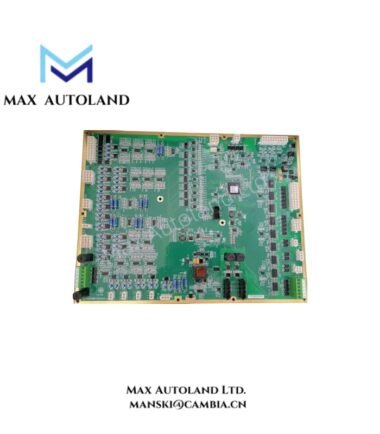
Overview
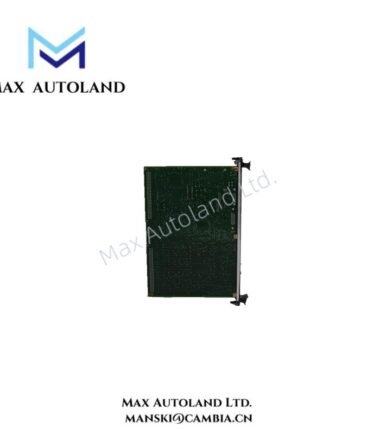
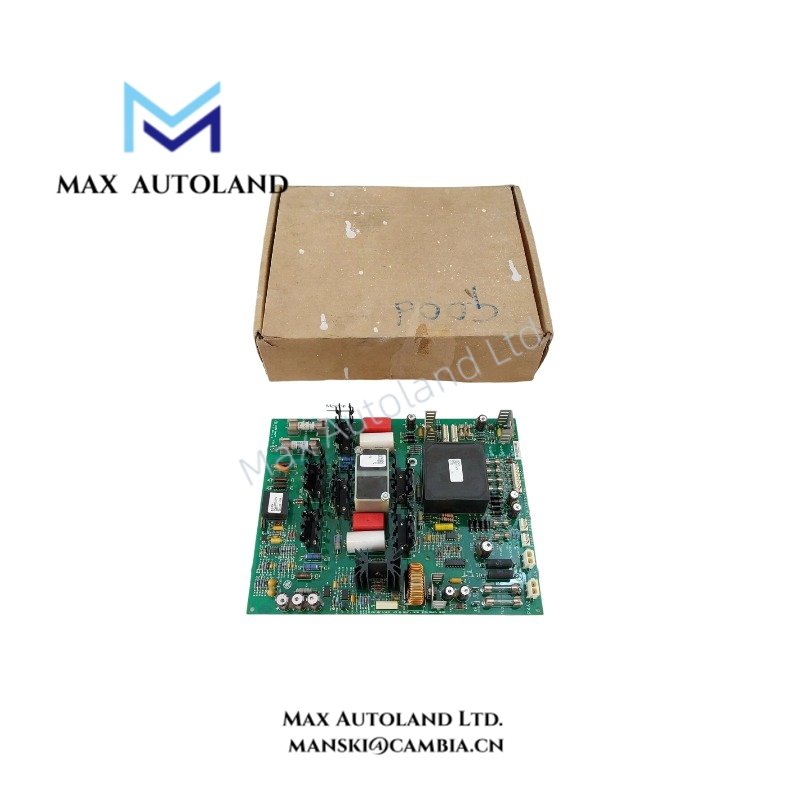
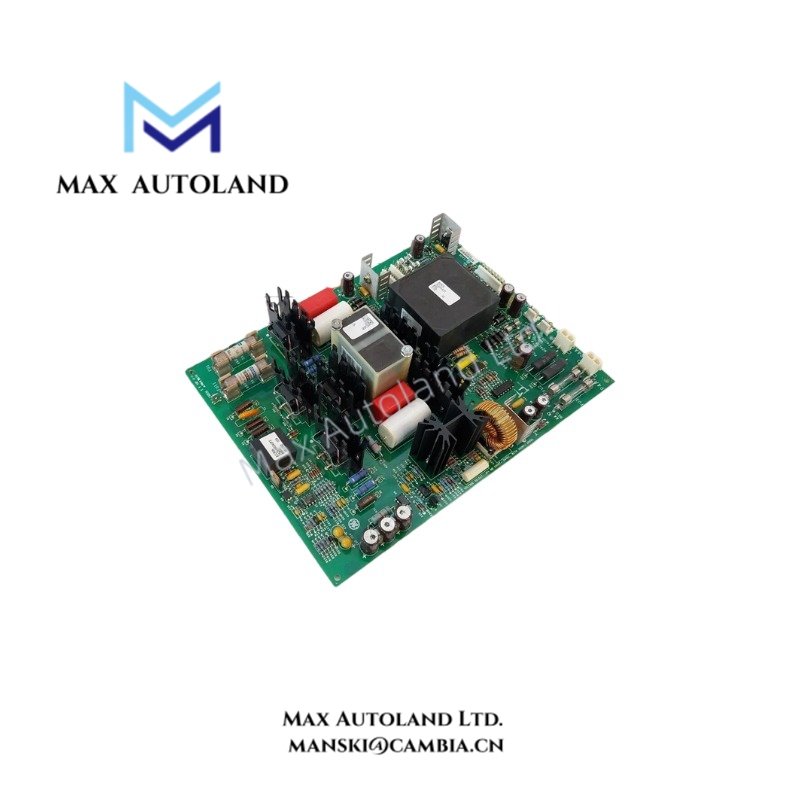
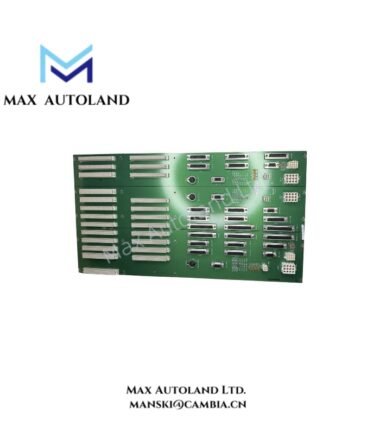
The GE IS210AEPSG1B, identified by the base model IS210AEPSG1B, is a printed circuit board described as an Alternative Energy Power Supply (AEPS) board. It supports power-related functions in alternative energy control equipment. However, the available data does not confirm its electrical ratings or compatibility with a specific Mark VIe configuration.
Hardware Specifications
| Parameter | Specification |
|---|---|
| Model | IS210AEPSG1B |
| Brand | General Electric (GE) |
| Series | Alternative Energy Control Systems; exact platform requires verification |
| Product Type | Printed Circuit Board |
| Board Function | Alternative Energy Power Supply (AEPS), according to the supplied description |
| Protective Coating | Conformal coating, according to the supplied description |
| Origin | Not specified |
| Weight | 0.62 kg |
| Estimated Shipping Dimensions | 2 cm x 21 cm x 26.5 cm |
| Hardware Revision | G1B suffix; detailed revision coding requires verification |
Power Supply Hardware and Control Interface
The IS210AEPSG1B serves as a power-related circuit board in the described alternative energy control assembly. However, the available information does not establish its input voltage, output voltage, or maximum current.
The supplied description lists fuses, diodes, resistors, capacitors, heat sinks, and plug-in terminal connectors as possible board components. Therefore, technicians should compare these details with the physical board and the applicable GE documentation before servicing the unit.
In addition, technicians should verify the input supply range, output ratings, connector assignments, and protection limits before energizing the board. The model number alone does not establish these electrical values.
Hardware and Firmware Compatibility
Before replacing the IS210AEPSG1B, check its part number and revision against the target assembly. GE control hardware may use different connector layouts, electrical interfaces, and firmware configurations.
For this reason, technicians should:
- First, verify the complete part number and revision marking.
- Next, compare the connector positions and board layout with the installed unit.
- Then, confirm the approved replacement status using the equipment bill of materials or GE documentation.
- Finally, verify system compatibility before applying power.
The supplied description mentions Mark VIe applications, but it does not confirm compatibility with every Mark VIe configuration.
Frequently Asked Questions (FAQ)
Q: What is the operating voltage of the GE IS210AEPSG1B?
A: The available specifications do not state the operating voltage. Therefore, consult the applicable GE hardware manual or assembly schematic before connecting power.
Q: Can technicians replace the IS210AEPSG1B while the system is running?
A: The available information does not confirm hot-swap support. Consequently, technicians should follow the manufacturer’s power isolation procedures unless the system documentation explicitly permits live replacement.
Q: Is the IS210AEPSG1B compatible with Mark VIe systems?
A: The supplied description associates the board with Mark VIe and alternative energy applications. However, technicians must verify the exact hardware configuration before installing the board.
Field Installation Guidelines
- First, isolate the relevant power sources and verify that the equipment is de-energized.
- Next, record the installed board’s part number, revision, connector positions, and wiring arrangement.
- Before installation, inspect the PCB, connectors, and conformal coating for visible damage, contamination, or corrosion.
- Meanwhile, use suitable electrostatic discharge (ESD) protection when handling the board.
- Also, separate power wiring from sensitive signal wiring where the cabinet design requires it. Follow the documented grounding and shielding scheme.
- Before reconnecting the assembly, check all connector pin assignments against the applicable schematic.
- Finally, complete the manufacturer’s inspection and commissioning procedures before returning the equipment to service.