AI LIVE London Summit Highlights the Future of Industrial Automation
Artificial intelligence is rapidly changing the industrial automation landscape. AI LIVE: The London Summit 2026 will bring together more than 2,000 technology leaders, automation experts, and business executives.
The event will focus on the theme “Technology + Human Purpose”. Moreover, it will examine how companies can combine artificial intelligence with industrial systems to improve productivity and operational decision-making.
For manufacturers, AI integration is no longer only a digital transformation goal. It has become a practical approach to improving factory automation, control systems, and supply chain performance.
AI Integration Drives the Next Generation of Industrial Automation
Industrial automation has traditionally depended on PLC, DCS, SCADA, and distributed control systems to manage production processes. However, modern factories require faster decisions and greater operational flexibility.
AI introduces new capabilities through machine learning, predictive analytics, computer vision, and intelligent optimisation. Therefore, automation platforms can analyse large volumes of process data and support better production strategies.
From my experience working with industrial control environments, successful AI implementation does not replace existing PLC or DCS architectures. Instead, it adds an intelligence layer that helps engineers improve system performance.
Schneider Electric and Arvato Discuss AI Applications in Industry
AI LIVE: The London Summit will feature experts from leading industrial companies, including Schneider Electric and Arvato. The panel will explore practical AI applications across manufacturing, logistics, and supply chain operations.
Julia Peyre, Head of AI Strategy & Innovation at Schneider Electric, will share insights into industrial AI adoption. Her work focuses on developing AI strategies and scaling innovative solutions across global operations.
Schneider Electric has extensive experience in energy management, automation software, and industrial control systems. Its digital platforms demonstrate how AI can support smarter factories and more efficient industrial operations.
Predictive Maintenance Improves Industrial Control System Performance
Predictive maintenance represents one of the most valuable AI applications in industrial automation. Traditional maintenance schedules often rely on fixed intervals or manual inspections.
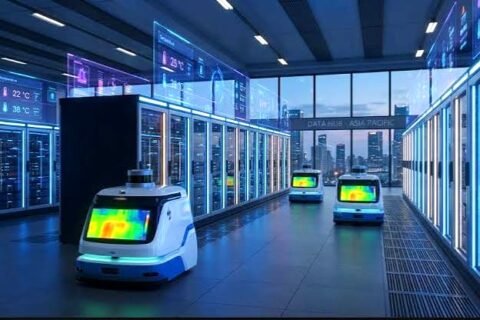
However, AI-based monitoring systems can analyse vibration data, temperature signals, electrical measurements, and equipment performance trends. As a result, maintenance teams can identify potential failures before they affect production.
For example, industries using DCS and PLC-based systems can combine historical operating data with AI models. This approach helps reduce downtime and improves asset availability.
Intelligent Robotics and Computer Vision Transform Factory Automation
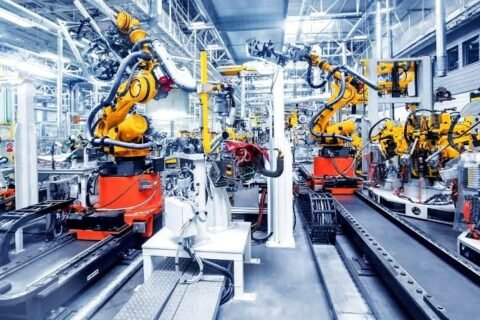
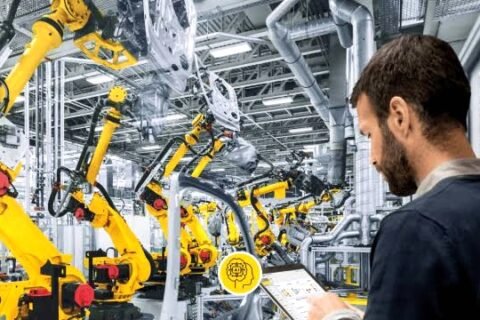
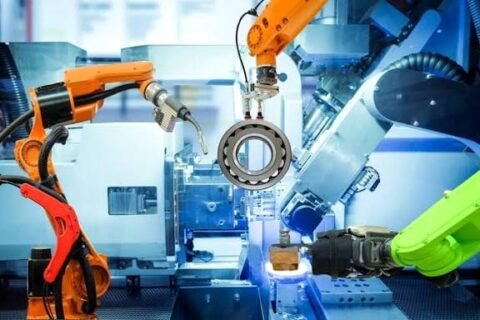
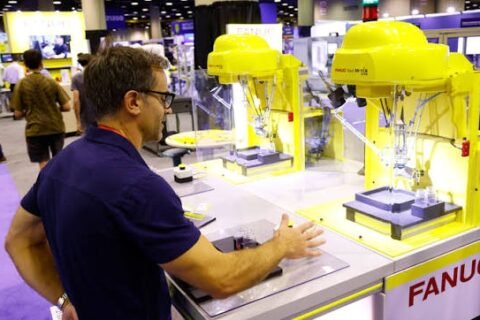
AI-powered robotics is creating new possibilities for factory automation. Modern robots can now adapt to changing production conditions through intelligent algorithms and advanced sensors.
Computer vision technology also improves quality inspection processes. Instead of relying only on manual checks, manufacturers can use AI systems to detect defects, measure components, and monitor assembly operations.
Moreover, AI vision systems can work alongside industrial robots to increase accuracy and production consistency. This combination supports flexible manufacturing environments.
AI Enables Smarter Supply Chain and Logistics Operations
The logistics sector is another major area where AI creates measurable improvements. Adie Taylor, Head of Solution Design & Logistics Engineering at Arvato, will discuss how AI supports connected and adaptable logistics automation.
Modern supply chains face constant changes in demand, inventory levels, and transportation requirements. Therefore, companies need intelligent systems that can respond quickly to operational variations.
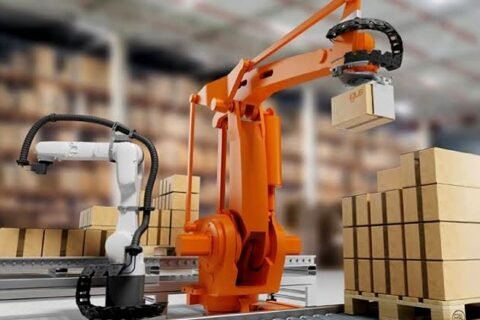
AI helps logistics providers optimise warehouse operations, improve forecasting accuracy, and coordinate automated equipment. These technologies allow employees to focus on complex decisions instead of repetitive tasks.
Challenges of Integrating AI with Existing Automation Systems
Although AI provides significant opportunities, industrial companies must carefully manage integration challenges. Many factories still operate legacy PLC, DCS, and SCADA systems with long service lifecycles.
Successful AI adoption requires strong data infrastructure, cybersecurity protection, and compatibility with existing control architectures. In addition, engineers must maintain stable process control while introducing new digital technologies.
Based on practical industrial projects, companies should begin with specific applications such as predictive maintenance or energy optimisation. This approach reduces risk and creates measurable business value.
Industry Experience Shows AI Works Best with Human Expertise
AI does not eliminate the need for automation engineers. Instead, it supports engineers by providing additional analysis and operational insights.
Experienced technicians remain essential for interpreting process conditions, managing control strategies, and ensuring system safety. Therefore, the future industrial environment will combine human expertise with AI-driven decision support.
Manufacturers should view AI as an extension of existing automation knowledge. The strongest results usually come from combining experienced engineers, reliable control systems, and intelligent software platforms.
AI LIVE London Summit Explores the Future of Smart Manufacturing
AI LIVE: The London Summit 2026 will provide a platform for business leaders to discuss practical AI deployment strategies. The conference will cover industrial automation, digital transformation, and enterprise AI adoption.
Held at Olympia London on 20-21 October, the event will connect automation specialists, technology providers, and industry executives.
For companies planning future factory automation projects, the summit offers valuable perspectives on integrating AI with existing industrial infrastructure.
Industrial Automation Application Scenarios
AI and industrial automation technologies are already creating value across multiple industries:
- Manufacturing plants: AI-based predictive maintenance improves equipment uptime and production efficiency.
- Process industries: AI enhances DCS operations through advanced process optimisation.
- Energy facilities: Intelligent monitoring improves asset management and operational safety.
- Warehousing operations: AI robotics increases storage efficiency and order accuracy.
- Industrial equipment manufacturers: AI analytics improve product design and lifecycle management.
The future of industrial automation will depend on combining proven control technologies with intelligent software capabilities. Companies that develop balanced AI strategies will gain stronger operational advantages.