Predictive Precision: How Vibration Monitoring and Targeted Maintenance Extend Machinery Life
Maximizing Machinery ROI Through Predictive Maintenance
Rotating equipment, including pumps, compressors, turbines, and gearboxes, represents a major capital investment for manufacturers.
Industrial automation systems such as PLCs, DCS, and factory control systems can leverage vibration monitoring to reduce unplanned downtime. Predictive maintenance driven by vibration data prolongs equipment life and lowers operating costs.
Limitations of Traditional Maintenance Approaches
Traditional strategies like run-to-failure and routine preventive maintenance can be costly and inefficient.
Run-to-failure risks cascading damage to machinery, while preventive schedules often lead to over-maintenance. Both approaches limit equipment longevity and increase operational costs, particularly in automated factory environments.
Condition-Based Maintenance with Vibration Monitoring
Vibration monitoring enables maintenance teams to act at the right time, targeting interventions only when needed.
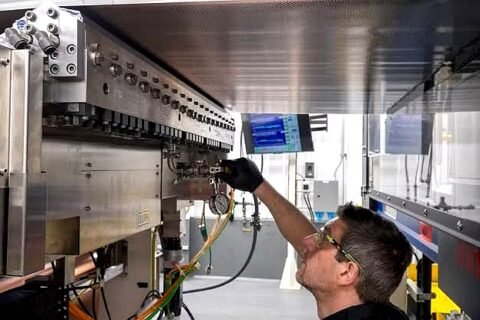
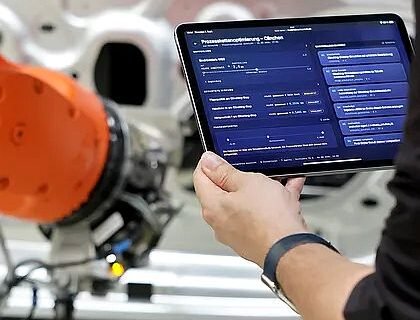
By using sensors and handheld analyzers, teams can monitor machinery continuously or periodically, detecting early warning signs and planning maintenance during scheduled downtime. This approach optimizes PLC and DCS-controlled processes and reduces unnecessary interruptions.
Tailoring Strategies for Different Components
Not all machinery components require identical monitoring approaches. High-value assets like steam turbines or critical pump bearings benefit from continuous monitoring, while less critical equipment may only need periodic checks.
Industrial automation teams should align vibration strategies with equipment criticality, failure history, and operational conditions for optimal ROI.
Getting Started with Vibration Monitoring Programs
Effective implementation requires understanding both equipment needs and team capabilities.
Companies can start small with targeted sensors, outsourcing analysis if in-house expertise is limited. Training programs, both online and in-person, can upskill teams in vibration data interpretation and predictive maintenance practices.
From Data to Actionable Maintenance Insights
Vibration monitoring provides actionable insights beyond basic trend analysis. Experienced teams can identify issues such as imbalance, misalignment, looseness, and bearing defects.
Addressing these problems early prevents costly repairs, maintains machine alignment, and ensures control system performance in automated production lines.
Realizing Long-Term Benefits for Industrial Automation
Condition-based maintenance powered by vibration monitoring reduces unplanned failures, lowers maintenance costs, and maximizes production uptime.
Integrating vibration data into factory automation systems enhances predictive maintenance capabilities, improves operational efficiency, and increases the lifetime of critical machinery components.
Practical Applications and Solution Scenarios
- Factory Automation: Use vibration sensors with PLC and DCS systems to optimize production and prevent downtime.
- Rotating Machinery: Monitor pumps, compressors, and turbines to extend service life and reduce emergency repairs.
- Predictive Maintenance: Apply condition-based maintenance strategies for cost savings and operational efficiency.