
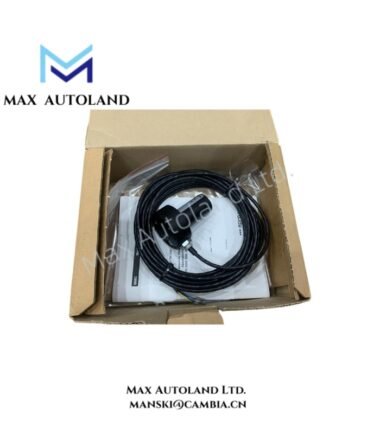
Overview
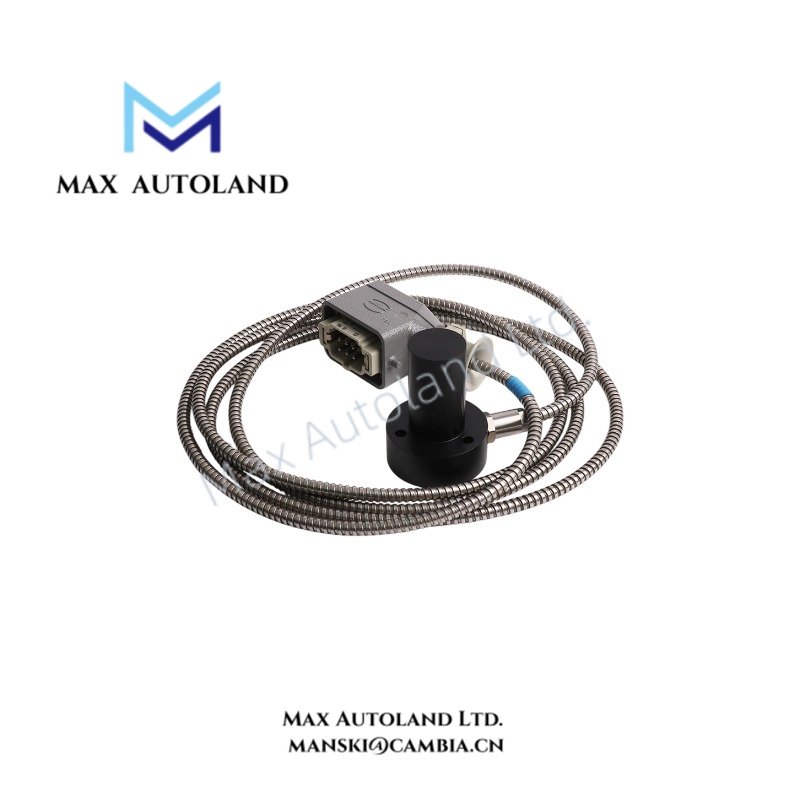
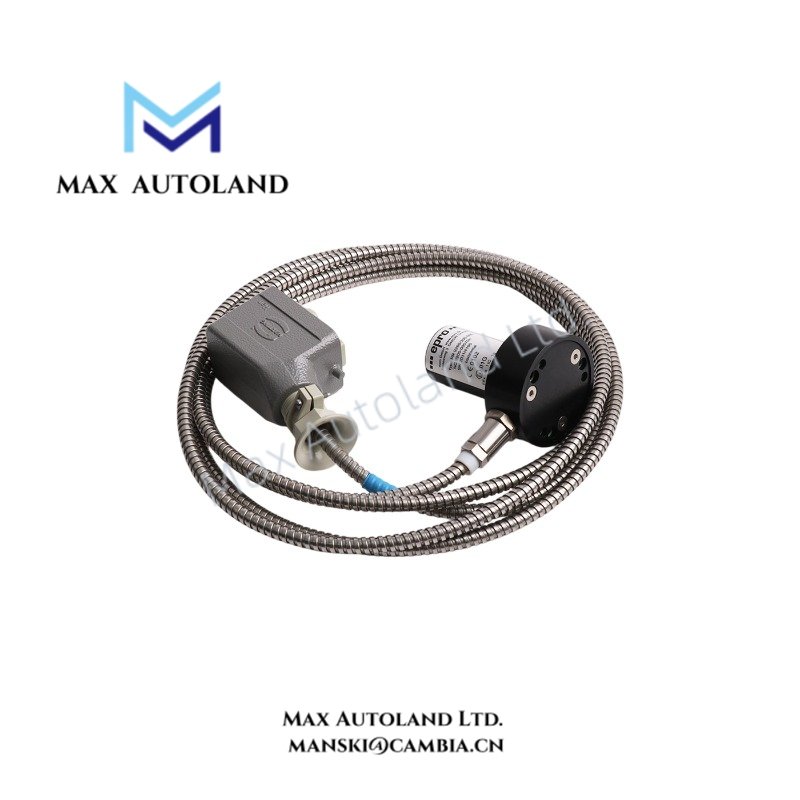
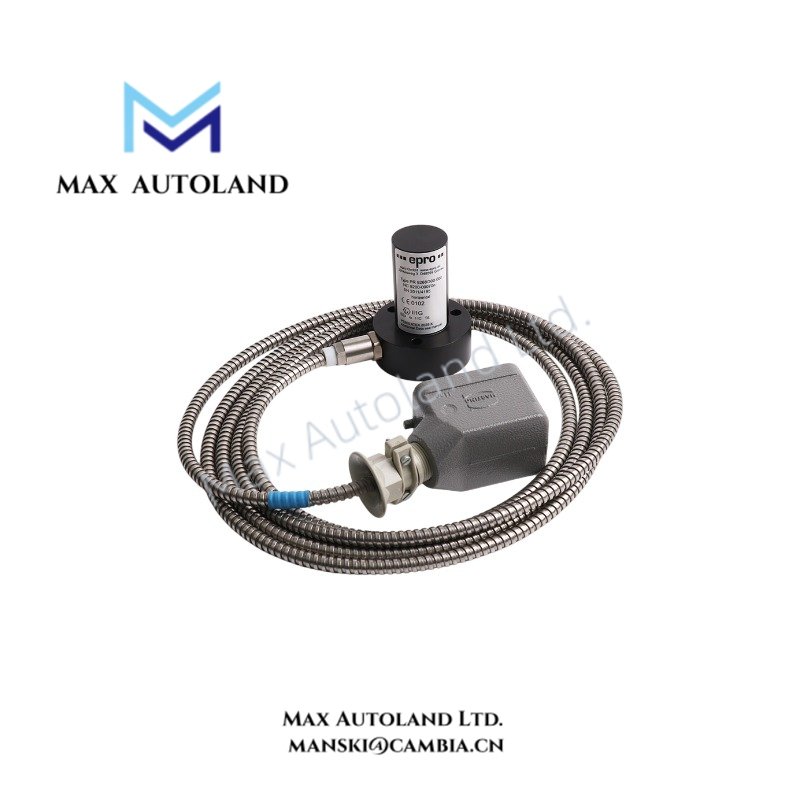
Configured for mechanical vibration velocity measurement, the Emerson EPRO PR9268/300-000 (PR9268/300 mechanical velocity sensor) converts casing vibration motion into an electrical signal. Its electrodynamic sensing element provides a 4 to 1000 Hz frequency range and a sensitivity of 28.5 mV/mm/s for direct machinery vibration measurement.
Hardware Specifications
| Parameter | Specification |
|---|---|
| Model | PR9268/300-000 |
| Brand | Emerson EPRO |
| Product Type | Mechanical Velocity Sensor |
| Origin | Germany |
| Weight | 0.75 kg |
| Dimensions | Estimated shipping size: 25 x 22 x 8 cm |
| Mounting Orientation | Horizontal, +/- 10 deg without lifting/sinking current |
| Sensitivity | 28.5 mV/mm/s (723.9 mV/in/s) |
| Frequency Range | 4 to 1000 Hz |
| Natural Frequency | 4.5 Hz +/- 0.75 Hz at 20 deg C (68 deg F) |
| Vibration Amplitude | 3000 um peak-to-peak; 4000 um peak-to-peak specified |
| Amplitude Linearity | < 2% |
| Resistance | 1875 ohm +/- 10% |
| Inductance | <= 90 mH |
| Active Capacity | < 1.2 nF |
Electrodynamic Velocity Sensing Characteristics
The PR9268/300-000 uses an electrodynamic sensing principle to measure mechanical vibration velocity. Therefore, the output sensitivity is specified directly in mV/mm/s and mV/in/s rather than as a standard powered 4-20 mA process signal.
The 4 to 1000 Hz frequency range defines the specified measurement band. The 4.5 Hz natural frequency provides the mechanical reference point of the sensing element. In addition, the stated amplitude linearity of less than 2% defines the specified deviation of the sensor response over its applicable vibration range.
The 1875 ohm +/- 10% resistance, inductance of no more than 90 mH, and active capacity below 1.2 nF define the sensor’s electrical characteristics for interface and signal-circuit consideration.
Frequently Asked Questions
Q: What type of signal does the PR9268/300-000 provide?
A: It is an electrodynamic velocity sensor with a specified sensitivity of 28.5 mV/mm/s (723.9 mV/in/s). The supplied data does not specify a 4-20 mA output.
Q: What frequency range is specified for the sensor?
A: The specified frequency range is 4 to 1000 Hz, with a natural frequency of 4.5 Hz +/- 0.75 Hz at 20 deg C.
Q: What electrical parameters should be considered when connecting the sensor?
A: The supplied specifications state 1875 ohm +/- 10% resistance, inductance of <= 90 mH, and active capacity of < 1.2 nF. The receiving circuit should therefore be compatible with these characteristics.
Field Installation Guidelines
Install the sensor in the specified horizontal orientation and maintain the stated +/- 10 deg mounting tolerance where applicable. Use a mechanically rigid mounting surface so that the sensor follows the measured vibration without introducing mounting-related movement.
Route the sensor cable separately from high-current power conductors and strong electromagnetic noise sources where practical. Avoid unnecessary cable loops, mechanical tension, and sharp bends. Keep the sensing connection clean and secure.
Connect the sensor to an input circuit compatible with its electrodynamic output and specified resistance, inductance, and capacitance. Verify signal polarity and terminal identification against the applicable equipment documentation before energizing or commissioning the monitoring circuit.


Reviews
There are no reviews yet.