HANNOVER MESSE 2026: How Industry Masters Change
Global Industry Faces Unprecedented Transformation
The manufacturing sector is entering its most disruptive phase yet, driven by global competition, rising costs, and artificial intelligence (AI). Companies need platforms to share innovation, showcase best practices, and demonstrate advanced control systems, PLCs, and DCS solutions. HANNOVER MESSE 2026, taking place from April 20–24 in Hannover, Germany, fulfills this role by highlighting how automation, digitalization, and energy systems combine to boost industrial competitiveness.
AI as a Core Driver of Factory Efficiency
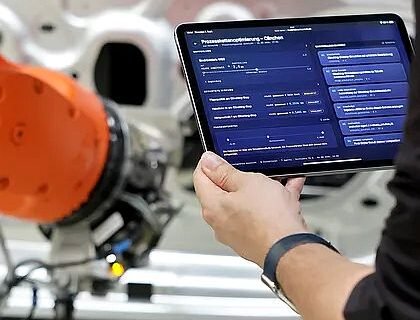
AI integration is central to modern industrial automation. At HANNOVER MESSE, attendees will see how AI can optimize production workflows, predictive maintenance, and energy consumption. AI-powered control systems not only improve throughput but also enhance operational reliability. From my perspective, manufacturers that embrace AI-driven PLCs and DCS systems will gain measurable advantages in efficiency and adaptability.
Defense Production Park: Scalable and Secure Manufacturing
A new exhibition area, the Defense Production Park, will address security-critical manufacturing. Automation and digitalization enable defense companies to scale production rapidly without compromising safety or quality. This focus is crucial, as defense production faces unique geopolitical pressures. The dedicated area demonstrates how industrial automation solutions can maintain resilience under sensitive conditions.
Exhibitors and Technology Leaders
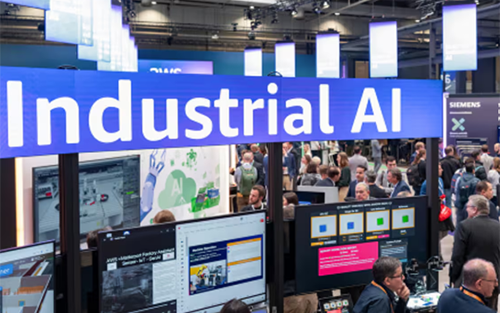
Over 4,000 companies from mechanical engineering, electrical, and digital industries will showcase innovations. Key participants include global giants such as Siemens, Microsoft, SAP, AWS, and Schneider Electric, alongside SME leaders like Beckhoff, Festo, and Phoenix Contact. Research institutions including Fraunhofer and Karlsruhe Institute of Technology (KIT) will present cutting-edge industrial solutions, while more than 300 startups will display disruptive technologies. This blend of expertise ensures attendees gain a comprehensive view of the latest factory automation trends.
Optimized Hall Layout and Visitor Experience
HANNOVER MESSE 2026 introduces a new thematic structure for improved navigation and visibility. The three main exhibition areas—Automation & Digitalization, Energy & Industrial Infrastructure, and Research & Technology Transfer—reflect the convergence of software and hardware in modern factories. Attendees will witness how data-driven manufacturing, AI-controlled robots, and digitalized supply chains integrate seamlessly within industrial automation ecosystems.
Networking and Knowledge-Sharing Formats
The fair offers advanced networking and learning formats, including masterclasses, forums, matchmaking, and the Center Stage. Experts and industry decision-makers will discuss challenges, solutions, and real-world applications. The Center Stage highlights questions such as achieving carbon-neutral production, leveraging AI for value creation, and securing technological sovereignty in Europe.
Strategic Focus on Brazil
Brazil will serve as the partner country, emphasizing strategic industrial partnerships. The Latin American market offers abundant opportunities in green energy, raw materials, and industrial growth. HANNOVER MESSE provides a platform to strengthen international collaboration, particularly for German companies already contributing significantly to Brazil’s industrial output.
Author Insights: Why This Matters for Manufacturers
Industrial automation is evolving rapidly, and companies must adapt to survive. Combining PLCs, DCS, AI, and digitalized processes allows factories to be agile, sustainable, and efficient. From my experience, manufacturers who integrate these technologies early achieve faster changeovers, higher productivity, and better resource utilization. HANNOVER MESSE 2026 highlights the actionable strategies and innovations needed to achieve this transformation.
Applications and Use Cases
- Automotive Manufacturing: AI-driven robotics and DCS systems optimize assembly lines for higher throughput.
- Energy Management: Integration of industrial automation with smart energy systems reduces operational costs.
- Defense Production: Scalable automated systems maintain security and quality under geopolitical pressures.
- Digital Supply Chains: PLC and control system integration enables responsive, data-driven logistics.