
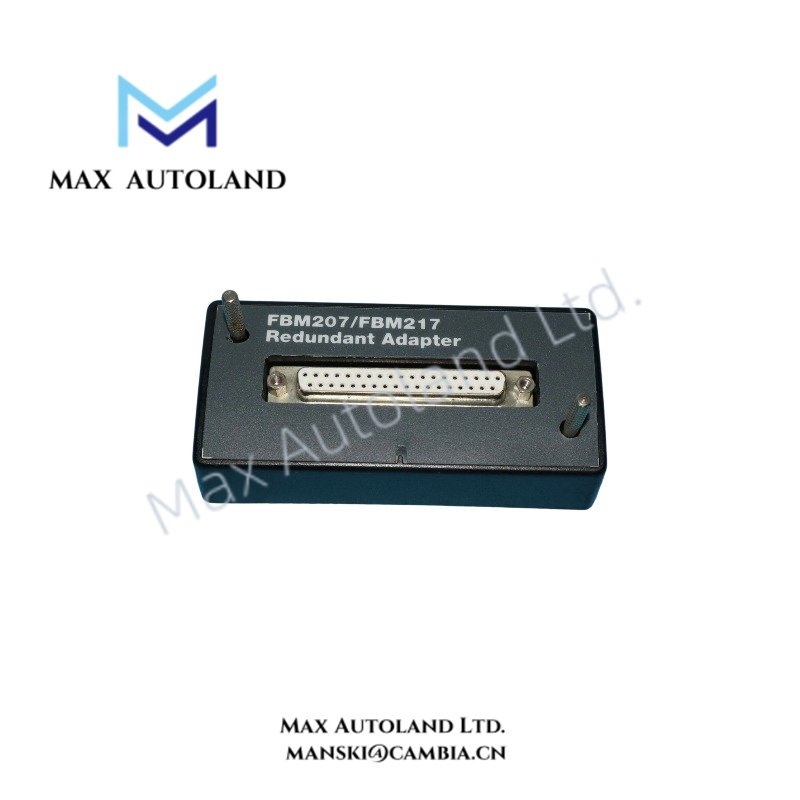
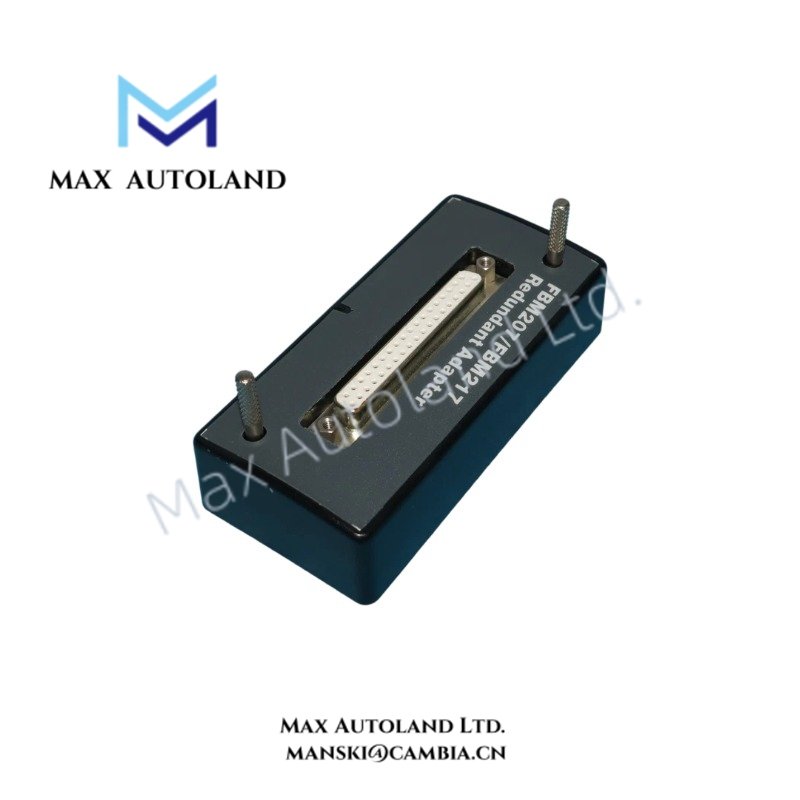
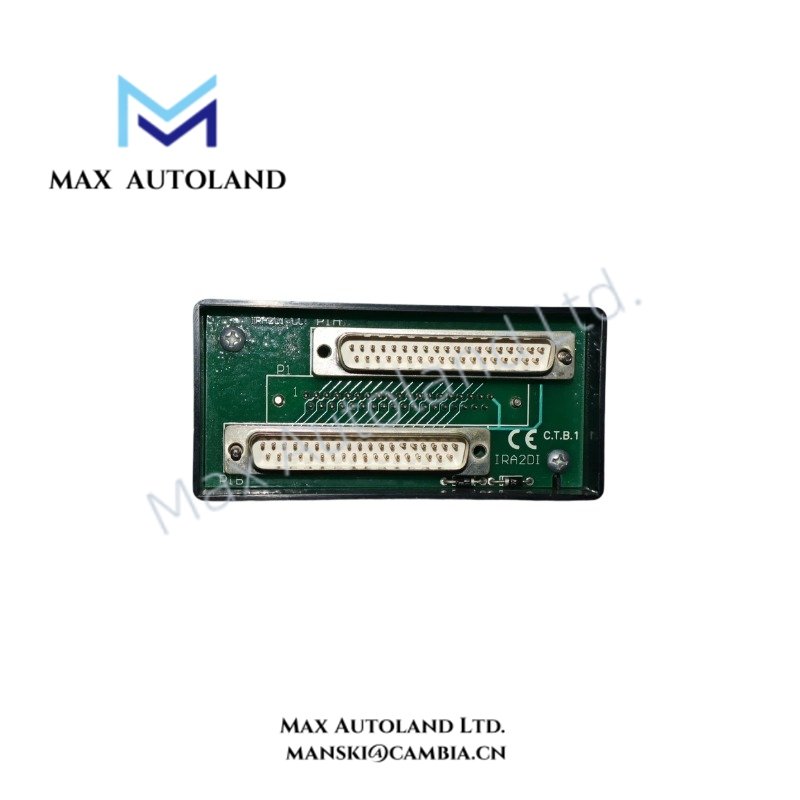
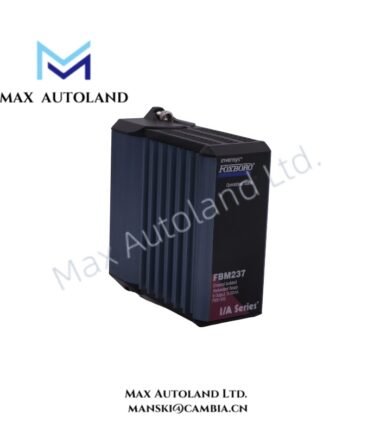
Overview
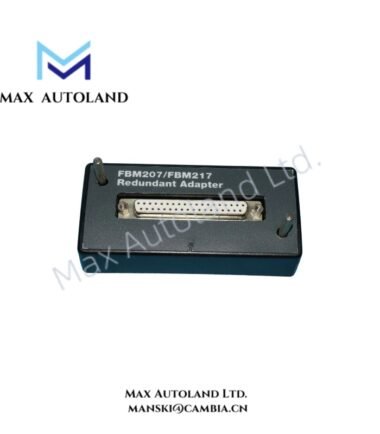
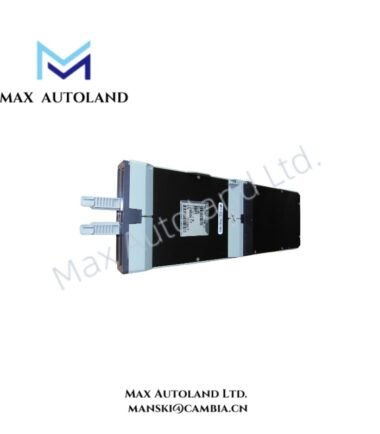
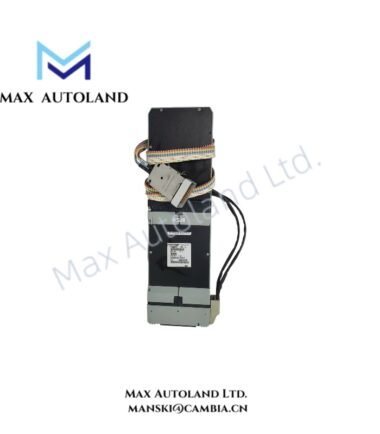
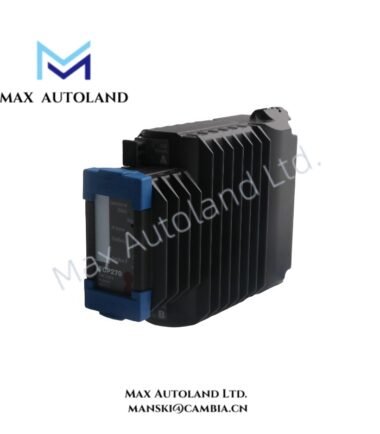
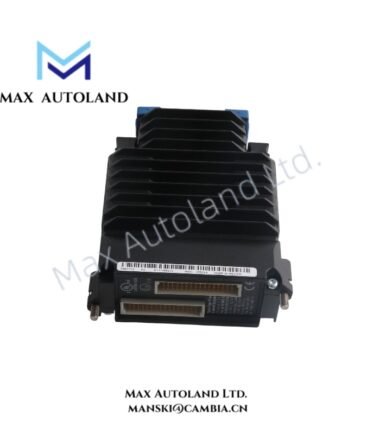
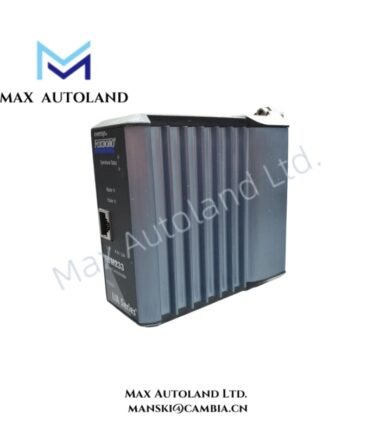
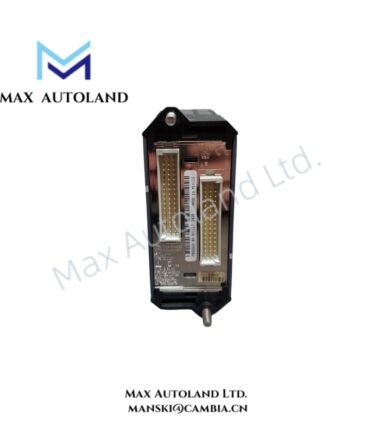
The Foxboro FBM207, also cataloged as the FBM207 Discrete Input Module, operates as a dedicated hardware component for isolated voltage and contact signal acquisition within Foxboro I/A Series and Foxboro Evo DCS networks. The Foxboro FBM217, also cataloged as the FBM217 Discrete Input Module, provides higher-density discrete signal monitoring with 32 input channels.
Hardware Specifications
| Parameter | Specification |
|---|---|
| Model | FBM207 / FBM217 |
| Brand | Foxboro |
| Product Type | Discrete Input Modules |
| System Compatibility | Foxboro I/A Series and Foxboro Evo DCS |
| FBM207 Channel Capacity | 16 isolated discrete input channels |
| FBM217 Channel Capacity | 32 discrete input channels |
| Signal Type | 2-wire DC voltage inputs and contact sensing inputs |
| FBM207 Input Range | 15 to 60 VDC depending on module variant and TA |
| FBM217 Input Range | 15 to 60 VDC, 120 VAC / 125 VDC, 240 VAC via compatible TAs |
| Communication | Redundant 2 Mbps module Fieldbus to FCM/FCP |
| Power Supply | 24 VDC (+5%, -10% for FBM217; +/-5% for FBM207) |
| Power Consumption | FBM207: 3 W to 5 W max; FBM217: 3 W max at 24 VDC |
| Isolation | Up to 600 VAC field-to-ground / field-to-bus isolation depending on TA |
| Operating Temp | -20 deg C to +70 deg C |
| Dimensions | 102 mm x 45 mm x 104 mm; mounting height 114 mm including lugs |
| Weight | FBM207: Approx. 185 g; FBM217: Approx. 284 g |
| Filtering | Programmable debounce filters: none, 4 ms, 8 ms, 16 ms, 32 ms |
| Pulse Counting | Up to 250 Hz supported by FBM207 |
| Environmental Rating | ISA Standard S71.04 Class G3 harsh environment capability |
| Certifications | FBM217 supports UL/cUL Class I Div 2 and ATEX/IECEx Zone 2 compliance |
Foxboro DCS Channel Isolation and Discrete Signal Processing
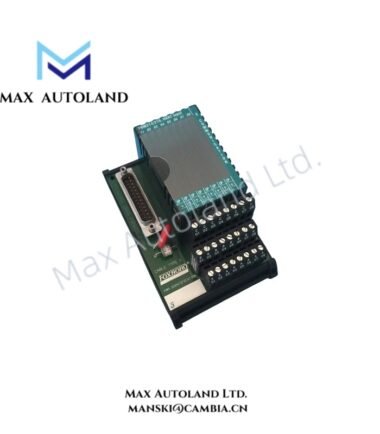
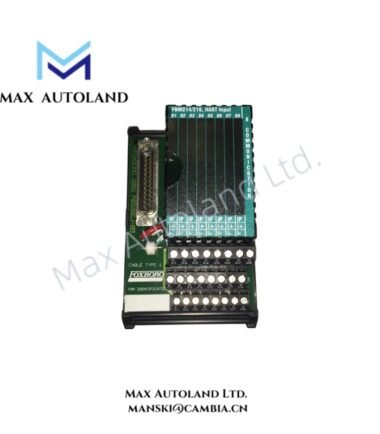
The FBM207 and FBM217 modules process discrete electrical states through isolated input channels connected to Foxboro termination assemblies. Therefore, each input channel can monitor field contacts, switches, and voltage sources while maintaining separation between field wiring and system electronics.
The modules support channel-to-channel isolation through compatible termination assemblies. Furthermore, the FBM217 provides higher I/O density for applications requiring increased digital signal acquisition within the Foxboro I/A Series architecture.
The input circuits accept contact sensing and DC voltage signals, while selected termination assemblies extend compatibility to AC voltage inputs. Additionally, programmable filtering functions reduce false transitions caused by contact bounce or electrical interference.
Frequently Asked Questions
Q: Can the FBM207 and FBM217 operate in redundant module configurations?
A: Yes. Both modules support redundant configurations through the Foxboro module Fieldbus architecture. The redundant communication paths maintain connection between the I/O module and the control processor.
Q: Does the FBM217 support hot replacement during system operation?
A: Yes. The FBM217 supports hot-swappable replacement when installed within compatible Foxboro I/A Series hardware configurations. Field wiring remains connected through the termination assembly.
Q: What type of field signals can these modules monitor?
A: The modules monitor discrete voltage and contact inputs. Signal ranges depend on the selected module variant and termination assembly configuration.
Field Installation Guidelines
Install the FBM207 and FBM217 modules in approved Foxboro mounting assemblies with correct mechanical alignment and secure retention.
Verify termination assembly compatibility before connecting field wiring. Use proper shielding and grounding practices for signal cables to reduce electrical interference.
Separate discrete input wiring from high-voltage power conductors where possible. Confirm polarity, field voltage level, and contact wiring configuration before energizing the module.
Check module status indicators after installation and verify communication between the Fieldbus interface and the control processor.


Reviews
There are no reviews yet.