

Overview
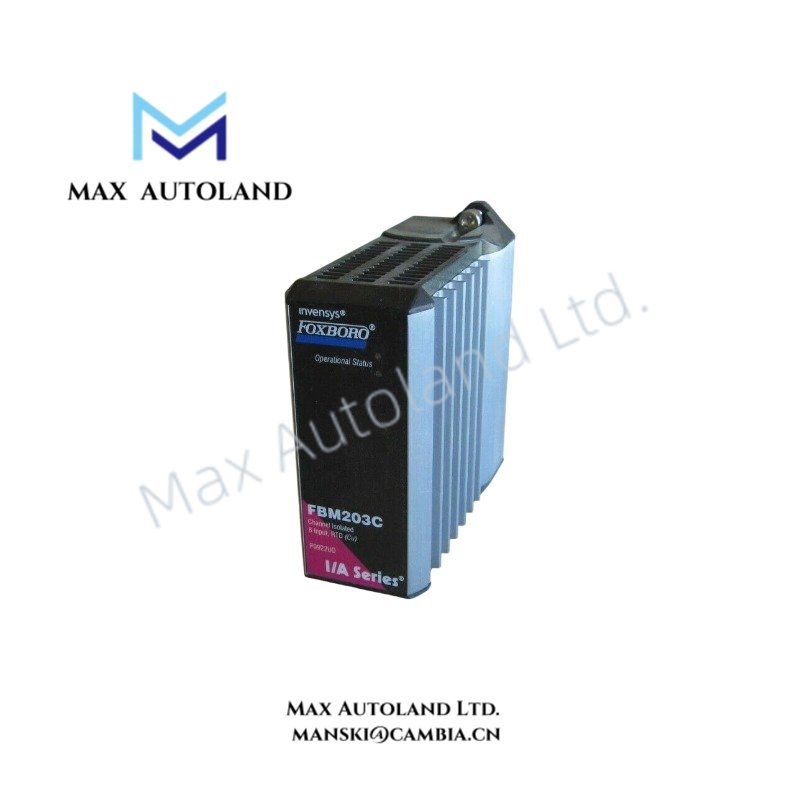
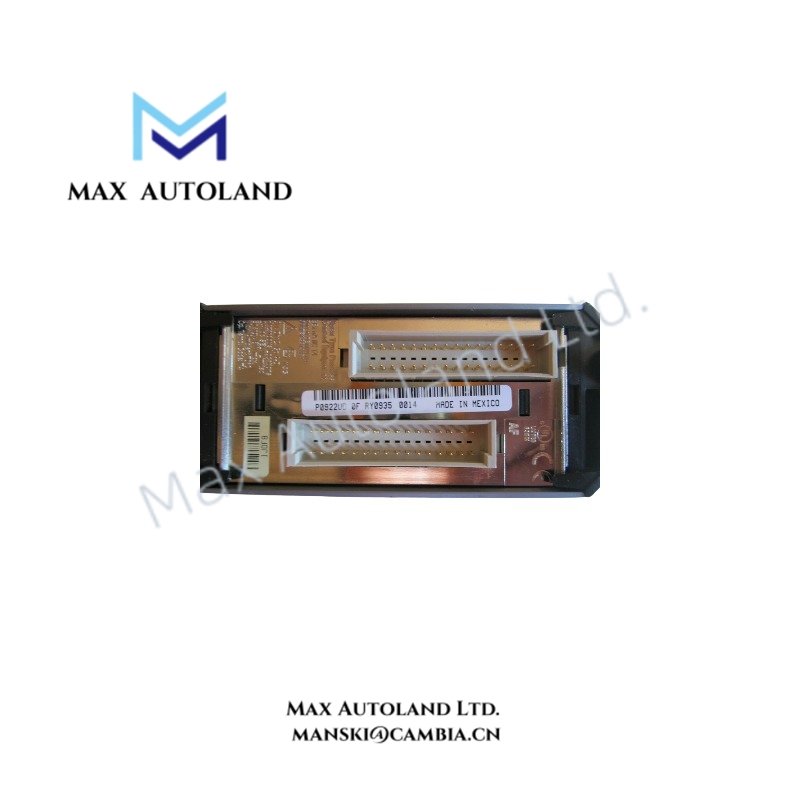
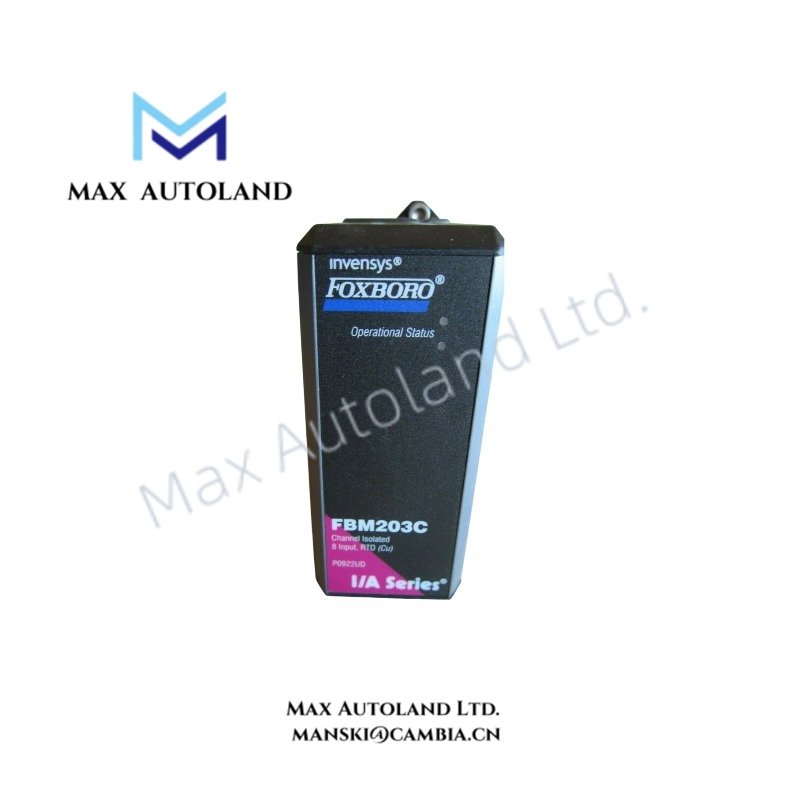
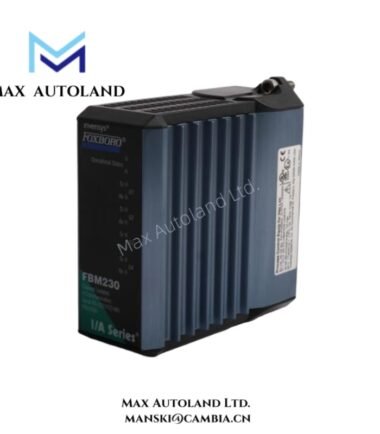
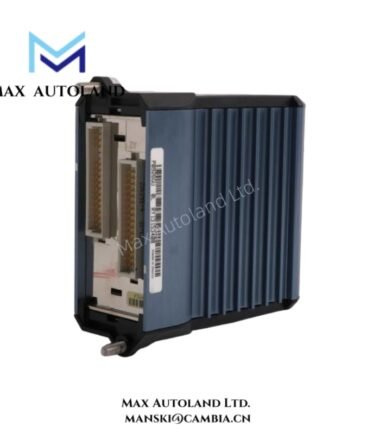
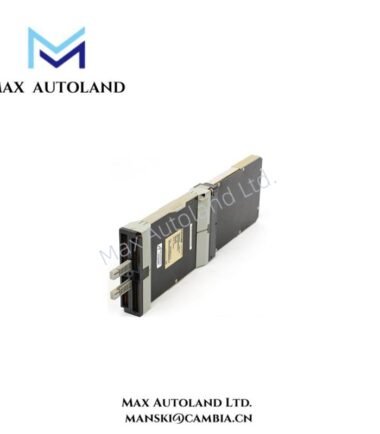
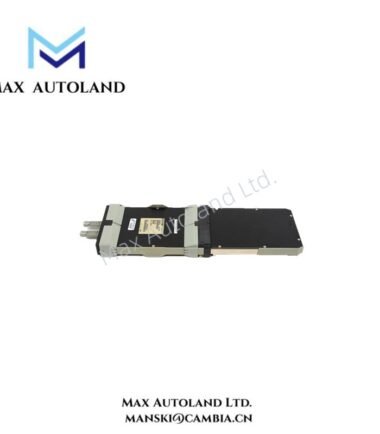
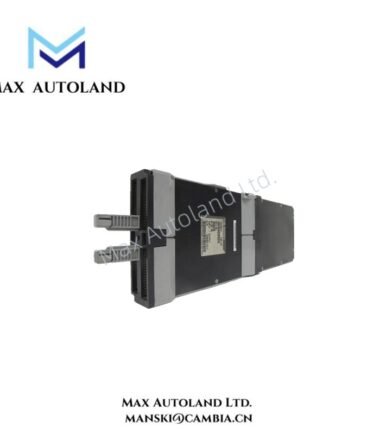
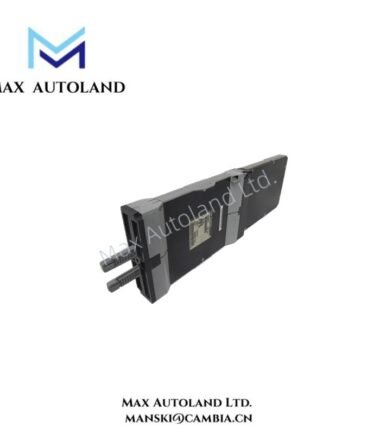
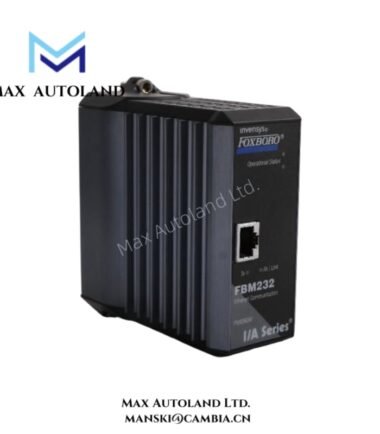
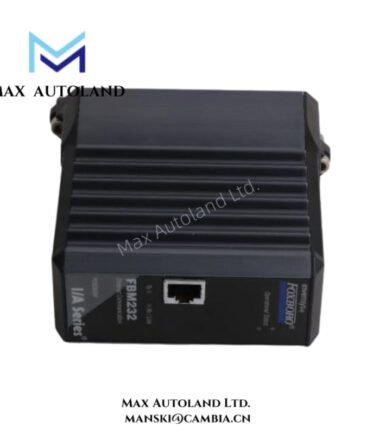
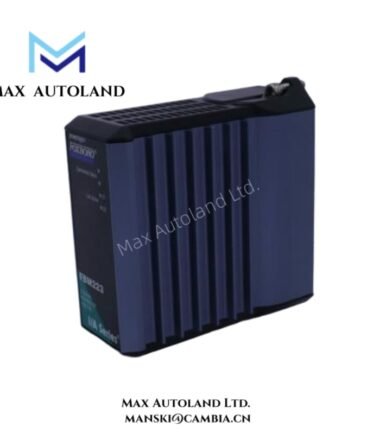
Configured for low-resistance RTD signal acquisition in Foxboro I/A Series and EcoStruxure DCS platforms, the Foxboro P0922UD (FBM203C 8-Channel Channel-Isolated RTD Input Module) provides direct electrical measurement of copper RTD sensor inputs.
Hardware Specifications
| Parameter | Specification |
|---|---|
| Model | P0922UD (FBM203C) |
| Brand | Foxboro / Invensys / Schneider Electric |
| Origin | Not specified in provided data |
| Module Type | 8-Channel Channel-Isolated RTD Input Module |
| System Platform | Foxboro I/A Series and EcoStruxure DCS |
| Input Channels | 8 isolated RTD input channels |
| Sensor Type | Copper RTD sensors, 10 ohm nominal at 25 deg C |
| Input Resistance Range | 0 to 30 ohm |
| Sensor Current | 0.54 mA DC nominal |
| Wiring Configuration | 2-wire and 3-wire RTD connection |
| Lead Resistance | 10 ohm maximum per lead |
| Analog Accuracy | +/- 0.1% of span including linearity |
| Temperature Drift | +/- 50 ppm/deg C |
| A/D Conversion | Sigma-Delta conversion per channel |
| Channel Isolation | 600 V AC for 1 min channel-to-channel and channel-to-ground |
| Common Mode Rejection | Greater than 125 dB at 50/60 Hz |
| Normal Mode Rejection | Greater than 95 dB at 50/60 Hz |
| Input Voltage | 24 VDC +5% / -10% from redundant baseplate supply |
| Power Consumption | 3 W maximum |
| Heat Dissipation | 3 W maximum |
| Mounting | 200 Series modular baseplate, DIN rail or rack mounting |
| Dimensions | Approx. 110 mm x 50 mm x 120 mm |
| Weight | Approx. 0.3 kg |
| Operating Temp | -20 deg C to +70 deg C |
| Relative Humidity | 5% to 95%, non-condensing |
| Environmental Class | G3 harsh/corrosive environment according to ISA Standard S71.04 |
| Fieldbus Communication | Redundant 2 Mbps module fieldbus lines |
Channel Isolation and DCS Temperature Measurement
The FBM203C uses individual isolated acquisition circuits to measure low-resistance RTD signals and transmit converted temperature values to the control system. Furthermore, the module supports copper RTD applications where resistance changes remain within the 0 to 30 ohm input range.
The channel-to-channel isolation architecture reduces ground loop influence and electrical interference between field devices. In addition, the sigma-delta conversion method provides continuous digital conversion for each RTD channel before transmission through the Foxboro module fieldbus.
Frequently Asked Questions
Q: What RTD sensor range does the FBM203C support?
A: The FBM203C supports low-resistance RTD sensors from 0 to 30 ohm, including 10 ohm nominal copper RTD sensors at 25 deg C.
Q: Can the FBM203C connect different RTD wiring configurations?
A: Yes. The module supports both 2-wire and 3-wire RTD connections with a maximum lead resistance of 10 ohm per lead.
Q: How does the module handle electrical interference between input channels?
A: The FBM203C uses galvanic isolation between channels and ground, with specified rejection performance for common mode and normal mode noise.
Field Installation Guidelines
- Install the FBM203C on a compatible 200 Series modular baseplate before connecting field wiring.
- Verify RTD sensor wiring type before commissioning, because 2-wire and 3-wire configurations require correct terminal assignment.
- Route RTD signal cables separately from high-current power conductors to reduce electromagnetic interference.
- Connect cable shields according to the plant grounding practice and avoid multiple grounding points that can introduce ground loops.
- Confirm that field sensors match the module input resistance range before applying system power.
- Check baseplate power connections and redundant supply wiring before module initialization.
- Verify DCS communication status after installation and confirm all input channels report valid temperature measurements.


Reviews
There are no reviews yet.