
Overview
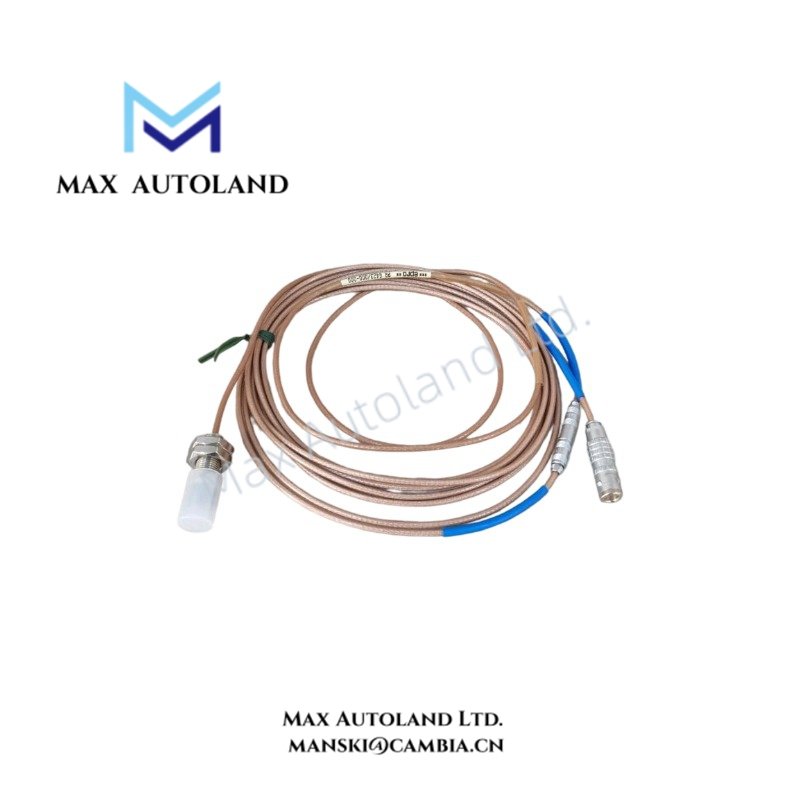
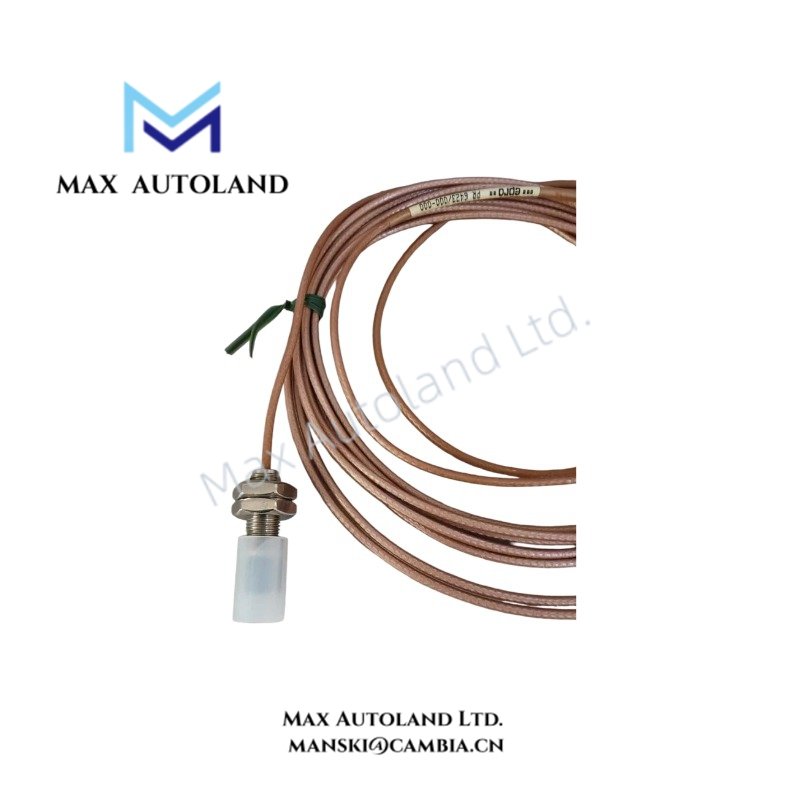
EPRO PR6426/000-031 Eddy Current Proximity Sensor
Configured for non-contact shaft displacement measurement in machinery monitoring systems, the EPRO PR6426/000-031 (PR6426 eddy current proximity sensor) converts probe-to-target displacement into an electrical measurement signal. The 32 mm sensor head and +/-4.0 mm measurement range support radial vibration, axial position, and eccentricity measurements.
Hardware Specifications
| Parameter | Specification |
|---|---|
| Model | PR6426/000-031 |
| Base Model | PR6426 |
| Brand | EPRO (Emerson) |
| Product Type | Eddy Current Proximity Sensor / Probe |
| Sensor Head Diameter | 32.0 mm |
| Measurement / Linear Range | +/-4.0 mm; total span 8 mm |
| Sensitivity | 2 V/mm (50.8 mV/mil), +/-1.5% |
| Frequency Response | 0 to 20,000 Hz (-3 dB) |
| Operating Temp | -35 deg C to +180 deg C |
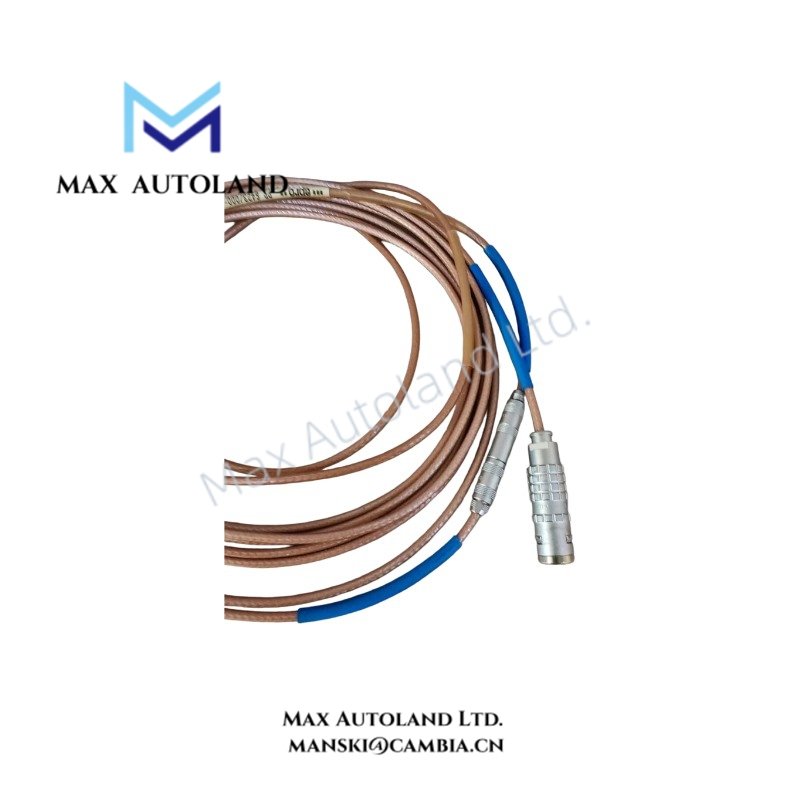
| Cable Configuration | Integrated cable with protective armor; -031 configuration |
| Primary Measurement | Radial vibration, axial position, displacement, eccentricity |
| Signal Integration | Compatible EPRO signal converter and MMS monitoring systems |
Eddy Current Signal Scaling and Cross-Talk Control
The PR6426 sensor uses non-contact eddy current measurement to detect displacement between the probe and a conductive shaft target. The probe produces a displacement-dependent electrical signal through compatible signal conditioning electronics.
The 2 V/mm sensitivity defines the nominal measurement scaling. The +/-4.0 mm measurement range provides an 8 mm total span. Therefore, the installed signal-conditioning system must maintain the specified probe scaling when converting the sensor output into displacement or vibration values.
The 32 mm sensor head uses a focused sensing geometry. This configuration supports installation near other metallic structures while limiting unwanted interaction between adjacent measurement fields. Actual installation spacing and target geometry must follow the applicable EPRO installation documentation.
Frequently Asked Questions
Q: What physical quantity does the PR6426/000-031 measure?
A: It measures non-contact displacement between the probe and a conductive rotating target. The resulting measurement can represent radial shaft vibration, axial position, or eccentricity depending on the mechanical installation.
Q: What is the specified measurement range?
A: The supplied specification defines a +/-4.0 mm linear measurement range, giving an 8 mm total span.
Q: Does the probe require signal-conditioning hardware?
A: Yes. The supplied data identifies compatibility with EPRO signal converters and MMS monitoring systems. The probe should therefore be integrated with the specified compatible conditioning electronics rather than treated as a standalone monitoring output.
Field Installation Guidelines
Install the probe so that its sensing axis is correctly aligned with the conductive measurement target. Maintain the specified probe-to-target geometry from the applicable EPRO installation documentation.
Route the integrated cable separately from high-current power conductors where practical. Avoid sharp bends, excessive mechanical stress, and unnecessary cable loops near rotating equipment.
For machinery monitoring applications, verify the probe mounting position before commissioning. Confirm that the target surface provides the required conductive material and that nearby metallic structures do not interfere with the sensing field.
Connect the probe to compatible EPRO signal-conditioning equipment using the designated termination arrangement. Verify the complete measurement chain, including probe scaling, before enabling vibration or position monitoring.
Because the supplied data does not specify cable length, mounting thread, weight, dimensions, or power consumption, these values should be taken from the applicable manufacturer documentation rather than inferred from the model suffix.


Reviews
There are no reviews yet.