ABB and LandingAI Unleash the Power of Generative AI for Robotic Vision
ABB Accelerates AI Robotics Development
ABB has announced a strategic investment in LandingAI to accelerate the adoption of AI-powered robotic vision systems. Through this collaboration, ABB aims to simplify robot deployment while improving flexibility across industrial automation environments.
The partnership represents another major milestone in ABB’s long-term AI strategy. Moreover, it reflects rising market demand for autonomous robotics and intelligent factory automation systems.
Manufacturers now require robots that adapt quickly to changing production tasks. Therefore, AI-based vision technology has become a critical component of next-generation automation platforms.
Vision AI Simplifies Robot Deployment
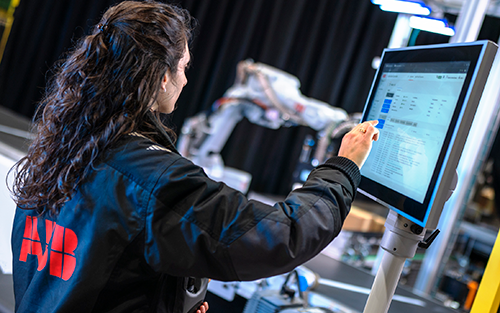
LandingAI delivers advanced visual AI technology through its LandingLens platform. The software enables users to train machine vision systems without complex coding or specialized AI expertise.
Traditionally, robot vision configuration requires extensive programming and commissioning time. However, the new collaboration could reduce deployment time by up to 80 percent.
ABB plans to integrate LandingAI’s vision AI tools directly into its robotics software ecosystem. As a result, system integrators can deploy intelligent robotic applications within hours instead of weeks.
In addition, shorter deployment cycles can significantly reduce engineering costs for industrial automation projects.
AI Robotics Increase Manufacturing Flexibility
Modern production facilities demand greater operational flexibility than traditional manufacturing lines. Consequently, industrial robots must identify objects, detect defects, and adapt to changing product conditions in real time.
AI-powered robotic vision helps manufacturers achieve these goals more efficiently. Furthermore, the technology enables faster retraining for new applications after deployment.
ABB stated that users can independently retrain AI models for different operational scenarios. Therefore, manufacturers can increase robot versatility while reducing dependence on specialized engineering teams.
From a factory automation perspective, simplified retraining becomes especially valuable for facilities with frequent product changes.
Intelligent Vision Systems Expand Into New Industries
ABB and LandingAI are expanding applications beyond traditional factory production environments. For example, the companies see strong opportunities in logistics, healthcare, and food processing industries.
These sectors often involve unstructured environments where conventional robotic systems struggle. However, AI-enhanced vision systems improve object recognition and operational adaptability.
ABB already pilots the technology in several applications, including:
- Item picking
- Automated sorting
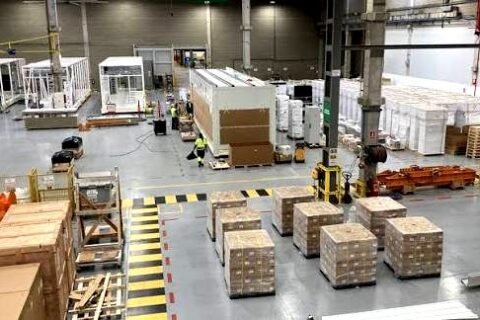
- Depalletizing systems
- Quality inspection processes
These applications require reliable visual recognition and real-time decision-making. As a result, generative AI and machine vision integration can significantly improve operational efficiency.
AI Vision Supports Smart Factory Development
ABB continues integrating AI technologies into its broader robotics and automation ecosystem. In addition, the company will offer the new AI training capabilities alongside its RobotStudio® software platform.
RobotStudio includes digital twin functionality for simulation and virtual commissioning. Consequently, engineers can test robotic applications before physical deployment.
This approach reduces commissioning risks and improves system reliability. Moreover, digital twin technology helps manufacturers optimize robotic workflows before production startup.
Therefore, the integration of AI vision and simulation tools strongly supports Industry 4.0 and smart manufacturing initiatives.
Industrial Automation Faces Skills Shortages
The robotics industry currently faces a shortage of experienced automation engineers and robot programmers. As a result, many manufacturers struggle to configure advanced vision systems efficiently.
ABB believes AI-powered training tools can reduce these barriers. Specifically, simplified deployment workflows allow more companies to adopt robotic automation without deep AI expertise.
This trend could accelerate automation adoption among small and medium-sized manufacturers. In addition, easier deployment supports faster return on investment for factory automation projects.
Based on practical industry experience, reducing commissioning complexity often becomes just as important as hardware performance.
ABB Robotics Ventures Expands Innovation Investment
ABB Robotics Ventures completed the investment as part of its strategy to support emerging automation technologies.
Since 2009, ABB Ventures has invested heavily in robotics, electrification, motion control, and industrial digitalization companies. Furthermore, the company continues building partnerships with innovative technology providers that shape future automation ecosystems.
This strategy demonstrates how major industrial automation companies increasingly collaborate with AI startups to accelerate innovation cycles.
Today, traditional industrial control systems alone no longer define competitive advantage. Instead, intelligent software integration and AI-driven adaptability now play equally important roles.
Generative AI Will Reshape Future Robotics
The collaboration between ABB and LandingAI highlights a broader shift toward generative AI in robotics and industrial automation.
Future robotic systems will likely combine:
- AI-powered vision
- Autonomous decision-making
- Digital twin simulation
- Cloud-based analytics
- Advanced motion control
- Real-time process optimization
As these technologies mature, robots will operate more independently across dynamic production environments.
However, successful deployment still requires strong cybersecurity, stable network architecture, and reliable industrial communication protocols. Therefore, manufacturers must balance innovation with operational safety and system reliability.
Application Scenarios for AI Robotic Vision
The ABB and LandingAI partnership supports multiple industrial automation applications, including:
- Automated warehouse logistics
- Intelligent quality inspection
- Food and beverage packaging lines
- Pharmaceutical handling systems
- Automotive parts sorting
- Smart depalletizing operations
- Electronics manufacturing inspection
- Autonomous robotic material handling
- Flexible production line automation
These solutions can help manufacturers improve throughput, reduce manual labor dependency, and increase production consistency.
Conclusion
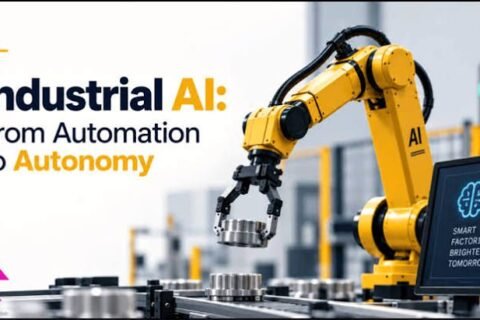
ABB’s investment in LandingAI demonstrates the growing importance of AI-powered vision systems within industrial automation and robotics markets.
The partnership combines ABB’s robotics expertise with LandingAI’s advanced visual AI technology to create more adaptive and intelligent automation solutions.
As manufacturers pursue greater flexibility and operational efficiency, AI-driven robotic vision will likely become a standard feature across modern factory automation systems.
Ultimately, the collaboration reinforces the broader industry movement toward autonomous robotics, digital manufacturing, and intelligent industrial ecosystems.