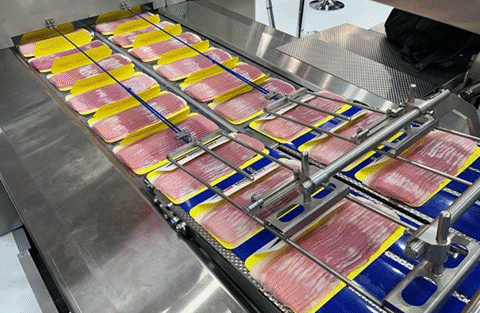
Industrial Automation Progress Meets Reality Gaps
Industrial automation has advanced rapidly in recent years. Modern sensors and intelligent control systems enable predictive maintenance and real-time optimization. As a result, factories improve uptime and overall efficiency. However, a clear gap still exists between expectations and actual implementation. Many companies struggle to integrate legacy PLC and DCS systems with modern digital platforms. Therefore, achieving seamless factory automation remains a complex and ongoing challenge.
Legacy Systems Still Dominate Industrial Environments
Most industrial facilities still rely heavily on on-premises infrastructure. In many cases, plants operate decades-old PLCs, RTUs, and control systems. These systems were not designed for today’s connected environments. However, companies now link them to enterprise IT networks to gain visibility. As a result, this shift creates both opportunities and risks. Legacy systems often limit performance and increase cybersecurity exposure. Therefore, engineers must modernize carefully while maintaining stable operations.
Protocol Integration Is Key to Industrial Connectivity
Industrial communication protocols play a central role in system integration. Protocols such as Modbus, MQTT, and OPC UA enable data exchange across devices. However, engineers often face challenges when integrating these protocols into unified platforms. For example, compatibility issues and inconsistent data formats increase complexity. Moreover, scalability becomes difficult as systems expand. From practical experience, early protocol audits reduce integration risks and improve long-term stability.
Tool Fragmentation Challenges Monitoring Efficiency
Many organizations use multiple monitoring tools to manage industrial environments. Each tool serves a specific function, such as diagnostics or network monitoring. However, this fragmented approach reduces efficiency. Engineers must switch between systems, which slows response time. In addition, teams struggle to achieve a “single pane of glass” view. Consequently, fragmented monitoring creates operational blind spots. In industrial automation, even small delays can impact production and safety.
Cybersecurity Risks Increase with System Complexity
As industrial control systems become more connected, cybersecurity risks increase significantly. Attackers target manufacturing environments because downtime creates financial pressure. As a result, ransomware attacks continue to rise. Moreover, fragmented monitoring systems create hidden vulnerabilities. A single entry point can compromise an entire production line. Therefore, companies must balance visibility, security, and usability when designing monitoring systems.
Monitoring Maturity Remains at an Early Stage
Many organizations still operate at basic monitoring levels. Most systems rely on alarms and notifications after issues occur. Although this approach provides visibility, it does not prevent failures. Meanwhile, only a portion of companies have implemented automation features. Therefore, the industry must move toward higher monitoring maturity. Advanced systems should combine analytics, automation, and real-time decision-making.
From Reactive Monitoring to Predictive Intelligence
Industrial automation is shifting toward predictive and proactive operations. Intelligent monitoring platforms analyze trends and detect anomalies early. As a result, engineers can prevent failures before they disrupt production. Furthermore, these systems can recommend corrective actions automatically. This approach transforms traditional maintenance into predictive maintenance. In practice, this transition delivers significant ROI and improves operational reliability.
Breaking Silos Between IT and OT Teams
Successful digital transformation requires strong IT and OT collaboration. Traditionally, these teams worked separately. However, modern industrial automation demands integration between networks and control systems. Therefore, companies now deploy distributed monitoring architectures. In addition, they establish performance baselines to detect anomalies quickly. As a result, organizations improve both efficiency and system resilience.
Building a Unified Industrial Monitoring Strategy
Organizations should prioritize unified monitoring platforms that support multiple protocols and devices. This approach reduces tool fragmentation and simplifies operations. At the same time, companies must maintain specialized capabilities across departments. Therefore, scalability and flexibility remain critical when selecting solutions. Leading vendors such as Siemens, Schneider Electric, and Rockwell Automation already offer integrated platforms that support these requirements.
Practical Insights: How to Close the Automation Gap
Companies should begin with a clear and structured roadmap. First, conduct a comprehensive audit of control systems and communication protocols. Next, identify gaps in monitoring and cybersecurity. Then, deploy scalable platforms that support both legacy and modern systems. In addition, invest in workforce training to improve monitoring maturity. As a result, organizations can accelerate their transition toward intelligent factory automation.
Application Scenario: Smart Factory Monitoring Upgrade
A manufacturing plant operating legacy PLC systems experienced frequent downtime. Therefore, the company deployed an OPC UA-based monitoring platform. As a result, the plant achieved full system visibility. In addition, predictive analytics reduced unplanned downtime by more than 30%. Moreover, integration improved communication between IT and OT teams. This case clearly shows how modern industrial automation enhances performance.
Conclusion: The Path Toward Intelligent Industrial Automation
Industrial organizations understand both the challenges and opportunities of Industry 4.0. However, they must take deliberate steps to close the gap between expectation and reality. By improving monitoring maturity and adopting unified platforms, companies can move toward proactive operations. Therefore, success depends on strategic planning, technical expertise, and continuous innovation.