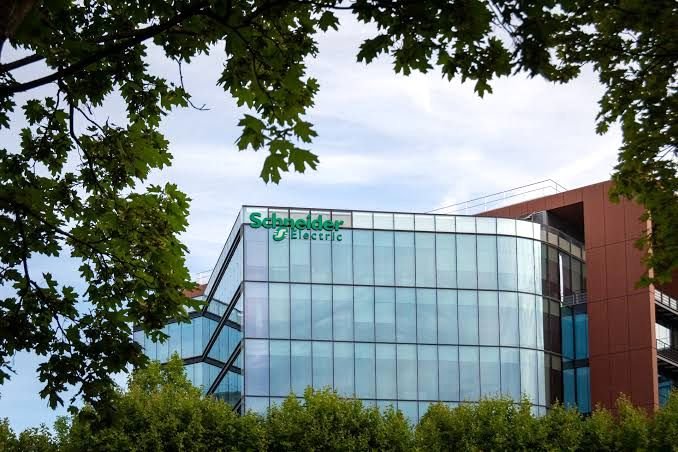
Schneider Electric Reports Strong Sustainability Progress in 2026
Schneider Electric has reported significant progress under its Impact 2030 sustainability roadmap during the first half of 2026. The global energy technology company achieved an Impact score of 3.69 out of 10, moving closer to its 2026 annual target of 4.20.
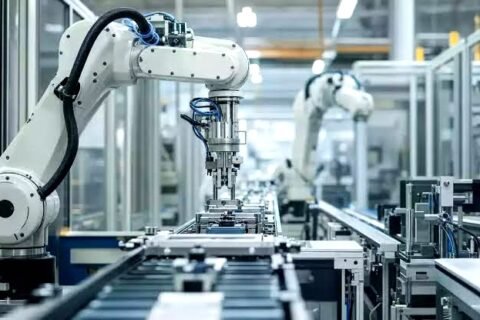
The roadmap connects sustainability goals with practical industrial solutions, including industrial automation, energy management, digital control systems, and factory automation technologies. According to industry observations, Schneider Electric continues to integrate sustainability into product development, manufacturing operations, and customer applications.
From a technical perspective, this approach reflects a broader transformation in the automation industry. Modern PLC, DCS, and industrial control systems are no longer focused only on production efficiency. They now support energy optimization, carbon monitoring, and intelligent decision-making.
Industrial Automation Supports Global Electrification Goals
Schneider Electric continues to reduce emissions across its own industrial operations while expanding energy efficiency solutions for customers. During the first half of 2026, the company reduced Scope 1 and Scope 2 carbon emissions by 82% compared with 2017 levels.
Moreover, Schneider Electric achieved a 12% reduction in Scope 3 emissions compared with 2021. Its energy management and automation solutions helped customers save or electrify 129.5 million MWh of energy.
These improvements generated more than 50 million tonnes of avoided and reduced emissions during the first half of 2026. Since 2018, Schneider Electric solutions have supported customers in avoiding approximately 913 million tonnes of emissions.
For industrial facilities, this progress highlights the growing role of automation platforms. PLC systems, industrial networks, and digital monitoring tools can collect operational data and improve energy performance.
In practical factory environments, engineers increasingly combine automation controllers with energy management software. Therefore, companies can optimize motors, drives, production lines, and electrical systems while maintaining operational reliability.
Energy Intelligence Becomes a Key Feature of Control Systems
Schneider Electric also expanded the use of software-based energy and carbon analytics. During H1 2026, 29% of applicable Schneider Electric software solutions provided energy and carbon insights.
This development shows how industrial automation is moving toward data-driven operations. Traditional control systems mainly managed machines and processes. However, modern DCS and PLC-based architectures increasingly connect production data with sustainability indicators.
For example, manufacturers can analyze equipment energy consumption, identify inefficient processes, and adjust operating strategies. As a result, automation systems become important tools for both productivity improvement and environmental management.
From an industrial engineering viewpoint, energy visibility will become a standard requirement for future factories. Companies that combine automation data with sustainability analytics will gain better control over operational costs.
Circular Design Improves Industrial Automation Product Development
Schneider Electric introduced the Future-designed program under Impact 2030 to strengthen circular product development. During the first half of 2026, 27% of major product offers in the design phase achieved circular and environmental excellence criteria.
The program builds on Schneider Electric’s previous sustainability practices, including EcoDesign Way, Green Premium, and environmental data management programs.
For industrial automation users, circular design affects the complete equipment lifecycle. Engineers now consider material selection, maintenance requirements, energy efficiency, and product reuse during system design.
This trend is particularly important for automation hardware such as PLC modules, industrial communication devices, power supplies, and motor control equipment. Better lifecycle design can reduce maintenance costs and improve long-term system sustainability.
Supplier Decarbonization Strengthens Industrial Supply Chains
Schneider Electric expanded its supplier sustainability initiative through the Zero Carbon Pathway program. The updated program now covers 1,500 suppliers and includes Scope 3 emission measurement and product carbon footprint analysis.
During Q2 2026, 15 suppliers qualified by completing emission measurement and reduction activities. These suppliers evaluated operational emissions, established reduction targets, and calculated indirect emissions.
Furthermore, Schneider Electric conducted more than 200 technical sessions with suppliers. The company also accelerated AI-enabled digital tools, including Resource Advisor+ for Supply Chain, across more than 1,000 suppliers.
For global manufacturers, supply chain transparency has become a major industrial automation challenge. Control system suppliers, component manufacturers, and equipment integrators must increasingly provide environmental data alongside technical specifications.
Workforce Development Supports Future Automation Skills
Industrial automation requires skilled engineers who understand PLC programming, DCS configuration, cybersecurity, and digital manufacturing technologies. Schneider Electric reported that 16% of experienced employees participated in structured development and knowledge transfer programs during H1 2026.
The company’s approach focuses on mentoring, internal mobility, reskilling, and expert knowledge sharing. The World Economic Forum recognized this strategy as a Future of Inclusion Lighthouse initiative.
In my experience working with automation projects, knowledge transfer remains one of the biggest challenges in modern factories. Many facilities operate legacy control systems that require experienced engineers.
Therefore, manufacturers should invest in continuous technical training. Building automation expertise helps companies maintain production systems while adopting new digital technologies.
Expanding Energy Access Through Sustainable Technology
Schneider Electric continues to support global energy access programs through electrification and sustainability initiatives. Since 2009, the company reports that 67 million people have benefited from access to sustainable electricity.
During Q2 2026 alone, more than 2.2 million people gained improved energy access through related programs. Africa and India contributed significantly to this expansion.
In addition, Schneider Electric has helped train 1.37 million young people in electrification and sustainability skills since 2009.
These programs demonstrate that industrial technology development is not limited to factories. Electrical infrastructure, automation education, and technical training also influence economic development.
Local Communities Become Part of Industrial Sustainability Strategy
The fourth pillar of Impact 2030 focuses on empowering local communities and strengthening regional ecosystems.
Schneider Electric aims to transform industrial sites into community-focused centers that support local development. This strategy combines employee participation, community engagement, and sustainable operations.
For industrial companies, this represents a wider shift in corporate responsibility. Modern manufacturing sites must consider environmental impact, workforce development, and community relationships.
Industrial Automation Industry Perspective: Sustainability Becomes a Control System Requirement
The development of Schneider Electric’s Impact 2030 roadmap reflects a major direction in industrial automation. Sustainability is becoming integrated with PLC, DCS, SCADA, and factory automation architectures.
Manufacturers are no longer evaluating automation systems only by speed, availability, and production output. They also consider energy consumption, carbon reporting, and lifecycle efficiency.
Future industrial control platforms will likely combine real-time automation data with artificial intelligence, digital twins, and sustainability analytics. Companies that prepare early can improve both operational performance and environmental compliance.
For automation engineers and system integrators, the next generation of projects will require broader skills. Understanding process control, industrial communication, energy management, and sustainability reporting will become increasingly important.
Application Scenario: Smart Factory Energy Optimization Solution
A typical application scenario involves a manufacturing plant upgrading its existing automation infrastructure.
The facility can integrate PLC-based machine control, DCS process monitoring, variable frequency drives, smart power meters, and energy management software.
The system collects production and energy data through industrial networks. Engineers can then identify energy losses, optimize equipment operation, and reduce unnecessary consumption.
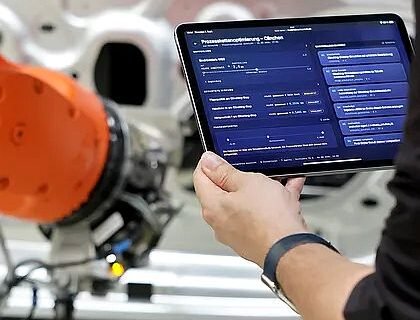
For example, a production line can automatically adjust motor operation according to workload demand. Meanwhile, operators can monitor energy performance through industrial dashboards.
This type of solution demonstrates how industrial automation contributes to both productivity improvement and sustainability objectives.