

Overview
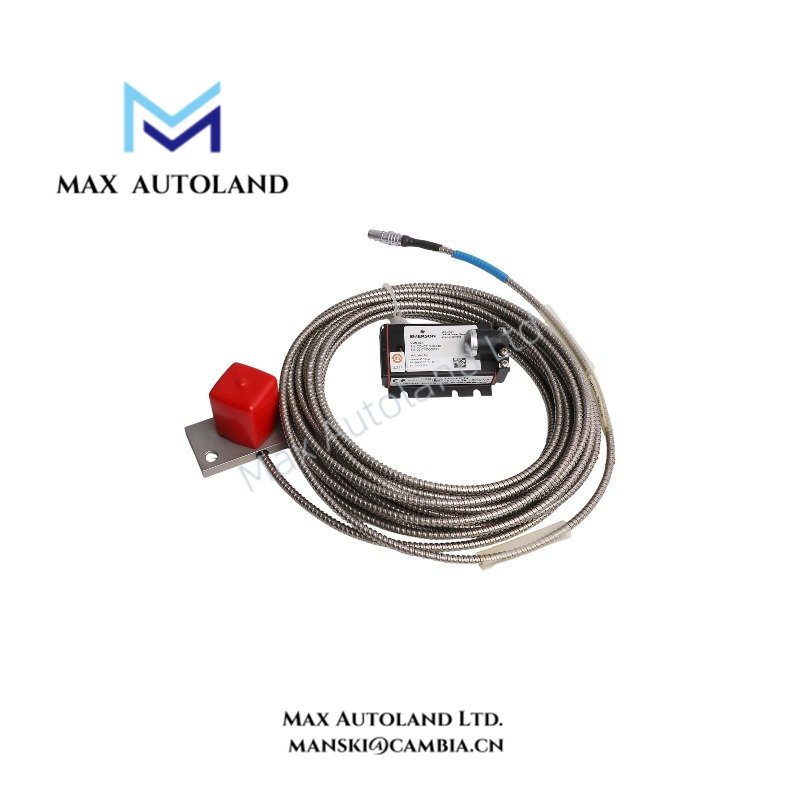
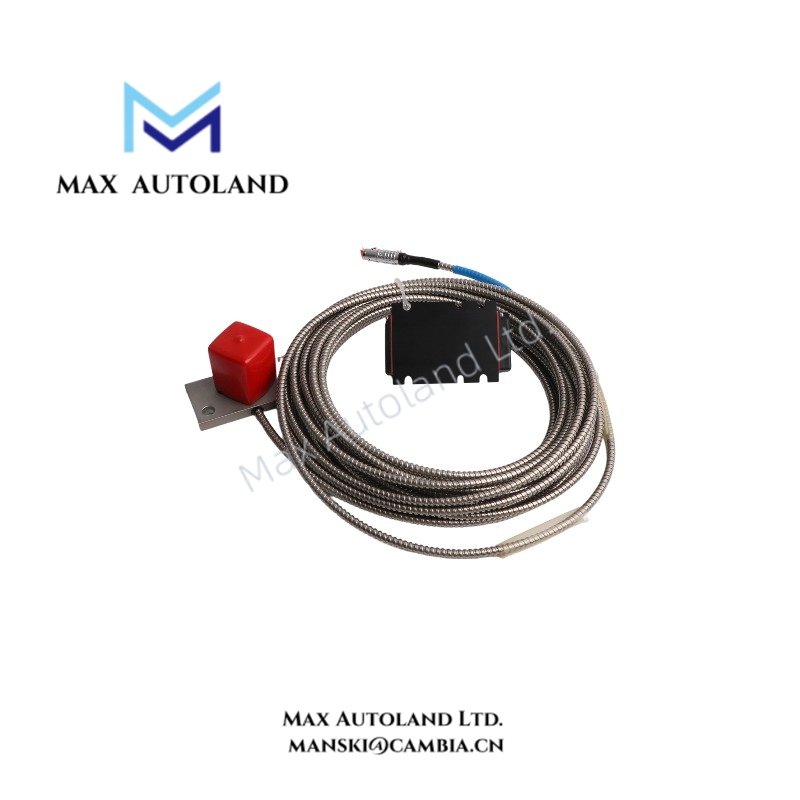
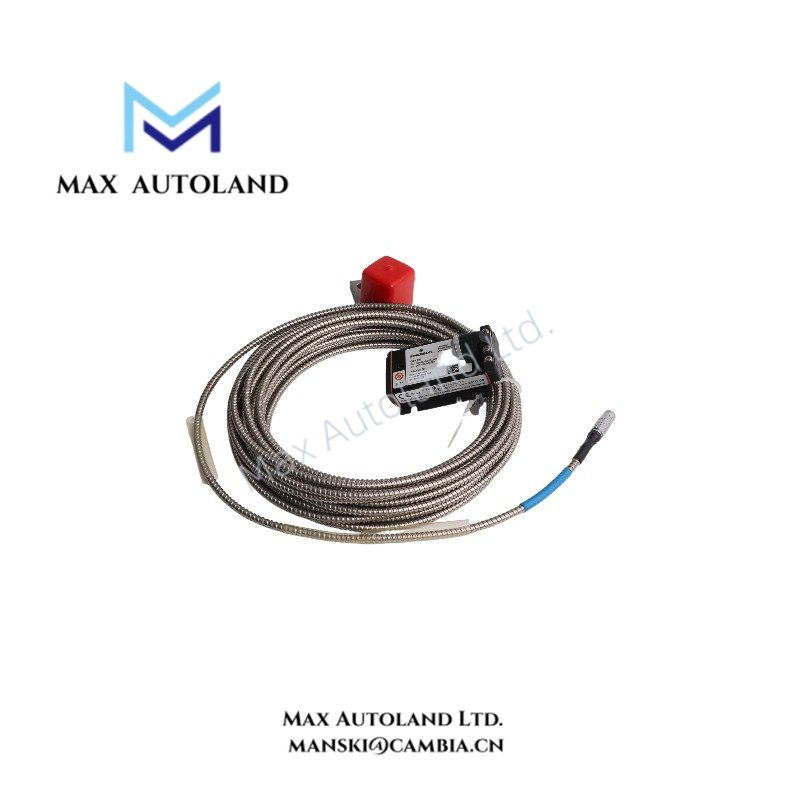
The Emerson EPRO CON011/916-120, also cataloged as the CON011 Eddy Current Signal Converter, operates as a dedicated hardware component for eddy current displacement signal conditioning within EPRO machinery monitoring systems. It provides excitation, demodulation, and proportional signal conversion between PR642 series proximity probes and monitoring interfaces.
Hardware Specifications
| Parameter | Specification |
|---|---|
| Model | CON011/916-120 |
| Brand | Emerson EPRO |
| Origin | Germany |
| Product Type | Eddy Current Signal Converters |
| Input Signal | High-frequency signal from compatible eddy current proximity probes |
| Output Signal | Proportional displacement voltage output according to system configuration |
| Sensitivity | 2 V/mm typical |
| Measurement Principle | Eddy current gap measurement and signal demodulation |
| Probe Compatibility | EPRO PR642 series proximity probes |
| System Compatibility | EPRO MMS machinery monitoring systems and industrial monitoring interfaces |
| Mounting Type | DIN-rail or panel installation depending on enclosure version |
Eddy Current Measurement Loop and DCS Interface Characteristics
The CON011/916-120 processes the RF signal generated by an eddy current probe oscillator circuit and converts probe target distance variations into an electrical measurement signal. The converter maintains the relationship between probe gap variation and output voltage scaling required for machinery protection channels.
For Emerson EPRO monitoring architectures, the signal chain is based on accurate probe calibration, oscillator stability, and demodulation performance. The measurement loop can interface with DCS or PLC systems through standardized analog input channels. System configurations may include channel-to-channel isolation and 4-20 mA signal conditioning at the monitoring interface level when required by the installation design.
The converter is typically configured with PR642 series probes for shaft displacement and vibration measurement. Proper probe scaling, cable matching, and gap voltage verification are required to maintain measurement accuracy during commissioning.
Frequently Asked Questions
Q: What is the function of the CON011/916-120 in an eddy current measurement chain?
A: The CON011/916-120 supplies probe excitation, processes the returned high-frequency signal, and converts eddy current gap changes into a proportional electrical output.
Q: Can the CON011/916-120 operate without an eddy current probe?
A: No. The converter requires a compatible EPRO eddy current probe, such as a PR642 series sensor, to form a complete measurement loop.
Q: What installation factors affect measurement accuracy?
A: Probe type matching, extension cable compatibility, shielding connection, grounding method, and mechanical probe positioning affect signal quality and calibration stability.
Field Installation Guidelines
Install the CON011/916-120 in a protected control cabinet environment according to the specified mounting arrangement. Keep probe signal cables separated from high-current power conductors to reduce electromagnetic interference.
Connect cable shields according to the system grounding design and avoid multiple grounding points that may introduce unwanted current paths. Verify probe connection polarity, cable continuity, and signal output scaling before connecting the converter output to PLC, DCS, or machinery protection inputs.
During commissioning, check the mechanical probe gap condition and confirm that the converter output corresponds with the expected displacement direction. Use calibrated test procedures for final channel verification.


Reviews
There are no reviews yet.