
Integrated Motion Control Platforms Drive the Next Generation of Industrial Automation
AK StepSERVO Drive Brings Motion Intelligence to Factory Automation
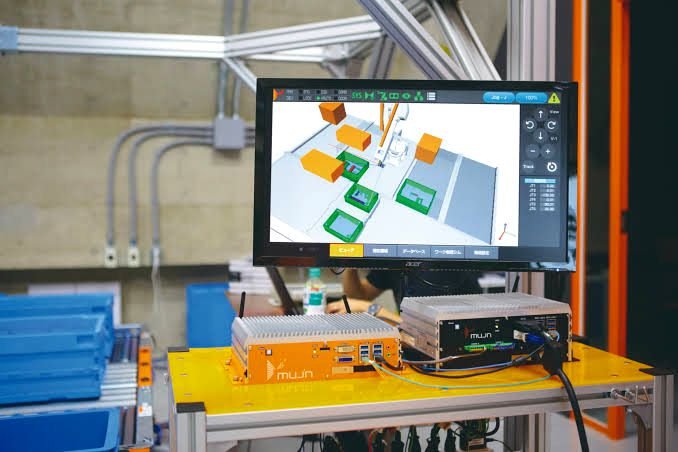
Modern factory automation systems require faster response, higher positioning accuracy, and stronger communication capabilities. The AMP AK StepSERVO Drive series addresses these demands by combining stepper motor technology with integrated servo control functions.The AK series supports NEMA 11 to NEMA 34 frame motors and operates with a 24-48 VDC power supply. Moreover, the drive supports multiple industrial communication protocols, including EtherCAT, EtherNet/IP, CANopen, and Modbus. Therefore, engineers can integrate the system into different PLC and control system architectures.From an industrial automation perspective, integrated motion drives reduce system complexity. Traditional stepper systems often require separate feedback devices and external motion controllers. However, the AK StepSERVO design combines these functions inside one platform, improving machine design flexibility.Absolute Encoder Technology Improves Motion Control Performance
A key feature of the AK series is its batteryless 17-bit multi-turn absolute encoder. This encoder technology allows the drive to retain position information without requiring a backup battery.As a result, machine builders can reduce homing procedures and simplify commissioning processes. This approach benefits applications where fast startup, repeatable positioning, and minimal maintenance are important.In practical factory automation projects, absolute feedback systems help improve machine availability. For example, packaging machines, robotic positioning systems, and precision assembly equipment often require accurate motion control after power cycles. The integrated encoder design supports these requirements without adding external position sensors.Motion Programming Software Simplifies Control System Configuration
The AK StepSERVO Drive works with AMP Q-Programming software for motion control applications. Engineers can configure motion sequences, machine functions, and operating parameters through the Stepper Suite II software environment.The software supports USB-C configuration and allows both online adjustment and offline parameter preparation. In addition, an integrated oscilloscope function helps engineers monitor motion signals during commissioning.The built-in diagnostic tools provide fault information and recommended corrective actions. Therefore, maintenance teams can identify problems faster and reduce machine downtime.From an engineering experience perspective, software-based diagnostics have become increasingly important. Modern PLC, DCS, and motion control systems require tools that shorten troubleshooting cycles and improve operational efficiency.EtherCAT and EtherNet/IP Enhance Industrial Communication
Industrial communication plays a major role in modern control systems. The AK StepSERVO Drive provides EtherCAT and EtherNet/IP communication versions to meet different automation requirements.The EtherCAT model supports CoE (CAN over EtherCAT) and FoE (File over EtherCAT) communication methods. Furthermore, distributed clock technology enables synchronized operation across multiple motion axes.This capability is especially suitable for high-performance control applications, including robotic cells, electronic camming systems, and synchronized production equipment.The EtherNet/IP version provides more than 14 add-on instructions for PLC integration. In addition, both communication versions include six configurable inputs and three configurable outputs for flexible machine control.MCA6 Motion PLC Supports Advanced Machine Control
Along with the AK StepSERVO Drive, AMP introduced the MCA6 Motion PLC platform. This compact motion controller uses an ARM-based processor and supports PLCopen and IEC 61131-3 programming standards.The MCA6 can control up to 64 EtherCAT motion axes and connect with 128 additional EtherCAT devices. Therefore, it provides a scalable solution for complex machine automation projects.For manufacturers upgrading existing control systems, motion PLC technology offers advantages compared with traditional PLC-only architectures. It combines logic control, motion coordination, and communication management within one control platform.The growing integration between PLC systems and motion platforms represents an important trend in industrial automation. Manufacturers increasingly require unified control solutions instead of separate automation layers.MET2 Distributed I/O Expands Control System Flexibility
The MET2 I/O system provides an EtherCAT-based distributed I/O solution for modern factory automation environments.The platform supports up to 32 digital, analogue, and temperature measurement modules. Moreover, distributed I/O architecture allows engineers to install field devices closer to machines, reducing wiring requirements.Compared with traditional centralized I/O structures, distributed control systems can improve installation efficiency. They also support modular machine designs where production lines require frequent expansion or modification.In PLC and control systems, flexible I/O architecture has become a key factor for reducing engineering costs and improving system scalability.Integrated Automation Architecture Combines Motion, PLC, and I/O Control
The AK Series, MCA6 Motion PLC, and MET2 I/O system form a complete industrial automation ecosystem.The MCA6 controller manages machine logic and motion coordination. Meanwhile, the MET2 platform handles distributed field signals, and the AK drives provide precise multi-axis motion control.Together, these components support advanced functions such as interpolation, electronic camming, synchronization, and robotic movement.This integrated approach reflects the direction of modern control systems. Instead of using isolated devices from different suppliers, manufacturers increasingly prefer unified platforms that simplify engineering, programming, and maintenance.Industrial Applications of Integrated Motion Control Solutions
Integrated motion control technology supports many industries that require precise automation performance.Typical applications include:- Packaging and filling machines requiring synchronized movement
- Labelling equipment requiring accurate positioning
- Robotic systems requiring coordinated multi-axis operation
- Laser processing equipment requiring high motion stability
- Medical equipment requiring repeatable mechanical movement
- Scientific research systems requiring precision control
Industry Perspective: Motion Control Becomes a Core Element of Smart Manufacturing
The development of integrated motion platforms reflects the evolution of industrial automation toward smarter and more connected production environments.According to current automation trends, manufacturers are focusing on improving productivity, reducing engineering time, and increasing system transparency. Therefore, technologies that combine PLC, motion control, and industrial networking will continue to gain importance.From a technical perspective, integrated motion solutions do not replace traditional PLC or DCS systems. Instead, they complement existing control architectures by providing specialized motion capabilities for machine-level automation.For companies designing new production equipment, selecting a scalable control platform is critical. A well-designed automation architecture can support future expansion, improve maintenance efficiency, and reduce total ownership costs.About AMP Motion Control Solutions
AMP provides motion control products and engineering solutions for industrial automation applications. The company focuses on stepper motor technology, servo systems, motion controllers, and integrated machine automation solutions.Its products are applied in industries such as manufacturing, robotics, packaging, medical technology, and scientific equipment. Through motion hardware and software integration, AMP supports machine builders developing precise and connected automation systems.About the Author
Liang Zhihao is an industrial automation technology specialist with experience in PLC, motion control, DCS, and factory automation systems. He has participated in technical documentation projects and automation solution analysis for global manufacturing applications. His professional interests include industrial networking, intelligent control systems, and next-generation automation architectures.
Read More
Categories:
Uncategorized
AI and Industrial Automation: How Artificial Intelligence Is Transforming Factory Control Systems
AI LIVE London Summit Highlights the Future of Industrial Automation
Artificial intelligence is rapidly changing the industrial automation landscape. AI LIVE: The London Summit 2026 will bring together more than 2,000 technology leaders, automation experts, and business executives.The event will focus on the theme “Technology + Human Purpose”. Moreover, it will examine how companies can combine artificial intelligence with industrial systems to improve productivity and operational decision-making.For manufacturers, AI integration is no longer only a digital transformation goal. It has become a practical approach to improving factory automation, control systems, and supply chain performance.
AI Integration Drives the Next Generation of Industrial Automation
Industrial automation has traditionally depended on PLC, DCS, SCADA, and distributed control systems to manage production processes. However, modern factories require faster decisions and greater operational flexibility.AI introduces new capabilities through machine learning, predictive analytics, computer vision, and intelligent optimisation. Therefore, automation platforms can analyse large volumes of process data and support better production strategies.From my experience working with industrial control environments, successful AI implementation does not replace existing PLC or DCS architectures. Instead, it adds an intelligence layer that helps engineers improve system performance.Schneider Electric and Arvato Discuss AI Applications in Industry
AI LIVE: The London Summit will feature experts from leading industrial companies, including Schneider Electric and Arvato. The panel will explore practical AI applications across manufacturing, logistics, and supply chain operations.Julia Peyre, Head of AI Strategy & Innovation at Schneider Electric, will share insights into industrial AI adoption. Her work focuses on developing AI strategies and scaling innovative solutions across global operations.Schneider Electric has extensive experience in energy management, automation software, and industrial control systems. Its digital platforms demonstrate how AI can support smarter factories and more efficient industrial operations.Predictive Maintenance Improves Industrial Control System Performance
Predictive maintenance represents one of the most valuable AI applications in industrial automation. Traditional maintenance schedules often rely on fixed intervals or manual inspections.However, AI-based monitoring systems can analyse vibration data, temperature signals, electrical measurements, and equipment performance trends. As a result, maintenance teams can identify potential failures before they affect production.For example, industries using DCS and PLC-based systems can combine historical operating data with AI models. This approach helps reduce downtime and improves asset availability.Intelligent Robotics and Computer Vision Transform Factory Automation
AI-powered robotics is creating new possibilities for factory automation. Modern robots can now adapt to changing production conditions through intelligent algorithms and advanced sensors.Computer vision technology also improves quality inspection processes. Instead of relying only on manual checks, manufacturers can use AI systems to detect defects, measure components, and monitor assembly operations.Moreover, AI vision systems can work alongside industrial robots to increase accuracy and production consistency. This combination supports flexible manufacturing environments.AI Enables Smarter Supply Chain and Logistics Operations
The logistics sector is another major area where AI creates measurable improvements. Adie Taylor, Head of Solution Design & Logistics Engineering at Arvato, will discuss how AI supports connected and adaptable logistics automation.Modern supply chains face constant changes in demand, inventory levels, and transportation requirements. Therefore, companies need intelligent systems that can respond quickly to operational variations.AI helps logistics providers optimise warehouse operations, improve forecasting accuracy, and coordinate automated equipment. These technologies allow employees to focus on complex decisions instead of repetitive tasks.Challenges of Integrating AI with Existing Automation Systems
Although AI provides significant opportunities, industrial companies must carefully manage integration challenges. Many factories still operate legacy PLC, DCS, and SCADA systems with long service lifecycles.Successful AI adoption requires strong data infrastructure, cybersecurity protection, and compatibility with existing control architectures. In addition, engineers must maintain stable process control while introducing new digital technologies.Based on practical industrial projects, companies should begin with specific applications such as predictive maintenance or energy optimisation. This approach reduces risk and creates measurable business value.Industry Experience Shows AI Works Best with Human Expertise
AI does not eliminate the need for automation engineers. Instead, it supports engineers by providing additional analysis and operational insights.Experienced technicians remain essential for interpreting process conditions, managing control strategies, and ensuring system safety. Therefore, the future industrial environment will combine human expertise with AI-driven decision support.Manufacturers should view AI as an extension of existing automation knowledge. The strongest results usually come from combining experienced engineers, reliable control systems, and intelligent software platforms.AI LIVE London Summit Explores the Future of Smart Manufacturing
AI LIVE: The London Summit 2026 will provide a platform for business leaders to discuss practical AI deployment strategies. The conference will cover industrial automation, digital transformation, and enterprise AI adoption.Held at Olympia London on 20-21 October, the event will connect automation specialists, technology providers, and industry executives.For companies planning future factory automation projects, the summit offers valuable perspectives on integrating AI with existing industrial infrastructure.Industrial Automation Application Scenarios
AI and industrial automation technologies are already creating value across multiple industries:- Manufacturing plants: AI-based predictive maintenance improves equipment uptime and production efficiency.
- Process industries: AI enhances DCS operations through advanced process optimisation.
- Energy facilities: Intelligent monitoring improves asset management and operational safety.
- Warehousing operations: AI robotics increases storage efficiency and order accuracy.
- Industrial equipment manufacturers: AI analytics improve product design and lifecycle management.
Read More
Categories:
Uncategorized
Industrial Automation Enters a New Phase as AI Robotics Meets Factory Labor Shortages
Global Industrial Robot Demand Reaches a New Scale
Industrial automation is entering a new commercial phase as factories increase spending on robotic production systems. According to the International Federation of Robotics (IFR), companies installed 542,000 industrial robots worldwide during 2024. That figure more than doubled the installation level recorded a decade earlier. (IFR International Federation of Robotics)The IFR also reported a global industrial robot installation value of $16.7 billion. Asia represented 74% of new installations, while Europe accounted for 16%. The Americas represented another 9% of global deployments. (IFR International Federation of Robotics)These figures show that factory automation has moved beyond isolated technology demonstrations. Manufacturers now evaluate robots through productivity, availability, maintenance cost, and integration performance.For industrial operators, the question has changed. They no longer ask whether robots can perform a task. Instead, they ask whether robotic systems can perform that task consistently within an existing control architecture.That distinction matters for PLC, DCS, SCADA, motion control, and safety systems. A robot becomes commercially useful only when it integrates effectively with the wider industrial control environment.
AI Robotics and Industrial Automation: Trends, Integration & Growth
AI Robotics Moves From Demonstrations to Production
Artificial intelligence is changing how engineers design and operate robotic systems. Traditional industrial robots typically follow predefined programs and deterministic motion sequences. AI-enabled systems can add vision, adaptive planning, and data-driven decision functions.The IFR identifies AI and autonomy as major robotics trends for 2026. It also highlights the growing convergence between information technology and operational technology. (IFR International Federation of Robotics)This convergence has direct implications for factory automation. Robot controllers increasingly exchange information with PLCs, industrial Ethernet networks, MES platforms, edge computers, and cloud services.However, AI does not remove the need for deterministic control. A PLC or safety controller still handles defined interlocks, emergency functions, sequencing, and machine-state logic.In my experience with industrial control systems, successful automation projects separate these responsibilities clearly. AI can optimize decisions, while conventional control systems maintain predictable machine behavior.Factory Automation Must Integrate With Existing Control Systems
A production robot rarely operates as an independent machine. Engineers normally connect it to conveyors, sensors, safety devices, PLCs, drives, vision systems, and production databases.Therefore, integration quality often determines project success more than robot specifications.A typical factory cell may use a PLC for sequence control and a robot controller for motion execution. Industrial Ethernet can connect both systems, while safety I/O handles protective functions.DCS platforms may supervise larger process operations. PLC-based control often handles discrete manufacturing equipment and machine-level sequences.The same principle applies to AI robotics. New systems must fit into the plant's existing automation hierarchy instead of creating another isolated control layer.Labor Shortages Continue to Accelerate Automation
Labor availability has become a major factor behind industrial automation investment. Manufacturers face difficulties filling repetitive, physically demanding, or low-availability positions.The IFR identifies labor shortages as one of the major global robotics trends for 2026. It notes that companies increasingly view robots as tools for addressing workforce gaps. (IFR International Federation of Robotics)This trend affects more than production lines. Warehousing, food processing, hospitality, packaging, and logistics operations also face staffing constraints.Automation therefore offers two complementary benefits. It can reduce repetitive manual work while allowing employees to focus on inspection, maintenance, supervision, and process improvement.However, companies should not treat robotics as a simple labor replacement project. The strongest results usually come from redesigning workflows around people and machines together.Safety Validation Becomes More Important With AI
AI introduces additional engineering questions because autonomous systems can make decisions that conventional programmed robots cannot.The IFR therefore highlights safety, cybersecurity, testing, and human oversight as major concerns for AI-enabled robotics. (IFR International Federation of Robotics)Factory engineers must consider safety-rated control functions, protective guarding, emergency stops, access monitoring, and safe robot operating zones.Cybersecurity also becomes more important when robots connect to industrial networks or cloud platforms. The attack surface can expand when operational technology exchanges data with external systems.For this reason, AI should operate within a controlled automation architecture. Safety functions should remain clearly defined and independently validated where required.PLC and DCS Engineers Remain Central to Robot Integration
The growth of AI robotics does not eliminate traditional industrial automation technologies. Instead, it increases the need for skilled control engineers.PLCs remain important for machine sequencing, discrete I/O, interlocking, diagnostics, and equipment coordination. DCS platforms continue to manage process control, plant supervision, and large-scale operational data.Robot controllers handle coordinated motion, trajectory generation, tool control, and application-specific programming. Vision systems provide inspection and positioning information.The engineering challenge involves connecting these technologies without creating unnecessary complexity.A well-designed system establishes clear ownership for each control function. That architecture improves troubleshooting and reduces unexpected interactions between automation layers.Robotics-as-a-Service Changes the Automation Investment Model
Upfront capital cost remains a significant barrier for many automation projects. Robotics-as-a-Service, or RaaS, offers another commercial model.Under RaaS, customers can pay recurring fees instead of purchasing the complete robotic system immediately. This model can reduce the initial capital requirement for selected applications.The IFR reported strong growth in service robotics and identified subscription and rental models as an increasingly important part of the market. Professional service robot sales reached nearly 200,000 units in 2024. (IFR International Federation of Robotics)The proposed TechForce-NBR framework also includes an RaaS structure. Participating operators could potentially purchase systems after a 24-month term, subject to final commercial conditions. (雅虎财经)For manufacturers, this model can simplify technology evaluation. However, buyers should still examine lifecycle cost, service response, software fees, spare parts, and system availability.Industrial Automation Buyers Should Measure More Than Robot Count
Robot quantity alone does not demonstrate automation success. A factory can install hundreds of robots and still achieve poor operational results.Manufacturers should instead monitor several engineering indicators.These include cycle time, overall equipment effectiveness, mean time between failures, mean time to repair, energy consumption, scrap rate, and unplanned downtime.Safety performance also requires continuous monitoring. Therefore, acceptance testing should include both production performance and safety requirements.Integration quality deserves similar attention. Engineers should verify PLC communication, robot handshakes, sensor diagnostics, network availability, and recovery procedures.Conclusion: Factory Automation Is Moving Toward Proof and Scale
Global robot installations demonstrate that industrial automation continues to expand. The 542,000 industrial robots installed in 2024 confirm the scale of current factory investment. (IFR International Federation of Robotics)At the same time, AI is changing how robots interact with production environments. Companies increasingly expect robots to combine physical automation with data analysis, machine vision, and adaptive decision-making.However, successful deployment still depends on fundamental automation engineering. PLCs, DCS platforms, safety controllers, industrial networks, drives, sensors, and robot controllers must work together.For manufacturers, the practical lesson is straightforward. Choose automation projects based on measurable production outcomes rather than robot specifications alone.The future of factory automation will not be defined only by how intelligent a robot becomes. It will also depend on how effectively that robot performs inside a complete industrial control system.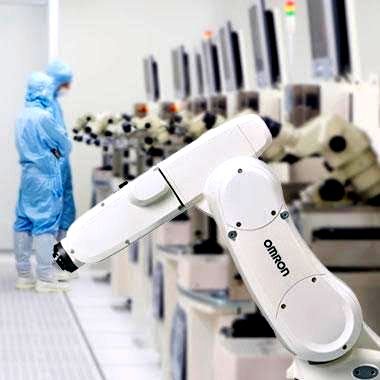
OMRON Enhances Semiconductor Manufacturing Automation with 3D Inspection and Digital Twin Solutions
OMRON Semiconductor Automation Solutions: 3D Inspection
OMRON Showcases Next-Generation Industrial Automation Solutions at SEMICON Taiwan 2026
OMRON will present its latest semiconductor manufacturing automation technologies at SEMICON Taiwan 2026, held from September 2 to 4, 2026, at Taipei Nangang Exhibition Center. The company will demonstrate advanced inspection systems, Digital Twin applications, and quality data solutions at booth Q5842 in TaiNEX 2.As semiconductor production becomes more complex, manufacturers require more than traditional defect detection. They now need industrial automation systems that identify process causes, improve production stability, and optimize manufacturing performance. Therefore, OMRON focuses on combining inspection technology, control systems, and data analysis to support smart factory development.Advanced Packaging Drives New Requirements for Factory Automation
The semiconductor industry continues to expand advanced packaging technologies, including chiplets, microbumps, and Through Glass Vias (TGVs). These technologies improve computing performance but also create new inspection challenges.Traditional inspection methods cannot always detect internal defects accurately. As a result, manufacturers increasingly adopt 3D inspection systems and automated quality analysis platforms. OMRON addresses these challenges through integrated factory automation solutions that connect inspection equipment with production processes.From an industrial automation perspective, this approach follows the development trend of modern PLC, DCS, and control systems. Manufacturing companies now require real-time data visibility across equipment, processes, and production lines.3D CT X-ray Inspection Improves Semiconductor Quality Control
OMRON will demonstrate its CT-based 3D X-ray automated inspection solution for advanced semiconductor packaging applications. The system uses automated X-ray inspection (AXI) combined with computed tomography technology to analyze internal structures.The solution can evaluate critical components such as TGV structures, microbumps, bonding areas, and void conditions. Moreover, it provides quantitative inspection results instead of simple pass or fail decisions.During research and development stages, engineers can use detailed 3D images to analyze packaging performance. During mass production, manufacturers can apply consistent inspection standards across multiple production lines.Based on industrial automation experience, accurate inspection data helps reduce repeated troubleshooting and supports faster process optimization. Therefore, inspection technology becomes an important part of modern manufacturing control systems.Digital Twin Technology Connects Quality Data with Process Optimization
OMRON is also developing Digital Twin solutions through collaboration with NVIDIA Omniverse. The system combines visual inspection data, X-ray analysis results, and manufacturing information to create virtual production models.Digital Twin technology allows engineers to simulate product conditions before making physical process changes. For example, manufacturers can analyze substrate warpage, bonding quality, and process variation through digital models.Moreover, artificial intelligence can analyze Quality Data and identify possible process risks. This creates a closed-loop improvement method that connects inspection results with manufacturing adjustments.In modern smart factories, Digital Twin technology works together with PLC systems, industrial networks, and automation software platforms. This combination helps companies improve production efficiency while maintaining strict quality requirements.Semiconductor Automation Requires Integrated Control Systems
Beyond inspection equipment, OMRON will display wafer handling technologies, component solutions, safety products, and sensor technologies developed for semiconductor manufacturing.Semiconductor factories require highly coordinated automation environments. Equipment controllers, motion systems, sensors, and industrial communication networks must operate together with high precision.Although semiconductor production mainly depends on specialized equipment, industrial automation foundations remain important. PLC controllers, distributed control systems (DCS), and industrial communication technologies provide the infrastructure for stable manufacturing operations.In addition, advanced sensors and automation components help manufacturers improve equipment availability and reduce production interruptions.Industry Perspective: Quality Data Becomes a Key Asset in Smart Manufacturing
The semiconductor market is moving from equipment-focused automation toward data-driven manufacturing. Inspection information is no longer only used for quality judgment. Instead, companies increasingly use Quality Data to improve processes and predict potential failures.From my experience in industrial automation applications, successful smart manufacturing requires three key elements: accurate sensing, reliable control systems, and effective data utilization.OMRON’s approach reflects this industry transition. By combining inspection technology, Digital Twin models, and automation platforms, manufacturers can create more transparent and efficient production environments.However, companies should evaluate system integration carefully. Data quality, communication standards, and equipment compatibility directly influence the success of smart factory projects.Technical Presentation Highlights Advanced Packaging Inspection
During SEMICON Taiwan 2026, OMRON will deliver a keynote presentation at the Strategic Materials Conference. The presentation will focus on automated inspection technology for advanced packaging using TGV structures.The session will introduce methods for achieving consistent inspection decisions from product development through mass production. This topic reflects a major industry challenge because advanced packaging requires higher accuracy and stronger quality management.Application Scenario: Smart Semiconductor Factory Quality Management
A typical semiconductor factory can integrate OMRON inspection systems with automation control platforms to create a complete quality management workflow.During product development, engineers can use 3D CT inspection data to evaluate packaging designs. During pilot production, manufacturers can analyze process variations through Quality Data. Finally, during mass production, automated inspection systems can maintain consistent quality standards.This integrated approach supports applications such as:- Advanced semiconductor packaging production lines
- Wafer and component inspection systems
- Automated material handling systems
- Smart factory quality management platforms
- Data-driven manufacturing optimization projects
Conclusion: OMRON Supports the Future of Semiconductor Manufacturing Automation
SEMICON Taiwan 2026 highlights the growing importance of industrial automation in semiconductor production. OMRON’s 3D X-ray inspection, Digital Twin, and Quality Data technologies demonstrate how automation systems are evolving beyond basic control functions.As semiconductor manufacturing becomes more complex, companies need integrated solutions that combine inspection, automation, and data intelligence. Therefore, technologies connecting PLC, DCS, control systems, and industrial data platforms will continue to play a key role in future smart factories.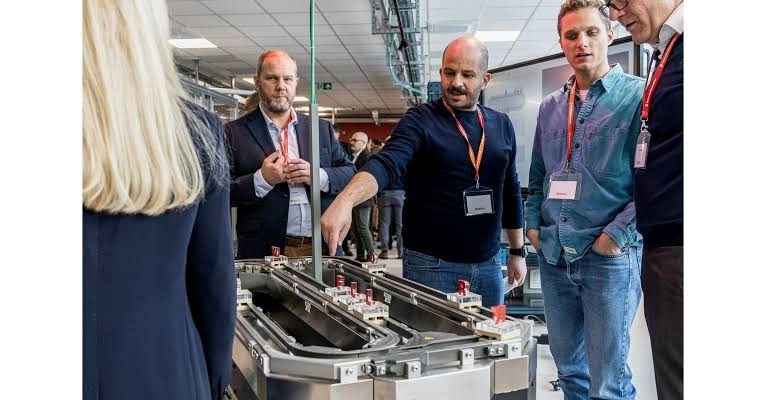
Rockwell Automation and Beypiliç Advance Industrial Safety at New Poultry Processing Facility
Industrial Automation Safety for Modern Food Processing
Rockwell Automation has partnered with Beypiliç to strengthen industrial safety at a new poultry processing facility in Türkiye. The project combines factory automation, safety controls, and access monitoring across the production site.Beypiliç ranks among Türkiye's major poultry processing companies. Its new facility required a standardized safety strategy from the earliest engineering stages.The project focuses on personnel protection, machine safety, and electrical panel access. Moreover, the approach supports maintenance activities while addressing changing regulatory expectations.Safety Engineering Integrated Into Facility Design
Beypiliç incorporated safety requirements during the facility design phase. Therefore, engineers could establish consistent protection methods before production equipment entered operation.The strategy covers electrical control panels throughout the processing facility. It helps restrict unauthorized access to areas containing energized or moving equipment.This design philosophy reflects an important industrial automation trend. Safety functions increasingly form part of the control architecture rather than remaining separate engineering additions.From an engineering perspective, early safety integration can simplify commissioning and maintenance. It can also reduce inconsistent safety practices between production areas.Rockwell Automation Supports Industrial Safety Architecture
Rockwell Automation supplied its industrial safety technology for the Beypiliç installation. The solution forms part of the company's Allen-Bradley safety product portfolio.The implementation uses non-contact safety interlocks to monitor electrical panel access points. These devices can detect whether protected doors remain in their intended safe position.The architecture supports machine protection while complementing broader PLC and control system strategies. Engineers can therefore integrate safety monitoring with wider factory automation functions.However, safety devices should always match the machine risk assessment and required safety performance level. Product selection alone does not establish a complete machine safety system.Allen-Bradley 440N Ferrogard GD2 Safety Interlocks
The Beypiliç facility uses Allen-Bradley 440N Ferrogard GD2 non-contact interlock switches. These devices provide contactless monitoring for protected access points.The 440N Ferrogard GD2 uses a stainless steel construction suitable for demanding industrial environments. Its IP68 rating supports applications involving water exposure and regular cleaning.This characteristic matters in poultry processing environments. Production areas often experience frequent washdown cycles and strict hygiene requirements.The non-contact design also reduces mechanical interaction between the sensing components. Consequently, engineers can apply these devices to doors and guards where conventional mechanical switches may create additional maintenance considerations.Approximately 2,000 Safety Devices Installed
The completed installation includes approximately 2,000 safety devices across the facility. This scale makes the project significant for large food processing applications.A large safety device population creates additional engineering requirements. Teams must manage device identification, wiring, validation, commissioning, and maintenance systematically.Therefore, documentation becomes as important as hardware selection. Accurate electrical drawings and device records can simplify troubleshooting during plant operation.For large installations, standardized components can also reduce spare-parts complexity. Maintenance teams can apply consistent inspection procedures across multiple production zones.Local Automation Support From AB Market Elektrik Otomasyon
AB Market Elektrik Otomasyon supported the project as a local Rockwell Automation PartnerNetwork ecosystem member. The company contributed to system design, execution, and project coordination.Local engineering support can provide practical advantages for large industrial automation projects. Teams can respond more efficiently to installation requirements and site-specific engineering conditions.The collaboration also connected Rockwell Automation's technology expertise with local implementation capabilities. As a result, Beypiliç received coordinated support from design through deployment.PLC and Control Systems in Safety Applications
Modern industrial facilities often combine standard PLC control with dedicated safety functions. These architectures separate ordinary machine control from safety-related operations where required.A PLC can manage production sequences, process logic, and equipment coordination. A safety controller or safety-rated architecture handles defined protective functions according to the application design.DCS platforms also support safety-related integration in suitable process industries. However, food processing facilities commonly rely heavily on PLC-based machine automation.Engineers should therefore evaluate the complete control architecture before selecting safety components. The assessment should consider machine hazards, access points, stopping performance, diagnostics, and required safety integrity.Food Processing Creates Special Safety Requirements
Poultry processing plants operate under demanding environmental and operational conditions. Equipment often encounters moisture, cleaning chemicals, temperature variations, and continuous production cycles.Safety equipment must therefore tolerate the site's physical environment. In addition, engineers must consider hygiene practices and access requirements during routine sanitation.The IP68-rated stainless steel design addresses important environmental considerations for this application. However, installers must still verify compatibility with actual cleaning agents and installation conditions.Regulatory Compliance and Machine Safety
Beypiliç designed the safety solution to support evolving regulatory requirements in Türkiye. The project also reflects broader international expectations for machinery and workplace safety.Industrial safety engineering should begin with hazard identification and risk reduction. Engineers then select protective measures based on the identified risks.Standards such as ISO 12100 provide a recognized framework for machinery risk assessment. Related safety standards can address control-system performance and functional safety requirements.Compliance should not rely on individual devices alone. Instead, the complete safety system requires engineering validation, verification, documentation, and periodic inspection.Author's Industrial Automation Perspective
Large food processing projects demonstrate why safety engineering needs a systems approach. Installing thousands of safety devices creates more than a hardware procurement challenge.In my experience, commissioning efficiency depends heavily on consistent device naming and documentation. Engineers should define these conventions before installation begins.I also recommend separating safety validation from ordinary production commissioning. This approach makes functional testing more structured and helps identify unresolved safety issues earlier.Furthermore, maintenance teams should receive clear procedures for testing interlocks and restoring equipment. A safety function provides value only when operators maintain it correctly throughout the machine lifecycle.Practical Application Scenario
A typical application involves an electrical control cabinet located near automated processing equipment. The cabinet may contain motor starters, drives, PLC hardware, or other energized components.A non-contact interlock monitors the cabinet door. When the defined safety condition changes, the safety system can initiate the appropriate protective response.Engineers must determine the required response through the machine risk assessment. The resulting function may involve stopping motion, removing hazardous energy, or preventing machine restart.This architecture can support safer maintenance access while preserving controlled production operation. However, the final safety function depends on the complete system design.What This Project Means for Factory Automation
The Beypiliç project illustrates a broader shift toward integrated industrial safety. Manufacturers increasingly treat safety as part of facility architecture rather than an isolated equipment feature.The approximately 2,000-device installation also highlights the importance of scalable engineering practices. Large plants need repeatable methods for design, commissioning, diagnostics, and maintenance.Moreover, environmental durability becomes increasingly important in food and beverage automation. Safety components must operate within both production and sanitation requirements.For automation engineers, this project provides a useful reference for large-scale safety implementation. It demonstrates how global technology providers and local engineering partners can combine their capabilities.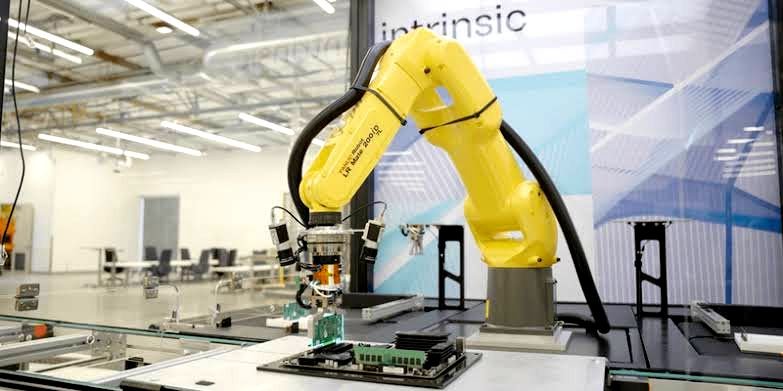
Mouser Expands Industrial Automation Portfolio to Accelerate Next-Generation Control Systems
Mouser Broadens Its Industrial Automation Supplier Network
Mouser Electronics has added nine manufacturers to its industrial automation portfolio during the first two quarters of 2026. The expansion strengthens its support for modern industrial systems and engineering teams.The new supplier lineup covers technologies across artificial intelligence, connectivity, power, control, and sensing. These technologies support increasingly integrated factory automation and industrial control architectures.For engineers, broader supplier access can simplify component sourcing during system design. It can also reduce delays when projects require specialized automation hardware.Industrial Automation Needs Broader Technology Integration
Industrial automation systems now combine PLC, DCS, networking, sensing, computing, and power technologies. As a result, engineers must evaluate more interfaces and dependencies during system development.Modern control systems also generate larger volumes of operational data. Therefore, automation architectures increasingly require faster communication and stronger processing capabilities.Mouser's expanded portfolio reflects this shift toward connected industrial platforms. In addition, it supports applications that require closer coordination between field devices and control systems.PLC and DCS Applications Continue to Drive Component Demand
PLC and DCS platforms remain important foundations for industrial process control. Engineers use these systems across manufacturing, energy, utilities, transportation, and process industries.New automation designs often connect controllers with distributed sensors and intelligent field devices. Consequently, component selection must consider communication protocols, power requirements, and environmental conditions.Industrial networks may include Ethernet-based architectures, industrial switches, remote I/O, and gateway devices. Engineers must also consider interoperability when integrating equipment from multiple suppliers.Connectivity Becomes a Core Industrial Control Requirement
Industrial networking has become a central part of factory automation. Ethernet technologies now support communication between controllers, remote I/O, HMIs, drives, and higher-level systems.Moreover, connected equipment can provide operational data for diagnostics and performance analysis. This approach supports predictive maintenance and more structured asset management.However, connectivity also introduces additional engineering requirements. Network segmentation, cybersecurity, redundancy, and deterministic communication must match the application.Robotics and AI Expand Factory Automation Requirements
Robotics represents another major application area for industrial automation technologies. Robotic systems require coordinated motion control, sensing, communications, safety functions, and power management.AI is also influencing industrial system architecture. Engineers increasingly use machine learning for inspection, predictive maintenance, process optimization, and anomaly detection.However, AI does not replace conventional control logic. PLC and DCS platforms still provide deterministic control for many industrial processes.The strongest architectures therefore combine AI analytics with established control and safety layers. This separation can help engineers maintain predictable machine behavior.Safety Systems Require Structured Engineering Practices
Industrial safety systems require careful hardware and software design. Applications may include emergency shutdown systems, machine safety, burner management, and turbine protection.Engineers should evaluate applicable standards before selecting safety-related hardware. Depending on the application, IEC 61508 and related functional safety standards may influence system architecture.In practice, safety design also requires appropriate diagnostics and fault-handling strategies. Therefore, component selection should consider the complete safety lifecycle rather than individual specifications.Industrial IoT Connects Field Data With Higher-Level Systems
The Industrial Internet of Things continues to connect field equipment with supervisory and enterprise platforms. Sensors can provide process, vibration, temperature, pressure, and equipment-status information.This data can support maintenance planning and production analysis. Moreover, centralized information can help engineers identify recurring equipment problems.Nevertheless, industrial IoT projects require disciplined architecture. Engineers should define data ownership, network boundaries, cybersecurity requirements, and system availability before deployment.Mouser's Portfolio Expansion Supports Engineering Flexibility
From an engineering perspective, supplier diversity can provide practical advantages during procurement. Engineers can compare technologies while maintaining the required electrical and mechanical specifications.Mouser's broader manufacturer portfolio also supports projects that combine automation with embedded computing and connectivity. This approach reflects the convergence between traditional industrial control and digital technologies.The value of such expansion depends on product availability, technical documentation, lifecycle support, and application suitability. Therefore, engineers should evaluate suppliers against project-specific requirements.Practical Application: Smart Factory Control Architecture
Consider a factory automation project that combines PLC control with robotic inspection. The PLC can manage machine sequences and deterministic I/O.Industrial Ethernet can connect the PLC with remote I/O, drives, safety devices, and HMIs. Meanwhile, sensors can provide process and equipment data for monitoring.An edge computer can process selected data locally. AI software can then identify abnormal patterns without interfering with the primary control loop.This architecture separates deterministic control from higher-level analytics. As a result, engineers can introduce digital functions without redesigning the entire control system.Industry Perspective: Integration Matters More Than Individual Components
The current automation market increasingly favors integrated architectures. However, successful projects depend on compatibility across multiple technology layers.Engineers should therefore evaluate PLC, DCS, networking, sensing, power, and safety requirements together. Interface specifications often matter as much as individual component performance.In my experience with industrial control projects, integration issues frequently appear at system boundaries. Communication settings, signal conditioning, grounding, and power distribution require particular attention.For this reason, engineers should review complete system documentation before final procurement. A technically suitable component can still create problems when its interfaces do not match the installed architecture.What This Means for Industrial Automation Engineers
Mouser's supplier expansion highlights a broader industry trend toward connected and data-driven automation. Industrial systems now combine established control technologies with newer computing and AI capabilities.For engineers, this trend creates more design options but also increases integration responsibilities. Careful specification review remains necessary across electrical, communication, environmental, and safety requirements.As industrial automation evolves, supplier availability will remain an important part of project execution. However, engineering validation should always determine the final component and architecture selection.
Siemens SIMATIC AX: Transforming PLC Programming Through Software-Centric Automation Engineering
Industrial Automation Enters a New Software Engineering Era
Industrial automation engineering is undergoing a major transformation. Modern factories require faster development cycles, stronger software quality, and better collaboration between global engineering teams.Traditional PLC programming methods built the foundation of reliable factory automation for decades. However, manufacturing systems now contain larger software structures, more machine variants, and deeper connections between PLC, DCS, MES, and enterprise platforms.Therefore, automation engineers increasingly need software development practices that support version control, reusable code, automated testing, and continuous improvement.Siemens SIMATIC AX represents this shift by introducing a software-centric approach to PLC engineering. It aims to combine industrial control reliability with modern software engineering methods.Why Traditional PLC Engineering Faces New Challenges
For many years, PLC programming focused on machine commissioning. Engineers created control logic, tested systems on physical equipment, and completed projects through vendor-specific engineering environments.These methods remain widely used because they provide predictable operation and strong integration with industrial control systems.However, factory automation requirements have changed. Manufacturers now operate global production networks with multiple machine versions, distributed engineering teams, and frequent software updates.As a result, traditional project-based engineering approaches can create challenges in several areas:- Limited collaboration: Engineers often struggle to manage parallel development across different locations.
- Reduced traceability: Teams may find it difficult to identify software changes and responsible engineers.
- Late validation: Problems may appear during commissioning when correction costs become higher.
- Poor software reuse: Copying PLC code between machines can create inconsistent versions.
- Higher maintenance effort: Small changes may require extensive testing because engineers lack automated validation methods.
Software-Centric Engineering Changes PLC Development Methods
Software-centric engineering treats PLC applications as structured software products rather than isolated machine projects.This approach introduces methods commonly used in enterprise software development, including Git-based collaboration, automated testing, reusable libraries, and continuous integration workflows.Moreover, it supports stronger engineering discipline throughout the industrial software lifecycle.For example, engineers can review code changes before deployment, manage software versions through repositories, and validate functions before applying updates to production systems.Therefore, software-centric engineering helps manufacturers improve both development speed and control system quality.TIA Portal and SIMATIC AX Serve Different Engineering Needs
Siemens positions SIMATIC AX as a complement to TIA Portal rather than a direct replacement.TIA Portal remains a central engineering platform for SIMATIC PLC configuration, hardware setup, diagnostics, commissioning, and integrated automation projects.SIMATIC AX focuses more on software development practices, source-based programming, and scalable engineering workflows.Together, these tools support different stages of the industrial software lifecycle.For example:- TIA Portal supports controller configuration and system commissioning.
- SIMATIC AX supports structured software development and lifecycle management.
AI-Assisted Engineering and Industrial Software Development
The automation industry is also moving toward AI-assisted engineering.Siemens continues exploring AI capabilities within engineering environments, including applications for code generation, documentation support, and engineering productivity improvement.However, industrial automation requires careful implementation.Control programs directly affect machine operation, safety functions, and production availability.Therefore, engineers must validate AI-generated content through established engineering procedures and testing methods.AI can support engineers, but professional engineering judgment remains essential.Practical Application Scenarios for SIMATIC AX
Software-centric engineering can provide value across multiple industrial applications.Machine builders: Manufacturers can create standardized PLC libraries and reduce development time across machine variants.Automotive production: Engineering teams can manage complex automation software across multiple production lines.Process industries: Plants can improve software maintenance practices for PLC-based auxiliary systems and integrated control applications.Global manufacturing companies: Distributed teams can collaborate through common software repositories and controlled release processes.Expert Perspective: The Future of PLC Programming
The future of PLC programming will not eliminate traditional automation engineering methods.Instead, industrial automation will combine proven control technologies with modern software practices.PLC, DCS, SCADA, and industrial communication systems will continue requiring deterministic performance and engineering discipline.However, manufacturers must improve how they develop, maintain, and update automation software.In my view, software-centric engineering represents an important evolution for the automation industry. The companies that successfully combine PLC expertise with software development methods will gain advantages in machine scalability, engineering efficiency, and long-term system maintenance.Conclusion: Building the Next Generation of Industrial Automation
Industrial automation is moving from project-based programming toward lifecycle-focused software engineering.Technologies such as SIMATIC AX, IEC 61131-3 Structured Text, Git collaboration, reusable libraries, and DevOps practices provide new possibilities for modern PLC development.However, successful adoption requires more than new tools. Manufacturers need standardized processes, skilled engineers, and clear software management strategies.The future factory will depend on both automation knowledge and software engineering capability.
Read More
Categories:
Uncategorized
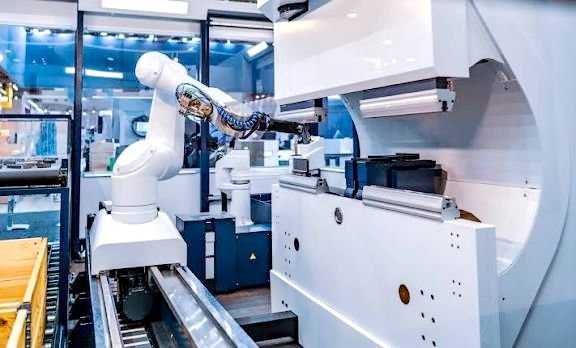
Industrial Automation Transformation: How AI, Digital Twins and Smart Control Systems Are Reshaping Manufacturing
Industrial Automation Moves From Innovation Concepts to Factory Reality
Industrial automation is entering a new phase where artificial intelligence, digital twins, cyber security, and advanced control systems are becoming practical tools for manufacturers.For decades, PLC, DCS, SCADA, and industrial control systems have supported production operations. However, modern factories now require deeper integration between automation platforms, data analytics, and intelligent decision-making systems.At Siemens Transform in Manchester, industry leaders highlighted a clear trend: manufacturers no longer ask whether digital technologies matter. Instead, they ask how to deploy them effectively across real production environments.From my experience working with industrial automation systems, successful transformation depends less on adopting the newest technology and more on integrating solutions that improve measurable operational results.Industrial AI and Automation Adoption Becomes a Business Priority
Industrial AI has moved beyond research projects and entered daily manufacturing discussions. Companies are exploring AI applications in predictive maintenance, quality inspection, production planning, and energy management.However, industrial environments differ significantly from consumer technology applications. Factory automation requires strict control, high availability, and predictable performance.For example, an AI system supporting a DCS platform must work alongside existing process control strategies. It must also respect operational limits defined by engineers and safety procedures.Therefore, manufacturers increasingly focus on practical AI deployment rather than experimental technology demonstrations.The key question is no longer “Can AI work?” but “Where can AI create reliable operational value?”PLC and DCS Systems Become the Foundation of Digital Manufacturing
Modern manufacturing transformation still depends heavily on proven automation architectures. PLC systems continue to control machines, production lines, and discrete manufacturing processes.Meanwhile, DCS platforms remain central in industries such as oil and gas, chemical processing, power generation, and pharmaceutical manufacturing.Leading automation suppliers, including Siemens, Emerson, Schneider Electric, ABB, Honeywell, and Yokogawa, continue improving their control platforms by adding industrial networking, edge computing, and advanced analytics capabilities.Moreover, modern control systems increasingly support communication standards such as PROFINET, EtherNet/IP, FOUNDATION Fieldbus, and industrial Ethernet protocols.These developments allow factories to connect field devices, controllers, and enterprise systems while maintaining operational security.Digital Twins Improve Factory Automation Performance
Digital twin technology has become an important component of industrial automation strategies. A digital twin creates a virtual representation of equipment, production lines, or complete facilities.Manufacturers use digital twins to simulate production changes before implementing them on the factory floor. As a result, companies can reduce commissioning time, improve maintenance planning, and optimize production performance.For example, engineers can test PLC logic changes or DCS configuration updates inside a virtual environment before applying modifications to live systems.However, digital twins deliver value only when companies maintain accurate equipment data and strong integration between engineering systems and operational technology.Cyber Security Becomes Essential for Connected Control Systems
As factories become more connected, industrial cyber security has become a major concern.Traditional isolated automation networks are gradually evolving into connected industrial environments. This change improves visibility and efficiency, but it also introduces additional security challenges.Manufacturers must protect PLC networks, DCS servers, engineering workstations, and industrial communication systems from cyber threats.Therefore, modern automation projects increasingly follow security frameworks such as IEC 62443 industrial cyber security standards.In practical projects, I have observed that cyber security works best when engineers include protection measures during system design instead of adding them after installation.Industrial Electrification Supports Energy Efficiency Goals
Electrification is another important factor influencing industrial automation development.Manufacturers are investing in energy monitoring systems, intelligent motor control, variable frequency drives, and automated power management solutions.Advanced automation platforms now help companies analyze energy consumption at equipment and production-line levels.Moreover, integrating electrical systems with PLC and SCADA platforms allows operators to identify energy losses and improve operational efficiency.This approach supports both productivity improvement and long-term sustainability objectives.UK Manufacturing Faces Real Implementation Challenges
Although industrial automation technologies continue advancing, adoption remains challenging for many UK manufacturers.Legacy equipment remains common across factories. Many companies still operate machines designed decades ago, making integration with modern systems complex.In addition, skilled automation engineers remain in high demand. Companies need professionals who understand both traditional control systems and emerging digital technologies.The challenge is not simply installing new hardware or software. Successful transformation requires engineering knowledge, operational experience, and long-term planning.Therefore, manufacturers should prioritize realistic automation roadmaps instead of pursuing technology adoption without clear business objectives.Industry Experience: Moving From Pilot Projects to Production Deployment
Many industrial companies have already completed small automation trials. However, moving from pilot projects to full-scale deployment remains difficult.A successful industrial AI or automation project must solve a specific operational problem.For example:- A power plant may use predictive analytics to identify turbine vibration issues before equipment failure.
- A chemical facility may optimize process parameters through DCS data analysis.
- A manufacturing plant may improve production quality using machine vision and PLC-based control integration.
Advanced Engineering Events Highlight the Future of Industrial Automation
Industry events such as Advanced Engineering at NEC Birmingham provide an important platform for manufacturers, technology providers, and engineering specialists to exchange practical knowledge.The discussion around Siemens Transform reflects a broader industrial movement. Companies are shifting from exploring digital possibilities toward implementing measurable solutions.Moreover, collaboration between automation suppliers, manufacturers, research organizations, and engineering communities will determine how quickly industrial transformation progresses.Practical Solutions for Future Smart Factories
Manufacturers preparing for future automation projects should consider several key areas:Factory automation modernization: Upgrade existing PLC, DCS, and SCADA systems while maintaining production continuity.Industrial data integration: Connect field devices, control systems, and enterprise platforms to create usable operational data.Predictive maintenance: Combine condition monitoring, vibration analysis, and AI models to reduce unexpected downtime.Cyber security improvement: Protect industrial networks through structured security policies and IEC 62443 practices.Workforce development: Train engineers in both traditional automation technologies and digital manufacturing tools.The future factory will not rely on automation alone. Instead, it will combine intelligent systems, skilled engineers, secure networks, and proven industrial practices.Conclusion: Industrial Transformation Requires Action, Not Only Innovation
Industrial AI, digital twins, electrification, and advanced automation are changing manufacturing strategies worldwide.However, technology adoption alone does not guarantee success. Manufacturers must connect innovation with practical engineering requirements.The companies that achieve the greatest benefits will be those that understand their operational challenges and apply automation solutions with clear objectives.Industrial transformation is no longer a future concept. It is becoming a measurable engineering process happening across factories today.
Emerson DeltaV Automation Platform Enables Smarter Industrial Automation for AI Data Centers
Emerson DeltaV Automation Platform for AI Data Centers
AI Data Center Growth Drives New Requirements for Industrial Automation
The rapid expansion of artificial intelligence (AI) workloads is changing how companies design and operate modern data centers. Large-scale AI facilities require higher computing capacity, stronger thermal management, and faster project execution.As a result, engineering teams, electrical contractors, system integrators, and equipment suppliers face increasing coordination challenges. They must deliver complex infrastructure within shorter schedules while maintaining operational stability, scalability, and long-term efficiency.From an industrial automation perspective, AI data centers are becoming more similar to process industries. They require integrated control systems, real-time monitoring, and intelligent optimization to manage critical infrastructure continuously.Emerson DeltaV Automation Platform Supports Next-Generation Data Center Control
Emerson has introduced the DeltaV Automation Platform for Data Centers to address the growing automation requirements of AI-driven facilities. The platform applies proven distributed control system (DCS) technology to data center infrastructure management.Unlike traditional projects that rely on multiple independent monitoring solutions, the DeltaV platform provides a unified automation architecture. Therefore, engineering teams can reduce system complexity and improve coordination between mechanical, electrical, and facility operations.The platform combines process control methods with modern digital technologies. It helps operators manage cooling systems, power-related processes, and facility equipment through a consistent control environment.Integrated DCS and PLC Architecture Improves Facility Management
The Emerson DeltaV Automation Platform includes the DeltaV distributed control system (DCS) and DeltaV programmable logic controllers (PLCs). These systems work together to provide coordinated facility-wide automation.The DCS manages supervisory control, data integration, and operational visibility. Meanwhile, PLC systems handle equipment-level control tasks that require fast response and deterministic execution.This combination creates a flexible control systems architecture for complex data center environments. Moreover, it supports future expansion by allowing additional equipment and automation functions to integrate into the existing platform.In industrial applications, similar architectures have been widely used in power generation, oil and gas, chemical processing, and pharmaceutical manufacturing. These industries require continuous operation, precise control, and strong lifecycle management.Real-Time Control Helps Optimize Cooling and Variable Loads
AI computing environments generate highly dynamic thermal loads because server utilization changes rapidly. Therefore, cooling infrastructure must adjust continuously to maintain equipment performance.The DeltaV platform provides real-time monitoring and control capabilities for cooling systems and facility equipment. Operators can analyze operating conditions and adjust control strategies according to changing requirements.From practical automation experience, thermal management is one of the most challenging areas in AI data center operation. Small inefficiencies in cooling control can significantly increase energy consumption across large facilities.By applying industrial automation principles, data centers can improve energy management and maintain more stable operating conditions.AI-Assisted Engineering Enhances Automation Workflows
The DeltaV DCS and PLC platforms include AI-based tools designed to support engineering activities, process optimization, and system integration.These tools can assist engineers with configuration tasks, operational analysis, and optimization models. However, AI does not replace automation expertise. Instead, it provides additional support for engineers who manage complex industrial control environments.In my view, the combination of AI technology and traditional automation engineering represents a major direction for future control systems. Experienced engineers will continue to play an important role in system design, cybersecurity, commissioning, and operational decision-making.Standardized Project Execution Reduces Data Center Deployment Risks
Modern AI data center projects often involve multiple contractors and suppliers. Therefore, standardized automation designs become increasingly important.Emerson’s DeltaV approach focuses on repeatable engineering methods and structured project execution. This strategy can help teams reduce integration problems, shorten commissioning periods, and improve startup consistency.For large facilities, standardized control system designs provide additional advantages. They simplify operator training, maintenance procedures, spare parts management, and future expansion planning.Reliability and Lifecycle Support for Global Data Center Operations
AI data centers require continuous operation because service interruptions can create significant financial and operational impacts.The DeltaV Automation Platform provides operational visibility that helps teams identify abnormal conditions and respond quickly. Moreover, centralized control information supports maintenance planning and long-term facility optimization.For companies operating multiple data centers across different regions, a unified automation strategy can improve management consistency. It allows engineering teams to apply common operating models while adapting to local requirements.Application Scenarios: Industrial Automation Solutions for AI Infrastructure
The DeltaV Automation Platform can support several data center automation scenarios:- AI computing facilities requiring advanced cooling control and energy optimization.
- Hyperscale data centers needing standardized automation across multiple locations.
- Edge computing facilities requiring compact PLC and DCS integration.
- Critical infrastructure environments requiring high availability and continuous monitoring.