
Siemens and Sparepartsnow Expand Refurbished Industrial Automation Access in Europe
Siemens Brings Refurbished Automation Equipment to a Wider Market
Siemens has partnered with Sparepartsnow to expand access to refurbished industrial automation equipment in Europe.The partnership adds manufacturer-refurbished Siemens products to the Sparepartsnow B2B marketplace. The initial portfolio includes drives, controllers, and HMI panels.Siemens performs the refurbishment before the equipment reaches the marketplace. Therefore, customers can source used automation hardware through a channel supported by the original manufacturer.This approach addresses a common issue in factory automation. Many plants still operate control systems that remain technically suitable after years of service.Replacing every installed PLC, drive, or HMI can also require engineering changes. It may affect application software, wiring, commissioning procedures, and spare-part strategies.For these applications, refurbished equipment can provide another lifecycle option.Siemens Links Refurbishment With Industrial Automation Lifecycle Management
The partnership reflects a broader shift toward lifecycle management in industrial automation.Factories often maintain Siemens PLCs, distributed control equipment, drives, operator panels, and other control-system hardware for long periods.However, product availability can become difficult as platforms age. Original production may end before the surrounding machine or process reaches the end of its operational life.Refurbishment can therefore support maintenance teams that need compatible replacement hardware without immediately redesigning an entire control architecture.Siemens describes its refurbished products as previously used automation equipment restored to the original technical specifications and performance characteristics.The distinction matters for engineers. Refurbishment does not mean adding new functions or increasing the original performance.Instead, the objective remains restoring the equipment to its specified operating condition.What Happens During the Siemens Refurbishment Process?
Siemens uses a standardized refurbishment process for qualifying automation products.The process can include technical repair, replacement of worn components, required hardware updates, and required software updates.Siemens also cleans the equipment and restores damaged housing components when necessary.The company then performs functional and quality testing against its specifications and established quality requirements.This process creates an important difference from ordinary used-equipment resale.A conventional used PLC or drive may only receive a basic visual inspection. Manufacturer refurbishment applies a defined technical assessment and testing process.For maintenance departments, that distinction can simplify the evaluation of replacement hardware.Refurbished PLC and Control System Hardware Can Support Existing Plants
The potential value becomes clearer in long-running production facilities.A machine may still depend on an established Siemens PLC platform because its application software already works correctly.Replacing the complete control system could require programming changes, I/O verification, panel modifications, and production downtime.A refurbished compatible controller can provide another option when the installed hardware requires replacement.The same principle applies to HMI panels and industrial drives.For example, a maintenance team may need a replacement drive for an established machine. If the surrounding motor, control logic, and cabinet design remain unchanged, compatible refurbished hardware may reduce the scope of the intervention.Engineers must still verify the exact order number, firmware requirements, electrical ratings, communication interfaces, and application compatibility.Refurbishment does not remove the need for engineering validation.Drives, Controllers, and HMI Panels Form the Initial Portfolio
The initial Siemens portfolio covers selected drives, controllers, and HMI panels.These product categories represent important components in factory automation systems.Drives interact directly with motors and machine mechanics. Controllers execute automation logic and coordinate field-level signals.HMI panels provide the operator interface for machine status, alarms, diagnostics, and process commands.Consequently, the availability of replacement hardware can influence maintenance planning across several layers of a control system.Siemens and Sparepartsnow plan to expand the product range and regional availability over time.Cybersecurity and Compliance Remain Part of the Lifecycle Discussion
Industrial automation refurbishment also raises questions beyond physical condition.Control-system hardware operates within electrical, functional, communication, and cybersecurity environments.Siemens states that its refurbished products retain their original product characteristics. The company also addresses applicable safety, conformity, and cybersecurity requirements from the original market placement.However, plant operators should still evaluate the complete system.A refurbished PLC may be technically functional while the installed firmware remains unsuitable for a newer cybersecurity architecture.Likewise, an older HMI may require compatibility checks with current engineering software.Therefore, maintenance teams should evaluate the replacement part together with the surrounding control system.Refurbishment Can Reduce Pressure on Industrial Spare-Part Strategies
Industrial maintenance teams commonly maintain spare inventory for equipment with long operating histories.This strategy becomes harder when manufacturers discontinue older hardware families.A refurbished marketplace can add another sourcing channel between new production and conventional used equipment.That option can matter for plants operating legacy PLC, DCS, motion-control, or factory-automation systems.The benefit depends on product availability, technical compatibility, testing requirements, and the plant's maintenance policy.Therefore, procurement teams should compare refurbished equipment with new, replacement, and retrofit options for each application.Circularity Is Becoming More Relevant to Factory Automation
The Siemens and Sparepartsnow partnership also reflects a wider interest in circular industrial technology.Industrial automation hardware contains electronic components, metals, plastics, and other resources.Extending equipment use can reduce the need for immediate replacement of complete assemblies.The environmental benefit depends on the actual refurbishment process, transport requirements, replacement components, and additional service life.Therefore, circularity should be assessed across the complete equipment lifecycle rather than through refurbishment alone.For industrial users, lifecycle extension can also support maintenance continuity.Keeping suitable hardware available can help plants avoid unnecessary system changes when existing equipment still meets process requirements.Practical Application: Maintaining a Legacy Siemens Production Line
Consider a production line that uses an established Siemens controller, HMI, and variable-speed drive system.The machine remains mechanically suitable for production. However, one controller fails after years of operation.A complete automation migration could involve hardware replacement, software conversion, cabinet work, testing, and commissioning.A compatible refurbished controller could provide another maintenance route.The engineering team would first confirm the exact order number and hardware configuration.It would then verify firmware, communication interfaces, I/O requirements, and application compatibility.After installation, engineers would perform functional checks before returning the machine to production.This approach does not eliminate modernization planning. Instead, it can provide additional time for a controlled migration strategy.Refurbished Automation Does Not Replace Modernization
Refurbishment and modernization serve different engineering objectives.Refurbishment focuses on extending the useful service life of existing hardware.Modernization usually changes the control architecture, hardware platform, software environment, or communication technology.A plant may therefore use both strategies during different lifecycle stages.For example, a refurbished PLC can maintain production while engineers prepare a larger migration project.This staged approach can help separate immediate maintenance requirements from long-term automation investment.The correct choice depends on equipment condition, production requirements, engineering resources, lifecycle status, and system compatibility.Siemens and Sparepartsnow Could Expand the Secondary Automation Market
The partnership creates a direct connection between OEM refurbishment capability and a specialized B2B marketplace.That model could influence how industrial users source discontinued or previously used automation hardware.The initial European focus also provides a defined starting point for the program.Siemens says the portfolio and geographic availability will expand progressively.From an engineering perspective, the most important factor will be product-level availability.Industrial buyers rarely need refurbishment as an abstract concept. They need a specific controller, drive, HMI, or spare module that matches an installed system.Therefore, searchable part numbers, technical documentation, test information, and compatibility data will remain important to the success of this model.Industry Perspective: Lifecycle Availability Matters as Much as Product Performance
From a maintenance perspective, industrial automation hardware has value beyond its original purchase date.A controller can remain part of a validated machine architecture for many years.When that controller becomes difficult to source, the plant faces a lifecycle-management problem rather than a simple purchasing problem.Manufacturer refurbishment addresses part of this challenge by keeping selected equipment in circulation.At the same time, engineers should continue to assess obsolescence, cybersecurity exposure, software support, and spare-part availability.In practice, the strongest maintenance strategy often combines short-term replacement planning with longer-term modernization planning.What This Means for Industrial Automation Buyers
The Siemens and Sparepartsnow agreement gives European industrial customers another route for sourcing refurbished Siemens automation products.The initial offering covers selected drives, controllers, and HMI panels.Siemens performs the refurbishment and testing before the products enter the marketplace.For plants running established Siemens control systems, this model may support longer equipment lifecycles.However, buyers should verify every replacement against the installed system.Part number, hardware revision, firmware, electrical ratings, communication interfaces, software compatibility, and application requirements all deserve review.As industrial automation moves toward longer and more managed lifecycles, refurbishment may become one component of a broader spare-parts and modernization strategy.
Caterpillar and FieldAI Advance AI-Powered Industrial Automation for Heavy Industry
Caterpillar and FieldAI Combine Physical AI with Industrial Automation
Caterpillar and FieldAI have announced a collaboration focused on AI-powered industrial automation across construction, mining, and manufacturing environments.The partnership combines Caterpillar's engineering knowledge, manufacturing experience, and operational data with FieldAI's physical AI and autonomous robotics technologies.Together, the companies aim to improve productivity, safety, and operational visibility in demanding industrial environments.Moreover, the initiative addresses growing labour shortages and increasing pressure on industrial organisations to improve efficiency.The collaboration also reflects a broader shift toward intelligent industrial automation systems that combine robotics, AI, real-time data, and autonomous decision-making.Physical AI Expands the Scope of Industrial Automation
Traditional industrial automation often relies on PLC, DCS, sensors, and predefined control systems.However, complex industrial sites present challenges that conventional factory automation cannot always address efficiently.Construction sites, mines, and large manufacturing facilities constantly change their operating conditions.Physical AI provides autonomous machines with the ability to perceive their surroundings and respond to changing conditions.FieldAI develops robot-agnostic autonomy technologies for complex physical environments.Therefore, autonomous platforms can potentially support different machines, robotic systems, and industrial applications without requiring identical hardware architectures.This approach could help industrial operators integrate AI capabilities across diverse equipment fleets.Autonomous Inspection Supports Safer Industrial Operations
One early application involves autonomous inspection across industrial sites and facilities.Industrial inspections often require workers to enter difficult or potentially hazardous areas.Autonomous robots can collect operational data while reducing unnecessary human exposure to certain workplace risks.These systems may inspect equipment, infrastructure, production areas, and operational conditions.In addition, AI-powered analysis can help identify abnormal conditions more quickly.For example, autonomous inspection systems could support monitoring of heavy equipment, electrical infrastructure, production machinery, and remote industrial assets.The collected data can then support maintenance planning and operational decision-making.From an industrial automation perspective, autonomous inspection could become an additional data layer above existing PLC and DCS architectures.Digital Twins Create Real-Time Industrial Visibility
Digital twin technology represents another major focus of the Caterpillar and FieldAI collaboration.A digital twin creates a virtual representation of physical equipment, facilities, or complete industrial operations.The system can combine operational data from sensors, machines, control systems, and other connected assets.As a result, engineers can gain a more complete view of industrial processes.For construction and mining operations, digital twins may represent equipment locations, infrastructure conditions, and workflow activities.For manufacturing facilities, digital twins can support production analysis, material flow evaluation, and equipment performance monitoring.Moreover, digital twins can connect operational technology with simulation and AI-driven analytics.This combination gives engineers new tools for evaluating operational changes before applying them in physical environments.AI Enhances Situational Awareness for Industrial Control Systems
Industrial operations generate large volumes of information from equipment, sensors, PLC systems, DCS platforms, and enterprise software.However, collecting data alone does not automatically improve operational performance.Operators need systems that convert complex information into useful insights.The Caterpillar and FieldAI initiative will explore enhanced situational awareness technologies for industrial environments.These tools can help identify changing conditions and potential operational risks more quickly.Therefore, engineers and operators can receive better information when making decisions.In practical applications, AI systems may analyse multiple data streams simultaneously.For example, an AI platform could combine equipment status, environmental data, location information, and operational history.This approach could complement existing industrial control systems rather than replace them.PLC and DCS platforms will continue managing deterministic control functions.Meanwhile, AI can support higher-level analysis, optimisation, and autonomous operations.Operational Optimisation Combines Simulation and AI
The partnership will also explore operational optimisation technologies.These technologies can combine simulation, automation, and AI-driven analysis.Industrial organisations often need to balance productivity, equipment availability, energy use, workforce resources, and safety requirements.AI systems can analyse operational patterns and identify possible improvement opportunities.Simulation tools can then evaluate different operational scenarios.For example, engineers could analyse alternative equipment schedules or production workflows.They could also evaluate material movement and machine utilisation.As a result, industrial teams may improve planning before making operational changes.This capability could become increasingly valuable for large facilities with complex equipment interactions.Caterpillar Continues Its Industrial Digital Transformation Strategy
Caterpillar has already outlined its long-term vision for more intelligent industrial operations.The company focuses on connected machines, integrated workflows, operational data, and improved productivity.The FieldAI collaboration adds physical AI and autonomous robotics to this broader strategy.According to Jaime Mineart, Caterpillar's chief technology officer, AI should support practical improvements across industrial operations.The company specifically focuses on improving safety, productivity, and operational value.This direction aligns with current developments across industrial automation.Manufacturers increasingly combine traditional control systems with edge computing, AI analytics, robotics, and connected industrial platforms.However, successful implementation requires strong integration between these technologies.Manufacturing Automation Moves Beyond Conventional Factory Systems
The collaboration also targets Caterpillar's manufacturing operations.Modern manufacturing increasingly depends on connected equipment and data-driven decision-making.Factory automation traditionally uses PLC systems, motion controllers, industrial networks, and supervisory control platforms.Today, manufacturers are adding AI technologies to these established architectures.AI can support production analysis, quality improvement, predictive maintenance, and workflow optimisation.In addition, autonomous systems can perform inspections and repetitive operational tasks.John Tuntland, senior vice president of Caterpillar's integrated components division, highlighted the company's focus on technology and continuous improvement.The company aims to improve visibility across manufacturing operations and respond more effectively to changing requirements.This approach demonstrates an important trend within factory automation.Manufacturers no longer evaluate individual machines in isolation.Instead, they increasingly optimise complete production systems.FieldAI Brings Robot-Agnostic Autonomy to Heavy Industry
FieldAI brings a different technology capability to the collaboration.The company focuses on autonomous systems for complex physical environments.Its robot-agnostic approach allows autonomy software to operate across different types of robotic platforms.This flexibility may benefit industrial organisations with mixed equipment fleets.Heavy industry rarely uses a single equipment type or automation platform.Mining operations may include mobile equipment, fixed infrastructure, autonomous vehicles, and remote monitoring systems.Construction sites also involve constantly changing physical environments.Therefore, adaptable autonomy software could provide advantages over highly specialised robotic solutions.FieldAI also uses foundation models designed for physical and operational environments.These technologies aim to transform large volumes of industrial data into actionable operational insights.NVIDIA Technologies Support Digital Twins and AI Computing
The collaboration will also use NVIDIA accelerated computing and NVIDIA Omniverse technologies.These platforms can support simulation, AI development, and high-fidelity digital twin applications.High-performance computing plays an important role in modern industrial AI systems.Digital twins can require significant computing resources when processing complex operational data.Moreover, simulation environments can model equipment interactions and operational scenarios before physical deployment.NVIDIA technologies can provide computing infrastructure for these applications.The combination of AI computing, digital twins, robotics, and industrial automation creates a more integrated technology environment.However, companies must still establish strong data governance and cybersecurity practices.Industrial data accuracy remains particularly important for AI-driven operational decisions.Industrial Automation Requires Strong Integration with PLC and DCS Systems
AI and robotics will not eliminate the need for established industrial control systems.PLC and DCS platforms remain responsible for many deterministic control and safety-related functions.For example, a PLC can manage machine sequences, interlocks, and real-time control signals.A DCS can coordinate complex process control across large industrial facilities.AI technologies can operate above or alongside these systems.They can analyse historical and real-time data to identify patterns and optimisation opportunities.Therefore, the strongest industrial architectures will likely combine conventional control systems with AI capabilities.A typical architecture may include field sensors and instruments at the lowest level.PLCs, DCS systems, and industrial controllers manage control functions.Industrial networks connect equipment and operational systems.Edge platforms process selected data near the physical environment.AI platforms then analyse larger operational datasets and support optimisation.This layered architecture can help organisations introduce AI without replacing existing automation infrastructure.Application Scenario: Autonomous Mining Operations
Mining operations represent a strong application area for this technology collaboration.A mining site may include autonomous equipment, conveyor systems, processing plants, and remote infrastructure.Autonomous inspection robots could monitor equipment conditions across difficult areas.Sensors and control systems could provide operational data from pumps, motors, conveyors, and processing equipment.Digital twins could then create a virtual representation of the complete operation.AI platforms could analyse equipment utilisation and workflow patterns.As a result, operators could gain improved visibility across multiple operational areas.Engineers could also simulate changes before modifying physical operations.This approach may support better equipment utilisation and more efficient maintenance planning.Application Scenario: Intelligent Manufacturing Facilities
Manufacturing facilities could also benefit from the combined technologies.An intelligent factory may include PLC-controlled production equipment, industrial robots, machine vision systems, and connected manufacturing software.Autonomous systems could perform inspections and collect operational information.Digital twins could model production lines and equipment relationships.AI analytics could identify bottlenecks and workflow inefficiencies.In addition, simulation could help engineers evaluate production changes.For example, a manufacturer could test alternative material flows before changing the physical production layout.This process may reduce implementation risks and improve engineering efficiency.Industry Perspective: Physical AI Could Become the Next Automation Layer
The Caterpillar and FieldAI partnership highlights an important industrial technology trend.Industrial automation is moving beyond fixed sequences and predefined machine responses.The next development stage may combine deterministic control with systems that understand changing physical environments.Physical AI could become an additional intelligence layer for industrial operations.However, industrial organisations should adopt these technologies carefully.AI systems require accurate operational data and well-defined deployment objectives.Companies should first identify specific operational problems.They should then evaluate whether AI, robotics, digital twins, or conventional automation provides the best solution.In many cases, the strongest results will come from combining several technologies.For example, PLC systems can manage machine control.DCS platforms can manage process operations.Digital twins can support simulation and visibility.AI can analyse complex operational information.Autonomous robots can extend data collection into physical environments.Therefore, successful industrial automation will increasingly depend on technology integration rather than individual products.Conclusion: AI, Robotics and Digital Twins Reshape Heavy Industry
The Caterpillar and FieldAI collaboration demonstrates how heavy industry is adopting new forms of industrial intelligence.The partnership combines engineering knowledge, operational data, autonomous robotics, physical AI, and digital twin technologies.Its initial focus includes autonomous inspections, situational awareness, digital twins, and operational optimisation.These applications could support construction, mining, and manufacturing organisations facing productivity and workforce challenges.Moreover, the collaboration shows how industrial automation continues to evolve.Future industrial sites may combine PLC, DCS, control systems, autonomous machines, AI platforms, and real-time digital twins.The technology alone will not guarantee better performance.However, well-integrated systems can provide engineers with better operational visibility and decision support.For industrial organisations, the key challenge will be integrating AI into existing automation architectures safely and practically.The companies that successfully connect physical operations with digital intelligence may gain significant long-term operational advantages.
Siemens and Sparepartsnow Expand Industrial Automation Circularity with Refurbished Products
Siemens Brings Refurbished Automation Products to a Digital Marketplace
Siemens has partnered with Sparepartsnow to expand access to refurbished industrial automation products. The partnership connects Siemens' refurbishment capabilities with Sparepartsnow's digital B2B marketplace.As a result, industrial customers can purchase manufacturer-refurbished Siemens automation equipment through a dedicated online channel. The initial portfolio includes drives, controllers, and HMI panels.The cooperation supports industrial automation users seeking alternatives for aging equipment and discontinued product generations.Refurbished by Siemens Supports Longer Product Lifecycles
The new refurbished by Siemens approach focuses on extending the operational life of previously used automation equipment. Siemens restores eligible products and returns them to defined technical and performance requirements.The refurbishment process includes technical repair and required hardware updates. In addition, Siemens performs software updates when necessary.Technicians also complete visual restoration when the product condition requires it. Siemens then conducts comprehensive quality and functional testing.Therefore, customers receive products refurbished directly by the original equipment manufacturer.Manufacturer Refurbishment Matters for Industrial Automation
Refurbished equipment plays an important role in industrial automation lifecycle management. Many factories continue operating PLC, DCS, drives, and control systems for extended periods.However, replacement availability often becomes a challenge as product generations age. Original equipment may also become difficult to source.Manufacturer refurbishment can provide another supply option for installed automation systems. This approach may help plants maintain equipment compatibility and operational continuity.For example, a production facility may require an existing controller or drive model during maintenance. Replacing the complete control system could require engineering changes and additional downtime.Therefore, a suitable refurbished replacement can reduce the need for immediate system migration.Siemens Applies Original Technical Specifications
According to Siemens, refurbished products retain their original technical specifications and performance characteristics. The company does not functionally modify or performance-enhance these products.Each device undergoes a standardized refurbishment and testing process before Siemens releases it for sale.The process includes technical inspection, repair, hardware and software updates where required, and quality verification.Moreover, Siemens states that refurbished products must satisfy applicable safety, conformity, and cybersecurity requirements from their original market placement.This distinction remains important for industrial customers managing established factory automation environments.Digital Marketplace Improves Access to Automation Spare Parts
Sparepartsnow provides the digital marketplace element of the partnership. The platform gives industrial customers another channel for sourcing refurbished Siemens automation products.Digital procurement platforms continue changing how companies manage industrial spare parts. Maintenance teams increasingly require faster visibility into available products and lifecycle alternatives.Moreover, online marketplaces can simplify product searches across different equipment categories.This can support maintenance teams responsible for PLC systems, control systems, drives, HMIs, and other factory automation equipment.The partnership combines manufacturer product knowledge with digital marketplace accessibility.Circularity Becomes More Relevant in Factory Automation
Industrial circularity increasingly focuses on keeping equipment in productive service for longer periods. Refurbishment represents one practical approach within this strategy.Instead of immediately replacing all used equipment, suitable products can undergo inspection, repair, and testing.As a result, manufacturers may reduce unnecessary waste and improve resource utilization.However, circularity in industrial automation requires strict technical control. Automation products must meet defined electrical, functional, and safety requirements.This creates an important difference between manufacturer refurbishment and uncontrolled secondary-market sourcing.In my view, this distinction will become increasingly important for industrial customers. Plants need circular solutions, but they also need technical documentation, traceability, and predictable product performance.Practical Value for Maintenance and Control System Operations
Maintenance departments often face difficult decisions when automation equipment fails. They can repair the existing device, purchase used equipment, install a replacement, or upgrade the system.Each option involves different technical and operational considerations.A refurbished product from the original manufacturer may provide an additional option. This can be particularly useful when facilities operate mixed-generation automation architectures.For example, a plant may operate newer controllers alongside legacy drives and HMI systems. A complete modernization project could require significant engineering work.Therefore, refurbished automation products may help organizations maintain existing installations while planning long-term upgrades.Application Scenario: Extending the Life of Existing Automation Systems
Consider a manufacturing facility operating an established production line with Siemens controllers, drives, and HMI panels.A critical automation component reaches the end of its operational life. However, the facility cannot immediately stop production for a complete control system upgrade.The maintenance team can evaluate available refurbishment options for the affected product.If the refurbished unit matches the required technical specifications, the team may restore the equipment faster.Meanwhile, engineering teams can continue developing a future PLC or factory automation modernization strategy.This approach can support operational continuity while reducing pressure for unplanned system replacement.Europe Serves as the Initial Market
Siemens and Sparepartsnow will initially offer the refurbished product approach in Europe. The first portfolio focuses on selected automation products.These include drives, controllers, and HMI panels.However, Siemens plans to expand both the product portfolio and regional availability over time.Future expansion could increase access to circular lifecycle services across additional industrial automation markets.Industry Perspective: Circular Automation Is Moving Toward Structured Lifecycle Management
The partnership reflects a broader shift within industrial automation. Manufacturers increasingly view product lifecycle management as extending beyond initial equipment sales.Customers now expect support for installed systems throughout longer operating periods.This includes spare parts, repairs, modernization services, software updates, cybersecurity management, and refurbishment.Therefore, circular lifecycle services could become a larger part of future industrial automation strategies.For PLC, DCS, and factory automation operators, the value depends on technical compatibility and product availability. Strong refurbishment processes can provide another lifecycle option between repair and complete replacement.The Siemens and Sparepartsnow partnership demonstrates how manufacturers can combine refurbishment expertise with digital procurement platforms.As industrial facilities continue balancing uptime, sustainability, and modernization costs, structured refurbishment may become an increasingly practical solution.
Software-Defined Manufacturing Reshapes Industrial Automation and Semiconductor Strategy
Software-Defined Manufacturing Moves Toward Industrial Deployment
Software-defined manufacturing (SDM) is moving beyond technology discussions and into early industrial applications. The concept changes how manufacturers design, deploy, and maintain industrial automation systems.Traditional automation closely connects software with dedicated hardware. PLC programs typically run on specific controllers. DCS applications also depend on qualified hardware platforms.However, SDM introduces a different architecture. It separates automation applications from dedicated devices and runs them on more flexible computing infrastructure.Virtual PLCs, supervisory control systems, analytics, and other applications can operate in containers or virtualized environments. These workloads can run on industrial edge servers or selected on-premise infrastructure.As a result, factory automation increasingly treats control software as programmable infrastructure instead of fixed equipment.Virtual PLC Technology Changes the Automation Architecture
Virtual PLC technology represents one of the most visible developments within software-defined industrial automation.A conventional PLC combines processing hardware, firmware, communication interfaces, and control applications within a dedicated device. Engineers often validate these elements as a single platform.A virtual PLC changes this model. The control runtime can operate independently from traditional dedicated PLC hardware.For example, an industrial edge server may host several virtualized control applications. These applications can support different machines, production cells, or auxiliary systems.Therefore, manufacturers can manage software resources separately from physical computing resources.This approach does not mean that dedicated PLC hardware will disappear. Instead, industrial automation will likely adopt a mixed architecture.Some control functions will remain inside dedicated PLCs. Others may move to industrial PCs, edge servers, or virtualized platforms.Industrial Automation Will Continue to Depend on Physical Devices
Software-defined manufacturing does not remove the physical layer from industrial control systems.Sensors still collect process information. Actuators still execute commands. Drives still control motors and mechanical equipment.In addition, safety controllers must continue to meet strict functional safety requirements.Standards such as IEC 61131-3 remain important for PLC programming concepts. IEC 61508 and IEC 62061 also influence functional safety architectures.Therefore, SDM should not be viewed as software replacing industrial hardware.Instead, SDM changes where applications execute and how engineers manage automation resources.From practical industrial experience, the physical process often determines the final architecture. Motion control, high-speed synchronization, and safety applications may require dedicated hardware.However, supervisory control, data processing, visualization, and selected PLC workloads offer more flexibility.Edge Computing Becomes a Key Layer for Software-Defined Control Systems
Real-time industrial control cannot simply move to public cloud infrastructure.Network latency, deterministic communication, cybersecurity, and system availability remain important technical concerns.Therefore, edge computing plays a central role in the SDM architecture.Industrial edge servers can operate close to production equipment. This arrangement reduces communication delays while supporting centralized software management.Moreover, manufacturers can use edge infrastructure for several workloads.These workloads may include:- Virtual PLC applications
- SCADA and supervisory functions
- Industrial analytics
- AI inference
- Machine monitoring
- Data collection
- Digital twin applications
- Protocol conversion
PLC and DCS Hardware Will Remain Important
Software-defined manufacturing will not immediately replace traditional PLC and DCS platforms.Major automation suppliers have spent decades developing dedicated control systems for demanding industrial environments.Siemens, ABB, Schneider Electric, Rockwell Automation, and other suppliers continue to support both traditional and software-centric automation architectures.Dedicated controllers still provide several advantages.They offer predictable hardware configurations. They also support long product lifecycles and established engineering workflows.In addition, many industrial sites already operate large installed bases of PLC and DCS equipment.Replacing these systems creates technical and financial risks.Therefore, most factories will probably adopt SDM gradually.The first projects will likely focus on applications that provide clear operational benefits.Factory Automation Is Moving Toward Heterogeneous Computing
The most important change may involve the underlying compute architecture.Traditional industrial automation relies heavily on distributed dedicated devices.A factory may contain hundreds or thousands of PLCs, controllers, drives, gateways, and embedded processors.Software-defined manufacturing introduces greater compute consolidation.However, consolidation does not mean complete centralization.Future industrial automation will likely use heterogeneous computing environments.These environments may combine:- PLCs
- Industrial microcontrollers
- Industrial CPUs
- GPUs
- FPGAs
- Edge servers
- AI accelerators
- Safety controllers
- Motion controllers
Cybersecurity Becomes More Important in Software-Defined Factories
Traditional automation often isolates systems through dedicated hardware and network segmentation.Software-defined industrial automation increases software connectivity.Therefore, cybersecurity becomes an architectural requirement rather than an additional feature.Industrial systems increasingly connect PLC applications, edge servers, engineering tools, and enterprise platforms.This connectivity can improve operational visibility.However, it also increases the number of possible attack paths.Standards such as IEC 62443 provide important guidance for industrial cybersecurity.Manufacturers should apply security controls throughout the automation lifecycle.This includes secure development, identity management, network segmentation, software updates, and vulnerability management.In my view, cybersecurity may become one of the strongest factors influencing SDM adoption.Manufacturers will only virtualize critical control workloads when they trust the underlying architecture.Why Manufacturers Are Exploring Software-Defined Manufacturing
Manufacturers face increasing pressure to adapt production systems faster.Supply chain disruptions can change production requirements. Workforce shortages can also increase automation demands.In addition, sustainability targets require manufacturers to monitor energy and resource consumption more closely.Traditional hardware-bound automation can make these changes difficult.Hardware replacement often requires engineering work, testing, downtime, and system validation.Software-defined architectures can reduce some of these limitations.For example, engineers may update selected applications without replacing the underlying compute hardware.Virtual commissioning can also support earlier software testing.Therefore, manufacturers can potentially shorten engineering cycles.However, the business case must remain application-specific.SDM does not automatically reduce costs in every factory.Virtual Commissioning Offers an Early SDM Application
Virtual commissioning represents one of the most practical entry points for software-defined manufacturing.Engineers can test PLC logic and control systems before physical equipment becomes available.This approach can identify programming errors earlier.Machine builders can also simulate communication between machines and production systems.Moreover, digital models can support engineering changes before installation.In practical projects, commissioning delays often result from unexpected interactions between equipment, software, and field devices.Virtual commissioning cannot remove every problem.However, it can reduce risks before on-site startup.Therefore, manufacturers can use simulation and digital twins as early steps toward broader SDM adoption.DCS and Supervisory Applications Can Benefit from Software Decoupling
DCS and supervisory control applications also provide potential opportunities.Many supervisory functions do not require the same execution characteristics as high-speed machine control.These functions may include visualization, alarm processing, historical data management, and production reporting.Therefore, manufacturers can move selected workloads toward centralized or virtualized infrastructure.This approach may simplify system maintenance across multiple production areas.For example, a large facility may manage several supervisory applications through standardized edge infrastructure.However, process control engineers must still protect system availability.Critical process applications require careful redundancy and validation.As a result, manufacturers should separate software flexibility from operational risk.Manufacturers Should Avoid a Complete Replacement Strategy
Manufacturers should not treat software-defined manufacturing as a complete replacement program.Most industrial sites contain equipment with long operating lifecycles.A factory may operate PLC, DCS, and control systems for 15 years or longer.Therefore, gradual migration offers a more practical strategy.Manufacturers should first identify workloads that benefit from decoupling.Good starting points may include:- Virtual commissioning
- Industrial data platforms
- Analytics applications
- Supervisory control
- Edge computing
- AI applications
- Selected PLC workloads
Machine Builders Can Develop More Flexible Automation Platforms
Machine builders may also benefit from SDM.Traditional machine designs often depend on specific controller hardware.This dependency can create supply chain risks and redesign requirements.Software decoupling may provide more hardware flexibility.Machine builders could potentially validate applications across multiple qualified compute platforms.However, compatibility testing remains important.Industrial customers expect long-term support and predictable machine behavior.Therefore, machine builders must balance flexibility with engineering discipline.A portable control application still requires validated hardware, network behavior, and real-time performance.Semiconductor Suppliers Should Focus on Complete Industrial Platforms
Semiconductor suppliers should avoid viewing SDM as a simple processor upgrade cycle.Industrial customers need complete platforms.These platforms should combine computing, connectivity, security, and lifecycle support.Important capabilities may include:- Real-time processing
- Hardware virtualization
- Industrial Ethernet support
- Functional safety features
- Secure boot
- Hardware security
- AI acceleration
- Long-term availability
- Industrial temperature support
Industrial Automation Value May Shift from Devices to Software Platforms
Software-defined manufacturing may gradually change where value exists within factory automation.Dedicated hardware will remain important.However, software platforms may capture a larger share of system value.Engineering tools, application portability, cybersecurity, orchestration, and lifecycle management could become major differentiators.This shift resembles developments in other technology sectors.Standardized hardware can support multiple software services.However, industrial automation introduces additional complexity.Factories require deterministic behavior, long lifecycles, and strong operational discipline.Therefore, the industrial market will not simply copy the IT industry.Instead, industrial automation will develop its own software-defined architecture.Application Scenario: Virtualized Production Cell Control
Consider a manufacturer operating several automated production cells.Each cell currently uses dedicated PLC hardware for control and monitoring.The manufacturer introduces an industrial edge server for selected applications.The server hosts virtual PLC instances for non-critical auxiliary processes.It also runs machine monitoring and local analytics.Dedicated PLCs continue controlling high-speed motion and safety functions.Meanwhile, engineers manage virtualized applications through centralized software tools.This hybrid architecture provides an important advantage.The manufacturer gains operational experience without replacing proven control systems.Over time, the company can evaluate additional workloads.This scenario reflects a realistic path toward software-defined factory automation.Application Scenario: Multi-Site Factory Automation Management
A global manufacturer operates several factories with different automation platforms.The company wants more consistent application management.An SDM architecture can standardize selected software layers.For example, each site can deploy common edge infrastructure.Central teams can manage application versions and cybersecurity policies.Local facilities can continue operating site-specific PLC and DCS hardware.Therefore, the company can improve software consistency without forcing immediate hardware replacement.This model may prove especially useful for manufacturers with distributed production networks.Author's View: SDM Will Change Industrial Automation Gradually
Software-defined manufacturing will not transform factories as quickly as enterprise IT changed data centers.Industrial environments operate under different conditions.Safety requirements remain strict. Equipment lifecycles remain long.In addition, manufacturers carefully evaluate operational risks.However, gradual change should not be confused with limited impact.The industrial automation architecture is already becoming more software-centric.Edge computing, AI, virtualization, industrial Ethernet, and digital engineering continue supporting this direction.In my view, the most successful SDM projects will follow a hybrid strategy.They will retain dedicated hardware where physics and safety require it.At the same time, they will virtualize workloads where software flexibility creates measurable value.Software-Defined Manufacturing Requires Action Today
Manufacturers should begin preparing their technology architecture now.They should identify applications suitable for virtualization and edge deployment.In addition, engineering teams should develop skills in real-time computing, virtualization, networking, and industrial cybersecurity.Semiconductor companies should also review their industrial strategies.Future demand may increasingly favor heterogeneous computing platforms.These platforms will need to support control systems, connectivity, security, and AI.Therefore, industrial automation suppliers must look beyond standalone controllers.The next generation of factory automation will likely combine dedicated devices with programmable computing infrastructure.Software-defined manufacturing will not eliminate PLCs, DCS platforms, or industrial controllers.Instead, it will redefine how these technologies work together.The companies that build technical capabilities early may gain greater flexibility as industrial deployment expands.
Read More
Categories:
News, Uncategorized

Schneider Electric Names Alex Richards to Lead Industrial Automation in UK and Ireland
Alex Richards Takes Leadership of Industrial Automation Business
Schneider Electric has appointed Alex Richards as Business Vice President for Industrial & Process Automation in the UK and Ireland.Richards will lead the company's regional industrial automation strategy and customer development activities. His responsibilities will cover automation, electrification, robotics, artificial intelligence, and digital technologies.The appointment comes as manufacturers increase investment in connected industrial automation and software-driven control systems.Schneider Electric aims to help industrial customers improve productivity, operational resilience, and energy efficiency.Focus on Industrial Automation and Digital Transformation
Industrial automation continues to change rapidly across manufacturing, energy, infrastructure, and process industries.Today, manufacturers increasingly connect PLC, DCS, SCADA, robotics, and industrial software within integrated control systems.Therefore, leadership experience across automation and digital services has become increasingly important for technology suppliers.Richards will support customers as they modernise existing facilities and develop new factory automation strategies.The role also reflects growing demand for integrated automation architectures across the UK and Ireland.Extensive Experience Across Schneider Electric Operations
Alex Richards joined Schneider Electric in 2008 and has held several leadership positions within the company.His previous responsibilities included Energy and Sustainability Services, Global Field Services, and Digital Services.In addition, he worked with Segments and Strategic Accounts across different industrial markets.Most recently, Richards served as Vice President for Segments and Strategic Accounts within Europe Operations.Before that position, he led Schneider Electric's Mining, Minerals and Metals activities across the EMEA region.This background provides experience across industrial services, strategic customers, digital technologies, and process industries.Industrial Automation Requires Broader Technical Integration
Modern industrial automation projects rarely involve a single PLC or standalone control system.Instead, manufacturers increasingly combine PLC systems, DCS platforms, industrial networks, robotics, edge computing, and data analytics.Moreover, electrification and energy management now influence many automation investment decisions.Schneider Electric operates across several of these technology areas, including industrial automation and energy management.This broader technology portfolio may help customers coordinate production systems with energy and sustainability objectives.However, successful integration still requires careful engineering, cybersecurity planning, and lifecycle management.Software-Driven Control Systems Gain Momentum
The industrial automation market increasingly focuses on software-defined and digitally connected operations.Traditional control systems remain important for deterministic and safety-critical industrial applications.However, manufacturers now expect greater interoperability between automation hardware and industrial software.For example, modern factory automation projects often connect PLC controllers with MES, SCADA, cloud platforms, and analytics systems.Process industries may also integrate DCS platforms with asset management and predictive maintenance applications.As a result, automation suppliers must provide both hardware expertise and software integration capabilities.PLC and DCS Technologies Continue to Support Industrial Operations
PLC technology remains widely used in discrete manufacturing and factory automation applications.Typical applications include packaging, automotive production, logistics, and machine control.Meanwhile, DCS platforms remain important within continuous and batch process industries.Oil and gas, chemicals, power generation, mining, and pharmaceuticals often require integrated process control systems.In practice, many large facilities operate both PLC and DCS technologies.Therefore, industrial automation strategies increasingly focus on interoperability rather than replacing every existing control system.This approach can reduce engineering risks and support phased modernisation programmes.Automation, Electrification and Decarbonisation Become Connected Strategies
Manufacturers face increasing pressure to reduce energy consumption and carbon emissions.At the same time, they must maintain production availability and product quality.Industrial automation can support these objectives through improved process visibility and control.For example, energy monitoring can identify inefficient motors, pumps, compressors, and production equipment.Advanced control strategies can also reduce process variability and unnecessary energy consumption.Moreover, connected control systems can provide operators with better production and energy data.However, automation alone does not guarantee lower emissions.Companies must combine automation investments with engineering improvements, operational discipline, and measurable energy management programmes.Alex Richards Highlights Industrial Transformation Opportunities
Richards described the current industrial period as an important convergence of automation, digitalisation, and electrification.He believes these technologies can improve productivity, operational resilience, and long-term sustainability.His new role will focus on working with industrial customers and technology partners across the UK and Ireland.The objective involves turning technology investments into practical operational improvements.This approach remains important for industrial automation projects.In my experience, successful automation programmes depend on operational results rather than technology demonstrations alone.Customers usually measure success through availability, production capacity, energy consumption, maintenance costs, and product quality.Therefore, automation suppliers must understand both control technology and industrial operations.Supporting Connected Factory Automation Projects
Factory automation increasingly depends on communication between machines, control systems, and enterprise software.Industrial Ethernet networks now connect PLCs, remote I/O systems, drives, sensors, and supervisory applications.In addition, industrial cybersecurity has become a major requirement for connected production environments.Companies must therefore consider network architecture during every automation modernisation project.A typical factory automation programme may include several technical layers.These layers can include sensors, field devices, PLC controllers, industrial networks, SCADA systems, and MES software.Higher-level analytics platforms may also process production and energy information.The challenge involves maintaining deterministic control performance while expanding digital connectivity.Industry Perspective: Integration Will Define Future Automation Projects
From an industrial automation engineering perspective, the strongest technology trend involves system integration.Manufacturers no longer evaluate PLC, DCS, robotics, and energy systems independently.Instead, they increasingly evaluate how these technologies operate together.This trend creates opportunities for established automation suppliers with broad technology portfolios.However, customers should avoid unnecessary platform complexity.A successful automation architecture should remain maintainable throughout its operational lifecycle.Engineering teams should also consider spare parts availability, software compatibility, cybersecurity updates, and technical support.These factors often influence long-term project costs more than initial hardware prices.David Hall Supports the Leadership Appointment
David Hall, Zone President for UK and Ireland at Schneider Electric, welcomed Richards' appointment.Hall said the leadership change would support automation, digitalisation, and decarbonisation initiatives across the region.The company expects Richards to help customers transform strategic objectives into operational projects.This includes industrial sectors with increasing demand for connected automation technologies.Moreover, regional leadership can help technology suppliers respond more effectively to local industrial requirements.Different industries often require different automation architectures and project strategies.For example, a mining operation has different requirements from a pharmaceutical production facility.Therefore, industry-specific engineering knowledge remains important for automation business development.Application Scenario: Modernising a Manufacturing Plant
Consider a manufacturing plant operating ageing PLC systems and disconnected production equipment.The facility may experience limited production visibility and increasing maintenance requirements.A phased industrial automation programme could address these challenges.First, engineers can assess existing PLC, control systems, industrial networks, and field devices.Next, the company can upgrade critical controllers and communication infrastructure.The project may then connect production data with SCADA, MES, and maintenance platforms.In addition, energy monitoring can measure consumption across major production assets.Operators can use this information to identify operational losses and equipment inefficiencies.This phased approach can reduce operational disruption and control project risks.Solution Scenario: Integrated Industrial Automation Architecture
A typical integrated industrial automation solution may include the following technologies:- PLC systems for machine and discrete process control.
- DCS platforms for complex continuous process operations.
- SCADA software for supervisory monitoring and operator interfaces.
- Industrial networks for controller and device communication.
- Robotics for repetitive production and material handling tasks.
- Digital platforms for production analytics and asset performance monitoring.
- Energy management systems for electricity and resource optimisation.
- Cybersecurity solutions for protecting industrial control systems.
What the Appointment Means for the UK and Ireland Automation Market
Alex Richards takes the leadership position during a period of continued industrial transformation.Manufacturers are investing in digital technologies, connected control systems, robotics, and energy efficiency programmes.Schneider Electric will likely continue promoting integrated approaches across automation and electrification.The long-term market opportunity remains significant.However, industrial customers will continue demanding measurable engineering and financial results.Technology suppliers must therefore demonstrate how automation improves specific operational indicators.These indicators may include production uptime, energy intensity, maintenance efficiency, and process stability.For the UK and Ireland, the next phase of industrial automation will likely focus on practical integration.Companies that successfully connect existing assets with modern digital technologies may achieve the strongest results.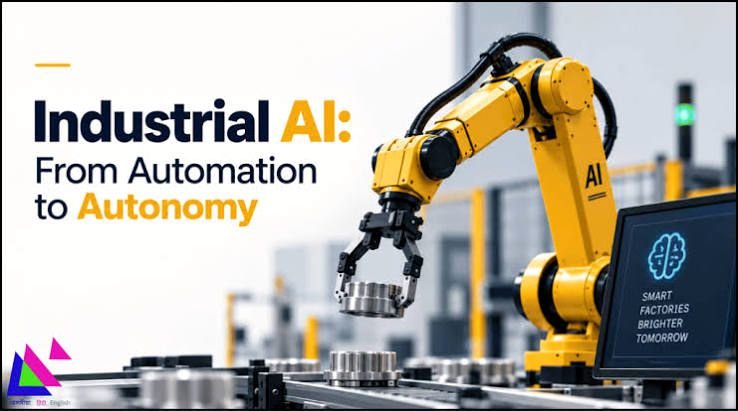
From Industrial Automation to Industrial Autonomy: How AI Is Reshaping Control Systems
Yokogawa Presents the IA2IA Vision
Yokogawa recently presented its vision for the future of industrial operations at ARC Advisory Group's Industry Forum in Bengaluru. Dr. Rajeev Joshi, Deputy General Manager, introduced the IA2IA concept, meaning Industrial Automation to Industrial Autonomy.The presentation explored how industrial companies can introduce AI into existing control environments step by step. Instead of replacing current systems, AI can extend their capabilities.This approach matters because most industrial sites already operate mature PLC, DCS, and control systems. Therefore, manufacturers need an evolutionary path rather than a complete technology replacement.Industrial AI Requires Higher Performance Standards
AI already supports many office activities, including content generation, data analysis, and project coordination. However, industrial automation environments demand much stricter performance and validation requirements.A poor office recommendation may waste time or require revision. In contrast, an incorrect industrial decision can affect production, equipment availability, product quality, and personnel safety.Therefore, industrial AI must operate within defined technical and operational boundaries. It must also work with established safety systems, control systems, alarms, and operator procedures.In practical industrial applications, engineers cannot treat AI as an independent decision-making tool. They must integrate it carefully with existing automation architectures.Industrial Automation Remains the Foundation
Modern industrial automation already provides a strong technical foundation for autonomous operations. PLC systems execute machine sequences, while DCS platforms manage continuous and batch processes.PID controllers regulate process variables such as pressure, temperature, flow, and level. Meanwhile, Advanced Process Control can optimize more complex operating conditions.These technologies depend primarily on predefined engineering logic and mathematical models. Operators usually intervene when processes move beyond expected operating conditions.AI introduces another capability to this architecture. It can analyze larger datasets and identify patterns that conventional control logic may not recognize.However, AI should complement established automation instead of replacing proven control strategies.From Fixed Logic to Adaptive Industrial Control
Traditional factory automation depends heavily on predefined instructions. Engineers configure control strategies according to known process requirements and expected operating conditions.This approach remains effective for stable and predictable applications. However, industrial processes often experience changing feedstock, equipment conditions, production targets, and environmental influences.Industrial autonomy introduces adaptive capabilities into this environment. AI models can analyze changing conditions and recommend or execute approved responses.The operating environment must remain bounded and secure. Therefore, engineers still need to define limits for AI-based decisions.This principle becomes especially important in industries such as oil and gas, chemicals, power generation, and pharmaceuticals.Understanding the IA2IA Industrial Autonomy Framework
Yokogawa describes the transition through its IA2IA framework, which represents Industrial Automation to Industrial Autonomy.The framework does not suggest that companies should immediately build fully autonomous plants. Instead, organizations can gradually increase autonomous capabilities as their technology and operational readiness improve.This gradual approach reflects real industrial conditions. Most facilities operate equipment from different generations and manufacturers.For example, one site may combine modern DCS technology with older PLC systems, field instruments, historians, and third-party control packages.Therefore, successful industrial autonomy requires integration rather than replacement.Stage One: Conventional Industrial Automation
The first stage consists of traditional industrial automation. PLC, DCS, SCADA, and other control systems execute programmed strategies.Operators monitor process conditions and respond to abnormal situations. Engineers modify control logic when production requirements change.This structure remains common across global manufacturing industries. It provides predictable control and clear engineering accountability.Moreover, established systems already support many international engineering and functional safety practices.Stage Two: AI-Assisted Industrial Operations
The next stage introduces AI as a decision-support technology. AI analyzes operational data and provides recommendations to engineers and operators.For example, AI can identify abnormal equipment behavior before a conventional alarm reaches its configured threshold.Predictive maintenance represents a practical application at this stage. Machine learning models can analyze vibration, temperature, pressure, and electrical data.Operators and maintenance engineers still make the final decisions. Therefore, companies can validate AI recommendations without immediately changing control authority.From an engineering perspective, this stage offers one of the lowest-risk entry points for industrial AI.Stage Three: Collaborative Human and AI Control
As confidence increases, AI can take a more active role in operational optimization. However, human operators continue supervising important decisions.AI may recommend production adjustments, energy optimization strategies, or equipment operating points. Operators can then approve, reject, or modify those recommendations.This collaborative model can improve consistency across shifts. It can also help less experienced operators access knowledge developed by senior engineers.However, organizations must carefully manage knowledge transfer and model validation. Historical plant data does not always represent future operating conditions.Therefore, engineers should continuously monitor AI performance.Stage Four: Supervised Autonomous Operations
At higher maturity levels, AI can perform selected actions automatically within approved operating limits.For example, an AI application may optimize energy consumption while remaining inside predefined process constraints.The control system can continue enforcing interlocks, alarms, and safety limits. Therefore, AI does not replace the fundamental protection architecture.This distinction remains important for industrial control systems.AI may optimize operations, but safety instrumented systems must continue performing their independent protective functions where required.Stage Five: Industrial Autonomy
The highest maturity stage involves increasingly autonomous operations across multiple industrial functions.Systems can perceive current operating conditions, predict future situations, evaluate available responses, and execute approved actions.However, complete autonomy does not mean removing people from industrial operations.Human expertise remains necessary for engineering design, safety management, strategic decisions, and abnormal situations outside validated operating boundaries.Therefore, industrial autonomy should focus on improving human capability rather than eliminating human responsibility.AI Must Work with Existing PLC and DCS Systems
One major challenge involves integrating AI with existing industrial automation infrastructure.Most plants cannot simply replace their PLC or DCS platforms. These systems often support production assets for decades.Therefore, AI applications need secure connections to historians, industrial networks, asset management systems, and control systems.Common industrial technologies may include OPC UA, industrial Ethernet, edge computing, and secure data historians.The architecture must also address cybersecurity and network segmentation. AI applications should never introduce uncontrolled access paths into critical control networks.This requirement becomes increasingly important as industrial connectivity expands.Data Quality Determines AI Performance
Industrial AI depends heavily on operational data quality.Many plants collect large volumes of data. However, incomplete tags, inconsistent timestamps, incorrect engineering units, and poor sensor maintenance can reduce model accuracy.Therefore, companies should evaluate their data infrastructure before deploying AI.Engineers should review instrument calibration, historian configuration, communication reliability, and tag consistency.In my experience, many industrial AI projects face greater challenges with data preparation than with AI algorithms.A technically sophisticated model cannot compensate for consistently inaccurate process data.Experience Matters in Industrial AI Deployment
Industrial AI requires more than software expertise. Engineers must understand the physical process behind the data.For example, a vibration pattern may indicate several possible mechanical conditions. The correct interpretation often requires knowledge of machine design and operating history.Similarly, process temperature changes may result from feedstock variation, control valve behavior, heat transfer performance, or sensor problems.Therefore, domain experts must participate throughout AI development and deployment.The strongest industrial AI projects combine data science with automation engineering, process knowledge, and maintenance experience.Functional Safety Cannot Become an AI Experiment
Industrial autonomy creates new opportunities, but safety requirements remain unchanged.Systems that perform safety-related functions must follow applicable engineering practices and standards. Depending on the application, these may include standards such as IEC 61508 and IEC 61511.AI-based optimization should remain separate from independent safety protection layers where appropriate.Moreover, engineers must define clear authority boundaries between AI applications and safety systems.An AI model may recommend an operating adjustment. However, the established protection system must still respond when hazardous conditions occur.This architecture supports innovation without weakening proven safety principles.Cybersecurity Becomes Part of Industrial Autonomy
Greater autonomy requires greater connectivity. However, increased connectivity can also expand cybersecurity risks.Industrial organizations should apply established cybersecurity practices when connecting AI platforms to operational technology environments.Standards such as the IEC 62443 series provide useful guidance for industrial automation and control system security.Network segmentation, identity management, access control, logging, and asset monitoring should remain part of the architecture.Therefore, industrial autonomy projects should include cybersecurity engineers from the earliest design stages.Practical Applications for Industrial AI
Industrial AI can already support several practical applications without requiring full autonomous control.Common examples include:- Predictive maintenance for rotating machinery and electrical equipment
- Energy optimization for industrial processes
- Production quality prediction
- Process anomaly detection
- Operator decision support
- Alarm analysis and rationalization support
- Production scheduling optimization
- Equipment performance monitoring
- Digital twin applications
- Factory automation optimization
Application Scenario: AI in a Process Plant
Consider a chemical processing plant using a DCS for continuous process control.The facility collects temperature, pressure, flow, composition, and energy data through field instruments and historians.An AI application analyzes historical and real-time information. It identifies combinations of operating conditions associated with reduced energy efficiency.The system first provides recommendations to operators. Engineers compare those recommendations with established operating procedures.After sufficient validation, the organization may allow automatic optimization within predefined limits.The DCS continues controlling the process. Meanwhile, independent protection systems maintain their designated safety functions.This approach demonstrates how industrial AI can evolve alongside existing control systems.Application Scenario: AI for Factory Automation
A manufacturing facility may use PLC systems to control conveyors, robots, motors, and production equipment.AI can analyze production cycle times, equipment status, and quality information.The system may identify recurring bottlenecks or predict machine failures. Maintenance teams can then schedule inspections before production interruptions occur.Moreover, AI can support production planning by comparing demand forecasts with equipment capacity.This approach allows factory automation systems to become more adaptive without replacing established PLC control logic.Author's View: Industrial Autonomy Will Be a Gradual Transition
Industrial autonomy will likely develop gradually rather than through sudden technology replacement.Most manufacturers already depend on proven PLC, DCS, SCADA, and safety systems. These platforms will remain the operational foundation for many years.Therefore, the most practical strategy involves adding intelligence around existing automation architectures.Companies should begin with data quality, asset connectivity, and operator decision support. They can then move toward supervised autonomous optimization.In my view, the industry's greatest challenge will not involve choosing an AI model.Instead, organizations must establish engineering governance, operational boundaries, cybersecurity controls, and clear responsibility structures.The companies that combine AI expertise with industrial engineering knowledge will likely achieve the strongest results.The Future of Industrial Automation and AI
The transition from industrial automation to industrial autonomy represents an important technology direction.However, autonomy should not become an objective without operational justification.Industrial organizations should evaluate where AI can improve safety, productivity, energy efficiency, maintenance, and decision-making.Yokogawa's IA2IA concept provides a practical perspective because it emphasizes gradual development.Instead of replacing existing control systems, industrial AI can build upon decades of engineering investment.PLC, DCS, control systems, factory automation, and industrial AI will increasingly operate as connected layers.The future industrial plant may become more autonomous. However, successful autonomy will still depend on sound automation engineering and experienced people.
MulticoreWare Expands Semiconductor Engineering for Industrial Automation and Edge Computing
 MulticoreWare Strengthens Semiconductor Engineering Portfolio
MulticoreWare has acquired Simulus Automation to expand its semiconductor design and verification capabilities.
The deal combines hardware engineering with MulticoreWare's software and AI expertise.
Simulus Automation specializes in SoCs, chipsets, accelerators, and semiconductor verification services.
Therefore, the acquisition supports a broader hardware-software development model for emerging computing platforms.Hardware-Software Co-Design Gains Industrial Automation Momentum
Industrial automation increasingly depends on tightly integrated hardware and software architectures. Modern control systems now process larger workloads at the machine and edge levels. Traditional CPU, GPU, DSP, and NPU architectures can no longer address every workload efficiently. Consequently, engineers increasingly integrate programmable logic and specialized accelerators into SoC architectures.This trend also affects PLC, DCS, robotics, and factory automation platforms. Industrial controllers must process sensor, vision, motion, and AI data with limited latency. Meanwhile, edge devices must balance computing performance, power consumption, and system flexibility.FPGA Technology Adds Flexibility to Edge Control Systems
The acquisition adds FPGA engineering capabilities to MulticoreWare's existing compute portfolio. The combined team supports FPGA implementations using RTL and High-Level Synthesis techniques. These technologies can support sensor fusion, robotics, and Physical AI workloads at the edge.For industrial automation engineers, FPGA-based processing can provide deterministic data handling. It can also reduce dependence on centralized computing resources in selected applications. However, system designers must evaluate development complexity, maintenance requirements, and lifecycle support.CXL and PCIe Address High-Speed Industrial Data Movement
High-speed connectivity has become a major design consideration for heterogeneous computing systems. Simulus Automation brings design and verification experience with CXL and PCIe protocols. These interfaces support high-bandwidth communication between processors, accelerators, memory, and peripheral devices.This capability has potential value for industrial control architectures using edge AI. For example, machine vision systems can generate large data volumes near production equipment. Fast interconnects can therefore reduce data-transfer constraints between acquisition and processing hardware.Cloud FPGA Supports Scalable AI Workloads
The combined engineering team also expands cloud FPGA capabilities. Cloud-based FPGA resources can handle repetitive workloads without dedicated local hardware. In addition, engineers can use these environments to emulate and deploy selected AI workloads.This approach may benefit industrial companies developing scalable edge and factory automation solutions. It allows teams to evaluate hardware acceleration before committing to dedicated silicon. However, engineers should assess latency, cybersecurity, data governance, and cloud dependency before deployment.Acquisition Connects Semiconductor Design With Software Engineering
MulticoreWare aims to create a development path from system architecture through production software. The company combines semiconductor engineering with AI optimization and high-performance software development. As a result, customers can address hardware and software requirements within a more coordinated workflow.This model has particular relevance to industrial automation platforms. Modern PLC and DCS architectures increasingly exchange data with edge computers and AI systems. Therefore, semiconductor design decisions can directly influence controller performance and system integration.Industrial Automation Could Benefit From Heterogeneous Computing
The acquisition arrives as demand grows for AI infrastructure, robotics, and edge intelligence. Industrial facilities increasingly use cameras, sensors, robots, and intelligent controllers together. These systems require faster data processing while maintaining predictable machine behavior.From an engineering perspective, heterogeneous computing offers both opportunities and trade-offs. Specialized hardware can improve performance for defined workloads. However, engineers must also consider diagnostics, firmware management, functional safety, and long-term maintainability.Practical Scenario: AI-Based Factory Inspection
Consider an automated production line using machine vision for quality inspection. Cameras collect high-resolution images while PLCs manage machine sequencing and interlocks. An edge accelerator can process image data without sending every frame to a remote server.The PLC can then receive validated inspection results through the plant communication architecture. Meanwhile, the DCS or supervisory platform can collect production and diagnostic information. This architecture separates deterministic control from computationally intensive AI workloads.Such separation can improve system design when engineers define clear interfaces and failure responses. Nevertheless, safety functions should remain within appropriately certified control architectures.Engineering Perspective on the Acquisition
The acquisition reflects a broader shift toward hardware-software co-design. Industrial automation suppliers increasingly combine control, computing, networking, and AI capabilities. This trend could influence future PLC, DCS, robotics, and edge-control architectures.In my view, the strongest opportunity lies in reducing unnecessary data movement. Processing relevant information closer to the machine can reduce bandwidth and response delays. However, industrial deployments require more than raw computing performance.Engineers must also verify deterministic behavior, cybersecurity, diagnostics, lifecycle support, and system interoperability. Therefore, semiconductor innovation should complement established industrial control engineering practices.MulticoreWare Expands Its AI and Engineering Services
MulticoreWare provides AI software and engineering services for Physical AI, robotics, and accelerated computing. Its capabilities include multimodal AI, sensor perception, sensor fusion, embedded systems, and AI optimization. The company also works across automotive, robotics, industrial automation, smart cities, healthcare, defense, and edge applications.With Simulus Automation, MulticoreWare adds deeper semiconductor design and verification capabilities. The combined organization can therefore address a wider range of hardware and software engineering requirements.What This Means for Industrial Automation Engineers
The acquisition does not directly change existing PLC or DCS platforms. Instead, it highlights a technology direction that automation engineers should monitor. Future control architectures may increasingly combine deterministic controllers with FPGA and AI accelerators.For system integrators, this development reinforces the value of modular architectures. Clear hardware interfaces can simplify integration between control systems and edge computing platforms. Moreover, standardized communication and defined failure modes can support easier system validation.Conclusion
MulticoreWare's acquisition of Simulus Automation expands its semiconductor engineering capabilities. The combination brings FPGA, RTL, CXL, PCIe, and verification expertise into a broader AI portfolio. More importantly, it reflects the growing convergence between semiconductor engineering and industrial computing.For industrial automation, the long-term impact could appear in edge controllers, robotics, machine vision, and AI-enabled factory systems. However, successful deployment will depend on engineering discipline as much as computing performance. Industrial customers should evaluate deterministic operation, cybersecurity, maintainability, and lifecycle requirements alongside acceleration benefits.
Read More
Categories:
Uncategorized
Rockwell Automation Supports Mimosa Mine’s Digital Transformation with Industrial Automation and Cybersecurity Solutions
Mimosa Mine Advances Mining Digital Transformation Through Industrial Automation
Rockwell Automation has expanded its collaboration with Mimosa Mine and Mine Elect to support a major digital transformation program in Zimbabwe’s mining industry. The initiative focuses on improving operational technology (OT) infrastructure, strengthening cybersecurity, and creating a sustainable digital foundation for future mining operations.Mimosa Mine operates a platinum-group metals (PGM) and base metals facility in Zimbabwe’s Midlands Province. The mine continues to modernize its production environment through investments in industrial automation, control systems, and secure digital technologies.As mining companies adopt more connected solutions, the integration of PLC, DCS, industrial networks, and data platforms becomes increasingly important. Therefore, Mimosa’s modernization strategy reflects a wider industry movement toward smarter and more resilient mining operations.Modern OT Networks Improve Mining Control Systems
The digital migration project included upgrading Mimosa Mine’s operational technology network and transitioning legacy infrastructure toward Ethernet/IP-based industrial communication. This upgrade provides a stronger foundation for automation systems, process control, and future digital applications.Modern mining operations depend on stable communication between PLC systems, distributed control systems (DCS), remote I/O platforms, and industrial devices. Moreover, a structured network architecture allows engineers to improve system visibility while reducing operational risks.Rockwell Automation supported the project by applying industrial automation expertise, cybersecurity practices, and network design experience. The solution helped Mimosa Mine improve access management, data communication, monitoring capability, and recovery processes.Industrial Cybersecurity Strengthens Operational Resilience
Cybersecurity has become a major priority for industries that operate critical infrastructure. Mining sites now connect more automation assets, production systems, and enterprise platforms, which increases potential cyber exposure.However, mining environments present unique challenges. Many facilities operate legacy equipment alongside modern automation platforms. In addition, harsh operating conditions and limited maintenance windows require careful technology deployment.The collaboration addressed these challenges through improved network segmentation, secure system access methods, and stronger protection strategies for industrial control environments.From an industrial automation perspective, cybersecurity cannot exist separately from production reliability. Engineers must design security measures that protect PLC, DCS, and factory automation systems without affecting process availability.Rockwell Automation and Mine Elect Deliver Local Industrial Expertise
A key part of the project involved cooperation between Rockwell Automation and Mine Elect, a Zimbabwe-based Rockwell Automation specialty distributor with extensive industrial experience.Mine Elect provided local engineering support, implementation services, and onsite technical assistance. This partnership combined international automation knowledge with regional mining expertise.According to industry experience, successful automation projects require more than hardware installation. They need strong engineering coordination, lifecycle planning, and practical understanding of plant operations.By combining global technology resources with local execution capabilities, the project supported Mimosa Mine’s long-term digital sustainability goals.Ethernet/IP Migration Supports Future Factory Automation Development
The migration from traditional OT networks to Ethernet/IP represents an important step in Mimosa Mine’s automation evolution. Ethernet/IP technology enables faster communication between industrial controllers, intelligent devices, and automation systems.For mining companies, this architecture supports applications such as production monitoring, asset management, predictive maintenance, and operational analytics.Moreover, standardized industrial communication networks simplify future system expansion. Engineers can integrate additional PLC platforms, control systems, and digital tools while maintaining a consistent infrastructure.In my experience working with industrial automation projects, network modernization often becomes the foundation for future improvements. A well-designed industrial network allows companies to introduce advanced automation technologies without replacing entire control architectures.Mining Industry Moves Toward Connected and Secure Operations
The mining sector is experiencing rapid digital transformation. Companies increasingly use industrial automation, remote monitoring, artificial intelligence, and data analytics to improve productivity and safety.However, digital transformation requires balanced planning. Automation improvements must consider operational continuity, cybersecurity requirements, and existing equipment conditions.Mimosa Mine’s modernization program demonstrates how mining companies can gradually upgrade their infrastructure while protecting existing investments.The combination of PLC systems, DCS platforms, industrial networks, and cybersecurity frameworks will continue shaping the future of intelligent mining operations.Application Case: Secure Automation Infrastructure for Mining Operations
The Mimosa Mine project represents a practical example of how industrial automation solutions support modern mining environments.Typical applications include:- PLC and control system modernization: Improving communication between controllers, field devices, and production systems.
- Industrial network upgrades: Migrating legacy communication infrastructure to Ethernet/IP-based architectures.
- OT cybersecurity enhancement: Applying network segmentation and secure access controls.
- Remote monitoring improvement: Increasing operational visibility across mining assets.
- Digital lifecycle management: Preparing automation infrastructure for future expansion.
Industry Perspective: Digital Resilience Becomes a Core Automation Requirement
The mining industry is no longer focused only on production capacity. Companies now evaluate how effectively their automation infrastructure supports safety, efficiency, and long-term competitiveness.Industrial automation providers such as Rockwell Automation continue to develop solutions that combine PLC, DCS, industrial cybersecurity, and digital transformation technologies.As operational technology and information technology continue to converge, companies must build automation strategies that address both productivity and security. Therefore, future industrial facilities will increasingly depend on integrated control systems and resilient digital infrastructure.
Qualcomm Dragonwing Pushes Edge AI Into Industrial Automation, Robotics and Factory Systems
Qualcomm Expands Beyond Smartphones Into Industrial Automation
Qualcomm is extending its computing expertise beyond smartphones and into industrial automation, robotics, and connected devices.The company is positioning its Dragonwing platform as a major foundation for its expanding B2B technology business.On August 31, Qualcomm Technologies hosted Qualcomm Dragonwing IoT Day in Seoul, South Korea.The event attracted about 500 representatives from customers, technology partners, manufacturers, and telecommunications companies.Participants included Samsung Electronics, LG Electronics, Hyundai Motor, SK Telecom, KT, and LG Uplus.The event demonstrated Qualcomm's growing focus on industrial edge computing and on-device artificial intelligence.Dragonwing Targets the Industrial Edge Computing Market
Qualcomm introduced Dragonwing as a broad B2B platform rather than another processor product family.The platform combines computing, connectivity, artificial intelligence, software, and development tools.It targets industrial IoT, embedded systems, networking infrastructure, robotics, and smart devices.This approach reflects a major change in industrial computing architecture.Manufacturers increasingly want AI processing closer to machines, sensors, cameras, and control systems.Therefore, edge computing can reduce cloud dependency and shorten response times for time-sensitive applications.This capability matters particularly in machine vision, autonomous robotics, industrial inspection, and safety monitoring.