
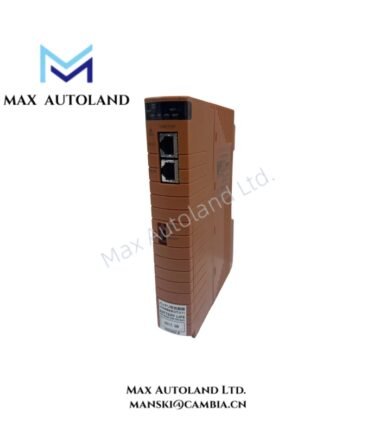
Overview
Suffix Breakdown & Model Matrix
| Code | Specification |
|---|---|
| CP471 | Processor module for AFV30, AFV40, A2FV50, and A2FV70 control units |
| -0 | Without explosion protection |
| -1 | With explosion protection |
| 0 | Basic type |
| 1 | With ISA Standard G3 option |
| /ERFI | Enhanced RFI option (Tokuchu) |
The supplied model description identifies CP471-10. Confirm the complete nameplate code before selecting explosion protection, environmental options, or special RFI configurations.
Hardware Specifications
| Parameter | Specification |
|---|---|
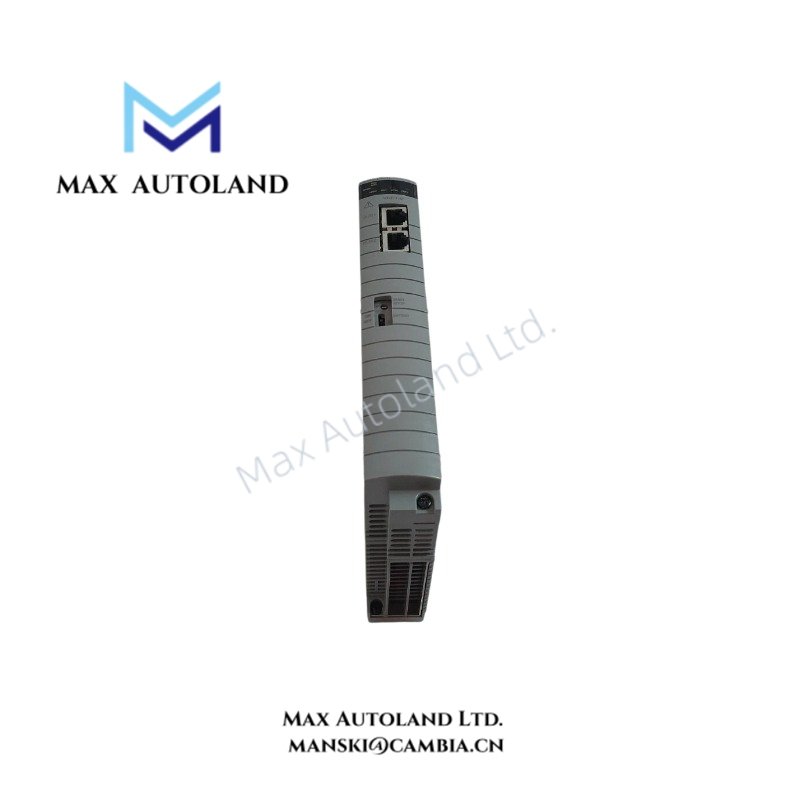
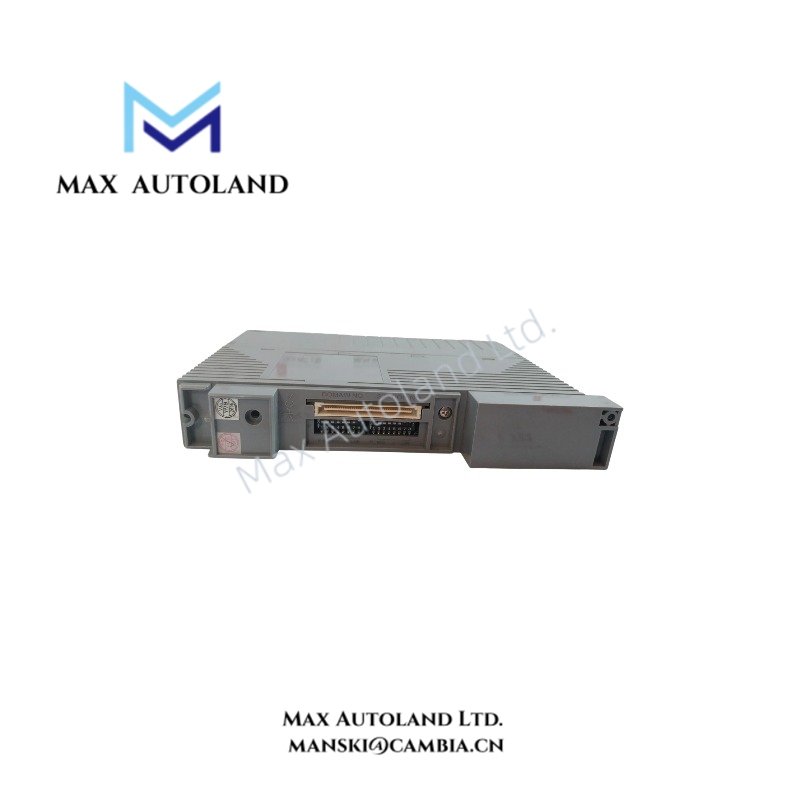
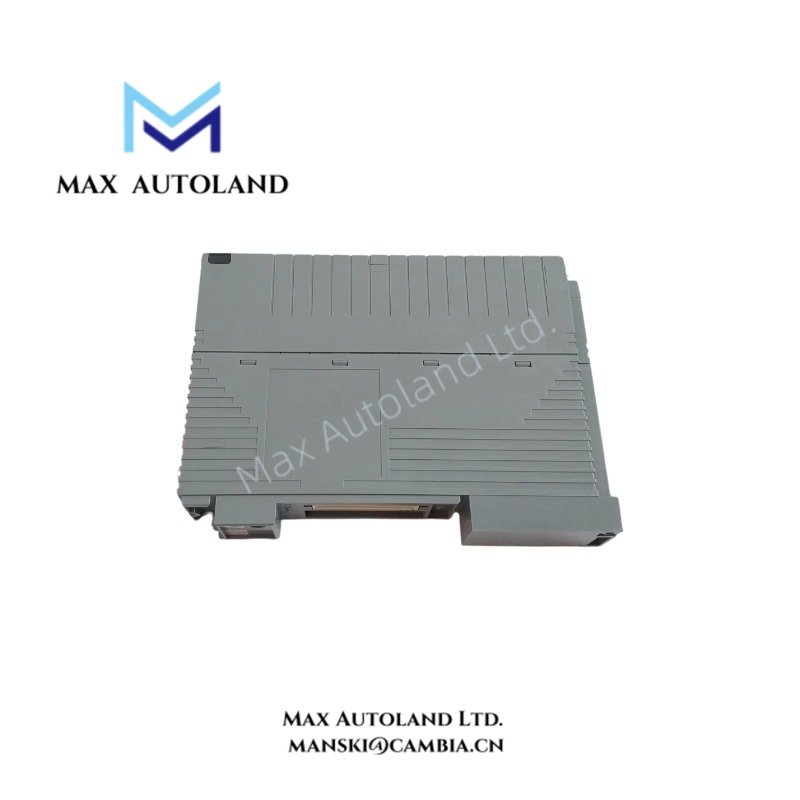
| Model | CP471-10 |
| Brand | Yokogawa |
| Product Type | Processor Module |
| System | CENTUM VP |
| Compatible Control Units | AFV30, AFV40, A2FV50, A2FV70 |
| Redundancy | Dual-redundant configuration with two CP471 modules |
| Weight | Approximately 0.7 kg |
| Dimensions | Approximately 32.8 mm W x 149 mm H x 199.5 mm D |
| Explosion Protection | Determined by the complete suffix code |
| Environmental Option | Basic type or ISA Standard G3 |
| RFI Option | /ERFI, enhanced RFI configuration |
DCS Processor and Network Configuration
The CP471 functions as a processor module in the field control unit. Two modules can operate in a dual-redundant configuration when the control unit supports the corresponding arrangement.
During replacement or system expansion, verify the control unit model, module suffix, hardware revision, and CENTUM VP software compatibility. The available source information does not establish a specific failover time, processor clock speed, or power consumption value for the CP471-10.
The module belongs to a Yokogawa DCS architecture. Do not assume that it supports 4-20 mA HART, FOUNDATION Fieldbus, or Profibus PA directly; these interfaces depend on the installed field I/O and associated hardware.
Frequently Asked Questions
Q: Can two CP471 modules operate in a redundant configuration?
A: Yes. Two CP471 modules can be used in a dual-redundant configuration on a compatible duplexed field control unit.
Q: Does the CP471-10 include explosion protection?
A: The supplied suffix table assigns explosion protection to suffix -1 and no explosion protection to suffix -0. Verify the complete ordering code and nameplate because the shortened CP471-10 designation alone does not establish every suffix option.
Q: What information should be checked before replacing a CP471 module?
A: Confirm the field control unit model, complete module code, applicable hardware revision, and system software compatibility. Also verify the installed redundancy arrangement and the manufacturer’s replacement procedure before removing the existing module.
Field Installation Guidelines
- Confirm that the target field control unit supports the CP471 module and the intended redundancy configuration.
- Compare the replacement module’s complete ordering code with the installed module, including explosion protection, environmental, and RFI options.
- Follow Yokogawa’s documented power isolation and module insertion or removal procedures. Do not assume hot-swap support without confirmation in the applicable hardware manual.
- Inspect the module connector and mounting position for damage before installation.
- Keep communication and control wiring routed according to the control unit’s installation manual. Maintain separation from high-voltage and high-noise wiring where required.
- Apply cable shielding and grounding according to the system wiring documentation. Avoid introducing additional grounding paths that could create ground loops.
- After installation, verify module status indications, control unit diagnostics, and redundancy status before returning the system to normal operation.
YOKOGAWA Top Products
Customers Also Viewed

Reviews
There are no reviews yet.