
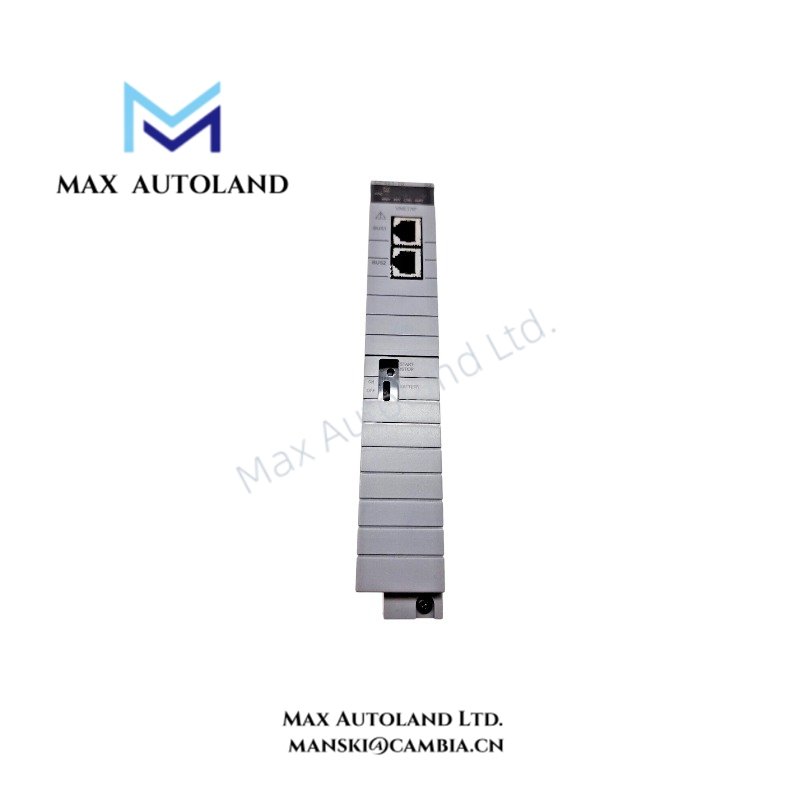
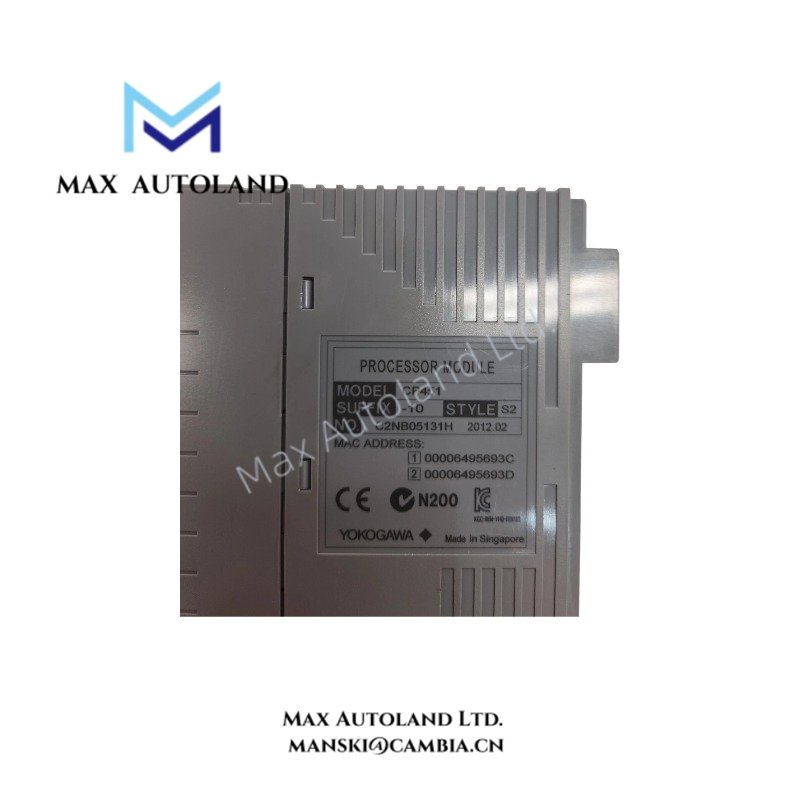
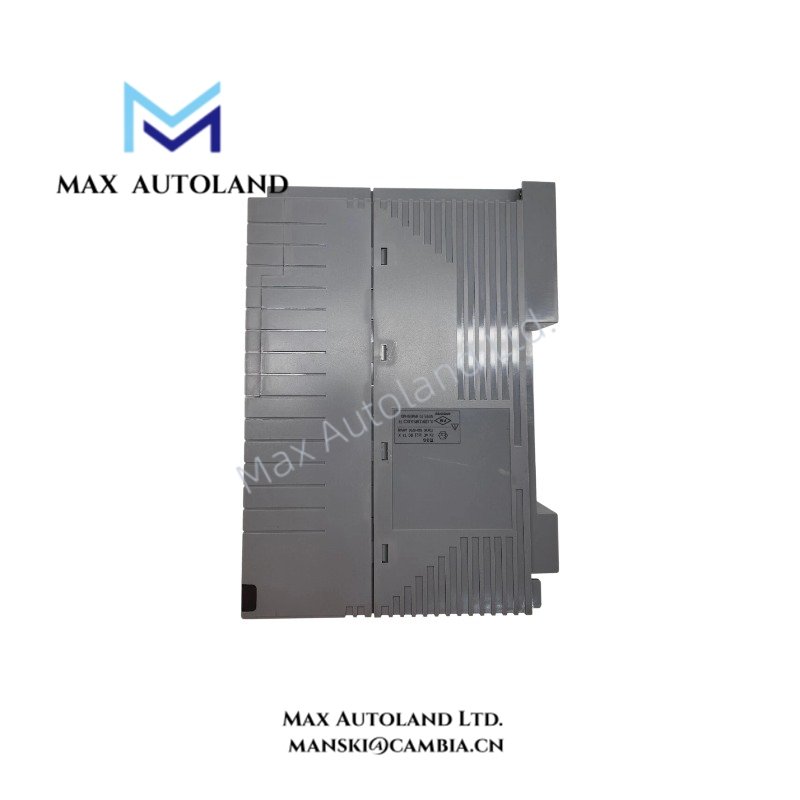
Overview
Hardware Specifications
| Parameter | Specification |
|---|---|
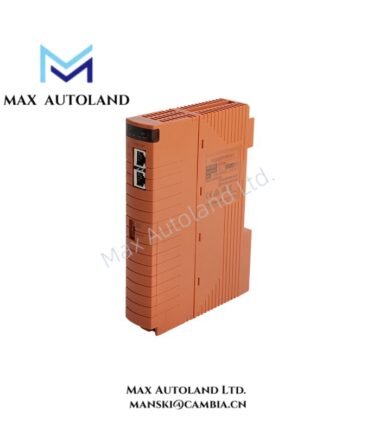
| Model | CP451-10 S2 |
| Brand | Yokogawa |
| Product Type | Field Control Station Processor |
| Series | CENTUM VP AFV10 |
| Processor Architecture | VR5432 |
| Processor Clock Frequency | 133 MHz |
| Main Memory | 32 MB |
| Main-Memory Battery Backup | 72 hours maximum |
| Minimum Battery Recharge Time | 48 hours |
| FCU Vnet/IP Interface | Dual-redundant |
| Duplex FCU Processor Population | 2 CP451 modules |
| Maximum FCU Node Population | 14 with documented capacity package and node licenses |
| ESB Node Subset Limit | 9 units |
| Local FCU I/O Capacity | 8 modules maximum |
CENTUM VP Processor and Redundancy Characteristics
The CP451-10 S2 executes configured FCU control functions using its VR5432 processor and 32 MB main memory. The specified battery backup supports memory retention for up to 72 hours, subject to the documented conditions. The minimum battery recharge time is 48 hours.
For duplex operation, the FCU uses two matching CP451 modules and dual-redundant Vnet/IP communication. However, the supplied specifications do not state processor switchover time, hot-swap support, or the conditions for online replacement. Verify these functions against the applicable AFV10 hardware manual before maintenance.
The FCU node limit depends on the installed application-capacity package and node licenses. The documented configuration supports up to 14 nodes, including an ESB node subset limit of 9 units and a maximum of 8 local FCU I/O modules.
Frequently Asked Questions (FAQ)
Q: How much main memory does the CP451-10 S2 provide?
A: The module provides 32 MB of main memory with battery backup. The specified maximum backup duration is 72 hours, and the minimum recharge time is 48 hours.
Q: How many CP451 modules are required for duplex FCU operation?
A: The documented duplex configuration uses two matching CP451 modules with dual-redundant Vnet/IP communication.
Q: What determines the maximum node population of the AFV10 FCU?
A: The maximum node population depends on the installed application-capacity package and node licenses. The supplied specifications state a maximum of 14 nodes, with an ESB subset limit of 9 units.
Field Installation Guidelines
- Verify compatibility: Confirm that the CP451-10 S2 matches the AFV10 FCU configuration and the applicable CENTUM VP hardware documentation.
- Check redundancy: For duplex installations, verify both processor modules and the dual-redundant Vnet/IP communication paths against the approved system configuration.
- Inspect the installation: Check the module, connector interfaces, and mounting position for physical damage before installation.
- Verify battery conditions: Follow the manufacturer documentation for battery inspection, memory retention, recharge requirements, and replacement procedures.
- Route communication cables correctly: Keep communication cables separated from power conductors where practical, and follow the system grounding and shielding requirements.
- Validate the configured capacity: Confirm application-capacity packages, node licenses, ESB node allocation, and local I/O population before commissioning.
- Confirm operating limits: Obtain the specified operating temperature, power consumption, and physical dimensions from the applicable manufacturer documentation before finalizing cabinet design.
YOKOGAWA Top Products
Customers Also Viewed


Reviews
There are no reviews yet.