
Overview
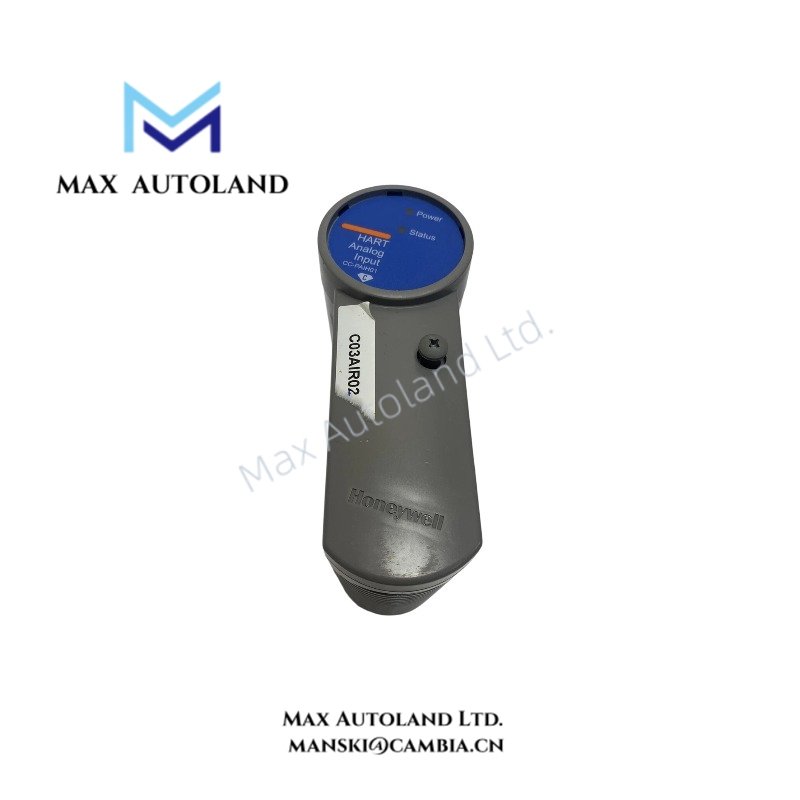
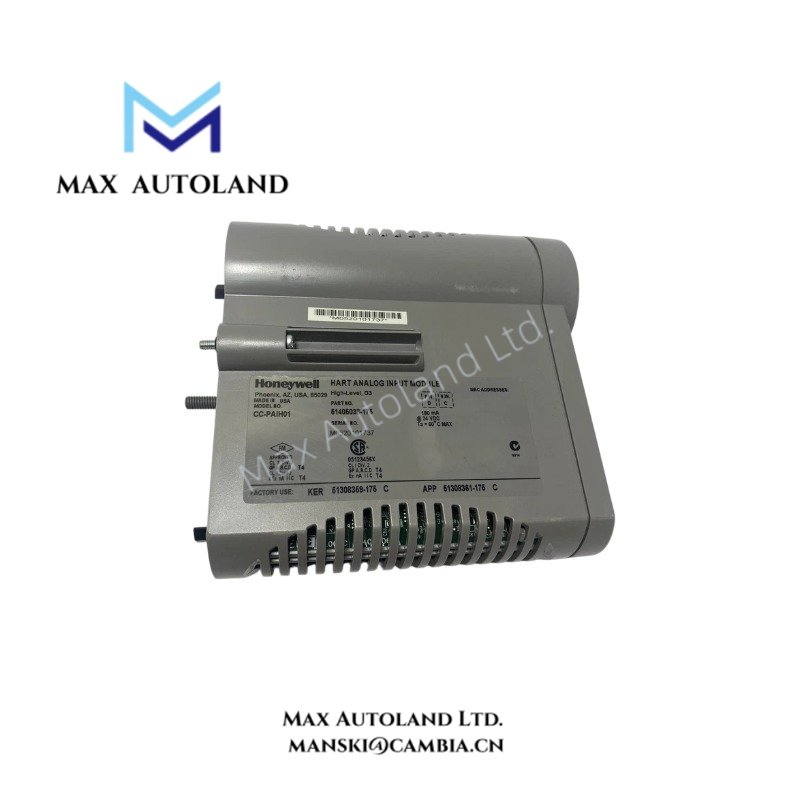
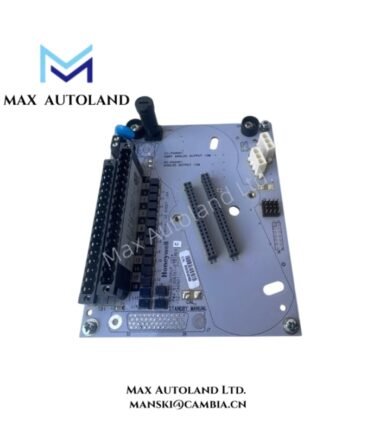
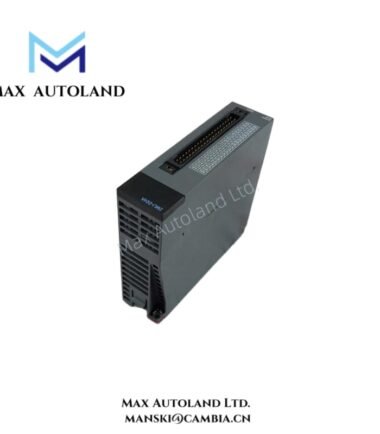
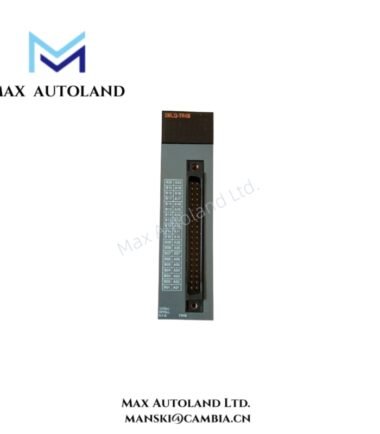
The Honeywell CC-PAIH01 51405038-175, also cataloged as the CC-PAIH01 analog input module, acquires voltage and current signals from field instruments for processing within a Honeywell control system. It supports 16 input channels, including 4-20 mA signals with HART compatibility, and uses a 16-bit analog-to-digital converter for signal conversion. The specified input ranges also include 0 to 5 V, 1 to 5 V, and 0.4 to 2 V.
Hardware Specifications
| Parameter | Specification |
|---|---|
| Model | CC-PAIH01 51405038-175 |
| Spare Model | 51405038-175 |
| Brand | Honeywell |
| Product Type | Analog Input Module |
| Origin | USA |
| Weight | 0.4 kg |
| Dimensions | 5.5 x 16 x 14.5 cm |
| Supply Voltage | 24 VDC |
| Current Consumption | 0.195 A |
| Input Type | Voltage and current |
| Input Channels | 16 |
| HART Compatibility | Supported according to product designation |
| A/D Converter Resolution | 16 bits |
| Input Range | 0 to 5 V, 1 to 5 V, 0.4 to 2 V, 4-20 mA |
| Common Mode Rejection Ratio | 70 dB, DC to 60 Hz |
| Common Mode Voltage | -6 to +5 V peak, DC to 60 Hz |
| Normal Mode Rejection Ratio | 19 dB at 60 Hz |
| Normal Mode Filter Response | Single-pole RC, -3 dB at 6.5 Hz |
| Maximum Normal Mode Input | +/- 30 V |
| Crosstalk | -60 dB, DC to 60 Hz |
| Input Impedance | Greater than 10 MOhm when powered |
| Tariff Code | 8537101190 |
| Manufacturer Status | Discontinued by manufacturer |
Analog Signal Acquisition and HART Compatibility
The CC-PAIH01 processes analog voltage and current inputs through its 16-bit A/D conversion circuitry. Its supported input ranges accommodate the listed voltage signals and 4-20 mA process signals. The specified 70 dB common-mode rejection ratio applies from DC to 60 Hz, while the normal-mode filter provides a -3 dB response at 6.5 Hz.
The product designation identifies HART compatibility. However, the supplied specifications do not establish the exact HART communication topology, channel-level modem arrangement, or channel-to-channel isolation rating. These details require confirmation from the applicable Honeywell hardware documentation before system integration.
Frequently Asked Questions
Q: Which analog input ranges does the CC-PAIH01 support?
A: The supplied specifications list 0 to 5 V, 1 to 5 V, 0.4 to 2 V, and 4-20 mA. Confirm the required configuration against the system hardware documentation before connecting field signals.
Q: What is the analog-to-digital conversion resolution?
A: The module uses a 16-bit A/D converter. This specifies the converter resolution but does not independently establish total measurement accuracy or calibrated system accuracy.
Q: Can the module be installed in a system requiring HART communication?
A: The product designation identifies HART compatibility. Verify the controller configuration, channel capabilities, and communication requirements against the applicable Honeywell documentation before commissioning.
Field Installation Guidelines
- Verify hardware compatibility: Confirm the module part number, associated control system, mounting position, and terminal assembly against the applicable Honeywell installation documentation.
- Check field signal ranges: Ensure each connected instrument matches the configured voltage or current input range.
- Verify power requirements: Confirm the module supply and current requirements against the system power budget. Do not infer backplane loading from the 24 VDC and 0.195 A product designation without checking the manufacturer’s specifications.
- Route signal wiring: Separate low-level analog signal cables from high-current power conductors and other sources of electrical interference.
- Apply grounding and shielding practices: Follow the system grounding design and Honeywell wiring instructions. Avoid creating unintended ground loops through cable shields.
- Verify channel configuration: Check signal scaling, input type, and any required HART communication settings before connecting the module to the operating process.
- Validate signal acquisition: Compare measured values against known input signals and investigate wiring faults, abnormal noise, or scaling discrepancies before commissioning.





Reviews
There are no reviews yet.